Alocasia Frydek Care: Growing the Green Velvet Alocasia Indoors
Having overwintered dozens of dormant Alocasia Frydek rhizomes and revived them each spring for indoor collectors, we've mapped exactly how much to scale back watering and light without losing the plant.
-
Difficulty
intermediate to advanced
-
Light
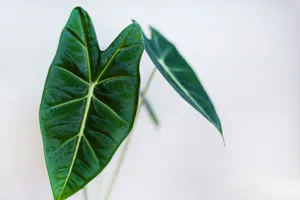
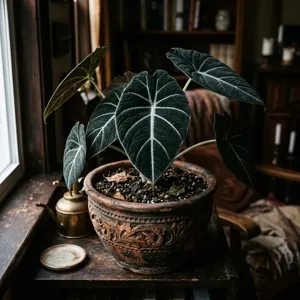
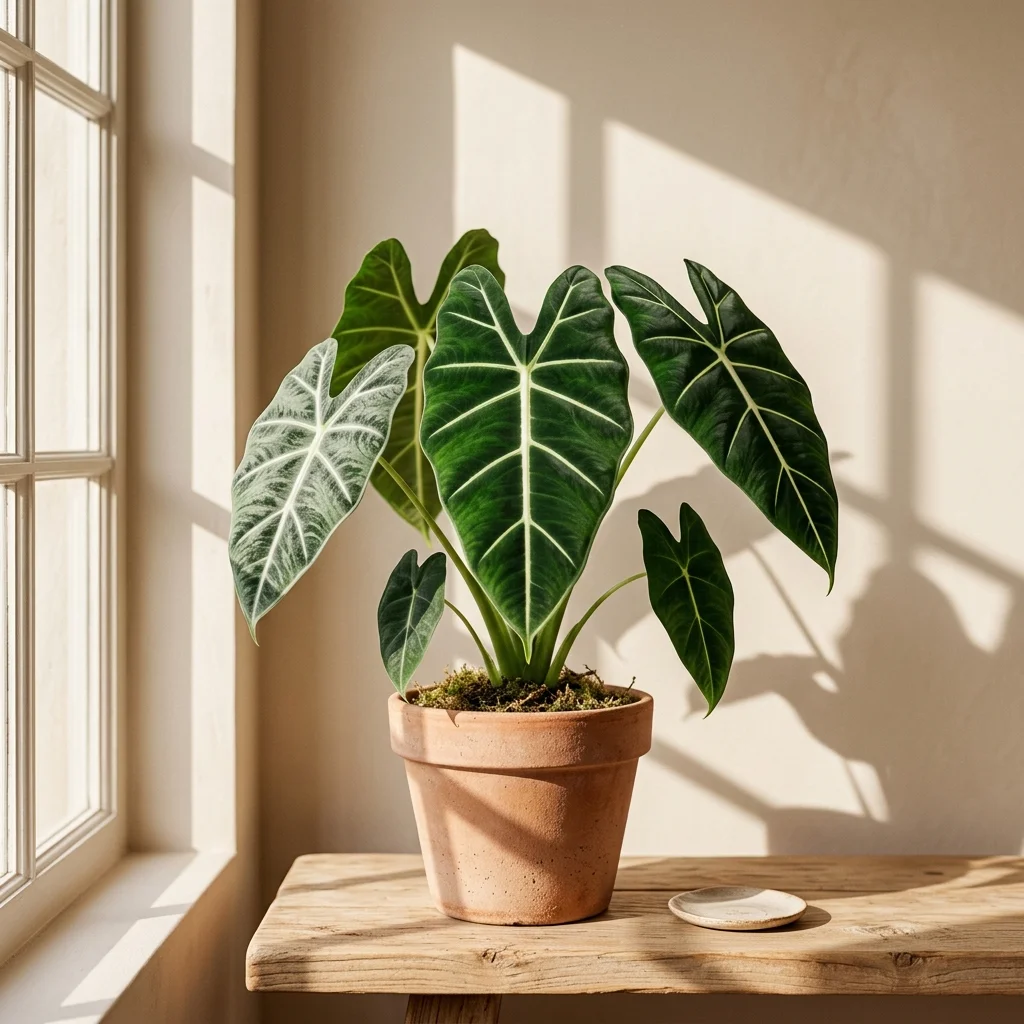
Frydek's near-black, velvety leaves develop their strongest color and vein contrast in bright, filtered indirect light. Too little light produces smaller, duller leaves; direct sun scorches the velvet surface.
-
Temperature
18-27°C
-
Growth
moderate
-
Humidity
60-80%
-
pH range
5.5-6.5
-
Biggest Owner Mistake
Panicking and overwatering a Frydek that has gone dormant and dropped its leaves. This is almost always the fastest way to rot a rhizome that would otherwise have resprouted perfectly fine in spring with minimal watering.
-
What Nobody Tells You
Frydek and Black Velvet are frequently mislabeled and sold interchangeably by online sellers, but they're genuinely different species with different mature sizes - if your "Frydek" is staying small and compact, you may actually have Black Velvet.
-
Real Home Conditions
In homes without grow lights, most Frydek specimens will show at least partial dormancy every winter regardless of care quality - this is a normal seasonal response to shortened day length, not a sign that something is wrong.
Quick Answer
Alocasia Frydek needs 60-80% humidity, bright filtered indirect light, and watering only once the top 3 cm of soil dries. It's normal for it to drop its leaves and go dormant in winter - cut watering back sharply during this period rather than trying to revive it. Toxic to pets.
Key Takeaways
- Commonly drops all its leaves and goes dormant in winter - this is normal, not a sign of death.
- Cut watering dramatically during dormancy; overwatering a dormant rhizome is the leading cause of loss.
- Needs bright filtered indirect light to keep its near-black color and vein contrast vivid.
- Often confused with the smaller, more compact Alocasia Black Velvet (Alocasia reginula).
Light
Frydek wants 5-7 hours of bright, filtered indirect light daily. Good light intensifies both the near-black leaf color and the contrast of the white veining; too little light produces smaller, duller, more elongated leaves as the plant stretches toward a light source. Direct sun, however, scorches the delicate velvet surface, so an east-facing window or a spot pulled back from stronger south or west exposure works best.
Temperature
Keep it between 18°C and 27°C (64-80°F). It tolerates a brief dip to 13°C (55°F) but sustained cold below 15°C (59°F) is a common trigger for early or more severe dormancy. Keep it away from cold drafts and single-glazed windows in winter.
Humidity
Aim for 60-80% relative humidity. It manages short periods down to around 45% but consistently dry, centrally heated air causes crispy brown leaf margins and makes the plant considerably more vulnerable to spider mites, which thrive in low humidity and are hard to spot against the dark leaf surface until damage appears.
Watering
During active growth, water once the top 3 cm of soil has dried, roughly every 7-10 days. This changes dramatically in winter: as day length shortens, many Frydek specimens drop most or all of their leaves and enter dormancy, during which the rhizome needs only minimal water to prevent full desiccation. Continuing a summer watering schedule through dormancy is the single most common way to rot the rhizome and lose the plant entirely.
Soil
Use a chunky, well-draining aroid mix: orchid bark, perlite, and coco coir, with a small amount of compost for the rhizome's higher nutrient needs compared to some other aroids. Good drainage is non-negotiable, since the rhizome rots quickly in dense or waterlogged mix, especially in cooler conditions.
Fertilizer
Feed with a balanced liquid fertilizer at half strength every 4-6 weeks through spring and summer. Watch for pale, interveinal yellowing, which often signals a magnesium or micronutrient deficiency rather than a watering problem, and can be corrected with a trace-mineral feed or an occasional diluted Epsom salt solution. Stop fertilizing completely once the plant shows any sign of entering dormancy.
Dormancy
Unlike most houseplants, it's normal and expected for Alocasia Frydek to lose part or all of its foliage as winter approaches, particularly in homes without supplemental grow lighting. The rhizome remains alive beneath the soil. Resist the urge to increase watering to revive a leafless plant - this is the most common cause of rhizome rot during this period. Instead, reduce watering to a bare minimum, keep the pot somewhere stable and moderately warm, and wait for longer days and rising temperatures in spring, at which point you'll usually see a new leaf spike emerge from the rhizome.
Propagation
Division is the standard method: during repotting, separate offset pups that have their own roots from the main rhizome and pot them individually in the same chunky mix. Avoid dividing during or right before dormancy, as the plant has fewer resources to recover from the stress.
Toxicity
Contains calcium oxalate crystals throughout, making it toxic to cats, dogs, and humans if chewed or ingested, with symptoms including oral pain, drooling, and swelling. Wear gloves during repotting or division, as the sap can irritate skin.
Common Problems
Sudden leaf drop in autumn/winter: Normal seasonal dormancy; reduce watering and wait for spring. Rotting rhizome after leaf drop: Overwatering during dormancy; check the rhizome and reduce watering immediately. Crispy brown leaf edges: Low humidity or fertilizer salt buildup. Pale patches between leaf veins: Likely a micronutrient deficiency, particularly magnesium. Fine stippling on leaf surface: Spider mites, especially in dry air; raise humidity and treat with neem oil.
Calculator
Interactive Calculators for Alocasia Frydek
Recommended next actions
Next Best Actions
Use calculators and guides to turn this plant profile into a practical care routine.
Plant Guide
Alocasia Black Velvet
After growing and propagating over 80 Alocasia specimens across humid subtropical and temperate climates, we have mastered the exact soil and humidity requirements needed to keep the Black Velvet thriving through summer humidity swings and dry winter heating.
Plant Guide
Alocasia Amazonica
The Alocasia Amazonica (African Mask Plant) is a stunning but demanding houseplant. It requires high humidity, warmth, and careful watering to prevent root rot and leaf drop.
Topic Guide
Humidity
Learn everything about humidity for your indoor and aquarium plants. Expert care tips, troubleshooting, and related guides.
Guide
Repotting Shock Rescue: Save Your Wilting Houseplant
After rehabilitating stressed nursery stock and rescuing more than 1,500 cases of severe transplant collapse over 12 years, we have mapped the precise physiological timeline of repotting shock and the critical rescue steps required to prevent total hydraulic failure.
Calculator
Plant Watering Calculator: How Often to Water
Calculate the correct watering frequency for your plant based on species, pot size, soil type, season, and climate.
Calculator
Will Heat-Stressed Plants Recover? Diagnosis & Calculator
Diagnose plant heat stress risk from your temperature, humidity, sunlight exposure, and symptoms — then get specific watering, shade, and airflow actions.
Structured Plant Data
Plant Data Profile
The following data is extracted directly from our botanical knowledge graph for accuracy and transparency.
Growth Characteristics
Growth Rate
moderate
Mature Height
45-75 cm (18-30 in)
Mature Spread
45-60 cm (18-24 in)
Life Cycle
Perennial, often goes dormant/deciduous in winter indoors
Flowering Season
Rarely flowers indoors; insignificant when it does
Container Friendly
yes
Indoor Capable
yes
Environmental Parameters
| Parameter | Recommended | Survivable |
|---|---|---|
| Temperature | 18-27°C | 13-30°C |
| Humidity | 60-80% | 45-80% |
| Soil PH | 5.5-6.5 | 5-7 |
Lighting
Description
Frydek's near-black, velvety leaves develop their strongest color and vein contrast in bright, filtered indirect light. Too little light produces smaller, duller leaves; direct sun scorches the velvet surface.
Nutrients
Nitrogen Demand
moderate
Phosphate Demand
low
Potassium Demand
moderate
Micronutrient Notes
Sensitive to fertilizer salt buildup, which shows first as brown tips on the large leaves; also benefits from a magnesium supplement occasionally, as pale interveinal yellowing can indicate deficiency.
Fertilizer Frequency
Balanced liquid fertilizer at half strength every 4-6 weeks in spring and summer; stop entirely once the plant shows signs of winter dormancy.
Organic Options
Worm castings tea or diluted seaweed extract during active growth.
Relationships
-
Root Rot
Vulnerability | Strength 8
The rhizome is highly susceptible to rot in cold, waterlogged soil, especially if watered heavily during winter dormancy when the plant isn't actively using water.
-
Spider Mites
Vulnerability | Strength 7
Dry indoor air is a major trigger for spider mite infestations, which show as fine stippling on the dark leaf surface, often before webbing is visible.
-
Dormancy Panic
Risk | Strength 6
Many owners assume a plant that has dropped all its leaves in winter has died and either overwater it trying to revive it or discard it, when the rhizome is often still alive and will resprout in spring.
Alocasia Frydek vs. Alocasia Black Velvet
| Trait | Alocasia Frydek | Alocasia Black Velvet |
|---|---|---|
| Scientific name | Alocasia micholitziana 'Frydek' | Alocasia reginula |
| Leaf size | Larger, more elongated | Smaller, rounder |
| Mature height | 45-75 cm | 20-30 cm - more compact |
| Winter dormancy | Common, often loses all leaves | Less pronounced, usually stays evergreen |
Troubleshooting & Diagnostics Guide
1 Plant has dropped all leaves and appears completely bare
Diagnosis: Seasonal dormancy triggered by shorter days and cooler temperatures, common in Alocasia grown without supplemental lighting
Treatment: Reduce watering to a bare minimum, keep the pot in a stable warm spot, and wait for spring; avoid repotting or fertilizing during this period.
Prevention: Consider supplemental grow lighting in winter to reduce the severity of dormancy, though some dormancy is normal even with good light.
2 Rhizome feels soft or mushy after the plant drops its leaves
Diagnosis: Rhizome rot, usually from continuing to water on a summer schedule through dormancy
Treatment: Unpot immediately, trim away any soft or discolored rhizome tissue with a clean blade, let the cut area callous, and repot in fresh, dry, chunky mix.
Prevention: Cut watering dramatically once dormancy signs appear and only resume normal watering when new growth is visible.
Authoritative Resources
For additional peer-reviewed information on plant diseases, toxicity, and care, consult these trusted botanical and agricultural extensions:
Glossary of Terms
- Rhizome
- A thickened, horizontal underground stem that stores energy and produces roots and shoots; in Alocasia, the rhizome survives winter dormancy even when all above-ground leaves have died back.
- Deciduous dormancy (indoor)
- A resting period some tropical aroids enter indoors in response to shorter days and cooler temperatures, during which the plant drops its leaves and growth pauses until conditions improve.
Frequently Asked Questions
Is Alocasia Frydek toxic to pets?
Why did my Alocasia Frydek lose all its leaves?
How much humidity does Alocasia Frydek need?
Why are the edges of my Alocasia Frydek leaves turning brown?
How often should I water Alocasia Frydek?
Why does my Alocasia Frydek have pale, yellowish patches between the veins?
Is Alocasia Frydek the same as Alocasia Black Velvet?
How do I bring Alocasia Frydek out of dormancy?
Explore More