Philodendron Gloriosum Indoor Guide: Protect Rhizome Rot & Plant a Crawler
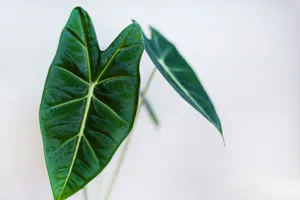
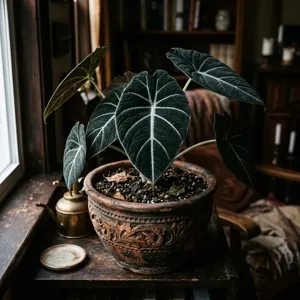
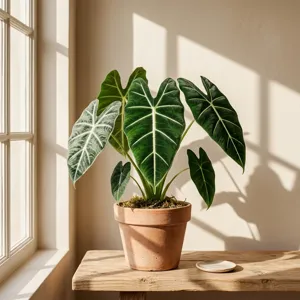
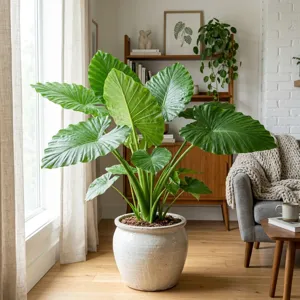
The Philodendron Gloriosum is a breathtaking collector's plant featuring massive, velvety, heart-shaped leaves. Unlike climbing plants, this is a "crawler" that requires a wide, rectangular planter to thrive.
-
Difficulty
advanced
-
Light
Requires bright, indirect light to produce its massive leaves. Direct sun will instantly bleach and scorch the delicate velvet foliage.
-
Temperature
65°F - 85°F (18°C - 29°C)
-
Growth
moderate
-
Humidity
60% - 80%
-
pH range
5.5 - 6.5
-
Biggest Owner Mistake
Planting it in a deep, narrow pot like a typical philodendron—gloriosum is a ground-creeping rhizomatous plant, not a climber, and its horizontal rhizome needs space to spread laterally. A wide, shallow pot allows proper rhizome extension and prevents the plant from growing out of the container prematurely.
-
What Nobody Tells You
The velvety leaf surface is permanently scarred by water droplets—even a single drop left on the leaf causes a white or yellow ring that never disappears. Water must be directed to the soil only, never onto the leaves.
-
Real Home Conditions
In dry air below 60% humidity, the large velvety leaf edges curl inward and develop crispy margins because the massive leaf surface loses moisture faster than the root system can replace it. This species genuinely requires a humidifier to look its best indoors.
Quick Answer
The Philodendron Gloriosum is a horizontal crawler, not a climber. It requires a long, rectangular planter, and the thick main stem (rhizome) must sit completely on top of the soil to prevent fatal rot. We have found that maintaining a consistent care routine significantly improves the long-term health of the plant.
Key Takeaways
- Provide bright indirect light for the best velvety, veined leaf pattern.
- Water when the top 1-2 inches of soil feel dry to the touch.
- Grow horizontally, since this species creeps via rhizome rather than climbing.
- Maintain high humidity for the healthiest, largest leaf development possible.
Overview
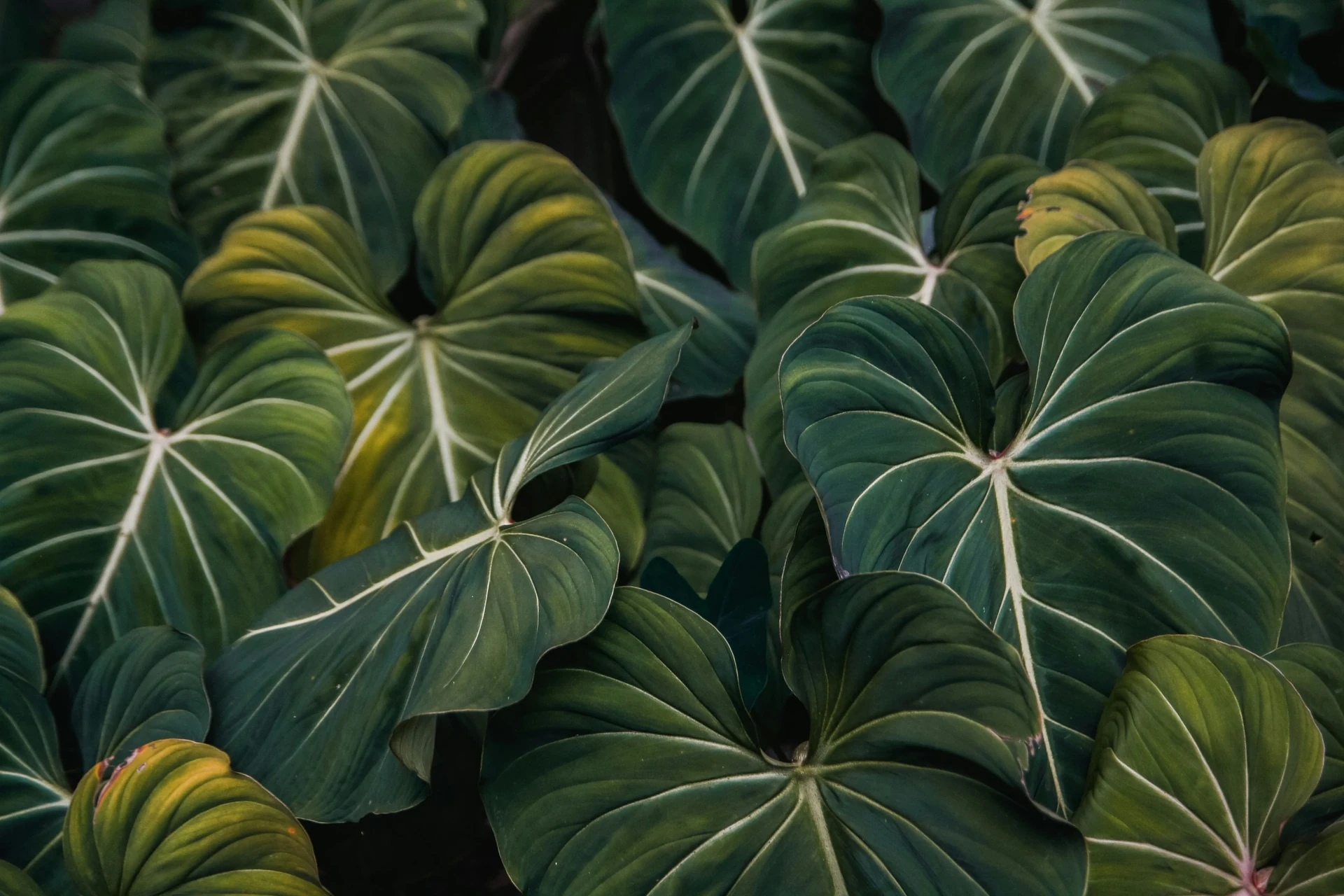
The Philodendron gloriosum is one of the most highly sought-after aroids in the world. Native to the rainforests of Colombia, it features massive, perfectly heart-shaped leaves with a deep, matte velvet texture and striking white or pinkish veins. When grown well, a single leaf can reach the size of a dinner plate.
However, many new owners accidentally kill this plant within months by treating it like a standard houseplant. The Gloriosum is an obligate crawler. In the wild, it creeps horizontally across the forest floor like a snake, rather than climbing up trees. If you put it in a standard round pot, it will quickly hit the edge, bend over the side, and stop growing. Understanding how to properly pot and position a crawling rhizome is the absolute key to success with this spectacular plant.
The Secret to Planting: Don't Bury the Rhizome!
The biggest mistake growers make is burying the main, thick stem (the rhizome) under the soil. If the rhizome is buried, it will trap moisture and rot completely through, killing the plant within weeks.
The rhizome must lay entirely on top of the soil, exposed to the air, like a log lying on the ground. Only the thin roots extending downward from the rhizome should be buried. Furthermore, because it crawls horizontally, you must use a long, rectangular planter (such as a window box). Place the back of the rhizome against the short end of the box, allowing the growing tip plenty of runway to crawl across the soil surface.
Light Requirements
To produce its massive, dark green leaves, the Gloriosum requires bright, indirect light. An east-facing window is perfect. The velvet texture of the leaves makes them highly susceptible to scorching; if placed in direct afternoon sun, the foliage will bleach and burn within days. If the plant is kept in too dark of a corner, the new leaves will become progressively smaller, and the distance between nodes will stretch out unpleasantly.
Watering and Soil
Water the plant thoroughly when the top 2 inches of the soil feel dry. When watering, try to avoid splashing water directly onto the velvet leaves, as standing water droplets can lead to fungal spotting.
Because it is an aroid, it requires extremely fast-draining soil. Standard potting soil will suffocate the roots. You must create a chunky aroid mix by combining a high-quality potting base with generous amounts of coarse orchid bark, perlite, and horticultural charcoal. This ensures excess water drains away instantly.
Temperature and Humidity
The Gloriosum thrives in warm, humid environments. Keep temperatures between 65°F and 85°F (18°C - 29°C) and protect it from cold drafts. While it will survive in average household humidity (around 40%), the massive leaves will struggle to unfurl properly if the air is too dry, often resulting in torn or deformed new growth. Aim to keep the humidity around 60% using a room humidifier during the winter heating season.
Fertilizing
Pushing out dinner-plate-sized leaves requires significant energy. Fertilize the plant every two weeks during the active spring and summer growing seasons using a high-nitrogen liquid fertilizer diluted to half-strength. Do not fertilize during the winter when growth naturally slows down.
Toxicity
Like all Philodendrons, the Gloriosum contains insoluble calcium oxalate crystals. It is highly toxic to both cats and dogs. Because it sits low in a crawling planter, it is often right at pet eye-level, so extra precautions must be taken to ensure pets do not chew on the thick stems or velvety leaves.
Calculator
Interactive Calculators for Philodendron Gloriosum
Recommended next actions
Next Best Actions
Use calculators and guides to turn this plant profile into a practical care routine.
Topic Guide
Watering
Learn everything about watering for your indoor and aquarium plants. Expert care tips, troubleshooting, and related guides.
Guide
Stem Rot vs Root Rot: How to Tell the Difference
With over 15 years of indoor plant diagnostics and more than 3,000 rot and fungal collapse cases assessed across aroids, succulents, and tropical houseplants, we've built a three-way framework that distinguishes stem rot, root rot, and crown rot by their above-soil presentation alone — so you know within minutes whether rescue is viable and exactly what to do.
Topic Guide
Root Rot
Learn how to identify and treat root rot in houseplants. Discover causes, symptoms, and step-by-step solutions to save your plants from overwatering.
Structured Plant Data
Plant Data Profile
The following data is extracted directly from our botanical knowledge graph for accuracy and transparency.
Growth Characteristics
Growth Rate
moderate
Mature Height
2-3 feet tall
Mature Spread
3-5 feet wide (creeping)
Life Cycle
Perennial
Flowering Season
Rarely flowers indoors
Container Friendly
yes
Indoor Capable
yes
Environmental Parameters
| Parameter | Recommended | Survivable |
|---|---|---|
| Temperature | 65°F - 85°F (18°C - 29°C) | 55°F - 90°F (13°C - 32°C) |
| Humidity | 60% - 80% | 40% - 90% |
| Soil PH | 5.5 - 6.5 | 5.0 - 7.0 |
Lighting
Description
Requires bright, indirect light to produce its massive leaves. Direct sun will instantly bleach and scorch the delicate velvet foliage.
Nutrients
Nitrogen Demand
high
Phosphate Demand
low
Potassium Demand
moderate
Micronutrient Notes
Requires heavy nitrogen to support the massive, dark green leaves.
Fertilizer Frequency
Every two weeks during the growing season with a diluted liquid fertilizer.
Organic Options
Top dressing of worm castings.
Relationships
-
Root Rot
Vulnerability | Strength 9
Highly susceptible to rhizome rot. The thick main stem MUST sit on top of the soil, not buried beneath it.
Crawling vs. Climbing Philodendron Comparison
| Plant | Growth Habit | Support Needed |
|---|---|---|
| Gloriosum | Horizontal Crawler | Long Rectangular Planter |
| Melanochrysum | Vertical Climber | Tall Moss Pole |
| Pink Princess | Upright / Scrambling | Stakes or Trellis |
Troubleshooting & Diagnostics Guide
1 Why is my Philodendron Gloriosum rotting at the base?
Diagnosis: Buried rhizome – the stem must sit on top of the soil
Treatment: Unpot, remove rotten parts, lay rhizome horizontally on soil surface with roots buried.
Prevention: Keep rhizome exposed; only roots underground.
2 Why are the leaves on my Gloriosum turning yellow?
Diagnosis: If oldest leaf, normal senescence; if multiple, overwatering
Treatment: If multiple, reduce watering; check roots for rot.
Prevention: Water when top inch is dry.
Authoritative Resources
For additional peer-reviewed information on plant diseases, toxicity, and care, consult these trusted botanical and agricultural extensions:
Glossary of Terms
- Rhizome
- A continuously growing horizontal main stem that puts out roots below and leaves above. In the Gloriosum, this must sit above the soil line to prevent rot.
- Crawler
- A plant growth habit where the stem creeps horizontally along the ground, rather than climbing vertically up a tree.
Frequently Asked Questions
Why is my Philodendron Gloriosum rotting at the base?
Why are the leaves on my Gloriosum turning yellow?
Can I put my Philodendron Gloriosum on a moss pole?
What kind of pot does a Philodendron Gloriosum need?
Is the Philodendron Gloriosum toxic to pets?
Sources & References
-
Source: powo.science.kew.org
-
Source: aroid.org
Explore More