Caladium Care: Surviving the Winter Dormancy
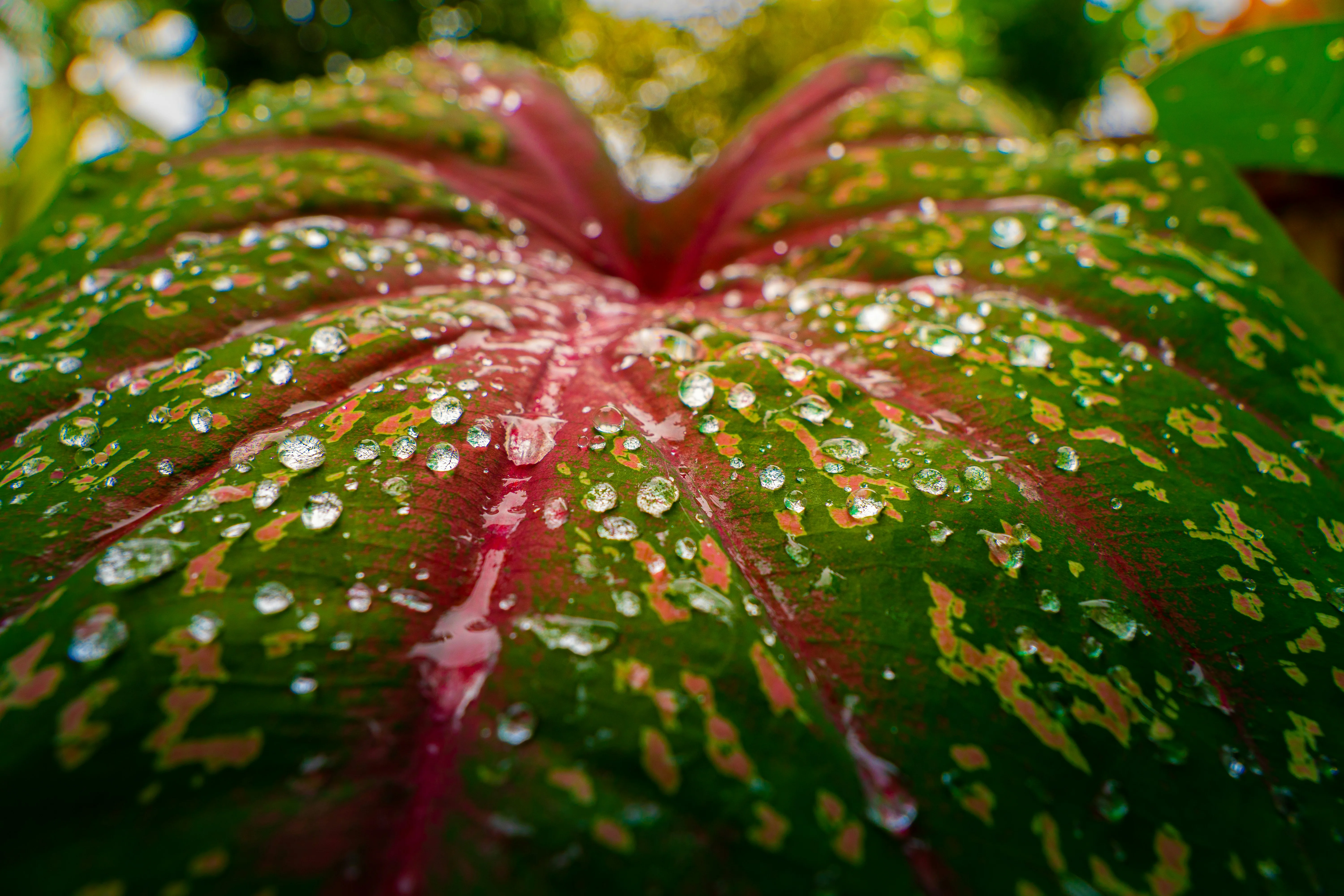
The Caladium (Angel Wings) produces massive, paper-thin leaves painted in neon reds, pinks, and whites. It is famous for dying back to the soil every winter and resurrecting from its bulb every spring.
-
Difficulty
advanced
-
Light
Requires bright, indirect light to produce intensely colored red, pink, and white leaves. However, the paper-thin leaves will scorch instantly in direct afternoon sun.
-
Temperature
70°F - 85°F (21°C - 29°C)
-
Growth
fast
-
Humidity
50% - 70%
-
pH range
5.5 - 6.5
-
Biggest Owner Mistake
Continuing to water when the plant dies back in autumn—caladiums naturally go fully dormant in winter even indoors, and watering a resting tuber causes it to rot. Many owners throw out a perfectly healthy tuber thinking the plant has died.
-
What Nobody Tells You
The more bright (but indirect) light it receives, the more translucent and 'stained glass' the paper-thin leaves become—this is the plant at its most beautiful. However, direct sun burns the delicate leaves within a single afternoon.
-
Real Home Conditions
In air-conditioned rooms below 65°F, leaves droop and colors fade rapidly because caladiums need warmth above 70°F to hold their leaves upright. High humidity is equally important—without it, the thin leaves dry out from the edges inward.
Quick Answer
The Caladium requires bright, indirect light and constantly moist soil during the summer. In autumn, it will naturally drop all its leaves and go dormant; stop watering completely and store the dry bulb until spring returns. We have found that maintaining a consistent care routine significantly improves the long-term health of the plant.
Key Takeaways
- Provide bright, indirect sunlight to maintain intense pink, red, and white leaf colors.
- Keep the substrate consistently moist throughout the warm summer growing season.
- Maintain high humidity and shield delicate, paper-thin leaves from direct sun.
- Withhold water in autumn to allow tubers to enter their natural winter dormancy.
Overview
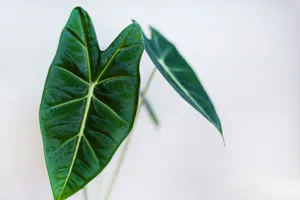
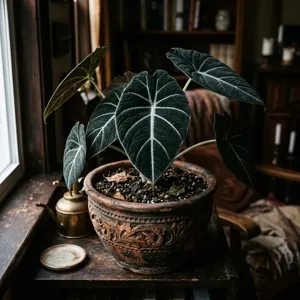
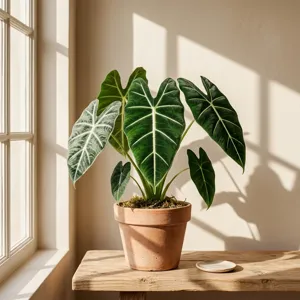
The Caladium, commonly known as Angel Wings or the Heart of Jesus, produces some of the most spectacularly colorful foliage in the entire plant kingdom. Native to the tropical rainforests of South America, it grows massive, paper-thin, arrow-shaped leaves that look like stained glass. The leaves are wildly painted in intense shades of neon pink, deep ruby red, brilliant white, and dark green.
While they are frequently grown outdoors in summer shade gardens, they make breathtaking indoor statement plants. However, growing a Caladium indoors requires understanding a critical aspect of their biology: they are not evergreen. They grow from an underground tuber (bulb). They put on a massive, explosive show of color all summer long, and then completely die back to the soil to sleep all winter. You must understand this dormancy cycle, or you will accidentally throw a perfectly healthy sleeping bulb into the trash.
The Winter Dormancy Panic
Every autumn, thousands of new Caladium owners panic. As the days grow shorter and temperatures drop slightly, the massive, beautiful leaves will begin to droop, turn yellow, and die one by one. The plant looks like it is failing.
Do not water it more. Do not fertilize it. The plant is simply going to sleep.
This is a natural, unavoidable dormancy. Once all the leaves have died, cut them off at the soil line. Stop watering completely. If you water the dormant bulb in the winter, it will rot and turn to mush. Store the dry pot in a warm, dark closet (above 65°F). In the spring, bring the pot back to a bright window, begin watering again, and within a few weeks, brand new spears will shoot up from the soil to start the cycle over.
Light Requirements: Fueling the Color
To produce their shocking neon colors, Caladiums require very bright, indirect light. An east-facing window is ideal. If you place the plant in a dark room, the leaves will emerge mostly green and leggy.
However, the leaves are literally paper-thin. They have absolutely zero protection against harsh heat. If you place a Caladium in a west or south-facing window with direct afternoon sun, the leaves will instantly scorch, bleach out, and develop massive, crispy brown burn holes.
Watering and Humidity (During Summer)
During their active summer growing phase, Caladiums are incredibly thirsty. The massive leaves transpire water rapidly. You must keep the soil evenly moist at all times. Water thoroughly the moment the top inch of the soil feels dry. If the soil dries out completely, the plant will collapse dramatically onto the floor.
They also require high humidity. If the indoor air drops below 50% humidity, the delicate edges of the leaves will crisp up. Keep the plant near a room humidifier or in a bright, humid bathroom.
Soil and Potting
Because they need to stay moist but rot easily, the soil must be rich but well-draining. A high-quality potting mix heavily amended with peat moss for moisture retention and perlite for drainage is perfect. Because they grow from bulbs, they prefer a wide, shallow pot rather than a deep one.
Toxicity
Caladiums belong to the Araceae family and are packed with insoluble calcium oxalate crystals. They are highly toxic to cats, dogs, and humans. If a pet bites into a leaf or stem, the microscopic crystals embed in the mouth and throat, causing immediate, excruciating pain, severe swelling, and vomiting. Keep them safely out of reach.
Calculator
Interactive Calculators for Caladium Bicolor
Recommended next actions
Next Best Actions
Use calculators and guides to turn this plant profile into a practical care routine.
Topic Guide
Watering
Learn everything about watering for your indoor and aquarium plants. Expert care tips, troubleshooting, and related guides.
Guide
Yellow Houseplant Leaves: Diagnose & Fix Guide 2026
After diagnosing hundreds of yellow-leaf cases across dozens of plant species, we've mapped the ten distinct causes that look nearly identical at first glance — and built the only systematic guide that tells you not just what's wrong, but exactly how to confirm it and fix it.
Guide
Wilting Houseplants: Is it Thirsty, Drowning, or Dying?
As horticulturists, we've found that the biggest mistake indoor gardeners make when seeing a wilted plant is blindly reaching for the watering can. We use a simple diagnostic matrix based on turgor pressure to determine exactly why a plant has collapsed.
Topic Guide
Root Rot
Learn how to identify and treat root rot in houseplants. Discover causes, symptoms, and step-by-step solutions to save your plants from overwatering.
Structured Plant Data
Plant Data Profile
The following data is extracted directly from our botanical knowledge graph for accuracy and transparency.
Growth Characteristics
Growth Rate
fast
Mature Height
1-2 feet indoors
Mature Spread
1-2 feet wide
Life Cycle
Perennial (with winter dormancy)
Flowering Season
Summer (produces a spathe and spadix, but grown for foliage)
Container Friendly
yes
Indoor Capable
yes
Environmental Parameters
| Parameter | Recommended | Survivable |
|---|---|---|
| Temperature | 70°F - 85°F (21°C - 29°C) | 65°F - 95°F (18°C - 35°C) |
| Humidity | 50% - 70% | 40% - 80% |
| Soil PH | 5.5 - 6.5 | 5.0 - 7.0 |
Lighting
Description
Requires bright, indirect light to produce intensely colored red, pink, and white leaves. However, the paper-thin leaves will scorch instantly in direct afternoon sun.
Nutrients
Nitrogen Demand
moderate
Phosphate Demand
low
Potassium Demand
moderate
Micronutrient Notes
Requires regular feeding during the summer to fuel its rapid, massive leaf growth.
Fertilizer Frequency
Every two weeks during the active summer growing season with a liquid fertilizer.
Organic Options
Heavy top-dressing of worm castings when planting the bulb.
Relationships
-
Root Rot
Vulnerability | Strength 9
The underground bulb will rot into mush if watered during its winter dormancy.
Caladium Cultivar Comparison
| Variety | Leaf Color | Pattern |
|---|---|---|
| Carolyn Whorton | Neon pink center | Green margins, red veins |
| Candidum | Pure white | Dark green veins |
| Florida Sweetheart | Rosy red | Ruffled green edges |
Troubleshooting & Diagnostics Guide
1 Why is my Caladium drooping and dying in the fall?
Diagnosis: Natural dormancy – the plant enters winter rest
Treatment: Stop watering, allow the foliage to die back, and store the tubers in a dry, cool place until spring. Do not throw the plant away.
Prevention: Ensure proper dormancy period; resume watering in spring when new growth appears.
2 Why are the leaves on my Caladium turning pale and losing their red color?
Diagnosis: Insufficient light – lack of pigmentation
Treatment: Move the plant to a brighter location with bright indirect light; direct sun can scorch, so filtered light is best.
Prevention: Provide bright indirect light for at least 6 hours daily.
3 Why are the leaves getting crispy brown spots?
Diagnosis: Sunburn from direct sunlight
Treatment: Move to a spot with filtered or indirect light; trim severely damaged leaves.
Prevention: Avoid direct afternoon sun; use sheer curtains to diffuse light.
Authoritative Resources
For additional peer-reviewed information on plant diseases, toxicity, and care, consult these trusted botanical and agricultural extensions:
Glossary of Terms
- Dormancy
- A period in a plant's life cycle when growth temporarily stops. Caladiums drop all their leaves and "sleep" underground as a bulb for the entire winter.
- Tuber/Bulb
- A thickened underground part of a stem that stores nutrients and energy, allowing the plant to survive its winter dormancy without leaves.
Frequently Asked Questions
Why is my Caladium drooping and dying in the fall?
How do I care for my Caladium during winter?
Why are the leaves on my Caladium turning pale and losing their red color?
Why are the leaves getting crispy brown spots?
Is the Caladium toxic to pets?
Sources & References
-
Source: powo.science.kew.org
-
Source: edis.ifas.ufl.edu
Explore More