Topic Guide
foundationWinter Dormancy Explained: Plant Care, Watering & Fertilizer Guide
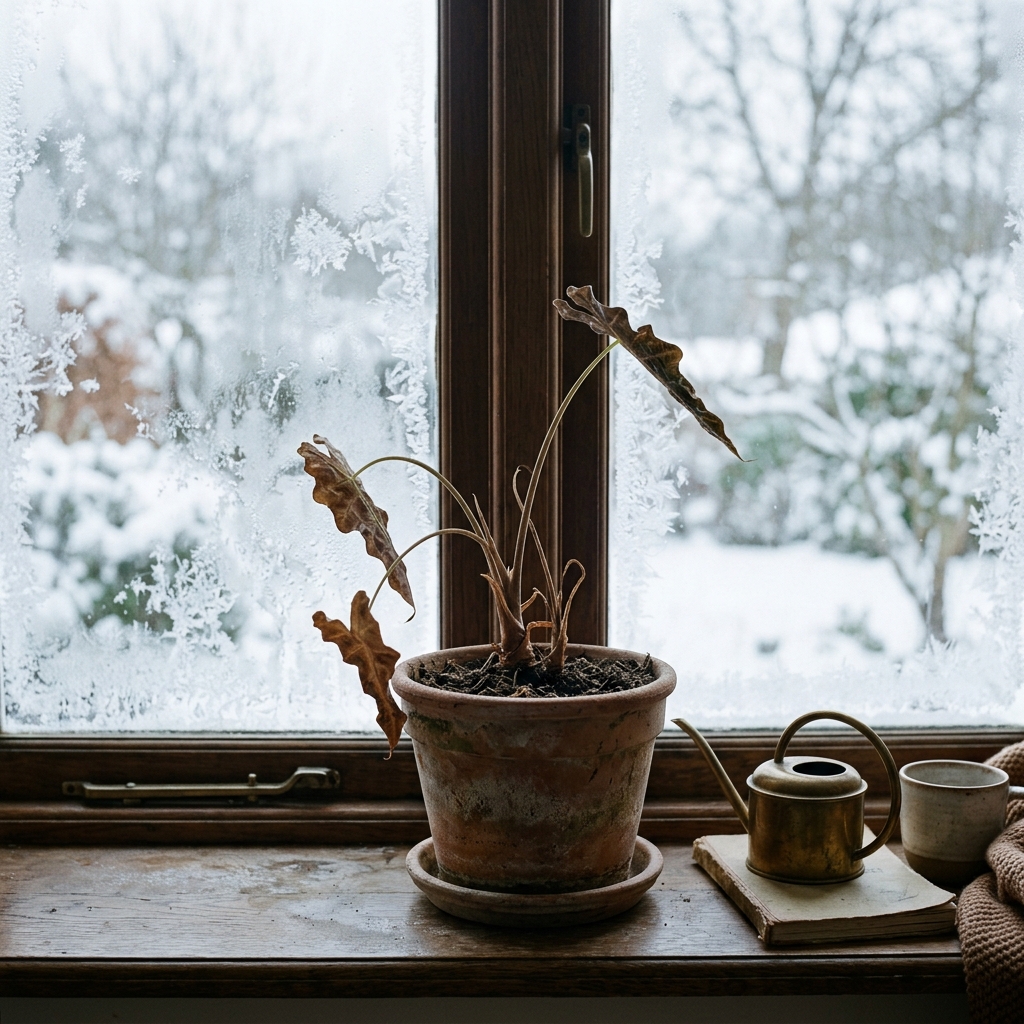
Winter dormancy is a natural resting period during which many plants slow or temporarily stop active growth in response to shorter daylight hours, cooler temperatures, and seasonal changes. During dormancy, plants require less water, little or no fertilizer, and minimal disturbance until active growth resumes in spring.
Quick Answer
Winter dormancy is a natural resting period during which many plants slow or temporarily stop active growth in response to shorter daylight hours, cooler temperatures, and seasonal changes. During dormancy, plants require less water, little or no fertilizer, and minimal disturbance until active growth resumes in spring.
Symptoms
- Slow or no new leaves: Growth pauses or slows dramatically as the plant conserves energy. New leaf production may stop entirely for deciduous species or slow to a crawl for tropical houseplants.
- Reduced water uptake: Soil stays moist much longer between waterings because transpiration drops with reduced metabolic activity. A pot that dried in 5 days may now take 2–3 weeks.
- Leaf drop: Normal for many deciduous species and some evergreen houseplants as they reallocate resources. Should be gradual, starting with older leaves, and symmetrical across the plant.
- Slower or paused flowering: Flower production pauses during dormancy. Some spring-blooming species set buds in autumn that remain dormant until vernalization triggers opening.
- Dull or darker foliage: Some plants develop deeper green or slightly duller leaves as chlorophyll concentration shifts and protective wax deposition increases.
- Firm but non-turgid stems: Stems remain firm and pliable but may lose some turgor compared to active growth. This is normal; mushy or shriveled stems indicate a problem.
Common Causes
- Shorter daylight hours: Reduced photoperiod is the most reliable dormancy trigger. Plants detect day length changes through phytochrome proteins, initiating hormonal shifts that suppress growth.
- Lower temperatures: Cooling soil and air temperatures reduce enzymatic activity and metabolic rate. Many temperate species require a chilling period to break dormancy in spring.
- Seasonal adaptation: Dormancy is an evolutionary survival strategy that prevents energy investment in vulnerable new growth when frost, snow, and ice would destroy it.
- Reduced photosynthesis: Lower light intensity and shorter days decrease photosynthetic output. With less sugar production, plants shift from growth mode to energy conservation mode.
- Increased abscisic acid: The plant hormone abscisic acid (ABA) rises in autumn, suppressing cell division, promoting cold hardiness, and in deciduous species, triggering leaf abscission.
Prevention
- Adjust watering before dormancy begins: Start reducing watering frequency in autumn as days shorten, rather than waiting for symptoms. This prevents the root rot that commonly occurs when summer watering habits continue into dormancy.
- Gradually reduce fertilizer: Taper fertilizing in late autumn rather than stopping abruptly. This allows plants to absorb remaining nutrients and transition smoothly into conservation mode.
- Maintain stable temperatures: Avoid placing dormant plants near cold drafts, hot radiators, or heat vents. Temperature fluctuations stress plants and can break dormancy prematurely or cause cold damage.
- Provide adequate light: Move plants to the brightest available location. Clean leaves to maximize light absorption. Consider supplemental grow lights for light-demanding species in dim winter conditions.
- Monitor for pests monthly: Dormant plants are weakened and pests can establish before visible damage appears. Inspect leaf undersides, stems, and soil surface regularly.
Best Practices
- Reduce watering frequency: Allow soil to dry significantly more between waterings. Check moisture with a finger or meter before watering. Dormant roots in wet soil rot quickly.
- Stop or reduce fertilizing: Pause feeding for deeply dormant plants. Reduce by 50–75% for tropical houseplants in light dormancy. Unused salts damage roots when uptake is minimal.
- Provide maximum available sunlight: Move plants to south-facing windows (Northern Hemisphere) or supplement with grow lights. Winter light is weak and brief—every photon counts.
- Keep plants away from cold drafts and heat sources: Stable, cool temperatures (60–65°F / 15–18°C) are ideal. Avoid windowsills with freezing night temperatures and radiators that desiccate foliage.
- Monitor for pests despite slower growth: Spider mites thrive in dry winter air. Scale and mealybugs exploit weakened plants. Inspect monthly and treat early.
- Increase humidity if indoor heating dries the air: Use pebble trays, humidifiers, or plant grouping to maintain 40–50% relative humidity. Reduce misting to prevent fungal issues in cool stagnant air.
- Resume feeding only after active growth returns: Wait for visible new leaves, bud swell, or faster soil drying before resuming full watering and fertilizing schedules. Calendar dates are unreliable indicators.
What Is Winter Dormancy?
Winter dormancy is a genetically programmed, environmentally triggered state of reduced metabolic activity that allows plants to survive unfavorable winter conditions. It is not a sign of poor health—it is an adaptive survival strategy. During dormancy, plants downregulate photosynthesis, cellular respiration, nutrient uptake, and meristematic activity (cell division at growing points). Energy is conserved in roots and stems rather than allocated to new leaves, flowers, or fruit.
The intensity and duration of dormancy vary dramatically by species. Deciduous trees and shrubs drop their leaves and enter deep dormancy. Many herbaceous perennials die back to the root crown. Tropical houseplants grown in temperate climates often enter a lighter, facultative dormancy driven primarily by reduced indoor light levels and dry heated air. Succulents and cacti may enter a partial dormancy even indoors. Understanding your specific plant's dormancy pattern is essential for adjusting care correctly.
What Triggers Winter Dormancy?
Dormancy is initiated by a combination of environmental cues that signal the approach of winter. These triggers work synergistically and are often species-specific.
Shorter Daylight Hours (Photoperiod)
Photoperiod—the length of day versus night—is the most reliable and universal dormancy trigger. As days shorten in autumn, plants detect the change through photoreceptor proteins (phytochromes and cryptochromes). This signal initiates hormonal changes, including increased abscisic acid (ABA) production, which suppresses growth and promotes cold hardiness. Even indoor plants near windows experience reduced photoperiod and may respond with slower growth.
Lower Temperatures
Cooling soil and air temperatures reduce enzymatic activity and metabolic rate. For many temperate species, exposure to a period of chilling (typically 32–45°F / 0–7°C) is required to break dormancy in spring—a process called vernalization. Without adequate chilling hours, some fruit trees and bulbs fail to flower properly the following season.
Reduced Photosynthesis
Lower light intensity and shorter days decrease photosynthetic output. With less sugar production, plants cannot sustain active growth and instead shift to energy conservation mode. Chlorophyll may break down in some species, contributing to autumn leaf color changes and eventual leaf abscission.
Seasonal Adaptation and Evolution
Dormancy is an evolutionary adaptation that prevents plants from investing energy in vulnerable new growth when frost, snow, and ice would destroy it. By pausing growth and hardening tissues, plants survive until favorable conditions return. This is why attempting to force growth during dormancy with fertilizer and warmth often weakens the plant rather than helping it.
Signs Your Plant Is Entering Dormancy
Recognizing dormancy symptoms prevents panic and misdiagnosis. The key is that dormancy symptoms are gradual, symmetrical, and seasonal, whereas disease or pest damage is often sudden, asymmetrical, or off-season.
Slow or Stopped New Growth
The most reliable indicator is the cessation of new leaf, stem, or flower production. Growth rate declines over several weeks rather than stopping abruptly. For fast-growing tropicals like pothos or monstera, even a single new leaf per month in winter may represent dormancy-level slowdown.
Reduced Water Uptake
Soil stays moist much longer between waterings. A pot that dried every 5–7 days in summer may now take 2–3 weeks to dry. This is because transpiration (water loss through leaves) drops dramatically with reduced metabolic activity and often lower indoor humidity.
Leaf Yellowing and Drop
For deciduous species, yellowing followed by leaf drop is normal and expected. For evergreen houseplants, some older leaf yellowing may occur as the plant reallocates resources. However, massive leaf drop or yellowing of new growth is not normal dormancy and indicates a problem.
Dull or Darker Foliage
Some plants develop deeper green or slightly duller leaves in winter as chlorophyll concentration changes and wax deposition increases for cold protection.
Flower Production Pauses
Most flowering plants stop producing buds during dormancy. Some spring-blooming bulbs and trees actually set flower buds in autumn that remain dormant until spring—this is a specialized form of dormancy called endodormancy.
How to Care for Dormant Plants
Watering Adjustments
Reduce watering frequency by 30–70% depending on the species and your indoor environment. Always check soil moisture before watering—do not water on a schedule. For succulents and cacti, watering may drop to once every 4–8 weeks. For tropical foliage plants, allow the top 1–2 inches of soil to dry completely. Never let pots sit in standing water; dormant roots are highly susceptible to rot.
Fertilizing Adjustments
Stop fertilizing entirely for plants in deep dormancy (deciduous trees, bulbs, temperate perennials). For tropical houseplants in light dormancy, reduce fertilizing by 50–75% or pause entirely from November through February. Unused fertilizer salts accumulate in soil when plants cannot absorb them, causing root burn and compounding stress. Resume normal feeding only after you see active new growth in spring—not just when the calendar says spring.
Light Optimization
Move plants to the brightest available window. South-facing windows provide the most winter light in the Northern Hemisphere; north-facing in the Southern Hemisphere. Clean dust from leaves to maximize light absorption. If natural light is severely limited (below 8 hours of effective daylight), consider supplemental grow lights to prevent etiolation (stretching) in light-demanding species.
Temperature and Draft Management
Most dormant houseplants prefer cooler temperatures than during active growth—typically 60–65°F (15–18°C) rather than 70–75°F (21–24°C). Cooler nights (55–60°F / 13–15°C) can actually improve dormancy quality for many species. Keep plants away from cold drafts, hot radiators, and heat vents, which cause temperature shock and desiccation.
Humidity Considerations
Indoor heating often drops relative humidity below 30%, which stresses tropical plants even in dormancy. Increase humidity to 40–50% using pebble trays, humidifiers, or grouping plants. However, reduce misting frequency since wet foliage combined with cool, stagnant air encourages fungal diseases.
Pruning and Maintenance
Avoid heavy pruning during dormancy, as plants cannot compartmentalize wounds or generate callus tissue efficiently. Remove only dead, diseased, or damaged material. Save structural pruning and rejuvenation cuts for late winter or early spring, just before growth resumes.
Repotting
Do not repot dormant plants unless absolutely necessary (e.g., root rot emergency). Root disturbance during dormancy breaks fragile dormant roots, introduces pathogens into slow-healing wounds, and stresses a plant already operating on minimal energy reserves. Wait until you see active new root growth—usually indicated by new shoot growth—in spring.
Pest Monitoring
Dormant plants are not pest-proof. Spider mites, scale, mealybugs, and fungus gnats can still infest weakened plants. Inspect monthly, especially leaf undersides and stem joints. Reduced growth means pests can establish before you notice damage, so early detection is critical.
Dormancy vs. Dying: How to Tell the Difference
| Sign | Dormancy | Dying / Problem |
|---|---|---|
| Timing | Gradual onset in autumn/winter | Sudden or off-season |
| Leaf drop | Older leaves first, symmetrical | New leaves first, patchy or one-sided |
| Stem condition | Firm, pliable, green or woody | Mushy, shriveled, blackened, or brittle |
| Root condition | White or tan, firm | Brown, black, mushy, or foul-smelling |
| Odor | Earthy, normal | Sour, rotten, or alcoholic |
| Response to gentle scratch | Green cambium layer beneath bark | Brown, dry cambium |
| Pattern | Affects entire plant uniformly | Affects one branch or section first |
If you are unsure, perform a cambium scratch test on woody plants: gently scratch the bark with a fingernail. Green tissue beneath indicates life; brown, dry tissue suggests dieback. For herbaceous plants, check roots by gently removing the plant from its pot—healthy dormant roots are firm and light-colored.
When Does Dormancy End?
Dormancy breaks when environmental cues reverse: days lengthen, temperatures rise, and soil warms. The exact timing varies by latitude, microclimate, and species. For indoor plants, dormancy may end earlier if placed in a warm, bright location, or later if kept cool and dim.
Signs that dormancy is ending:
- New bud swell or leaf unfurling
- Increased water uptake (soil dries faster)
- Root tips visible at drainage holes
- Resumption of flower bud development
Wait until you see consistent new growth before resuming full watering and fertilizing schedules. Premature feeding forces weak, leggy growth that lacks the structural strength of naturally timed spring growth.
Species-Specific Dormancy Notes
Deciduous Trees and Shrubs (Outdoor)
Enter deep endodormancy requiring chilling hours. Do not fertilize. Water only during extended dry spells when soil is not frozen. Apply mulch to insulate roots and regulate soil temperature.
Tropical Houseplants (Ficus, Pothos, Monstera, Philodendron)
Enter facultative dormancy driven by light reduction. Reduce watering and pause fertilizing. Maintain humidity. Expect slower growth but not complete cessation.
Succulents and Cacti
Many enter dormancy even indoors when light drops. Reduce watering dramatically—some species need virtually no water for 2–3 months. Cooler temperatures (50–55°F / 10–13°C) enhance dormancy quality.
Spring Bulbs (Tulips, Daffodils, Hyacinths)
Require a chilling period (12–16 weeks at 35–45°F / 2–7°C) to break dormancy and flower. Without adequate cold, they may produce leaves but no flowers.
Herbaceous Perennials
Die back to the root crown. Cut dead foliage after it has fully browned. Mulch heavily in cold climates to protect the crown from freeze-thaw cycles.
Citrus and Subtropicals
May enter partial dormancy or simply slow growth. Reduce watering and fertilizing but do not allow severe dehydration. Protect from frost.
Can Grow Lights Prevent Dormancy?
Supplemental lighting can delay or lighten dormancy in some tropical houseplants by extending the effective photoperiod, but it rarely prevents it entirely if other cues (temperature, humidity, natural seasonal rhythms) are present. Forcing a plant to skip dormancy year after year exhausts energy reserves and reduces long-term vigor. A brief dormancy period is beneficial for most plants, allowing them to reset hormonal balances and build reserves for the next growing season.
Frequently Asked Questions
What is winter dormancy?
Winter dormancy is a natural resting period during which many plants slow or temporarily stop active growth in response to shorter daylight hours, cooler temperatures, and seasonal changes. It is an adaptive survival strategy, not a sign of poor health.
Do all houseplants become dormant?
No. Many tropical houseplants enter a lighter, facultative dormancy driven primarily by reduced indoor light levels and dry heated air, but they do not enter the deep dormancy of deciduous outdoor plants. Some tropicals grown under consistent grow lights and stable temperatures may show minimal dormancy symptoms.
Should I fertilize during winter?
Generally no. Dormant plants cannot absorb nutrients efficiently, and unused fertilizer salts accumulate in soil causing root burn. Stop fertilizing deciduous and deeply dormant plants entirely. For tropical houseplants in light dormancy, reduce feeding by 50–75% or pause from November through February. Resume only after active new growth appears in spring.
Should I water less in winter?
Yes. Reduce watering frequency by 30–70% depending on the species. Dormant plants transpire far less water, so soil stays moist longer. Always check soil moisture before watering rather than following a schedule. Succulents and cacti may need water only once every 4–8 weeks.
Can I repot during dormancy?
Only in emergencies such as root rot. Repotting disturbs fragile dormant roots, introduces pathogens, and stresses plants operating on minimal energy reserves. Wait until you see active new growth and root development in spring. If you must repot, disturb roots as little as possible and avoid fertilizing afterward.
Why did my plant stop growing?
If it is autumn or winter, reduced growth is likely normal dormancy triggered by shorter days and cooler temperatures. If growth stopped suddenly in spring or summer, investigate root health, pests, watering issues, or nutrient deficiencies. Dormancy is gradual and seasonal; problems are often sudden.
Why are leaves dropping in winter?
For deciduous species, leaf drop is normal dormancy. For evergreens, some older leaf yellowing and drop is expected as the plant reallocates resources. However, massive leaf drop, yellowing of new growth, or one-sided drop indicates a problem such as overwatering, root rot, pests, or cold damage.
How do I know if my plant is dormant or dying?
Check the stems and roots. Dormant plants have firm stems and light-colored, firm roots. Dying plants have mushy, blackened, or shriveled stems and brown, rotten roots. Perform a cambium scratch test on woody plants—green tissue beneath the bark means the plant is alive. Dormancy symptoms are gradual and symmetrical; decline from disease is often sudden and patchy.
When should I resume fertilizing?
Resume fertilizing only after you observe consistent active new growth—new leaves unfurling, buds swelling, or increased water uptake. Do not fertilize based on the calendar alone. Premature feeding forces weak, leggy growth that lacks structural strength.
Can grow lights prevent dormancy?
Grow lights can delay or lighten dormancy in some tropical houseplants by extending the effective photoperiod, but they rarely prevent it entirely if temperature and humidity still signal winter. Forcing a plant to skip dormancy year after year exhausts energy reserves. A brief dormancy period is beneficial for resetting hormonal balances.
Should I prune dormant plants?
Avoid heavy pruning during dormancy. Plants cannot efficiently compartmentalize wounds or generate callus tissue when metabolism is low. Remove only dead, diseased, or damaged material. Save structural pruning for late winter or early spring, just before growth resumes.
Do dormant plants need humidity?
Yes. Indoor heating often drops humidity below 30%, which stresses tropical plants even in dormancy. Maintain 40–50% relative humidity using pebble trays, humidifiers, or plant grouping. However, reduce misting since wet foliage in cool, stagnant air encourages fungal diseases.
Related Plant Guides
No specific plant guides found matching this topic.
Recommended next actions
Continue Exploring
Dive deeper into related plant care tools and profiles.
Calculator
Plant Watering Calculator: How Often to Water
Calculate the correct watering frequency for your plant based on species, pot size, soil type, season, and climate.
Calculator
Plant Fertilizer Calculator: Right Dose for Every Plant
Calculate the exact fertilizer dose and feeding schedule for your plant based on species, pot size, growth stage, and season.
Calculator
Repotting Calculator: Does Your Plant Need a Bigger Pot?
Find out if your plant needs repotting now and get the correct new pot size based on species, current pot size, and root health indicators.
Calculator
Plant Growth Calculator: Predict Germination & Bloom Dates
Predict your plant's growth milestones and generate a personalized care calendar based on species, climate, and current conditions.
Calculator
Plant Humidity Calculator: Right Levels for Tropical Plants
Assess your home's current humidity and get specific improvement recommendations for tropical houseplants like Calatheas, Orchids, and Ferns.
Guide
Winter Plant Care: What to Do With Your Plants Indoors
Winter changes everything for plants: light drops, air dries out, and soil stays wet longer. This guide shows how to adjust care so your plants stay steady through the cold season. From watering to humidity, we cover it all.