Fertilization 3 min read

How to Use Eggshells as Fertilizer for Plants

By PlantSolve Editorial Team

Coffee grounds and eggshells can help, but not in the way many people think. This guide explains when to compost them, when to use them directly, and when to skip them entirely. Learn the science and the best practices.
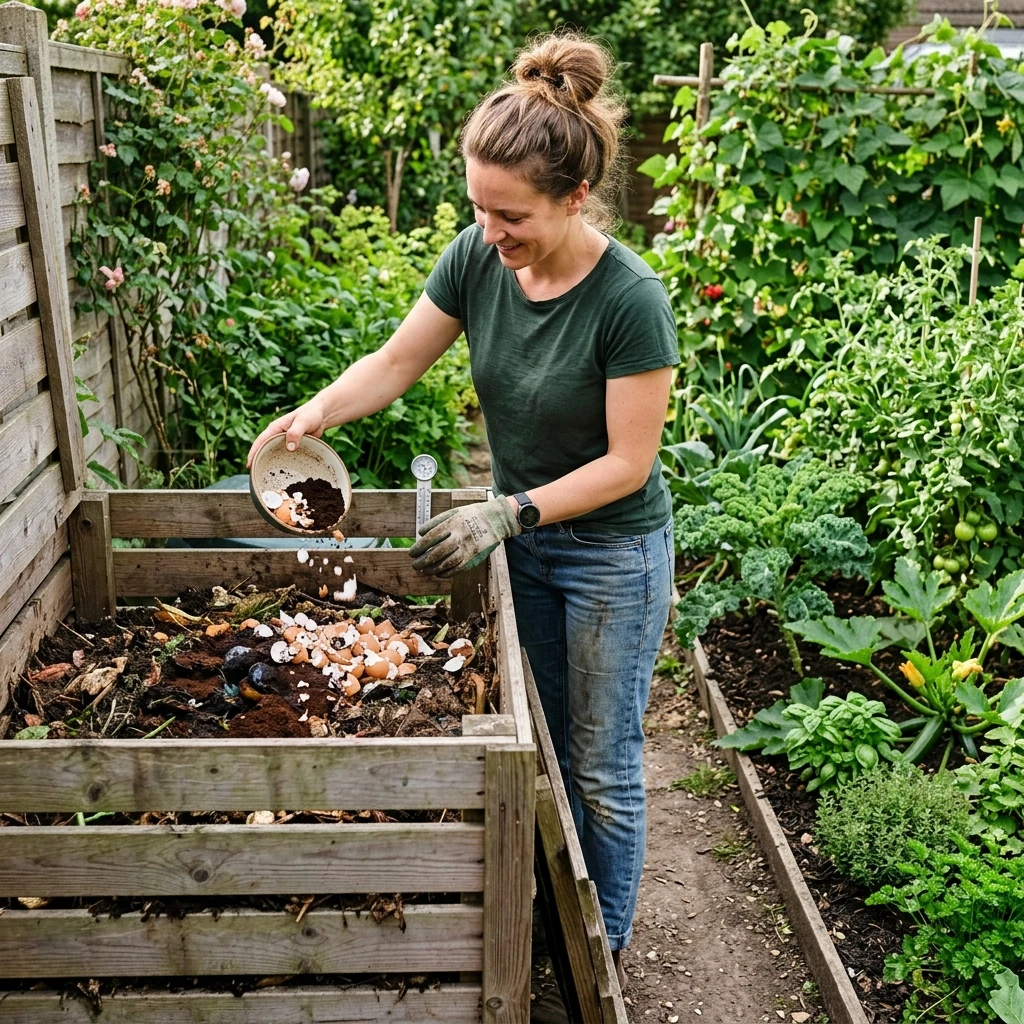
Coffee grounds and crushed eggshells in a bowl with a scoop, ready for composting or soil application

Quick Answer

Raw crushed eggshells take months to break down in indoor potting soil and can attract pests. To use eggshells as fertilizer, wash and dry them, then grind them into a fine powder before mixing into the soil, or add them to a compost bin. They provide calcium, but most houseplants rarely suffer from calcium deficiency.

Updated Reviewed Reading time: 23 min

Key Takeaways

  • Compost coffee grounds thoroughly before adding them to indoor potting mixes.
  • Pulverize eggshells into a fine powder to facilitate calcium mineral breakdown.
  • Use domestic scraps as mild soil amendments rather than primary fertilizers.
  • Mix amendments into the soil rather than leaving thick layers on the surface.

Are Eggshells Good for Plants?

Eggshells are primarily composed of calcium carbonate, a crucial nutrient for plant cell wall structure. However, placing crushed eggshells directly on top of your indoor plant soil will not provide an immediate calcium boost.

The Problem with Raw Eggshells

Calcium carbonate in eggshells is not water-soluble. It must be broken down by soil microbes and acidic conditions before the calcium becomes bioavailable to roots. In typical indoor potting soil, this decomposition process can take months or even years. Additionally, unwashed eggshells can attract pests and develop mold on the soil surface.

How to Properly Use Eggshells as Fertilizer

1. Composting (Best Method)

The most effective way to use eggshells is to add them to an outdoor compost bin or worm bin. The microbes and worms will break down the shells, turning them into a nutrient-rich compost that can be safely mixed into your potting soil.

2. Eggshell Powder

If you want to add eggshells directly to your soil, you must pulverize them. Wash the shells thoroughly, bake them at 200°F (90°C) for 10-15 minutes to dry and sterilize them, and then grind them into a fine powder using a blender or coffee grinder. Mix this powder into the potting soil when repotting. The finer the powder, the faster it will break down.

3. Eggshell Tea (Limited Effectiveness)

Boiling eggshells in water and using the cooled water for your plants is a popular hack, but the amount of calcium that actually dissolves into the water is very small. It will not cure a severe calcium deficiency, but it is a safe way to reuse the water.

Which Plants Benefit from Eggshells?

Plants prone to calcium deficiency (like tomatoes suffering from blossom end rot) benefit the most, though this is primarily an issue for outdoor vegetables rather than indoor houseplants. Houseplants rarely suffer from calcium deficiency unless they are grown in highly acidic or depleted soil for years.

Recommended next actions

Move from reading to action with related calculators, plant profiles, and quiz-based recommendations.

Frequently Asked Questions

Are coffee grounds good for plants?
Yes, but in moderation. Coffee grounds contain about 2% nitrogen and other micronutrients, making them a useful soil amendment. They also improve soil structure and attract earthworms. However, they are not a complete fertilizer and should not be used as a substitute for a balanced product. Apply a thin layer (no more than 1.3 cm / 0.5 in) mixed into the soil, or better yet, add them to your compost pile. Used coffee grounds are nearly neutral in pH, so they do not significantly acidify soil. Avoid using them on seedlings or in large quantities, as they can tie up nitrogen.
Do eggshells really help plants?
Yes, eggshells are a source of calcium carbonate, which can benefit plants over time. Calcium is essential for cell wall structure, root growth, and fruit development. However, eggshells break down very slowly in the soil unless ground into a fine powder. Composting them is the most effective way to make the calcium available to plants, as the acids in the compost help break down the shells. For a quicker fix for calcium deficiency (like blossom end rot), use a liquid calcium fertilizer. Crushed or ground eggshells are best used as a long-term soil amendment.
Can I put coffee grounds directly on soil?
Yes, but sparingly. Apply a thin layer (no more than 1.3 cm / 0.5 in) and mix it into the top 2.5–5 cm (1–2 in) of soil. Do not leave them on the surface in a thick layer, as they can form a crust that repels water. Also, avoid placing them directly against plant stems, as they can cause rot. For most garden situations, composting coffee grounds first is safer and more effective. If you do apply directly, make sure the grounds are dried to prevent mold, and water them in gently.
Should eggshells go in compost?
Yes, eggshells are excellent additions to a compost pile. They add calcium, phosphorus, and other minerals, and they also help balance the pH of acidic compost. To speed up decomposition, crush the shells before adding them—or better, grind them to a powder. The composting process will break down the shells over several months, releasing nutrients into the finished compost. Avoid adding whole shells, as they take years to decompose. Rinse the shells first to remove egg residue, which can attract pests.
Are coffee grounds and eggshells complete fertilizers?
No, they are not complete fertilizers. They are soil amendments and supplements. Coffee grounds provide some nitrogen and organic matter but lack significant phosphorus and potassium. Eggshells provide calcium but no nitrogen, phosphorus, or potassium. For healthy plant growth, you need a balanced fertilizer that contains N-P-K in appropriate ratios. Use coffee grounds and eggshells to complement a regular fertilizing routine, not replace it. Think of them as long-term soil health boosters, not quick fixes.
How long do eggshells take to break down in soil?
Whole eggshells can take several years to break down in soil because calcium carbonate is very stable. Crushed shells break down faster—perhaps 6–12 months—depending on soil conditions. Ground to a fine powder, they can break down in a few months, especially in acidic soil. The fastest way to make eggshell nutrients available is to compost them or grind them to powder and apply. In the meantime, they still provide slow-release calcium and improve soil texture.
Do coffee grounds acidify soil?
Used coffee grounds are nearly neutral, with a pH between 6.5 and 6.8. The acids in coffee are water-soluble and are mostly washed out during brewing. So, used coffee grounds do not significantly acidify soil. If you want to acidify soil for acid-loving plants like blueberries, use dedicated soil acidifiers like sulfur or pine needles. However, fresh coffee grounds (unused) are more acidic but are not recommended for garden use. Composting used grounds is a safe and effective way to incorporate them.
Can I use coffee grounds on all plants?
Not all plants respond well to coffee grounds. They are best for plants that benefit from organic matter, like vegetables, ornamentals, and acid-loving plants (in moderation). Avoid using coffee grounds on plants that prefer alkaline soil, such as lavender, lilac, and some succulents. Also, avoid using them on seedlings or young plants, as they can be too strong. Always apply in moderation—a thin layer mixed into soil or added to compost is safest. Observing your plants will tell you if they are happy.
How much coffee grounds should I use?
For direct soil application, use no more than 1.3 cm (0.5 in) of coffee grounds mixed into the top 2.5–5 cm (1–2 in) of soil. For a standard garden bed, a few cups (about 0.5–1 L) per square metre is a good starting point. In compost, add coffee grounds as you generate them, aiming for a balanced mix of greens (grounds) and browns (leaves, paper). Overuse can cause nitrogen tie-up and water repellence. Always err on the side of less—you can always add more later. A soil test can guide you on how much is beneficial.
Do eggshells prevent blossom end rot?
Eggshells can help prevent blossom end rot over the long term by adding calcium to the soil, but they are not a quick fix. Blossom end rot is caused by a calcium deficiency in the developing fruit, often due to inconsistent watering rather than a lack of calcium in the soil. Eggshells take months to break down and release calcium, so if your plant is showing symptoms, you need a fast-acting calcium source, such as liquid calcium, calcium nitrate, or a commercial blossom end rot spray. For prevention next season, incorporate ground eggshells into the soil or compost in advance.
Should I crush eggshells before adding them?
Yes, always crush or grind eggshells before adding them to soil or compost. Whole shells can take years to break down and provide no immediate benefit. Crushing them into smaller pieces speeds up decomposition, and grinding them into a powder makes the calcium available much faster. A coffee grinder or blender can turn dried shells into a fine powder in seconds. Rinse and dry the shells first to prevent mold and remove egg residue. Powdered eggshells can be mixed into potting soil, sprinkled around plants, or added to compost.

Explore More