Why Watering Plants at Night Is a Mistake: The Right Watering Schedule Guide
After professionally managing thousands of indoor houseplants and outdoor garden beds over the last 10 years, we've identified nighttime watering as the number one preventable cause of fatal fungal diseases.
Quick Answer
Watering houseplants at night leaves soil saturated and foliage damp during dark hours when transpiration stops, creating ideal conditions for fungal leaf spot and root rot pathogens. Water in the morning so excess moisture evaporates cleanly during the day and roots absorb water actively under daytime light.
Key Takeaways
- Water in the morning so excess moisture evaporates during the day.
- Avoid nighttime irrigation that leaves roots and foliage damp in darkness.
- Recognize prolonged nocturnal leaf wetness as a major fungal trigger.
- Adjust watering timing while maintaining proper soil moisture checks.
The #1 Watering Mistake Most Plant Parents Make
Having consulted on hundreds of dying plant cases over the past decade, we constantly see the same catastrophic mistake: watering plants late in the evening. Watering at night feels convenient for a busy schedule, but it is quietly damaging your plants. When leaves and soil stay wet for hours in the dark, you are creating the perfect breeding ground for fungal diseases like powdery mildew, leaf spot, and devastating root rot.
Why Nighttime Watering is So Harmful
Plants rely on the sun's energy to transpire and utilize the water in their soil. When you water at night, several environmental factors work against the plant's health. First, lower nighttime temperatures drastically reduce the evaporation rate, meaning the soil stays soggy for 8 to 12 hours longer than it would during the day. Second, the lack of sunlight means any water splashed on the foliage will sit there all night, directly inviting fungal spores to germinate. Finally, weak indoor air circulation at night allows these diseases to spread from leaf to leaf rapidly.
Environmental Factors to Consider
Temperature
Watering with cold tap water at night can shock the plant's root system, especially if ambient temperatures drop below 65°F (18°C) in the home. Always use room temperature water.
Humidity
Nighttime naturally brings higher ambient humidity. Adding more moisture to the soil and air right before the lights go out pushes the environment past the 80% humidity danger zone for fungal blooms.
Light
Plants need bright indirect or direct light to actively process water. Without light, roots simply sit in the waterlogged soil, unable to uptake nutrients.
Soil
Using a dense, moisture-retaining potting mix exacerbates the nighttime watering issue. Always use a well-draining mix containing perlite, bark, and peat to ensure rapid drainage regardless of when you water.
Nighttime Fertilization Risks
Never apply liquid fertilizer at night. The plant cannot actively process the nutrients without sunlight, leading to salt buildup and potential root burn in the damp soil. Always fertilize in the morning so the plant can utilize the nutrients throughout the day.
Step-by-Step Morning Watering Routine
To completely avoid the dangers of nighttime watering, transition to an optimal morning watering schedule. Follow these steps for the healthiest results:
- Check the soil moisture of every plant between 6:00 AM and 9:00 AM using your finger, ensuring the top 2 inches are completely dry before proceeding.
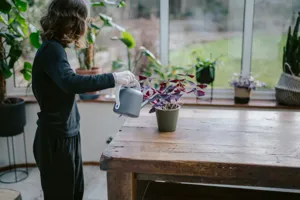
- Use room-temperature, filtered water and apply it directly to the base of the plant, carefully avoiding splashing any water onto the delicate leaves.
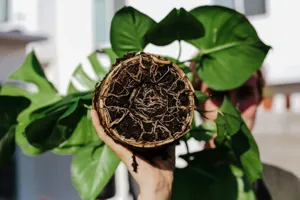
- Water deeply and slowly until a steady stream runs out of the bottom drainage holes, ensuring the entire root ball is saturated.
- Allow the pot to drain in the sink or empty the saucer underneath it completely after 15 minutes to prevent the plant from sitting in standing water.
- Place the plant back in its designated spot where the morning light will help evaporate any excess moisture on the topsoil throughout the day.
Toxicity and Watering Overlap
While watering at night does not change a plant's toxicity, it does cause leaves to drop and stems to rot. For toxic plants containing calcium oxalate crystals (like Philodendrons or Monsteras), these dropped, mushy leaves become a severe hazard if left on the floor where pets or children might ingest them.
Common Problems Caused by Bad Watering Habits
- Powdery mildew appears as white, dusty patches on the leaves. It thrives when foliage is left wet overnight in cool temperatures and requires immediate treatment with a fungicidal spray.
- Root rot is indicated by yellowing lower leaves and a foul, swampy smell coming from the soil. It happens when roots suffocate in waterlogged, dark conditions and usually requires immediate repotting.
- Fungus gnats swarm around the base of the plant and lay their eggs in consistently damp topsoil. Transitioning to morning watering helps the topsoil dry out faster by nightfall, breaking their breeding cycle.
- Edema manifests as ugly, blister-like bumps on the undersides of leaves. It occurs when roots absorb water faster than the leaves can transpire it, which frequently happens during nighttime waterings.
Propagation Steps
- Identify a healthy stem or section of the plant.
- Using sterilized shears, make a clean cut below a node.
- Place the cutting in water or a well-draining propagation mix.
- Keep in high humidity and bright indirect light until roots form (usually 3-4 weeks).
Repotting Guide
Repot every 12 to 18 months in the early spring before the active growing season begins. Only go up one pot size (1-2 inches larger in diameter). Always use fresh, well-draining soil to ensure the roots receive adequate oxygen and to prevent root rot.
Watering
Water thoroughly when the top two inches of soil feel dry. Ensure excess water drains completely from the pot.
Recommended next actions
Next Best Actions
Move from reading to action with related calculators, plant profiles, and quiz-based recommendations.
Topic Guide
Watering
Learn everything about watering for your indoor and aquarium plants. Expert care tips, troubleshooting, and related guides.
Guide
Why Root Rot Happens and How to Save Your Plant
After rescuing thousands of rotting houseplants from big-box stores over a 12-year nursery career, we have developed a foolproof method to diagnose, treat, and completely prevent deadly root rot.
Frequently Asked Questions
Is watering plants at night bad for all houseplants?
Is it okay to mist my tropical plants at night?
What is the absolute best time to water houseplants?
How often should I water my indoor plants in the morning?
Does morning watering help prevent fungus gnats?
Should I use warm or cold water in the morning?
Can watering at night cause powdery mildew on leaves?
How do I know the exact watering schedule for my specific plant?
Explore More