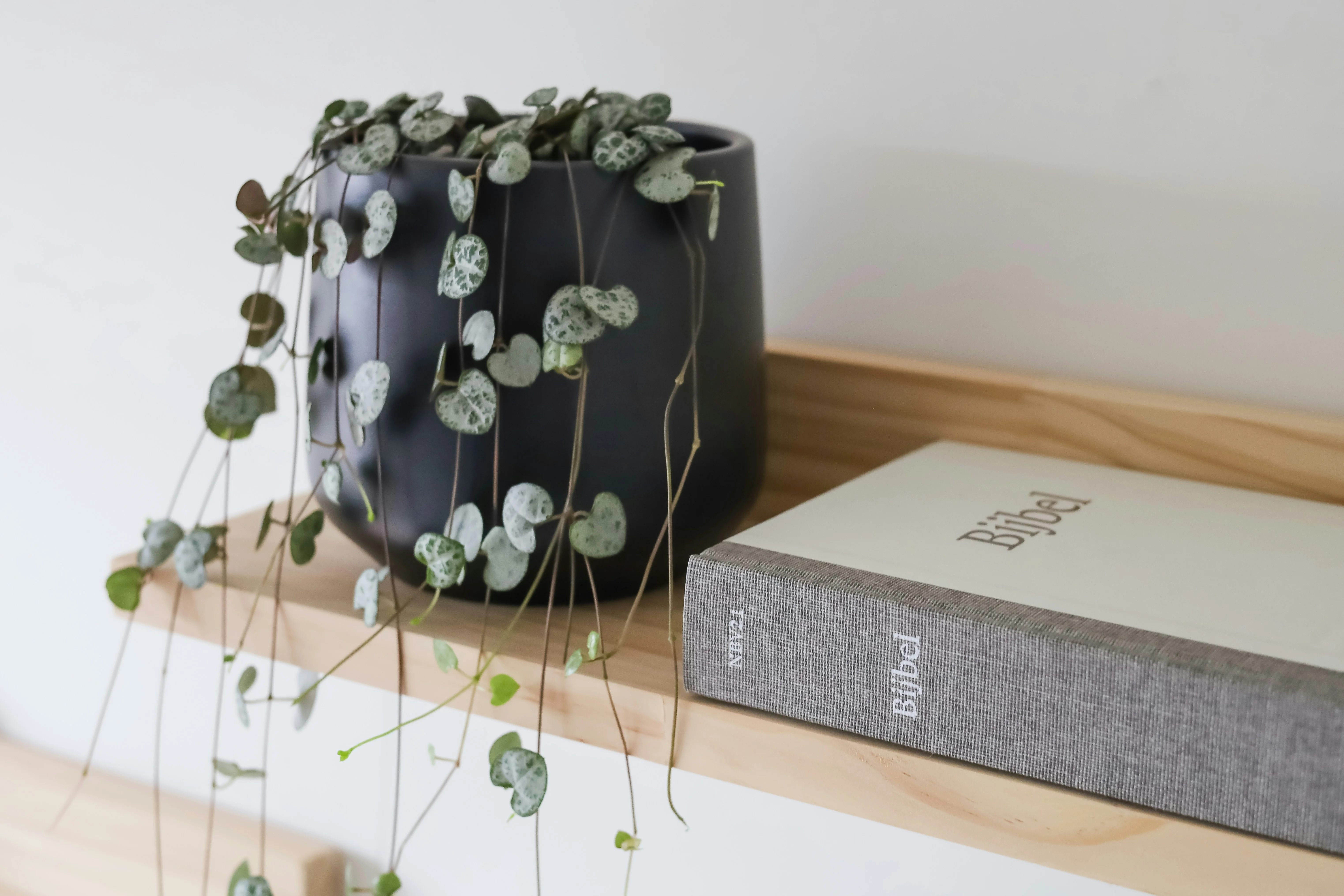
String of Hearts Care: The 'Taco Test' & Trailing Vine Secrets
After rescuing dozens of balding, overwatered String of Hearts from dark corners, we've perfected the 'taco test' method for watering this delicate but fast-growing trailing succulent.
-
Difficulty
intermediate
-
Light
Requires extremely bright light to maintain the distinct heart shape and silver marbling of its leaves. Can take several hours of direct sun.
-
Temperature
65°F - 80°F (18°C - 27°C)
-
Growth
fast
-
Humidity
30% - 50%
-
pH range
6.0 - 7.5
-
Biggest Owner Mistake
Overwatering because the delicate, thin stems look fragile and in need of constant moisture—but the small leaves are succulent and store water, while the tubers along the stems act as additional reserves. Consistently wet soil causes tuber and root rot far more quickly than drought does.
-
What Nobody Tells You
Even if the trailing vines die back, the aerial tubers (small round bumps on the stems) and soil tubers remain alive and can sprout entirely new growth. What looks like a dead plant is often just dormant tubers—checking before discarding saves the plant.
-
Real Home Conditions
In low light, the gaps between heart-shaped leaves become very large and the deep pink underside of the leaves fades entirely, leaving a plain green trailing vine. Bright indirect light (or even some direct morning sun) keeps the vines dense and the color vibrant.
Quick Answer
String of Hearts displays trailing vines with heart-shaped silver-patterned leaves and prefers bright indirect light with some gentle direct sun. Water only after soil fully dries, using a fast-draining succulent mix to prevent tuber and stem rot. Allow it to trail from hanging baskets or climb small supports for an elegant cascading display.
Key Takeaways
- Provide bright, indirect light, including some gentle direct morning sun.
- Water only after the soil has fully dried out between waterings.
- Use a fast-draining succulent mix to prevent tuber and stem rot.
- Support or allow to trail; it grows well in a hanging basket.
Overview
The String of Hearts (Ceropegia woodii) is a breathtaking trailing plant famous for its delicate vines adorned with small, fleshy, heart-shaped leaves that look like they've been stamped with silver lace. However, it is also notorious for easily rotting at the base or producing weak, "leggy" vines if grown incorrectly. The most common mistake is treating it like a standard tropical ivy. This guide will teach you the strict "taco test" for watering and explain why intense light is the key to keeping the top of the pot full and bushy.
Native to the scrublands of South Africa, the String of Hearts is a true succulent. It evolved to endure long periods of drought by storing water in its thick leaves, its fleshy roots, and the strange, potato-like aerial tubers (bulbils) it produces along its vines. Because it is so highly adapted to surviving without water, it is extremely vulnerable to being suffocated in heavy, constantly wet indoor potting soil.
Light
Light is the most critical factor for this plant, and it needs a lot of it. A south or west-facing window is ideal. It can and should take a few hours of direct sunlight. The biggest issue growers face is placing the plant on a high shelf where the long vines get light, but the top of the pot is in the shadows. If sunlight does not directly hit the top of the soil, the plant will stop producing leaves at the base, resulting in a "bald" top with long strings hanging down. Furthermore, bright light is required to maintain the beautiful silver marbling on the leaves; in low light, they will turn plain green.
Temperature
This plant prefers standard household temperatures between 65°F and 80°F (18°C - 27°C). It is not frost-hardy and will suffer cold damage if exposed to temperatures below 55°F (13°C). Keep it away from cold, drafty windows during the winter.
Humidity
As a succulent, the String of Hearts is perfectly adapted to the dry air of centrally heated homes. Standard household humidity (30% to 50%) is ideal. You do not need a humidifier, and you should never mist the leaves, as standing water on the foliage can encourage fungal diseases.
Watering
This is where the "taco test" comes in. Because the plant stores water so efficiently, you must wait until the soil is completely dry from top to bottom before watering. To confirm it's thirsty, gently try to fold one of the mature leaves in half like a taco. If the leaf is stiff and rigid, do not water. If the leaf feels slightly soft and pliable, it is time to soak the soil thoroughly. Always err on the side of underwatering; this plant can survive weeks without water, but it will succumb to root rot in a matter of days if left in soggy soil.
Soil
A fast-draining cactus and succulent mix is absolutely mandatory. Standard indoor potting soil retains too much moisture for the delicate, fleshy roots. If you are mixing your own soil, combine 50% high-quality potting soil with 50% perlite, pumice, or coarse sand to ensure sharp drainage and excellent aeration.
Fertilizer
The String of Hearts is a light feeder. Feed the plant once a month during the active growing season (spring and summer) using a specialized liquid cactus fertilizer or a standard houseplant fertilizer diluted to half strength. Stop fertilizing completely in the fall and winter.
Propagation
This is an incredibly easy plant to propagate, and propagating is the best way to make a sparse plant look fuller. The easiest method is to use the "bulbils" (the little potatoes that grow on the vines). Simply cut the vine just below a bulbil and press the bulbil into moist potting soil; it will quickly sprout roots. Alternatively, you can use the "butterfly method": cut a vine into sections so that each section contains a node with two leaves (looking like a butterfly). Lay these sections on top of moist sphagnum moss or soil, and keep them in a humid environment until roots and new vines emerge.
Repotting
String of Hearts has a very shallow root system and actually prefers to be slightly root-bound. They rarely need repotting; typically, once every two to three years is sufficient. When you do repot, choose a shallow container (like a bulb pan) rather than a deep pot. Deep pots hold excess wet soil at the bottom where the shallow roots cannot reach it, leading to rot. Ensure the new pot has ample drainage holes.
Toxicity
One of the best attributes of the String of Hearts is that it is completely non-toxic to cats, dogs, and humans. This makes it an ideal, safe choice for a trailing plant in a pet-friendly home, though you may still want to keep the dangling vines out of reach of playful kittens.
Common Problems
Yellowing, mushy leaves at the base of the plant are a guaranteed sign of overwatering and root rot. If this happens, you must immediately take cuttings from the healthy, lower vines to propagate a new plant, as the rotted roots cannot be saved. Balding at the top of the pot is caused by insufficient light hitting the soil surface. Tangled vines are a frequent annoyance; handle them delicately, as the leaves snap off very easily. Pests are uncommon, but occasionally mealybugs can hide in the crevices of the leaves; wipe them away with a cotton swab dipped in rubbing alcohol.
Calculator
Interactive Calculators for String Of Hearts
Recommended next actions
Next Best Actions
Use calculators and guides to turn this plant profile into a practical care routine.
Topic Guide
Watering
Learn everything about watering for your indoor and aquarium plants. Expert care tips, troubleshooting, and related guides.
Plant Guide
String Of Pearls
After rescuing and rehabilitating over 30 String of Pearls from severe crown rot over the past 6 years, we have cracked the code to keeping this notoriously finicky succulent dense, plump, and thriving indoors.
Topic Guide
Root Rot
Learn how to identify and treat root rot in houseplants. Discover causes, symptoms, and step-by-step solutions to save your plants from overwatering.
Structured Plant Data
Plant Data Profile
The following data is extracted directly from our botanical knowledge graph for accuracy and transparency.
Growth Characteristics
Growth Rate
fast
Mature Height
Trailing vines can reach 6-12 feet indoors
Mature Spread
1-2 feet
Life Cycle
Perennial
Flowering Season
Summer to fall (produces small, unusual tubular pink/purple flowers)
Container Friendly
yes
Indoor Capable
yes
Environmental Parameters
| Parameter | Recommended | Survivable |
|---|---|---|
| Temperature | 65°F - 80°F (18°C - 27°C) | 55°F - 90°F (13°C - 32°C) |
| Humidity | 30% - 50% | 20% - 70% |
| Soil PH | 6.0 - 7.5 | 5.5 - 8.0 |
Lighting
Description
Requires extremely bright light to maintain the distinct heart shape and silver marbling of its leaves. Can take several hours of direct sun.
Nutrients
Nitrogen Demand
low
Phosphate Demand
low
Potassium Demand
low
Micronutrient Notes
Very light feeder. Excess fertilizer causes weak, spindly growth.
Fertilizer Frequency
Once a month during spring and summer at half strength.
Organic Options
Cactus fertilizer or a very diluted kelp extract.
Relationships
-
Root Rot
Vulnerability | Strength 9
The delicate roots and potato-like aerial tubers (bulbils) will quickly rot if kept continuously wet.
String of Hearts Variety Comparison
| Variety | Key Feature | Light Requirement |
|---|---|---|
| Standard woodii | Dark green leaves with distinct silver marbling | Bright Indirect/Some Direct |
| Variegata | Pink and cream margins that flush bright pink in sun | Very Bright Indirect/Direct (requires more light) |
| Silver Glory | Leaves are almost entirely silver with very little green | Bright Indirect |
Troubleshooting & Diagnostics Guide
1 Leaves at the base of the plant are turning yellow and falling off
Diagnosis: Overwatering, leading to root rot. The soil is staying wet for too long.
Treatment: Stop watering immediately. Check the roots; if they are mushy, take cuttings from the healthy vines and propagate them to save the plant.
Prevention: Maintain optimal care conditions.
Authoritative Resources
For additional peer-reviewed information on plant diseases, toxicity, and care, consult these trusted botanical and agricultural extensions:
Glossary of Terms
- Bulbil
- A small, bulb-like structure, often resembling a tiny potato, that grows aerially on the stem of certain plants (like String of Hearts). It stores water and can be used to propagate a new plant.
- Taco Test
- A practical method for determining if a succulent needs water by gently squeezing a mature leaf to see if it folds pliably (like a taco shell) or remains stiff and rigid.
Frequently Asked Questions
How do I know when to water my String of Hearts?
Why is my String of Hearts dying at the base/soil line?
Are String of Hearts toxic to cats?
Why are the leaves on my String of Hearts turning yellow?
What are the weird little potatoes growing on the vines?
Why is my String of Hearts losing its silver pattern?
How do you detangle a String of Hearts?
How do I make my String of Hearts look fuller?
Sources & References
-
Source: powo.science.kew.org
-
Source: missouribotanicalgarden.org
-
Source: plants.ces.ncsu.edu
-
Source: edis.ifas.ufl.edu
-
Source: worldfloraonline.org
Explore More