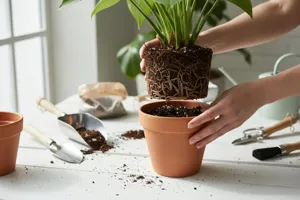
How to Clean Houseplant Leaves: Best Practices & Products
Dusty leaves block sunlight and stunt plant growth. Learn the safest ways to clean houseplant leaves using microfiber cloths, showers, and gentle methods.

Quick Answer
Clean houseplant leaves by gently wiping them with a damp microfiber cloth or taking the plant to the shower for a gentle, lukewarm rinse. Cleaning removes dust that blocks photosynthesis, improves appearance, and helps deter pests like spider mites. For fuzzy-leaved plants (like African Violets), use a soft makeup brush to dust dry leaves—avoid getting the foliage wet. Avoid commercial 'leaf shine' products, mayonnaise, or oils, as they can leave residues that interfere with normal gas exchange.
Key Takeaways
- Clean leaves absorb more light, leading to faster growth, better health, and improved pest resistance.
- Never use commercial leaf shine sprays, mayonnaise, olive oil, or milk—these coat leaves and can interfere with normal gas exchange.
- A gentle shower is the easiest way to clean large collections or plants with dense small leaves.
- Fuzzy plants (African Violets, Alocasia, Purple Passion) should be dusted with a soft brush, never sprayed with water.
- For stubborn buildup, add a single drop of mild dish soap to lukewarm water—rinse thoroughly afterward.
Quick Facts
- Best for large leaves Damp microfiber cloth, support leaf from underneath
- Best for small/dense foliage Lukewarm shower rinse, let drip dry
- Best for fuzzy leaves Soft makeup brush or toothbrush (dry)
- Best for succulents Soft brush to avoid damaging farina (waxy coating)
- Products to avoid Leaf shine sprays, mayonnaise, oil, milk, vinegar
- Cleaning frequency Every 2–4 weeks; more often in dusty or high-traffic rooms
What Should I Do?
Plant has large, smooth leaves (Monstera, Ficus, Rubber Plant)
Plant has dense, small, or trailing leaves (Ferns, Pothos, Peperomia)
Plant has fuzzy or velvety leaves (African Violet, Alocasia)
Plant has thick, waxy leaves (Succulents, Jade, Snake Plant)
Leaves have sticky residue, or you suspect pests
You're tempted to use leaf shine spray
Leaf Cleaning Methods: Which Is Right for Your Plant?
| Method | Best For | Materials Needed | Drying Time | Risk Level |
|---|---|---|---|---|
| Damp microfiber cloth | Large-leaved plants (Monstera, Fiddle Leaf Fig, Rubber Plant) | Microfiber cloth, lukewarm water | Minutes – air dries quickly | Low – gentle, no standing water |
| Lukewarm shower rinse | Small dense foliage, trailing plants (Ferns, Pothos, Palms) | Shower head, lukewarm water, drip-dry area | 1–2 hours to drip dry | Low – ensure water is not cold/hot; avoid on fuzzy plants |
| Soft makeup brush | Fuzzy or velvety leaves (African Violet, Alocasia) | Soft brush, no water | None | Very low – gentle dust removal |
| Dish soap solution + cloth | Stubborn grime or sticky residue | Lukewarm water, 1 drop mild dish soap, cloth | Minutes | Low – rinse cloth well, avoid soap residue |
| Leaf shine spray | NEVER RECOMMENDED | Commercial leaf shine | Varies | High – can clog stomata and damage plants |
Why Cleaning Your Plant's Leaves Matters
Houseplants generate all their energy through photosynthesis. When dust accumulates on the leaf surface, it can significantly reduce the amount of light reaching the chloroplasts inside, slowing growth and reducing overall plant vigor. Dust also creates a favorable environment for spider mites and other pests that thrive in dry, dusty conditions. Regular cleaning is both a health optimization and a pest prevention strategy.
Method 1: The Damp Cloth (For Large-Leaved Plants)
For plants with large, broad leaves like Fiddle Leaf Figs, Monsteras, and Rubber Plants, wiping by hand is highly effective and allows you to inspect the plant closely for pests. Support the underside of the leaf with one hand, and gently wipe the top of the leaf with a damp microfiber cloth using your other hand. For especially grimy leaves, add a single drop of mild dish soap to a bowl of lukewarm water. Wipe the leaf with the soapy cloth, then follow with a clean damp cloth to remove any residue. Avoid wetting the soil excessively.
Pro tip: Always wipe from the stem outward to avoid pushing dust into the leaf's crevices.
Method 2: The Shower Method (For Small or Dense Foliage)
For ferns, palms, and trailing plants like Pothos, wiping individual leaves is impractical. The shower method is an efficient, thorough alternative. Place the plant in your shower or bathtub. Turn the water to lukewarm (never hot, never freezing) and use a gentle spray to wash down the foliage. Allow the leaves to drip dry completely in the shower before moving the plant back. This method also helps dislodge pests like spider mites and aphids. Be mindful of the soil—if the pot has drainage, the water will flush through. You can cover the soil with plastic wrap to prevent oversaturation if desired.
Pro tip: This is a great way to hydrate the foliage and improve humidity—but only for plants that tolerate wet leaves.
Method 3: The Soft Brush (For Fuzzy and Velvety Leaves)
Plants with fuzzy or velvety leaves—African Violets, Purple Passion Plant, Alocasia Black Velvet—are highly sensitive to water. Droplets can get trapped in the microscopic hairs and cause bacterial rot or permanent water spots. To clean these plants, use a clean, soft makeup brush, paintbrush, or soft toothbrush to gently sweep the dust off the dry leaves. Brush in the direction of the leaf's growth, taking care not to damage the delicate surface. For stubborn dust, you can lightly moisten the brush, but keep the leaves as dry as possible.
Method 4: Cleaning Succulents and Plants with Farina
Many succulents and some other plants (like Echeveria, Pachyphytum, and Jade plants) produce a natural waxy coating called farina or epicuticular wax. This coating protects the plant from intense sun and moisture loss. Rubbing it off can permanently scar the plant and reduce its resilience. For these plants, use a soft brush or a gentle puff of air to remove dust. Avoid wiping if possible—if you must use a cloth, be extremely gentle and only use a dry or barely damp cloth.
What NOT to Use: The Danger of Leaf Shines and Oils
Many garden centers sell aerosol "leaf shine" sprays promising glossy, perfect foliage. Do not use them. These products are essentially waxes or heavy oils. Plants breathe through microscopic pores on their leaves called stomata. Leaf-shine products can leave residues on leaf surfaces and may interfere with normal gas exchange. Even natural oils like olive oil, coconut oil, and mineral oil are harmful. Similarly, avoid mayonnaise, milk, or vinegar-based DIY leaf shine solutions—they leave residues that attract dust and pests. The only exception is neem oil, which is used as a pest treatment, not a cleaning agent; it should only be applied when actively treating an infestation and not as a routine shine.
How Often Should You Clean Your Plant's Leaves?
In general, aim to clean your plant's leaves every 2–4 weeks. Dust accumulates faster in high-traffic rooms, near windows, or in kitchens. Plants with larger, darker leaves (like Monstera and Ficus) tend to show dust more visibly and benefit from more frequent cleaning. If you notice pests or webbing, increase the frequency and combine cleaning with pest inspection. Regular cleaning also helps you notice subtle changes in your plant's health—pests, yellowing, or discoloration—early on.
Frequently Asked Questions
What is the safest way to clean houseplant leaves?
Can I use neem oil to clean plant leaves?
Is it bad to get water on plant leaves?
How do you clean dusty plant leaves without harming them?
Are leaf shine products safe for plants?
Can I clean plant leaves with vinegar or milk?
How often should I clean my plant's leaves?
Sources & References
-
Source: extension.illinois.edu
Type: extension
-
Source: extension.umn.edu
Type: extension
-
Source: content.ces.ncsu.edu
Type: extension
Explore More