String of Turtles Care: Top Watering & Bright Light Tips
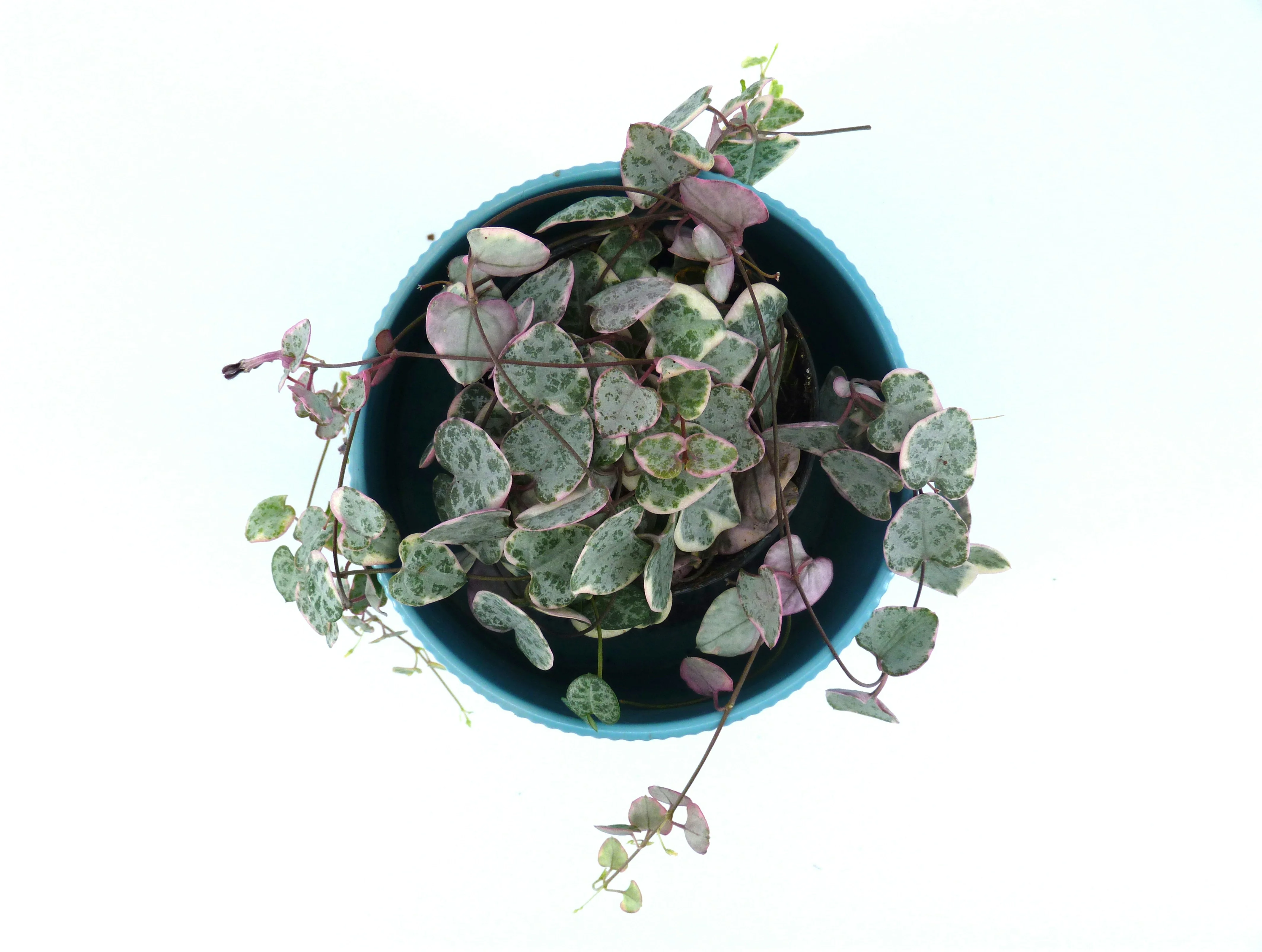
The String of Turtles is a charming, pet-safe trailing plant famous for its shell-patterned leaves. It requires bright top-light and shallow potting to thrive.
-
Difficulty
moderate
-
Light
Requires bright, indirect light. Crucially, the light must hit the TOP of the pot. If only the trailing vines get light, the crown will go bald and die off.
-
Temperature
65°F - 80°F (18°C - 27°C)
-
Growth
moderate
-
Humidity
40% - 60%
-
pH range
6.0 - 6.5
-
Biggest Owner Mistake
Overwatering because the tiny, patterned leaves look delicate and moisture-loving—but it's a semi-succulent peperomia with water-storing stems, and consistently wet soil causes stem rot at the soil line that spreads quickly. Let the top inch of soil dry out before watering again.
-
What Nobody Tells You
The contrasting dark-and-light turtle shell pattern on each leaf is produced by light-dependent pigments—in low light, the markings fade and leaves become a uniform green, losing the pattern entirely. Bright indirect light is what keeps those intricate markings sharp and visible.
-
Real Home Conditions
In dry air below 50%, the miniature leaves develop crispy edges because they have almost no water storage capacity to buffer against atmospheric moisture loss. Consistent humidity above 50% is needed to keep those tiny leaves looking perfect.
Quick Answer
String of Turtles needs bright light hitting the top of the pot to prevent balding. Water from the top when the soil is 75% dry, and always use a shallow pot to protect its delicate roots. Our experience shows that providing a stable environment helps the plant establish a strong root system faster.
Key Takeaways
- Provide bright indirect light for the best patterned turtle-shell leaves.
- Water only after the soil has mostly dried out between waterings.
- Use a well-draining, chunky mix suited to this semi-succulent vine.
- Expect slow, delicate growth typical of this compact trailing plant.
Overview
The String of Turtles (Peperomia prostrata) is a highly sought-after trailing plant known for its tiny, fleshy leaves that feature intricate, dark green patterns resembling miniature turtle shells. Native to the rainforests of Brazil, it grows as an epiphyte—clinging to tree branches rather than rooting deeply into the soil.
Understanding this epiphytic nature is the secret to keeping it alive in a Western home. Because it doesn't burrow deep into the earth, it has an incredibly fine, shallow root system. Treating it like a standard houseplant with deep pots and heavy soil is the number one reason they fail indoors. When potted correctly and given bright light, it is a fast-growing, cascading beauty that is non-toxic to pets for pets.
Light Requirements
Bright, indirect light is mandatory. A common mistake is hanging the plant so high in a window that the trailing vines get light, but the top of the pot is in shadow. The light must hit the top of the pot. If the crown doesn't receive enough light, the plant will stop producing new leaves at the base and will eventually "bald" on top. An east-facing window is perfect, providing gentle morning sun and bright ambient light for the rest of the day.
Watering: Top Watering is Essential
While often grouped with succulents like the String of Pearls, the String of Turtles requires slightly more frequent watering. Its leaves store water, but its delicate roots cannot handle bone-dry conditions for long. Allow the top 75% of the soil to dry out before watering.
Crucially, you must water from the top. Because the roots are so shallow (often barely an inch deep), bottom-watering is ineffective. The water from the bottom of a deep pot will never wick up high enough to reach the root zone. Soak the top of the soil evenly until water drains out the bottom.
Temperature and Humidity
Typical household temperatures between 65°F and 80°F (18°C - 27°C) are perfect. Keep it away from cold winter drafts and direct blasts from air conditioning units. While it appreciates higher humidity (it is native to the rainforest), its semi-succulent leaves allow it to tolerate the dry air of standard centrally-heated homes reasonably well (40% to 50% humidity).
Soil and Potting: The Shallow Rule
This is where most growers fail. Never put a String of Turtles in a deep pot. Because the roots only penetrate the top inch or two of soil, the bottom half of a standard nursery pot will stay wet and stagnant, quickly leading to root rot.
You must use a shallow pot (like an azalea pot or a low bowl). If you must use a standard hanging basket, fill the bottom half with large chunks of pumice or broken terracotta to reduce the soil volume. The soil itself must be exceptionally airy: a mix of 50% high-quality potting soil, 30% perlite, and 20% orchid bark is ideal.
Fertilizing
Because the roots are so delicate, they are easily burned by synthetic fertilizers. Feed the plant only during the spring and summer using a liquid succulent fertilizer or a balanced houseplant fertilizer diluted to quarter-strength. Apply it only once a month, and always ensure the soil is slightly damp before fertilizing.
Propagation
String of Turtles is incredibly easy to propagate. Simply snip a trailing vine, strip the bottom few "turtles" off the stem, and lay the bare stem across the surface of moist potting soil or sphagnum moss. You can lightly pin the stem down with a bent paperclip. Keep it warm, brightly lit, and slightly humid, and it will root directly into the soil within a few weeks, helping to create a fuller pot.
Toxicity
As a member of the Peperomia family, the String of Turtles is entirely non-toxic to cats, dogs, and humans. It is an excellent, worry-free trailing plant for pet owners.
Common Problems
Balding Crown: Caused by a lack of light hitting the top of the pot. Lower the hanging basket or adjust the light source so the soil surface is illuminated.
Dropping Leaves: If the leaves are yellow and mushy before dropping, you are overwatering. If the leaves are dry and slightly shriveled before dropping, you are underwatering.
Faded Leaf Patterns: The intricate "turtle shell" pattern will fade if the plant isn't receiving enough light. Move it closer to a bright, indirect light source.
Calculator
Interactive Calculators for String Of Turtles
Recommended next actions
Next Best Actions
Use calculators and guides to turn this plant profile into a practical care routine.
Topic Guide
Watering
Learn everything about watering for your indoor and aquarium plants. Expert care tips, troubleshooting, and related guides.
Plant Guide
String Of Pearls
After rescuing and rehabilitating over 30 String of Pearls from severe crown rot over the past 6 years, we have cracked the code to keeping this notoriously finicky succulent dense, plump, and thriving indoors.
Plant Guide
String Of Hearts
After rescuing dozens of balding, overwatered String of Hearts from dark corners, we've perfected the 'taco test' method for watering this delicate but fast-growing trailing succulent.
Topic Guide
Root Rot
Learn how to identify and treat root rot in houseplants. Discover causes, symptoms, and step-by-step solutions to save your plants from overwatering.
Structured Plant Data
Plant Data Profile
The following data is extracted directly from our botanical knowledge graph for accuracy and transparency.
Growth Characteristics
Growth Rate
moderate
Mature Height
Trailing 1-2 feet
Mature Spread
6-12 inches at the crown
Life Cycle
Perennial
Flowering Season
Summer (produces unremarkable greenish spikes)
Container Friendly
yes
Indoor Capable
yes
Environmental Parameters
| Parameter | Recommended | Survivable |
|---|---|---|
| Temperature | 65°F - 80°F (18°C - 27°C) | 55°F - 85°F (13°C - 29°C) |
| Humidity | 40% - 60% | 30% - 80% |
| Soil PH | 6.0 - 6.5 | 5.5 - 7.0 |
Lighting
Description
Requires bright, indirect light. Crucially, the light must hit the TOP of the pot. If only the trailing vines get light, the crown will go bald and die off.
Nutrients
Nitrogen Demand
low
Phosphate Demand
low
Potassium Demand
low
Micronutrient Notes
Prone to fertilizer burn due to its extremely delicate root system.
Fertilizer Frequency
Feed lightly once a month in spring and summer with a succulent fertilizer diluted to quarter strength.
Organic Options
A very light application of worm tea.
Relationships
-
Root Rot
Vulnerability | Strength 9
Because their roots are so fine and shallow, keeping them in a deep pot leads to waterlogged soil at the bottom, guaranteeing root rot.
Trailing Succulent Comparison
| Plant | Leaf Shape | Light Needs |
|---|---|---|
| String of Turtles | Flat, round with patterns | Bright Indirect |
| String of Pearls | Round, pea-like spheres | Very Bright / Some Direct |
| String of Hearts | Heart-shaped, silver/green | Bright Indirect |
Troubleshooting & Diagnostics Guide
1 Top of the pot is bare while vines continue to grow
Diagnosis: Lack of direct top-down light; the crown is shaded.
Treatment: Lower the pot or adjust placement so bright indirect light hits the top surface of the soil.
Prevention: Maintain optimal care conditions.
Authoritative Resources
For additional peer-reviewed information on plant diseases, toxicity, and care, consult these trusted botanical and agricultural extensions:
Glossary of Terms
- Epiphyte
- A plant that grows on another plant or object for physical support, drawing moisture and nutrients from the air, rain, and debris rather than soil.
Frequently Asked Questions
Why is my String of Turtles balding at the top?
How often should I water my String of Turtles?
Are String of Turtles toxic to cats?
Why are the leaves falling off my String of Turtles?
Should I bottom water my String of Turtles?
Sources & References
-
Source: powo.science.kew.org
-
Source: edis.ifas.ufl.edu
Explore More