Tradescantia Nanouk Care: Preventing Brown Spots & Leggy Growth
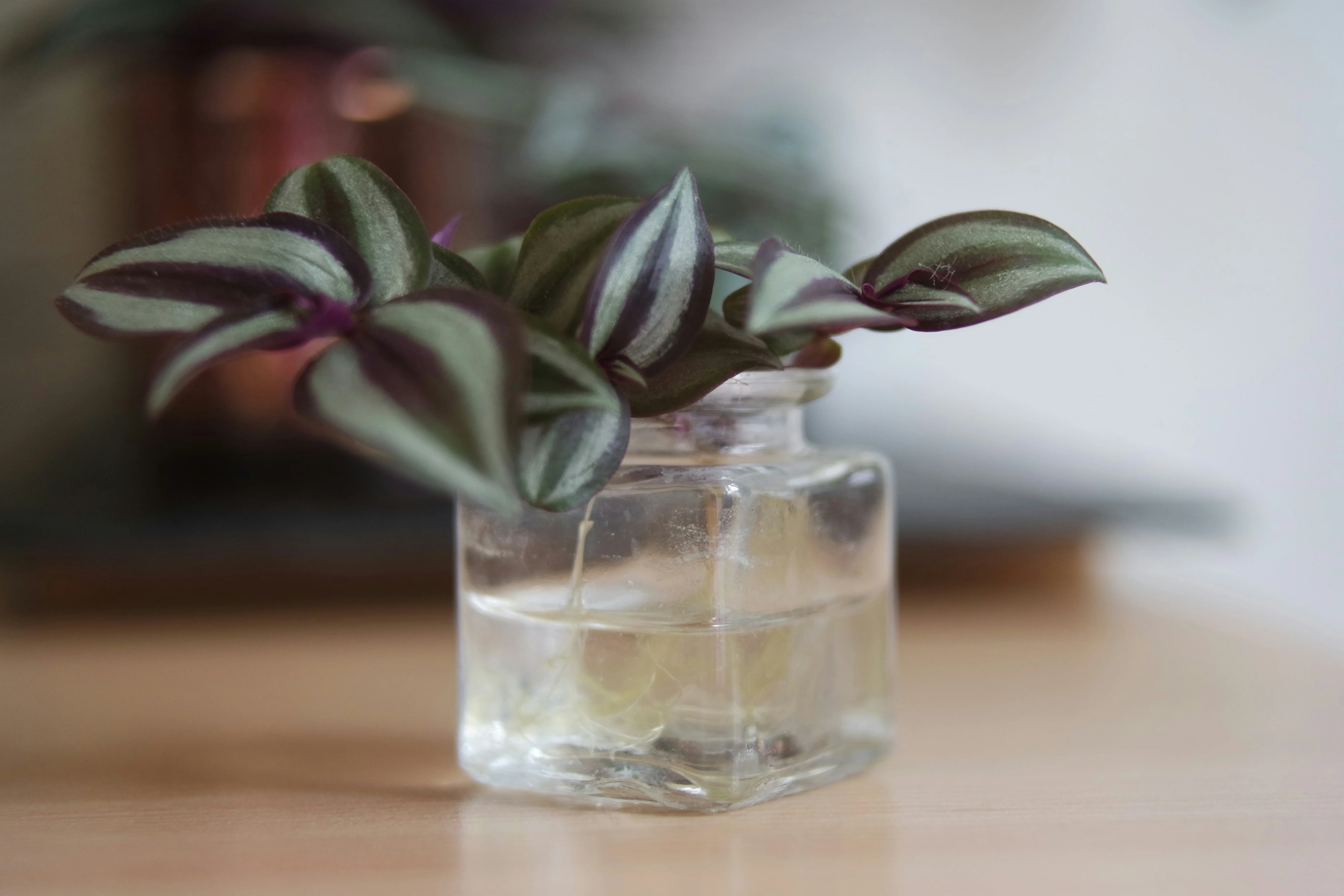
The Tradescantia Nanouk is a wildly fast-growing trailing plant famous for its thick leaves painted in intense pink, purple, and green stripes. It is beautiful but requires bottom-watering to prevent brown spots on its leaves.
-
Difficulty
easy
-
Light
Requires massive amounts of bright, indirect light to keep its vivid pink, purple, and green striping. In low light, it stretches rapidly and turns completely green.
-
Temperature
65°F - 80°F (18°C - 27°C)
-
Growth
very fast
-
Humidity
40% - 60%
-
pH range
6.0 - 7.0
-
Biggest Owner Mistake
Misting the leaves to boost humidity—water sitting on the leaves causes brown rot spots and promotes fungal issues on the soft, slightly waxy surface. Water at soil level only, and use a pebble tray or humidifier if more ambient humidity is needed.
-
What Nobody Tells You
The lower leaves naturally die and drop as the plant trails and extends—this is normal senescence, not a health problem, but it leaves the base looking bare over time. Regular pruning of the trailing stems, using cuttings to repot back into the same container, is the standard practice for keeping it full.
-
Real Home Conditions
In low light, the pink and white stripe pattern fades to pale, washed-out green because the pigments responsible for the coloring require strong light to be produced. Bright indirect light—ideally within a foot or two of a window—keeps those vivid stripes sharp.
Quick Answer
The Tradescantia Nanouk MUST be bottom-watered; water on the leaves causes ugly brown rot spots. Provide bright, indirect light to keep it pink, and ruthlessly cut and replant the vines to keep it bushy. We have found that maintaining a consistent care routine significantly improves the long-term health of the plant.
Key Takeaways
- Provide bright indirect light to maintain vivid pink and green variegation.
- Water when the top 1-2 inches of soil feel dry to the touch.
- Pinch back growth regularly to maintain a compact, bushy shape.
- Avoid low light, which can cause new growth to lose its pink coloring.
Overview
Developed in the Netherlands in 2012 specifically for the houseplant market, the Tradescantia albiflora 'Nanouk' (often sold as Fantasy Venice) was engineered to be the ultimate colorful trailing plant. Compared to the classic Zebrina (Inch Plant), the Nanouk has much thicker, fleshier stems and larger, fuzzier leaves.
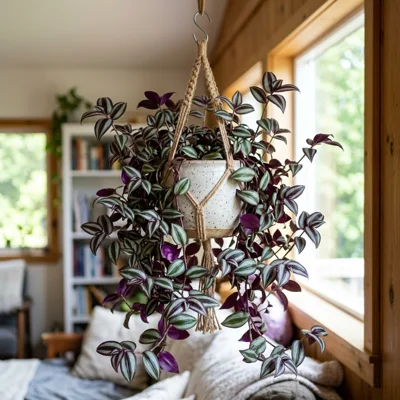
Its coloration is truly spectacular: the tops of the leaves are heavily striped with pale green, white, and intense bubblegum pink, while the undersides glow a vibrant magenta-purple. It grows at an astonishing speed, quickly cascading over the sides of a hanging basket. However, while it was bred to be hardy, it has one major flaw: it absolutely despises getting its leaves wet. Mastering the Nanouk requires changing how you water and learning to be completely ruthless with a pair of scissors.
The Brown Spot Epidemic: Bottom Watering
The single most common complaint about the Nanouk is that the beautiful pink leaves suddenly develop ugly, crispy brown spots that eventually rot the entire leaf.
Because the leaves are slightly fuzzy and grow tightly clustered around the stem, water gets trapped between them. If water sits on the leaves of a Nanouk, it causes immediate fungal rot (brown spots). You cannot water this plant from the top with a watering can. You must bottom-water it. Fill a bowl with a few inches of water, set the pot in the bowl, and let the soil soak the water up from the bottom drainage holes through capillary action. This keeps the delicate leaves perfectly dry.
Light Requirements: Keeping the Pink
Light is the key to maintaining the Nanouk's brilliant pink and purple stripes. If you place the plant in a dark corner, it will rapidly stretch its vines out (etiolation), leaving huge, ugly bare gaps between the leaves. Furthermore, it will completely stop producing pink pigment, turning a dull, muddy green in order to survive the low light.
You must place the plant in bright, indirect light. An east-facing or south-facing window is perfect. A few hours of gentle, direct morning sun will actually intensify the pink coloring, but avoid blazing, hot afternoon sun, which will bleach the leaves.
Watering the Soil
The thick stems of the Nanouk store a significant amount of water, making it surprisingly drought-tolerant. You must allow the top 2 inches of the potting soil to dry out completely before you bottom-water it. If you keep the soil constantly wet, the thick, fleshy stems will turn black and mushy at the soil line, and the entire vine will collapse from rot.
Soil and Potting
Because stem rot is such a major issue, standard potting soil holds water for far too long. You must use a fast-draining mix. Amend high-quality indoor potting soil with at least 30% to 40% perlite to ensure excellent drainage and oxygenation for the roots.
The Secret to a Bushy Plant: Ruthless Pruning
Tradescantias are not meant to live forever as a single, long vine. In nature, they crawl across the ground, abandoning their oldest, back leaves to push new growth forward. Indoors in a hanging basket, this results in a plant with long, stringy vines that are completely bald at the top of the pot.
To fix this, you must be ruthless. Every few weeks, take scissors and snip the tips off the longest vines. Take those cut tips, poke a hole in the bare soil at the top of the pot, and stick the cutting right in. It will root in a matter of days. This continuous "chop and prop" cycle is the only way to keep a Tradescantia Nanouk looking full, bushy, and beautiful.
Toxicity Warning
The thick stems of the Nanouk are filled with a clear sap. This sap is toxic to cats and dogs. It is a severe skin irritant; if a dog brushes against a broken stem, it will often develop an intense, blistering rash (contact dermatitis). If chewed, it causes painful stomach upset, drooling, and vomiting. Keep the trailing vines out of reach.
Calculator
Interactive Calculators for Tradescantia Nanouk
Recommended next actions
Next Best Actions
Use calculators and guides to turn this plant profile into a practical care routine.
Topic Guide
Watering
Learn everything about watering for your indoor and aquarium plants. Expert care tips, troubleshooting, and related guides.
Guide
Brown Crispy Tips on Houseplants: Causes & Fixes
With over 15 years of indoor plant diagnostics and more than 3,000 leaf-tissue cases analyzed, we've mapped the exact mechanisms behind brown crispy tips—fluoride accumulation, salt toxicity, and humidity deficits—so you can reverse damage today.
Topic Guide
Root Rot
Learn how to identify and treat root rot in houseplants. Discover causes, symptoms, and step-by-step solutions to save your plants from overwatering.
Structured Plant Data
Plant Data Profile
The following data is extracted directly from our botanical knowledge graph for accuracy and transparency.
Growth Characteristics
Growth Rate
very fast
Mature Height
Trailing vines up to 3 feet long
Mature Spread
1-2 feet wide
Life Cycle
Perennial
Flowering Season
Spring/Summer (produces tiny, star-shaped pink and white flowers)
Container Friendly
yes
Indoor Capable
yes
Environmental Parameters
| Parameter | Recommended | Survivable |
|---|---|---|
| Temperature | 65°F - 80°F (18°C - 27°C) | 55°F - 90°F (13°C - 32°C) |
| Humidity | 40% - 60% | 30% - 80% |
| Soil PH | 6.0 - 7.0 | 5.5 - 7.5 |
Lighting
Description
Requires massive amounts of bright, indirect light to keep its vivid pink, purple, and green striping. In low light, it stretches rapidly and turns completely green.
Nutrients
Nitrogen Demand
moderate
Phosphate Demand
low
Potassium Demand
moderate
Micronutrient Notes
Extremely fast grower. Feed regularly during the summer to support the massive vine production.
Fertilizer Frequency
Once a month during spring and summer with a balanced liquid fertilizer.
Organic Options
Monthly top dressing of worm castings.
Relationships
-
Root Rot
Vulnerability | Strength 8
Highly susceptible to rot. The thick, fleshy stems will turn black and mushy at the soil line if overwatered.
Tradescantia Variety Comparison
| Variety | Leaf Texture | Color Pattern |
|---|---|---|
| Nanouk | Thick, slightly fuzzy | Bubblegum pink, white, green |
| Zebrina | Thin, smooth | Silver and purple stripes |
| Pallida | Long, velvety | Solid deep purple |
Troubleshooting & Diagnostics Guide
1 Why are the leaves on my Tradescantia Nanouk getting ugly brown spots?
Diagnosis: Water sitting on leaves – causes rot and browning
Treatment: Bottom-water only; remove affected leaves; increase air circulation.
Prevention: Always water from the bottom; keep leaves dry.
2 Why is my plant growing long, bare vines with huge gaps between the leaves?
Diagnosis: Insufficient light – etiolation
Treatment: Move to brighter light; prune leggy stems to encourage fullness.
Prevention: Provide bright indirect light.
3 Why is my bright pink plant turning completely green?
Diagnosis: Low light – loss of pink colour
Treatment: Move to brighter indirect light; new growth will be pink.
Prevention: Give bright light.
4 Why is the top of the pot completely bald?
Diagnosis: Natural leaf loss – needs pruning and propagation to fill top
Treatment: Take stem cuttings and plant them back into the top of the pot; prune regularly.
Prevention: Regular pruning and replanting cuttings.
Authoritative Resources
For additional peer-reviewed information on plant diseases, toxicity, and care, consult these trusted botanical and agricultural extensions:
Glossary of Terms
- Bottom Watering
- A technique where a plant pot is placed in a bowl of water, allowing the soil to absorb moisture upward through the drainage holes. This keeps the leaves dry and prevents fungal rot.
- Chop and Prop
- A slang term in the houseplant community for aggressively cutting vines (chopping) and immediately sticking them back into the soil to root (propagating) to create a bushier plant.
Frequently Asked Questions
Why are the leaves on my Tradescantia Nanouk getting ugly brown spots?
Why is my plant growing long, bare vines with huge gaps between the leaves?
Why is my bright pink plant turning completely green?
Why is the top of the pot completely bald?
Is the Tradescantia Nanouk toxic to pets?
Sources & References
-
Source: powo.science.kew.org
-
Source: aspca.org
Explore More