String of Dolphins Care: Preventing Flat Leaves
The String of Dolphins is a quirky, highly sought-after trailing succulent. However, without intense direct sunlight, its famous dolphin-shaped leaves will unroll and flatten out.
-
Difficulty
moderate
-
Light
Requires hours of direct sunlight every day. Without intense light, the new leaves will unroll and flatten out, losing their signature dolphin shape entirely.
-
Temperature
65°F - 80°F (18°C - 27°C)
-
Growth
fast
-
Humidity
30% - 50%
-
pH range
6.0 - 7.0
-
Biggest Owner Mistake
Overwatering because the playful, plump leaves look like they contain lots of water—which they do, making overwatering especially damaging since the stems rot quickly in wet soil. Wait until the 'dolphins' feel noticeably softer and slightly deflated before watering again.
-
What Nobody Tells You
The distinctive dolphin-jump silhouette of the leaves only holds its shape in bright light—in low light, the leaves flatten out and develop a more elongated, generic shape that looks like string of bananas rather than dolphins. The 'jump' shape is maintained by adequate light intensity, not genetics alone.
-
Real Home Conditions
In low-light indoor positions, strands stretch with wide gaps between leaves and the characteristic shape disappears within one growing season. A very bright windowsill with some direct morning sun gives this plant the conditions it needs to stay compact and dolphin-shaped.
Quick Answer
String of Dolphins is a trailing succulent with leaves shaped like tiny jumping dolphins that requires bright light including some direct sun. Water only after soil fully dries, using a fast-draining succulent mix to prevent bead and stem rot. Handle carefully since the delicate leaves detach easily, and propagate segments on dry soil for new plants.
Key Takeaways
- Provide bright light, including some direct sun, for compact growth.
- Water only after the soil has fully dried out between waterings.
- Use a fast-draining succulent mix to prevent bead and stem rot.
- Handle carefully, since the trailing leaves drop easily when disturbed.
Overview
The String of Dolphins (Senecio peregrinus or Curio x peregrinus) is a rare and highly prized succulent hybrid created by crossing a String of Pearls (S. rowleyanus) with a Candle Plant (S. articulatus). The result is a spectacular trailing vine featuring fleshy leaves that look exactly like tiny, leaping dolphins.
While it is a massive favorite on social media, it frequently disappoints indoor growers who find that their new "dolphins" are unrolling and turning into flat, ordinary-looking leaves. This is because the String of Dolphins is a true sun-worshipper. If you can provide it with the blazing hot window it demands and resist the urge to overwater it, it is a fast-growing, cascading showstopper.
Light Requirements: The Secret to the Dolphin Shape
Light is the absolute most critical element in String of Dolphins care. It requires a minimum of 4 to 6 hours of direct, unfiltered sunlight every single day. If you place it in a dim room or a north-facing window, the plant engages a survival mechanism: it unrolls its curved leaves, flattening them out to maximize the surface area available to catch whatever faint light is present. Once a leaf has flattened, it will never curl back up into a dolphin shape.
You must place this plant directly in a south-facing or west-facing window. Furthermore, ensure that the light hits the top of the pot, not just the trailing vines, to prevent the crown from dying off.
Watering Strategy: The Squeeze Test
Like all succulents, the String of Dolphins stores massive amounts of water in its fleshy leaves. Because of this, it is highly susceptible to root rot if overwatered. You must allow the soil to dry out 100% before you even consider watering it.
Do not water on a schedule. Instead, use the "squeeze test." Gently squeeze one of the mature dolphins. If it feels hard and plump like a grape, do not water the plant, even if the soil is dry. If the dolphin feels slightly soft, deflated, or you can see visible wrinkling, it is time to water. When you do water, soak the pot thoroughly until water pours out the drainage holes, then wait for the cycle to repeat.
Temperature and Humidity
Typical household temperatures between 65°F and 80°F (18°C - 27°C) are ideal. Keep it away from freezing drafts in the winter, as cold damage will cause the leaves to turn to mush. It prefers low humidity and perfectly tolerates the dry air caused by indoor heating and air conditioning. Never mist a String of Dolphins.
Soil and Potting
Excellent drainage is non-negotiable. Standard houseplant soil holds too much water and will kill the roots in days. Use a dedicated cactus or succulent mix, and aggressively amend it with 50% pumice or coarse perlite to ensure water flows through it instantly. Always use a pot with a drainage hole. Terracotta is highly recommended because the porous clay helps the soil dry out significantly faster than plastic or glazed ceramic.
Fertilizing
This succulent is a light feeder. Feed it only twice a year—once in the spring and once in the mid-summer—using a specialized succulent fertilizer diluted to half-strength. Over-fertilizing can cause a spurt of weak, leggy growth with huge gaps between the leaves.
Propagation
Propagating String of Dolphins is incredibly easy and is the best way to make a sparse plant look fuller. Simply snip a few inches off the end of a trailing vine. Remove the bottom two or three dolphins from the stem, and let the cutting sit on a table for 2 to 3 days so the cut end can dry and form a callus. Once callused, stick the bare stem directly into slightly moist succulent soil. Keep it in a bright spot, and it will root within a few weeks.
Toxicity
Like its parent, the String of Pearls, the String of Dolphins is toxic to cats, dogs, and humans. Ingestion can cause vomiting, diarrhea, and lethargy. Fortunately, because it is a trailing plant, it is very easy to keep safely out of reach in a high hanging basket.
Common Problems
Flattening Leaves: The plant is starving for light. Move it to a window with intense, direct sunlight. The old flattened leaves won't change, but all new growth will look like dolphins.
Shriveled, Wrinkled Leaves: The plant is severely dehydrated. Soak the soil thoroughly.
Mushy, Yellowing Leaves: The plant is severely overwatered and suffering from root rot. Stop watering immediately, check the roots, and repot in dry, chunky soil if necessary.
Calculator
Interactive Calculators for String Of Dolphins
Recommended next actions
Next Best Actions
Use calculators and guides to turn this plant profile into a practical care routine.
Topic Guide
Watering
Learn everything about watering for your indoor and aquarium plants. Expert care tips, troubleshooting, and related guides.
Plant Guide
String Of Pearls
After rescuing and rehabilitating over 30 String of Pearls from severe crown rot over the past 6 years, we have cracked the code to keeping this notoriously finicky succulent dense, plump, and thriving indoors.
Plant Guide
String Of Hearts
After rescuing dozens of balding, overwatered String of Hearts from dark corners, we've perfected the 'taco test' method for watering this delicate but fast-growing trailing succulent.
Topic Guide
Root Rot
Learn how to identify and treat root rot in houseplants. Discover causes, symptoms, and step-by-step solutions to save your plants from overwatering.
Structured Plant Data
Plant Data Profile
The following data is extracted directly from our botanical knowledge graph for accuracy and transparency.
Growth Characteristics
Growth Rate
fast
Mature Height
Trailing 2-3 feet
Mature Spread
6-12 inches at the crown
Life Cycle
Perennial
Flowering Season
Fall / Winter (produces small, white, cinnamon-scented puffball flowers)
Container Friendly
yes
Indoor Capable
yes
Environmental Parameters
| Parameter | Recommended | Survivable |
|---|---|---|
| Temperature | 65°F - 80°F (18°C - 27°C) | 50°F - 90°F (10°C - 32°C) |
| Humidity | 30% - 50% | 10% - 60% |
| Soil PH | 6.0 - 7.0 | 5.5 - 7.5 |
Lighting
Description
Requires hours of direct sunlight every day. Without intense light, the new leaves will unroll and flatten out, losing their signature dolphin shape entirely.
Nutrients
Nitrogen Demand
low
Phosphate Demand
low
Potassium Demand
low
Micronutrient Notes
Very light feeder. Over-fertilizing can cause weak, spindly growth.
Fertilizer Frequency
Once in the spring and once in the summer using a succulent fertilizer diluted to half strength.
Organic Options
A light application of worm castings in spring.
Relationships
-
Root Rot
Vulnerability | Strength 9
Extremely susceptible to root rot if the soil stays wet for more than a few days.
Trailing Senecio (Curio) Variety Comparison
| Plant | Leaf Shape | Light Need |
|---|---|---|
| String of Dolphins | Curved, leaping dolphins | Full Direct Sun |
| String of Pearls | Round, green peas | Bright Indirect / Some Sun |
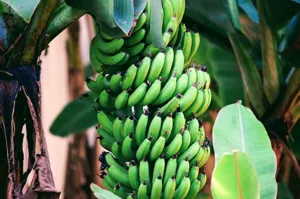
| String of Bananas | Curved, elongated bananas | Bright Indirect / Some Sun |
Troubleshooting & Diagnostics Guide
1 Why are my String of Dolphins flattening out and losing their shape?
Diagnosis: Insufficient light – leaves flatten to increase surface area
Treatment: Move to brighter, direct sunlight; new growth will be dolphin-shaped.
Prevention: Provide bright light.
2 Why is my plant drying up and turning brown at the soil line?
Diagnosis: Crown rot or insufficient light hitting the soil surface
Treatment: Ensure top of pot receives light; adjust watering; if rot, cut and propagate healthy stems.
Prevention: Keep crown exposed to light; avoid overwatering.
Authoritative Resources
For additional peer-reviewed information on plant diseases, toxicity, and care, consult these trusted botanical and agricultural extensions:
Glossary of Terms
- Callus
- A hard, dry protective tissue that forms over a cut or wound on a plant, essential to prevent rot during succulent propagation.
Frequently Asked Questions
Why are my String of Dolphins flattening out and losing their shape?
How often should I water my String of Dolphins?
Is the String of Dolphins toxic to cats?
Why is my plant drying up and turning brown at the soil line?
How do I make my String of Dolphins look fuller?
Sources & References
-
Source: powo.science.kew.org
-
Source: edis.ifas.ufl.edu
Explore More