Pitcher Plant Care Guide: Water, Soil & Feeding Tips
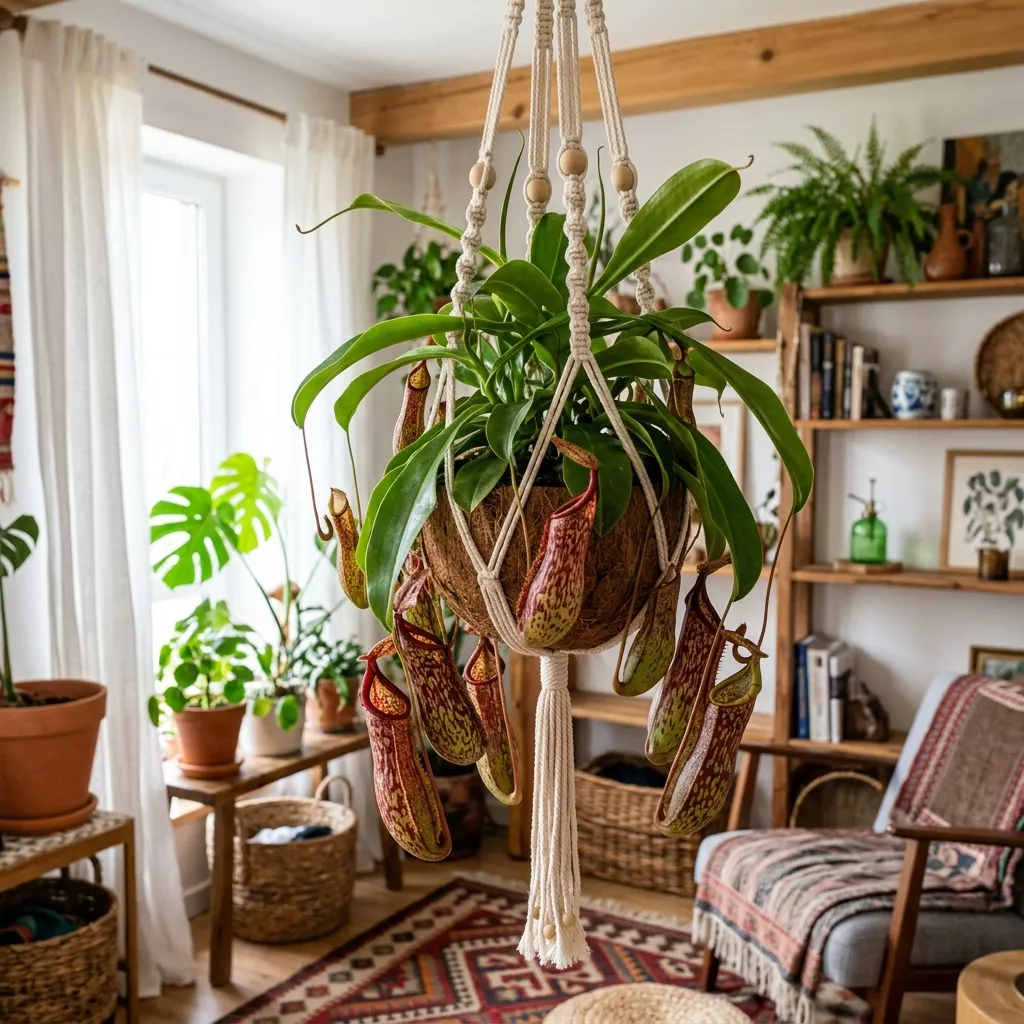
A mesmerizing, pet-safe carnivorous plant that hangs elegantly while naturally controlling household pests like gnats and flies.
-
Difficulty
advanced
-
Light
Requires very bright, indirect light to produce pitchers. Direct afternoon sun will burn the foliage.
-
Temperature
65-85°F (18-29°C)
-
Growth
moderate
-
Humidity
60-90%
-
pH range
4.5-5.5
-
Biggest Owner Mistake
Using tap water or standard potting soil—both introduce minerals and nutrients at levels that are toxic to pitcher plants, which evolved specifically in nutrient-depleted bogs where they catch insects to compensate. Use only distilled or rainwater in a tray, and grow exclusively in peat moss and perlite or long-fiber sphagnum moss.
-
What Nobody Tells You
Pitchers naturally die and brown in winter as part of the plant's dormancy cycle—cutting them off immediately robs the plant of nutrients it's still slowly reabsorbing from the dying tissue. Leave them until they're completely dry before removing.
-
Real Home Conditions
In dry heated homes, the pitcher traps shrivel and stop forming entirely because the humid micro-environment inside the pitcher requires ambient humidity above 60% to develop. It genuinely needs terrarium conditions or a naturally humid room to produce functional traps indoors.
Quick Answer
Pitcher Plants require constantly moist sphagnum moss, very bright, indirect light, and must ONLY be watered with distilled or rain water — never tap water, which harms their roots over time. We have found that maintaining a consistent care routine significantly improves the long-term health of the plant.
Key Takeaways
- Provide bright indirect light and high humidity for healthy pitcher formation.
- Water with distilled or rainwater to avoid mineral buildup over time.
- Avoid fertilizing soil directly; feed pitchers sparingly if at all.
- Maintain consistently moist, well-draining, low-nutrient sphagnum soil at all times.
Overview
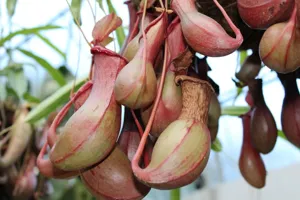
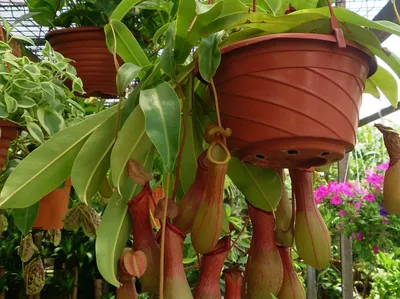
The Tropical Pitcher Plant (Nepenthes) is experiencing a massive surge in popularity in 2026 as plant parents embrace 'functional greenery' that provides natural pest control. Native to Southeast Asia, these carnivorous vines produce modified leaves shaped like colorful cups that lure, trap, and digest insects.
The Golden Rule: Pure Water Only
The fastest way to kill a Pitcher Plant is by giving it tap water or bottled drinking water. These plants evolved in bogs with zero soil nutrients, so their roots cannot process minerals. You must use distilled water, reverse osmosis (RO) water, or pure rainwater. Keep the sphagnum moss planting medium constantly moist.
Lighting and Pitcher Production
If your Nepenthes is growing leaves but failing to form pitchers on the tendrils, it is not getting enough light. They require very bright, indirect light to have the energy to produce pitchers. Hang them near an East or South-facing window, protected from harsh midday sun by a sheer curtain.
Natural Pest Control
Carnivorous plants for gnats and flies are increasingly popular among indoor gardeners — the Pitcher Plant passively traps and digests them without any effort on your part. If your home has the occasional gnat or fly, the plant will feed itself naturally. If you want to boost growth in a bug-free home, drop a single freeze-dried bloodworm (sold as fish food) into one or two pitchers once a month. Never add fertilizer to the soil.
Recommended next actions
Next Best Actions
Use calculators and guides to turn this plant profile into a practical care routine.
Topic Guide
Watering
Learn everything about watering for your indoor and aquarium plants. Expert care tips, troubleshooting, and related guides.
Guide
Tap Water vs Filtered Water for Houseplants: Which Is Better?
Most houseplants tolerate tap water without issue — but a specific group of fluoride-sensitive and mineral-sensitive plants develop brown leaf tips from ordinary municipal water. This guide compares tap water vs filtered water, identifies which plants are actually at risk, and gives you the cheapest effective fix for each scenario.
Topic Guide
Humidity
Learn everything about humidity for your indoor and aquarium plants. Expert care tips, troubleshooting, and related guides.
Calculator
Plant Light Calculator: Find the Best Window for Your Plant
Determine the ideal indoor light placement for your plant based on species, window direction, and seasonal light availability.
Structured Plant Data
Plant Data Profile
The following data is extracted directly from our botanical knowledge graph for accuracy and transparency.
Growth Characteristics
Growth Rate
moderate
Mature Height
Trailing vines can reach several feet
Mature Spread
2 feet wide
Life Cycle
Perennial
Flowering Season
Summer
Container Friendly
yes
Indoor Capable
yes
Environmental Parameters
| Parameter | Recommended | Survivable |
|---|---|---|
| Temperature | 65-85°F (18-29°C) | 55-90°F (13-32°C) |
| Humidity | 60-90% | 50-100% |
| Soil PH | 4.5-5.5 | 4.0-6.0 |
Lighting
Description
Requires very bright, indirect light to produce pitchers. Direct afternoon sun will burn the foliage.
Nutrients
Nitrogen Demand
none
Phosphate Demand
none
Potassium Demand
none
Micronutrient Notes
Do NOT use traditional soil fertilizer. The plant gets all its nitrogen by eating insects.
Fertilizer Frequency
Never fertilize the soil. You may drop one freeze-dried bloodworm into an active pitcher once a month.
Organic Options
Let the plant catch fungus gnats naturally.
Relationships
-
Tap Water Damage
Vulnerability | Strength 10
Minerals in standard tap water will burn the roots and kill the plant within weeks.
Carnivorous Plant Comparison
| Plant Type | Trap Mechanism | Best Placement |
|---|---|---|
| Nepenthes (Tropical Pitcher) | Hanging cups filled with digestive fluid | Indoor hanging baskets |
| Sarracenia (North American Pitcher) | Tall, upright trumpets | Outdoor sunny bogs |
| Venus Flytrap | Snap traps that close when triggered | Sunny windowsills |
Troubleshooting & Diagnostics Guide
1 Not forming new pitchers
Diagnosis: Insufficient light or extremely low humidity.
Treatment: Move the plant closer to a bright window and use a humidifier.
Prevention: Maintain optimal care conditions.
Authoritative Resources
For additional peer-reviewed information on plant diseases, toxicity, and care, consult these trusted botanical and agricultural extensions:
Glossary of Terms
- Distilled Water
- Water that has been boiled into vapor and condensed back into liquid, removing all minerals and impurities.
- Sphagnum Moss
- A lightweight, water-retentive moss used as a soil substitute for carnivorous plants because it is completely devoid of fertilizer.
Frequently Asked Questions
Can I use tap water for my Pitcher Plant?
Why is my Nepenthes not growing any pitchers?
Should I put water inside the empty pitchers?
How often should I feed my Pitcher Plant?
Can I use regular potting soil to repot my plant?
Why are the pitchers turning brown and dying?
Is the Pitcher Plant toxic to cats and dogs?
How do I water my Pitcher Plant?
Should I mist my Pitcher Plant?
Can I feed my Pitcher Plant dead bugs?
Explore More