Burgundy Rubber Tree Care: Resolve Fading & Leaf Drop
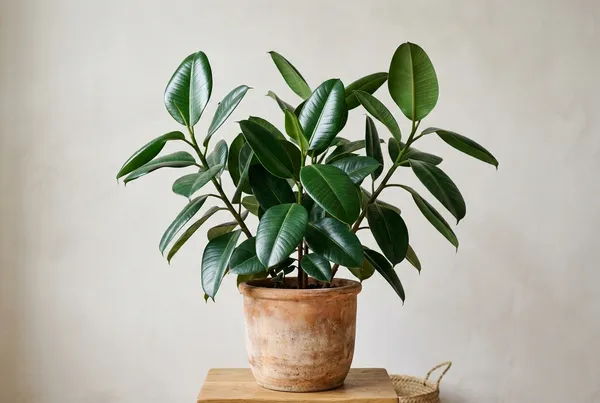
The Burgundy Rubber Tree is a dramatic, moody indoor tree featuring thick, glossy leaves that are so dark red they appear almost black. It requires intense light to maintain its stunning color.
-
Difficulty
easy
-
Light
Requires massive amounts of bright light to maintain its dark color. If kept in a dim room, the leaves will fade to a dull, muddy green. It thrives with a few hours of direct sunlight.
-
Temperature
65°F - 85°F (18°C - 29°C)
-
Growth
moderate
-
Humidity
40% - 60%
-
pH range
6.0 - 6.5
-
Biggest Owner Mistake
Overwatering because the large leaves look like they need consistent moisture—but the thick, waxy leaves store water, and the tree's roots rot quickly in soggy soil. Wait until the top 2 inches of soil are dry, and in winter, let it dry even further between drinks.
-
What Nobody Tells You
The deep burgundy-black color is essentially a biological sunscreen produced in response to intense light—in low light, the plant has no need for it, so new leaves emerge green instead of dark. Bright light is required to maintain the color the plant is named for.
-
Real Home Conditions
In low-light corners, growth slows to a near standstill and the dark color fades, making the plant look underwhelming. Moving it to a spot with bright indirect light—or even some filtered direct sun—is the single most impactful change you can make.
Quick Answer
The Burgundy Rubber Tree needs intense bright light to keep its leaves dark; in low light, they will fade to green. Water only when the top 3-4 inches of soil are dry. Yellowing, dropping lower leaves means you are overwatering.
Key Takeaways
- Provide bright, indirect sunlight to maintain deep, near-black burgundy foliage.
- Allow the top 3 to 4 inches of soil to dry out completely before re-watering.
- Wipe broad, glossy leaves monthly with a damp cloth to clear dust from stomata.
- Prune or notch the central stem in spring to encourage lateral branching.
Overview
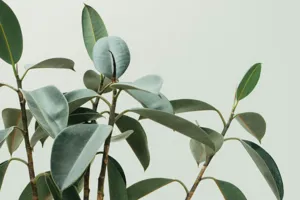
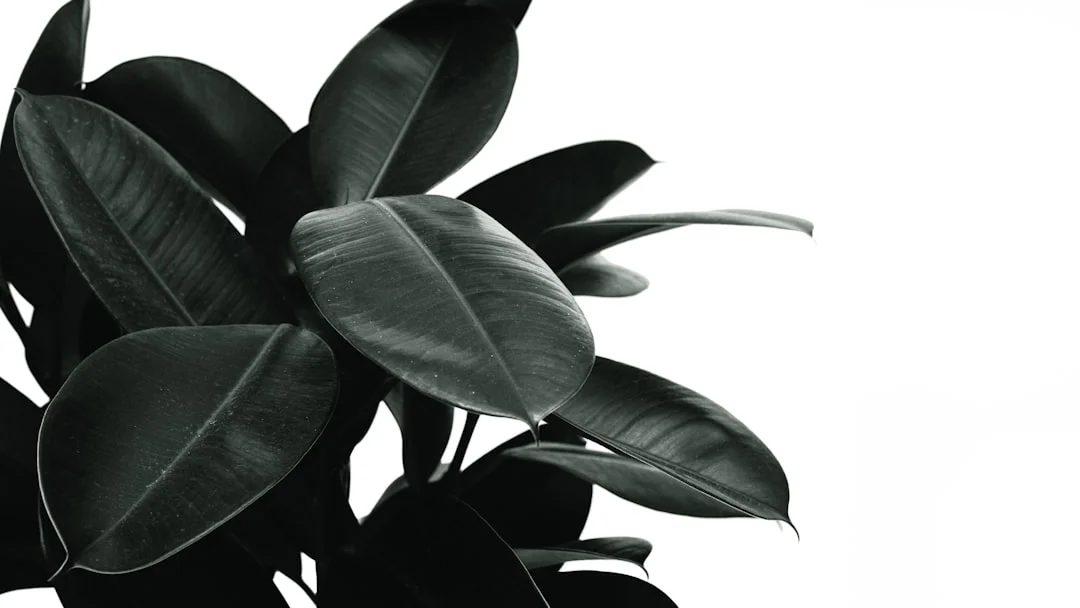
The Burgundy Rubber Tree (Ficus elastica 'Burgundy') is the ultimate moody statement plant. While the standard Rubber Tree has plain green leaves, the Burgundy cultivar features thick, incredibly glossy, leathery leaves that are so deeply red they appear almost black. When a new leaf emerges, it is protected by a brilliant, fire-engine red sheath, creating a stunning contrast against the dark foliage.
While it belongs to the Ficus family (alongside the notoriously dramatic Fiddle Leaf Fig and Weeping Fig), the Rubber Tree is significantly hardier and much more forgiving of beginner mistakes. It rarely drops its leaves due to a simple cold draft. However, keeping the plant looking its absolute best—specifically, keeping the leaves dark black/red rather than a dull green—requires a mastery of indoor lighting.
Light Requirements: Keeping it Dark
The dark burgundy pigmentation is an active response to intense light. If you place a Burgundy Rubber Tree in a dimly lit corner, it will realize it is starving. To compensate, it will flood its leaves with green chlorophyll to maximize photosynthesis. The result? Your stunning, nearly black tree will fade into a dull, muddy, standard green.
To maintain the dark, dramatic color, the tree must be placed directly in front of a massive, bright window (south or west-facing is ideal). It absolutely thrives when it receives a few hours of direct sunlight hitting its thick, waxy leaves.
Watering: The Cause of Leaf Drop
While a Fiddle Leaf Fig will drop its leaves if you simply look at it wrong, a Rubber Tree usually only drops its leaves for one reason: severe overwatering. The thick, rubbery leaves store a significant amount of water, meaning the tree is quite drought-tolerant.
You must allow the top 3 to 4 inches of the potting soil to dry out completely before you water. Stick your finger deep into the pot; if it feels damp, wait another week. When you do water, soak the pot thoroughly until water flows out the drainage holes, but never let the tree sit in a saucer of stagnant water. If the lowest leaves turn yellow, droop, and fall off, you are watering too frequently.
Temperature and Humidity
This is a tropical tree that requires warm temperatures between 65°F and 85°F (18°C - 29°C). Keep it away from freezing winter doors and air conditioning vents. Thanks to its thick, waxy leaves, it has absolutely zero need for a humidifier and perfectly tolerates the dry air of centrally heated homes.
Soil and Potting
Standard indoor potting soil holds water for far too long and will eventually suffocate the roots. You must use a chunky, fast-draining mix. Amending a high-quality potting soil with 30-40% perlite and some coarse orchid bark will provide the perfect balance of moisture retention and aeration. Rubber trees grow into massive, top-heavy plants, so potting them in a heavy, glazed ceramic or terracotta pot is highly recommended to prevent them from tipping over.
Pruning and Maintenance
Because the leaves are so large and dark, they show dust instantly. A thick layer of dust will block sunlight from reaching the chloroplasts, causing the plant to slowly starve. You must wipe the leaves down with a soft, damp microfiber cloth every few weeks. Do not use chemical leaf-shine products, as they clog the plant's pores.
Left to its own devices, the tree will grow straight up to the ceiling as a single pole. To force it to branch out and become a bushy tree, you must prune the top of the main stem off in the spring.
Toxicity Warning
Like all plants in the Ficus family, the Rubber Tree bleeds a thick, sticky, milky white latex sap when a leaf is torn or a branch is cut. This sap is toxic to cats and dogs, causing intense oral irritation and vomiting. It is also highly irritating to human skin. If you get the sap on your hands while pruning, wash it off immediately with soap and hot water to prevent a rash.
Recommended next actions
Next Best Actions
Use calculators and guides to turn this plant profile into a practical care routine.
Topic Guide
Watering
Learn everything about watering for your indoor and aquarium plants. Expert care tips, troubleshooting, and related guides.
Plant Guide
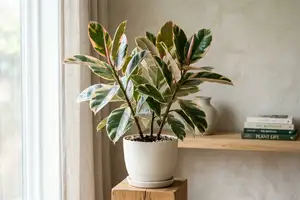
Ficus Elastica Tineke
The Ficus Tineke is a spectacular variegated Rubber Tree featuring leaves painted in shades of green, cream, and pink. It requires significantly more sunlight than its solid-green cousins.
Guide
Yellow Houseplant Leaves: Diagnose & Fix Guide 2026
After diagnosing hundreds of yellow-leaf cases across dozens of plant species, we've mapped the ten distinct causes that look nearly identical at first glance — and built the only systematic guide that tells you not just what's wrong, but exactly how to confirm it and fix it.
Topic Guide
Root Rot
Learn how to identify and treat root rot in houseplants. Discover causes, symptoms, and step-by-step solutions to save your plants from overwatering.
Structured Plant Data
Plant Data Profile
The following data is extracted directly from our botanical knowledge graph for accuracy and transparency.
Growth Characteristics
Growth Rate
moderate
Mature Height
6-10 feet indoors
Mature Spread
2-3 feet wide
Life Cycle
Perennial
Flowering Season
Rarely flowers indoors
Container Friendly
yes
Indoor Capable
yes
Environmental Parameters
| Parameter | Recommended | Survivable |
|---|---|---|
| Temperature | 65°F - 85°F (18°C - 29°C) | 55°F - 95°F (13°C - 35°C) |
| Humidity | 40% - 60% | 20% - 80% |
| Soil PH | 6.0 - 6.5 | 5.5 - 7.5 |
Lighting
Description
Requires massive amounts of bright light to maintain its dark color. If kept in a dim room, the leaves will fade to a dull, muddy green. It thrives with a few hours of direct sunlight.
Nutrients
Nitrogen Demand
moderate
Phosphate Demand
low
Potassium Demand
moderate
Micronutrient Notes
Feed regularly during the summer to support its large, thick leaves.
Fertilizer Frequency
Once a month during spring and summer with a balanced liquid fertilizer.
Organic Options
Monthly top dressing of worm castings.
Relationships
-
Root Rot
Vulnerability | Strength 8
Highly susceptible to root rot if overwatered, which quickly manifests as drooping, yellowing lower leaves.
Rubber Tree Variety Comparison
| Variety | Leaf Color | Light Need |
|---|---|---|
| Burgundy | Nearly black / Dark red | High (To keep dark) |
| Tineke | Green, cream, and pink camo | Very High (To keep pink) |
| Robusta | Solid emerald green | Moderate |
Authoritative Resources
For additional peer-reviewed information on plant diseases, toxicity, and care, consult these trusted botanical and agricultural extensions:
Glossary of Terms
- Sheath
- A protective, modified leaf that encloses a new, developing leaf. On the Rubber Tree, the sheath is bright red and eventually dries up and falls off.
- Latex
- A milky fluid found in many plants, such as Ficus, which exudes when the plant is cut. It is highly irritating to the skin and toxic to pets.
Frequently Asked Questions
Why is my Burgundy Rubber Tree turning green?
Why are the bottom leaves turning yellow and falling off?
How do I make my Rubber Tree branch out?
What is the red spike at the top of the plant?
Is the Rubber Tree toxic to pets?
Sources & References
-
Source: powo.science.kew.org
-
Source: edis.ifas.ufl.edu
Explore More