Corn Plant Care: How to Prevent Brown Tips on Dracaena
The Corn Plant is an office staple for a reason: it's nearly indestructible. We explain how to manage its one true weakness—fluoride in tap water—to keep the long, strappy leaves looking pristine.
-
Difficulty
beginner
-
Light
Prefers medium to bright indirect light. It can survive in low light (like a dark corner) but growth will be extremely slow. Direct sun will scorch the leaves.
-
Temperature
65°F - 80°F (18°C - 27°C)
-
Growth
slow
-
Humidity
40% - 50%
-
pH range
6.0 - 6.5
-
Biggest Owner Mistake
Overwatering because the wide tropical leaves look thirsty—but the thick cane stores water, and saturated soil causes root rot that progresses unseen until the cane itself softens. Wait until the top 2 inches of soil are dry before watering.
-
What Nobody Tells You
Brown leaf tips are almost never caused by underwatering—they're caused by fluoride and dissolved salts in tap water accumulating in the leaf tissue over time. Switching to distilled water stops new browning, though existing tips won't recover.
-
Real Home Conditions
Positioned near heating vents, the canes drop lower leaves and the tips of upper leaves brown simultaneously because the hot dry air stresses both the root zone and the leaf surface at once. Moving it away from any forced-air source makes an immediate difference.
Quick Answer
The Corn Plant is incredibly sensitive to fluoride in tap water, which causes brown leaf tips over time. Water only when the top half of the soil is dry, and exclusively use distilled or rainwater for best results. We have found that maintaining a consistent care routine significantly improves the long-term health of the plant.
Key Takeaways
- Provide medium to bright indirect light, though lower ambient light is tolerated.
- Allow the top 50% of the potting mix to dry out before watering thoroughly.
- Use fluoride-free distilled or filtered water to prevent brown, papery tips.
- Keep away from pets, as foliage contains toxic saponin compounds.
Overview
The Corn Plant (Dracaena fragrans, sometimes sold as Mass Cane) is a ubiquitous, tree-like houseplant prized for its thick, woody canes and long, arching, striped leaves that resemble corn foliage. It is a staple in offices, malls, and living rooms because it is incredibly forgiving of neglect and low light. However, almost every grower eventually faces the same frustrating cosmetic issue: the tips of the beautiful leaves turn brown and crispy. This guide will teach you the specific watering requirements and the crucial water quality adjustments needed to keep this reliable giant looking flawless.
Native to tropical Africa, the Corn Plant is an understory shrub that is accustomed to filtered light and periods of dry weather. The thick, woody stems (canes) store moisture, making the plant highly resilient to drought but extremely vulnerable to being suffocated in heavy, constantly wet indoor potting soil. The key to Dracaena care is understanding that "less is more" when it comes to watering and fertilizing.
Light
Corn Plants are highly adaptable to various lighting conditions. They look best and grow steadily in medium to bright indirect light, such as an east-facing window or a few feet away from a south-facing window. They can survive for years in low-light environments, like a dark corner or a fluorescent-lit office, but their growth will be incredibly slow and the vibrant yellow/green stripes on the leaves may fade. Direct, hot afternoon sunlight must be avoided, as it will scorch the foliage and cause large brown burn marks.
Temperature
This tropical plant prefers standard household temperatures between 65°F and 80°F (18°C - 27°C). It is sensitive to cold drafts. Prolonged exposure to temperatures below 55°F (13°C) will cause the leaves to curl, turn gray, and drop. Keep it away from drafty winter windows and out of the direct path of air conditioning vents.
Humidity
Dracaenas are very tolerant of standard indoor humidity levels (40% to 50%). While they will appreciate slightly higher humidity, a room humidifier is rarely necessary unless your home is exceptionally dry (under 30%) during the winter. You do not need to mist the leaves.
Watering and Water Quality
Water quality is the single most important factor in Dracaena care. They are notoriously sensitive to fluoride, chlorine, and heavy minerals found in municipal tap water. Using tap water is the primary cause of those frustrating brown, crispy leaf tips. To prevent this, you must water your Corn Plant with distilled water, rainwater, or water purified by reverse osmosis. Regarding frequency, you must let the soil dry out significantly between waterings. Allow the top 50% of the potting mix to dry out completely. In a large 10-inch or 12-inch pot, this usually means watering only once every two to three weeks. When you do water, soak the soil thoroughly until water runs out the drainage holes, but never let the pot sit in a saucer of standing water.
Soil
A standard indoor potting mix is generally fine, but because it is crucial that the soil dries out between waterings, amending the mix with 20% to 30% perlite or pumice will vastly improve drainage. Heavy, water-retaining soils will cause the thick canes to rot.
Fertilizer
Corn Plants are very slow growers and require minimal feeding. Furthermore, they are highly sensitive to a buildup of fertilizer salts in the soil, which will burn the roots and cause brown leaf tips. Feed sparingly. Apply a balanced liquid houseplant fertilizer diluted to quarter strength only once or twice a year during the spring and summer. Do not fertilize during the fall and winter.
Propagation
Propagating a Dracaena is easy and is a great way to rejuvenate a plant that has grown too tall and "leggy." You can propagate via stem cuttings. Simply cut the leafy top off the plant (leaving a few inches of bare stem attached). Let the cut end dry for a day, then place it in water or directly into moist potting mix to root. The original cane that you cut the top off of will sprout new growth points just below the cut, resulting in a branched, bushier plant.
Repotting
Because they grow so slowly and have a relatively small root system compared to their height, Corn Plants rarely need repotting. You generally only need to repot every three to five years, or when the roots are severely circling the bottom of the pot. When repotting, use a heavy pot (like terracotta or ceramic) that is only one or two inches wider in diameter; the weight will prevent the top-heavy plant from tipping over.
Toxicity
The Corn Plant is toxic to cats and dogs. It contains toxic saponins. If a pet chews on the leaves, it will cause gastrointestinal upset, vomiting (sometimes with blood), excessive drooling, and depression. Keep the plant out of reach of pets that are known to actively chew on houseplants.
Common Problems
Brown, crispy leaf tips are almost always caused by fluoride in tap water or a buildup of fertilizer salts. Switch to distilled water. You can safely trim the brown tips off with sterilized scissors. Yellowing, dropping lower leaves are a normal part of the plant's aging process as it grows a bare trunk. However, if multiple leaves turn yellow rapidly, or if the woody cane feels soft and squishy at the base, the plant is suffering from stem rot due to chronic overwatering.
Calculator
Interactive Calculators for Corn Plant
Recommended next actions
Next Best Actions
Use calculators and guides to turn this plant profile into a practical care routine.
Topic Guide
Watering
Learn everything about watering for your indoor and aquarium plants. Expert care tips, troubleshooting, and related guides.
Guide
Tap Water vs Filtered Water for Houseplants: Which Is Better?
Most houseplants tolerate tap water without issue — but a specific group of fluoride-sensitive and mineral-sensitive plants develop brown leaf tips from ordinary municipal water. This guide compares tap water vs filtered water, identifies which plants are actually at risk, and gives you the cheapest effective fix for each scenario.
Guide
17 Pet-Safe Indoor Plants for Cats and Dogs (ASPCA-Verified)
After designing over 1,200 pet-safe indoor gardens across the US and Europe, I'll show you exactly which houseplants are truly safe for cats and dogs—why your pet chews them in the first place, and how to keep the plants alive through dry winters and AC summers.
Topic Guide
Root Rot
Learn how to identify and treat root rot in houseplants. Discover causes, symptoms, and step-by-step solutions to save your plants from overwatering.
Structured Plant Data
Plant Data Profile
The following data is extracted directly from our botanical knowledge graph for accuracy and transparency.
Growth Characteristics
Growth Rate
slow
Mature Height
4-6 feet indoors (can reach 15+ feet outdoors)
Mature Spread
2-3 feet
Life Cycle
Perennial
Flowering Season
Rarely flowers indoors (highly fragrant white flower spikes if it does)
Container Friendly
yes
Indoor Capable
yes
Environmental Parameters
| Parameter | Recommended | Survivable |
|---|---|---|
| Temperature | 65°F - 80°F (18°C - 27°C) | 60°F - 90°F (15°C - 32°C) |
| Humidity | 40% - 50% | 30% - 70% |
| Soil PH | 6.0 - 6.5 | 5.5 - 7.5 |
Lighting
Description
Prefers medium to bright indirect light. It can survive in low light (like a dark corner) but growth will be extremely slow. Direct sun will scorch the leaves.
Nutrients
Nitrogen Demand
low
Phosphate Demand
low
Potassium Demand
low
Micronutrient Notes
Extremely sensitive to fluoride and fertilizer salt buildup.
Fertilizer Frequency
Once or twice a year during spring and summer at quarter strength.
Organic Options
Light compost top-dressing.
Relationships
-
Root Rot
Vulnerability | Strength 8
Large pots often hold moisture deep down. Watering too frequently will rot the thick canes.
Dracaena Variety Comparison
| Variety | Key Feature | Growth Habit |
|---|---|---|
| Fragrans (Corn Plant) | Broad, arching leaves with a central yellow stripe | Thick woody canes |
| Marginata (Dragon Tree) | Thin, spiky leaves with red edges | Thin, twisting woody canes |
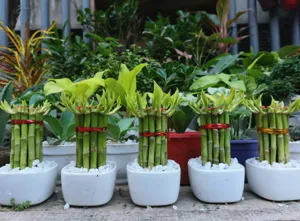
| Sanderiana (Lucky Bamboo) | Small, pliable green stems | Often grown in water, small |
Troubleshooting & Diagnostics Guide
1 Tips of the leaves are turning brown and crispy
Diagnosis: Fluoride toxicity from tap water, or fertilizer salt buildup in the soil.
Treatment: Switch to watering exclusively with distilled or rainwater, and flush the soil periodically.
Prevention: Maintain optimal care conditions.
Authoritative Resources
For additional peer-reviewed information on plant diseases, toxicity, and care, consult these trusted botanical and agricultural extensions:
Glossary of Terms
- Saponins
- Naturally occurring toxic chemical compounds found in some plants, including Dracaena, that foam when agitated in water and cause severe gastrointestinal irritation if ingested.
- Cane
- A thick, sturdy, often woody stem of a plant. In Dracaena, the canes are usually chopped to various heights to create a tiered effect in the pot.
Frequently Asked Questions
Why are the tips of my Corn Plant turning brown and crispy?
How often should I water my Dracaena fragrans?
Is the Corn Plant safe for cats and dogs?
Why are the bottom leaves of my Corn Plant turning yellow and falling off?
Can I cut the brown tips off my Corn Plant?
Does my Corn Plant need direct sunlight?
Why is the trunk of my Corn Plant soft and wrinkly?
How do you propagate a Corn Plant?
Sources & References
-
Source: powo.science.kew.org
-
Source: missouribotanicalgarden.org
-
Source: plants.ces.ncsu.edu
-
Source: edis.ifas.ufl.edu
-
Source: worldfloraonline.org
Explore More