Polka Dot Begonia Care: Preventing Crispy Edges & Mold
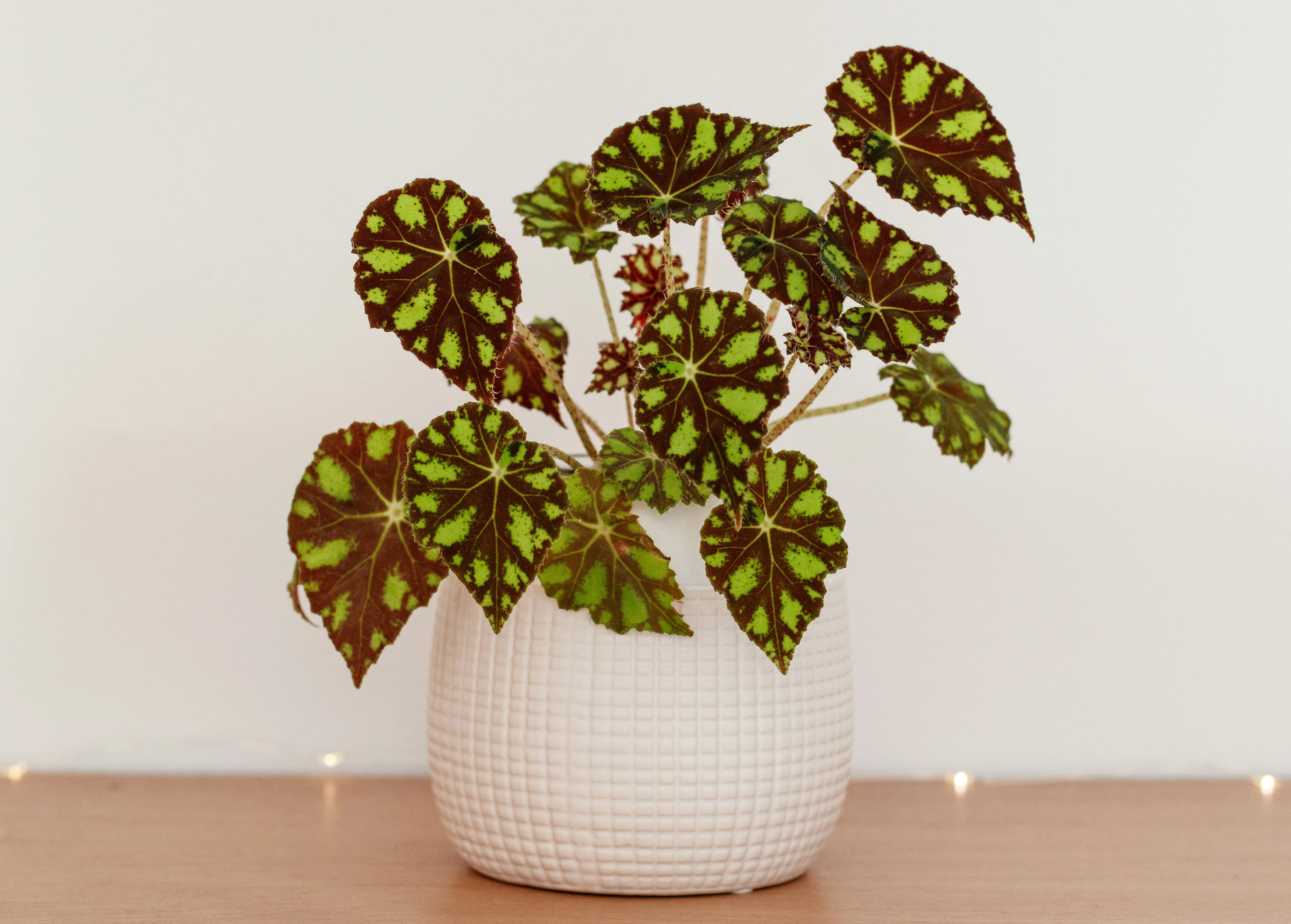
The Polka Dot Begonia (Maculata) is a dramatic, show-stopping plant famous for its silver-spotted, angel-wing leaves. It requires a delicate balance of high humidity and excellent airflow to thrive.
-
Difficulty
advanced
-
Light
Requires bright, indirect light to produce flowers and maintain its dark green/silver contrast. Direct sun will severely burn the delicate, asymmetrical leaves.
-
Temperature
65°F - 85°F (18°C - 29°C)
-
Growth
fast
-
Humidity
50% - 80%
-
pH range
6.0 - 6.5
-
Biggest Owner Mistake
Misting the leaves to boost humidity—the white polka dots are thinner areas of the leaf that trap moisture and develop powdery mildew or rot spots within days. Use a pebble tray or humidifier instead, which raises ambient humidity without wetting the foliage.
-
What Nobody Tells You
It blooms with clusters of small white or pink flowers when mature, and these appear repeatedly if the plant experiences a few weeks of cooler nights around 60°F. Most owners never see flowers because they keep it in consistently warm rooms year-round.
-
Real Home Conditions
In dry indoor air, leaf edges crisp and the plant progressively sheds its lower leaves, leaving a bare stem. Grouping it with other plants or running a humidifier is essential to slow this natural decline.
Quick Answer
The Polka Dot Begonia needs bright, indirect light, high humidity, and evenly moist soil. Never mist the leaves, as they are highly susceptible to powdery mildew and fungal rot when moisture sits on the foliage. For best results, we suggest keeping an eye on the plant's response throughout the active growing season.
Key Takeaways
- Provide bright, indirect sunlight to maintain prominent silver polka dots.
- Water when the top 1 to 2 inches of potting mix feel dry to the touch.
- Maintain high humidity using humidifiers while avoiding direct leaf misting.
- Ensure good airflow around stems to prevent powdery mildew infections.
Overview
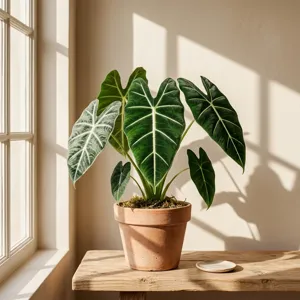
The Polka Dot Begonia (Begonia maculata 'Wightii') is undeniably one of the most striking houseplants in existence. Native to the tropical forests of Brazil, it features large, asymmetrical, "angel-wing" shaped leaves that are deep olive green on top and bright crimson red underneath. The top of the foliage is heavily decorated with perfectly round, metallic silver polka dots.
As a "cane begonia," it grows on tall, bamboo-like stems and frequently produces gorgeous clusters of white, bell-shaped flowers. However, this is not a beginner's plant. The Begonia Maculata is notoriously finicky. It demands high humidity but will instantly develop devastating fungal infections if the air is stagnant. It hates being too dry, but will drop all its leaves if kept too wet. Mastering this delicate balance is essential for success.
Light Requirements
To maintain the dark green background color, the bright silver spots, and the deep red undersides, the plant needs very bright, indirect light. An east-facing window is ideal, as the gentle morning sun won't scorch the foliage. If placed in a dark room, the new leaves will be small, the stems will become weak and leggy, and the plant will refuse to bloom. Never expose it to harsh, direct afternoon sun, which will literally burn holes through the thin leaves.
Watering: The Fine Line
Watering a Begonia Maculata is an exercise in moderation. The soil must be kept evenly moist, but never soggy. Wait until the top inch of the soil feels dry to the touch before watering again. Do not let the pot dry out completely, or the leaf edges will rapidly turn brown and crispy.
When you do water, use a narrow-spout watering can and apply water directly to the soil. Never get the leaves wet. Water sitting on the leaves is a guaranteed invitation for fungal rot and powdery mildew.
Temperature and Humidity: The Crispy Edge Dilemma
This tropical plant requires temperatures between 65°F and 85°F (18°C - 29°C). Keep it away from all drafts, radiators, and AC vents.
Humidity is the hardest part of Begonia care. In standard indoor environments with central heating (often under 40% humidity), the tips and edges of the leaves will rapidly dry out, turn brown, and become crispy. It demands humidity levels above 50% (ideally 60-80%). However, you cannot achieve this by misting the plant. Misting causes fungal disease. You must use a dedicated room humidifier placed a few feet away, or keep the plant in an open, bright bathroom.
Airflow and Powdery Mildew
While the Begonia needs high humidity, it also demands excellent airflow. If you put it in a highly humid environment with stagnant air (like a poorly ventilated terrarium), it will contract Powdery Mildew. This looks like circular patches of white, powdery dust on the leaves. If you see this, isolate the plant immediately, treat with a fungicide, and add a small fan to the room to keep the air moving.
Soil and Potting
A light, fluffy, well-draining soil is required. Standard potting soil is too heavy. Amend your soil with generous amounts of perlite and a bit of peat moss to create a mix that holds moisture but drains rapidly. Because it grows tall on cane-like stems, you will eventually need to insert a bamboo stake into the pot to tie the stems to, preventing the heavy plant from snapping under its own weight.
Fertilizing
The Polka Dot Begonia is a vigorous grower and frequent bloomer. Feed it every two weeks during the spring and summer using a liquid houseplant fertilizer. If you want to encourage more flowers, choose a fertilizer with a slightly higher phosphorus number.
Toxicity Warning
Begonias are highly toxic to pets. They contain soluble calcium oxalates. While chewing on the leaves will cause severe burning in the mouth, vomiting, and excessive drooling, the roots and tubers are significantly more toxic. If a dog or cat digs up and eats the lower stems or roots, it can lead to acute kidney failure. Keep this plant well out of reach.
Recommended next actions
Next Best Actions
Use calculators and guides to turn this plant profile into a practical care routine.
Topic Guide
Humidity
Learn everything about humidity for your indoor and aquarium plants. Expert care tips, troubleshooting, and related guides.
Plant Guide
Ficus Lyrata Bambino
The Ficus Bambino is a dwarf cultivar that provides the iconic look of a Fiddle Leaf Fig without taking over your apartment. However, it shares the exact same dramatic, finicky care requirements.
Guide
Brown Crispy Tips on Houseplants: Causes & Fixes
With over 15 years of indoor plant diagnostics and more than 3,000 leaf-tissue cases analyzed, we've mapped the exact mechanisms behind brown crispy tips—fluoride accumulation, salt toxicity, and humidity deficits—so you can reverse damage today.
Topic Guide
Powdery Mildew
Learn everything about powdery mildew for your indoor and aquarium plants. Expert care tips, troubleshooting, and related guides.
Structured Plant Data
Plant Data Profile
The following data is extracted directly from our botanical knowledge graph for accuracy and transparency.
Growth Characteristics
Growth Rate
fast
Mature Height
3-5 feet indoors
Mature Spread
1-2 feet
Life Cycle
Perennial
Flowering Season
Spring/Summer (produces cascading clusters of white or pale pink flowers)
Container Friendly
yes
Indoor Capable
yes
Environmental Parameters
| Parameter | Recommended | Survivable |
|---|---|---|
| Temperature | 65°F - 85°F (18°C - 29°C) | 60°F - 90°F (15°C - 32°C) |
| Humidity | 50% - 80% | 40% - 90% |
| Soil PH | 6.0 - 6.5 | 5.5 - 7.0 |
Lighting
Description
Requires bright, indirect light to produce flowers and maintain its dark green/silver contrast. Direct sun will severely burn the delicate, asymmetrical leaves.
Nutrients
Nitrogen Demand
moderate
Phosphate Demand
high
Potassium Demand
moderate
Micronutrient Notes
Requires elevated phosphorus to support its continuous blooming cycles.
Fertilizer Frequency
Every two weeks during spring and summer with a blooming houseplant fertilizer.
Organic Options
Bone meal mixed into the topsoil.
Relationships
-
Powdery Mildew
Vulnerability | Strength 9
Extremely susceptible to powdery mildew (white fuzzy spots on leaves) if grown in high humidity without adequate air circulation.
Begonia Type Comparison
| Type | Key Feature | Care Focus |
|---|---|---|
| Cane (Maculata) | Tall stems, spotted leaves | Airflow & Staking |
| Rex | Swirling metallic colors | High Humidity (Terrariums) |
| Tuberous | Massive, rose-like blooms | Strict Dormancy Period |
Troubleshooting & Diagnostics Guide
1 Why are the tips of my Begonia Maculata leaves turning brown and crispy?
Diagnosis: Low humidity or inconsistent watering
Treatment: Increase humidity to 50% or higher using a humidifier or pebble tray. Water when the top inch of soil is dry, ensuring thorough soaking.
Prevention: Maintain stable moisture and high humidity, avoid dry air from heating/cooling vents.
2 Why is my Polka Dot Begonia dropping healthy leaves?
Diagnosis: Environmental stress (overwatering, cold drafts, relocation shock)
Treatment: Check for soggy soil; reduce watering if overwatered. Move to a stable spot away from drafts; avoid frequent relocation.
Prevention: Keep consistent temperature and watering; avoid moving the plant unnecessarily.
3 What are the white, fuzzy spots on the leaves?
Diagnosis: Powdery mildew (fungal infection)
Treatment: Remove affected leaves; apply a fungicide labelled for powdery mildew; improve air circulation and reduce humidity spikes.
Prevention: Ensure good airflow, avoid overhead watering, and keep leaves dry.
Authoritative Resources
For additional peer-reviewed information on plant diseases, toxicity, and care, consult these trusted botanical and agricultural extensions:
Glossary of Terms
- Powdery Mildew
- A highly contagious fungal disease that affects a wide range of plants. It appears as a white, dusty or powdery coating on the surface of leaves and stems.
- Cane Begonia
- A grouping of begonias characterized by their tall, tough, bamboo-like stems and asymmetrical 'angel-wing' leaves.
Frequently Asked Questions
Why are the tips of my Begonia Maculata leaves turning brown and crispy?
Why is my Polka Dot Begonia dropping healthy leaves?
What are the white, fuzzy spots on the leaves?
Is the Polka Dot Begonia toxic to pets?
Should I mist my Begonia Maculata?
Sources & References
-
Source: powo.science.kew.org
-
Source: edis.ifas.ufl.edu
Explore More