Moon Valley Pilea Indoor Guide: Resolve Crispy, Dying Leaves
The Moon Valley Pilea is a compact, pet-safe plant famous for its deeply textured, cratered leaves that look like the surface of the moon. It requires high humidity and constantly moist soil to survive.
-
Difficulty
advanced
-
Light
Requires bright, indirect light to keep its intricate, cratered texture and bronze coloring. Direct sun will instantly scorch the delicate leaves.
-
Temperature
65°F - 80°F (18°C - 27°C)
-
Growth
fast
-
Humidity
60% - 80%
-
pH range
5.5 - 6.5
-
Biggest Owner Mistake
Letting it dry out completely because it looks like a succulent—unlike pilea peperomioides, Moon Valley has thin, deeply textured leaves with minimal water storage, and it collapses irreversibly after a single dry-out event. Keep the soil consistently moist but never waterlogged.
-
What Nobody Tells You
The deeply cratered 'moon valley' surface between leaf veins is an excellent dust trap that can clog pores and attract fungus gnats if left uncleaned. A soft-bristled brush or gentle cloth wipe every few weeks keeps the texture clean and the plant healthy.
-
Real Home Conditions
In dry air, the leaf edges curl upward and develop brown margins even when watering is correct, because the large textured surface area loses moisture to the air rapidly. A pebble tray with water or a nearby humidifier is the most practical ongoing solution.
Quick Answer
The Moon Valley Pilea requires evenly moist soil, bright, indirect light, and high humidity. If the air is too dry or the soil dries out completely, the highly textured leaves will quickly turn crispy. We recommend observing the plant closely over a few weeks to ensure it adjusts well to its environment.
Key Takeaways
- Provide bright indirect light for the best deeply textured leaf pattern.
- Water when the top 1-2 inches of soil feel dry to the touch.
- Maintain moderate humidity year-round to prevent crispy leaf edges to support robust and healthy growth over time.
- Avoid direct sun, which can scorch the deeply quilted foliage.
Overview
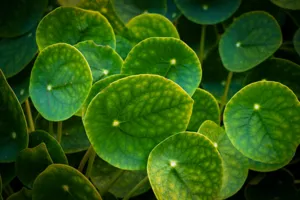
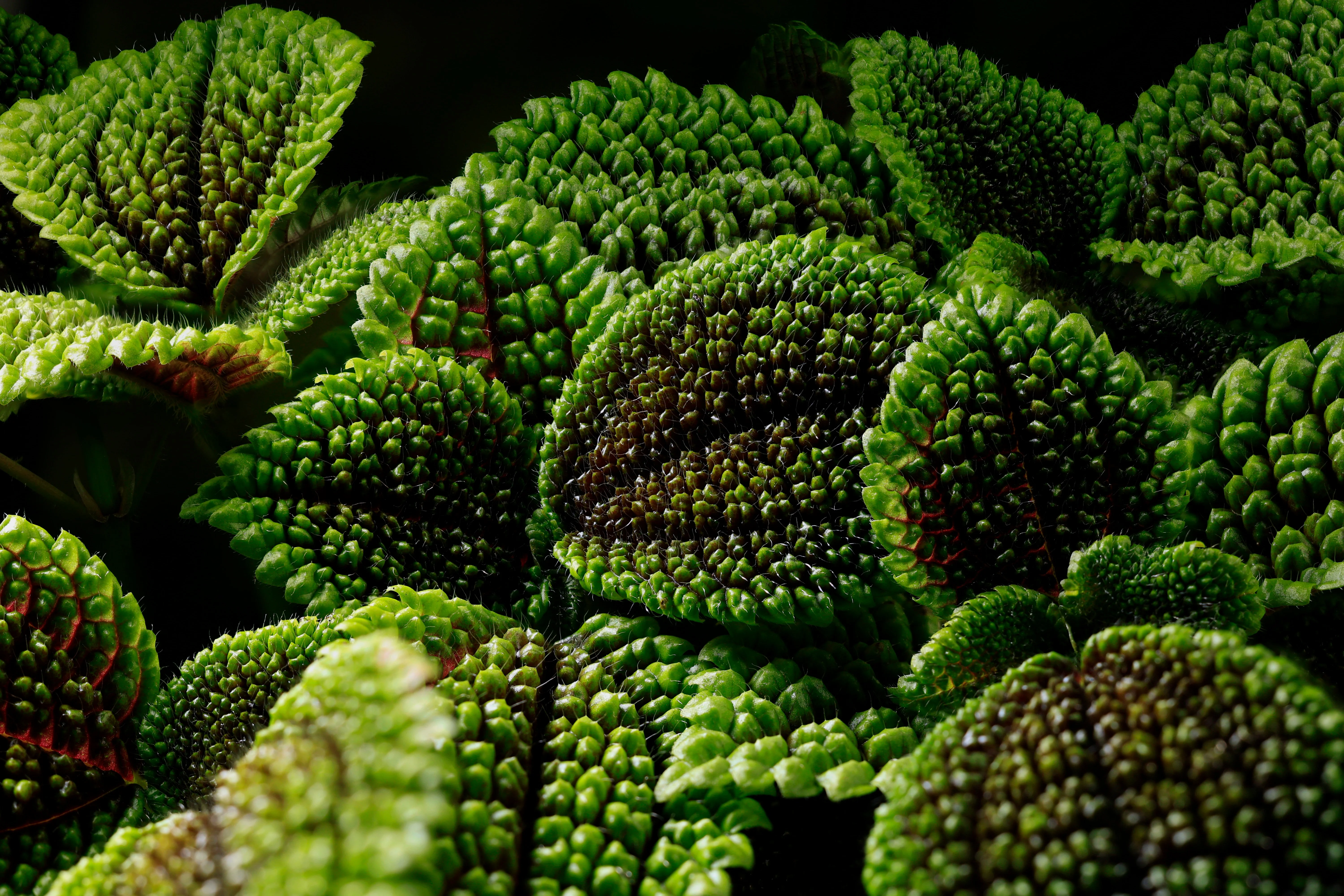
The Moon Valley Pilea (Pilea involucrata, often sold interchangeably as Pilea mollis) is grown entirely for its bizarre and fascinating texture. Its leaves are deeply corrugated and cratered, resembling the surface of the moon. The foliage is a bright apple-green with dark bronze or maroon centers, and the entire plant is covered in tiny, soft hairs.
As a bonus, it is completely non-toxic to cats and dogs. However, it is not an easy plant for beginners. Native to the damp, humid understory of the tropical rainforest, it demands constant moisture and high humidity. If placed on a dry desk and forgotten, it will quickly turn into a crispy, brown mess. It is undeniably one of the best terrarium plants available, but growing it as a standard houseplant requires strict discipline.
Humidity: Fighting the Crisp
Humidity is the #1 reason Moon Valley Pileas fail indoors. The plant requires ambient humidity levels above 60%. The air inside a standard, centrally heated home in the winter often drops to 30%. This dry air acts like a sponge, aggressively pulling moisture out of the highly textured, delicate leaves, causing the edges to turn brown and permanently crispy.
Misting the plant is highly discouraged; water sitting in the deep craters of the leaves will quickly cause fungal rot. You must either place a dedicated room humidifier directly next to the plant, keep it in a bright bathroom, or plant it inside a closed glass terrarium where the humidity is locked at 90%.
Watering: The Damp Sponge Rule
The Moon Valley Pilea cannot tolerate drought. You must keep the soil consistently, evenly moist at all times—exactly like a wrung-out damp sponge. When the top half-inch of soil feels dry to the touch, it is time to water thoroughly.
If you let the pot dry out completely, the plant will dramatically collapse onto the rim of the pot within a matter of hours. While it can usually be revived with a deep soak, repeated wilting will permanently damage the roots. Conversely, ensure the pot has drainage; sitting in a swamp of mud will cause root rot.
Light Requirements
To keep the dark bronze coloring in the center of the leaves, the plant requires bright, indirect light. An east or north-facing window is ideal.
Never place this plant in direct sunlight. The delicate, hairy leaves have no protection against intense heat and will instantly scorch and bleach out.
Soil and Potting
Because it needs to stay constantly moist, you need a potting mix that retains water but still allows oxygen to reach the roots. A high-quality indoor potting soil mixed with 30% peat moss (for moisture) and 20% perlite (for drainage) is perfect. Because it stays small, it rarely needs to be repotted.
Pruning: Stopping the "Legs"
As the plant grows, the lower leaves will naturally die off, leaving bare stems at the bottom. The plant will begin to look tall, stringy, and leggy. To keep it looking like a compact, bushy mound, you must be ruthless with pruning. Use your fingers to "pinch" off the very top growth of the stems. This removes the main growth hormone, forcing the plant to activate dormant nodes further down the stem and push out bushy side branches.
Calculator
Interactive Calculators for Pilea Moon Valley
Recommended next actions
Next Best Actions
Use calculators and guides to turn this plant profile into a practical care routine.
Topic Guide
Humidity
Learn everything about humidity for your indoor and aquarium plants. Expert care tips, troubleshooting, and related guides.
Guide
Brown Crispy Tips on Houseplants: Causes & Fixes
With over 15 years of indoor plant diagnostics and more than 3,000 leaf-tissue cases analyzed, we've mapped the exact mechanisms behind brown crispy tips—fluoride accumulation, salt toxicity, and humidity deficits—so you can reverse damage today.
Topic Guide
Fungus Gnats
Learn everything about fungus gnats for your indoor and aquarium plants. Expert care tips, troubleshooting, and related guides.
Structured Plant Data
Plant Data Profile
The following data is extracted directly from our botanical knowledge graph for accuracy and transparency.
Growth Characteristics
Growth Rate
fast
Mature Height
6-12 inches indoors
Mature Spread
8-12 inches wide
Life Cycle
Perennial
Flowering Season
Spring/Summer (produces tiny, inconspicuous pinkish-green flower clusters)
Container Friendly
yes
Indoor Capable
yes
Environmental Parameters
| Parameter | Recommended | Survivable |
|---|---|---|
| Temperature | 65°F - 80°F (18°C - 27°C) | 55°F - 85°F (13°C - 29°C) |
| Humidity | 60% - 80% | 40% - 90% |
| Soil PH | 5.5 - 6.5 | 5.0 - 7.0 |
Lighting
Description
Requires bright, indirect light to keep its intricate, cratered texture and bronze coloring. Direct sun will instantly scorch the delicate leaves.
Nutrients
Nitrogen Demand
moderate
Phosphate Demand
low
Potassium Demand
moderate
Micronutrient Notes
Sensitive to synthetic fertilizer salts. Dilute heavily.
Fertilizer Frequency
Once a month during spring and summer with a highly diluted liquid fertilizer.
Organic Options
A light layer of worm castings.
Relationships
-
Fungus Gnats
Vulnerability | Strength 7
Because the soil must be kept constantly moist, it is a prime breeding ground for fungus gnats.
Pilea Variety Comparison
| Variety | Leaf Shape | Texture |
|---|---|---|
| Moon Valley | Oval, jagged edges | Deeply cratered, fuzzy |
| Chinese Money Plant | Perfectly round, flat | Smooth, glossy |
| Aluminum Plant | Oval | Smooth, metallic silver splashing |
Troubleshooting & Diagnostics Guide
1 Why are the leaves on my Moon Valley Pilea turning crispy and brown?
Diagnosis: Low humidity (below 60%)
Treatment: Increase humidity using a humidifier; place in a terrarium or group with other plants.
Prevention: Maintain high humidity; avoid dry air.
2 Why is my plant getting tall and leggy?
Diagnosis: Insufficient light – etiolation
Treatment: Move to brighter indirect light; pinch top growth to encourage bushiness.
Prevention: Provide bright indirect light.
3 Why did my plant collapse overnight?
Diagnosis: Severe underwatering – zero drought tolerance
Treatment: Water immediately; it may recover if roots are intact.
Prevention: Never allow soil to dry completely.
Authoritative Resources
For additional peer-reviewed information on plant diseases, toxicity, and care, consult these trusted botanical and agricultural extensions:
Glossary of Terms
- Corrugated
- Shaped into alternate ridges and grooves. The leaves of the Moon Valley Pilea are deeply corrugated to maximize surface area for capturing light.
- Pinching
- A pruning technique where you use your thumb and index finger to snap off the soft, new growth at the tip of a stem, forcing the plant to grow bushier.
Frequently Asked Questions
Why are the leaves on my Moon Valley Pilea turning crispy and brown?
Why is my plant getting tall and leggy?
Why did my plant collapse overnight?
Are those fuzzy things on the plant bugs?
Is the Moon Valley Pilea toxic to cats?
Sources & References
-
Source: powo.science.kew.org
-
Source: edis.ifas.ufl.edu
Explore More