Plant care calculator
Plant Watering Calculator: Estimate the Ideal Watering Schedule
Calculate the correct watering frequency for your plant based on species, pot size, soil type, season, and climate.
Quick Answer
By factoring in your specific plant type and environmental conditions, you can precisely tailor your care routine to ensure optimal health and prevent common issues like root rot.
- Enter plant type, pot size, and conditions for a custom watering schedule.
- Get frequency recommendations adjusted for season and humidity.
- Use results as a starting point, then verify with a soil moisture check.
- Adjust the schedule as conditions change across the year.
Enter your details
Recommended Output
Estimated Watering Frequency
Botanical Advice
Climate Risk
Formula Note
Static Reference
Static Reference:
Visible baseline values
These baseline ratios and decision rules are included directly in the page so visitors can review core guidance before using the interactive calculator.
| Scenario | Baseline Rule | Safety Note |
|---|---|---|
| VPD-based interval | Watering interval starts from plant baseline and adjusts by vapour pressure deficit. | High VPD means faster drying; low VPD means slower drying. |
| Pot and soil modifiers | Terracotta, small pots, sandy mix, and outdoor exposure shorten the interval. | Plastic, glazed, large pots, and retaining mixes extend the interval. |
| Succulent habit | Succulents use a longer dry-down baseline than ferns or vegetables. | Wait until much of the pot dries before deep watering. |
Methodology: Formula pattern: interval_days = climate_base_interval x plant_factor x pot_material_factor x pot_size_factor x soil_factor x location_factor. Climate load is derived from temperature-humidity stress (VPD-informed), then rounded into actionable watering cadence guidance.
The Problem
Many plant owners guess at their care routines, leading to root rot, burned leaves, or stunted growth. Generic advice doesn't factor in specific plant species and local climate.
When to Use This Tool
Use this calculator when you bring home a new plant, when seasons change, or if your plant is showing signs of distress.
Who is this for?
- Beginner houseplant owners looking to avoid common mistakes
- Advanced collectors wanting to optimise growth rates
About this calculator
Using this calculator removes the guesswork from your plant care routine.
How to Use
- Select your plant type.
- Input your environmental conditions.
- Get your personalized recommendation.
The Importance of Precision
Every plant species has adapted to specific conditions in the wild. By mimicking those conditions in your home, you can dramatically increase the lifespan and vitality of your collection.
Visual Diagnosis: Overwatering vs Underwatering
The symptoms of overwatering and underwatering can look surprisingly similar (wilting leaves), but the visual texture of the plant and soil tells the true story. Use these natural photographic references.
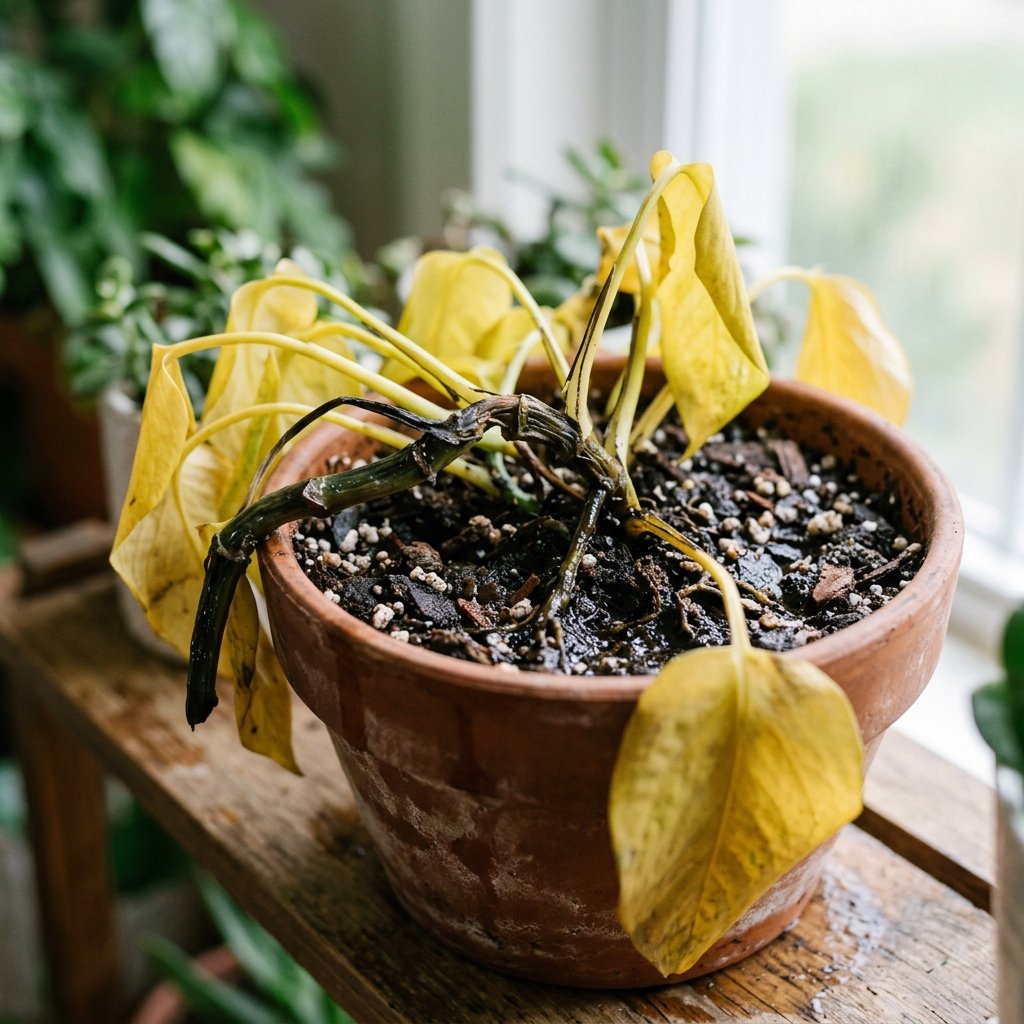
Overwatering (Root Rot): Leaves turn a soft, uniform yellow and drop easily. The stems may feel squishy or appear blackened at the soil line, and the soil stays wet for weeks.
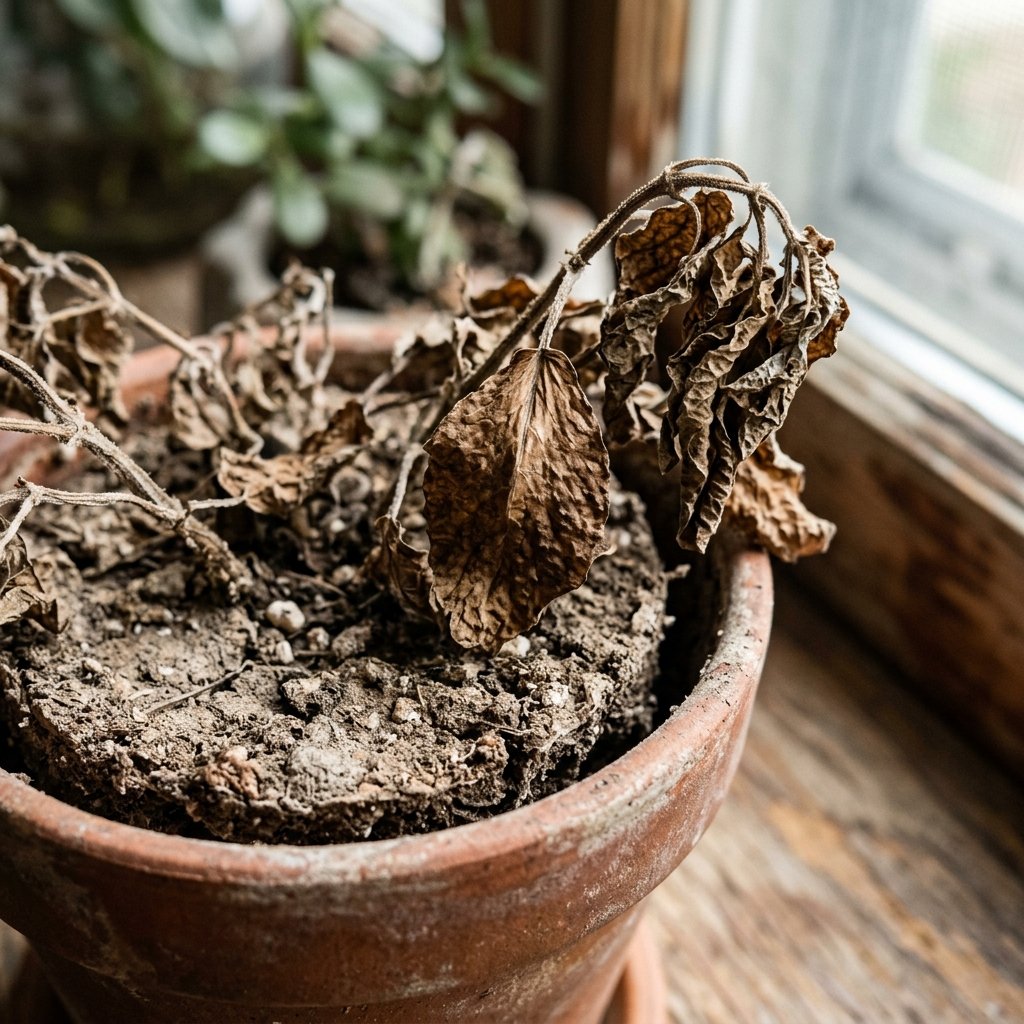
Underwatering: Leaves become dry, crispy, and curl inward. The soil becomes bone-dry, hard, and may pull away from the edges of the pot, causing water to run straight through.
Recommended next actions
Next Best Actions
Use the result in a real care workflow with plant profiles, guides, and personalized quizzes.
Guide
Fix Hydrophobic Soil: Rewet Bone-Dry Potting Mix Fast
After hundreds of emergency rewettings in western homes, I’ll show you exactly how to break the crust and rehydrate bone-dry peat that repels water—without damaging roots.
Guide
Winter Plant Care: What to Do With Your Plants Indoors
Winter changes everything for plants: light drops, air dries out, and soil stays wet longer. This guide shows how to adjust care so your plants stay steady through the cold season. From watering to humidity, we cover it all.
Guide
How Often Should I Repot My Plants?
Repotting is not on a fixed calendar. This guide helps you spot when roots, soil, and growth tell you it is time for a larger pot or fresh mix. Learn the signs, timing, and technique.
Plant Guide
Spider Plant
Spider Plant develops brown leaf tips from tap water minerals. Find out the right watering and light routine, plus how to root spiderettes (pups) in water or...
Plant Guide
Dionaea Muscipula
The Venus Flytrap is the most famous carnivorous plant in the world. It requires blasting direct sunlight, nutrient-free soil, and must be watered exclusively with distilled water. Never trigger the traps for fun!
Plant Guide
Rubber Plant
Expert care guide and diagnostic data for the Rubber Plant. Learn how to properly water, light, and troubleshoot common issues.
Plant Watering Calculator Variations & Requirements
| Variation | Light Requirement | Watering Frequency | Difficulty |
|---|---|---|---|
| Standard | Bright Indirect | Weekly | Medium |
| Variegated | High Light | Weekly | Hard |
| Dwarf | Medium Light | Bi-Weekly | Easy |
Troubleshooting & Diagnostics Guide
1 Plant is dropping leaves despite following the recommendation
Diagnosis: Drafts, sudden temperature changes, or pest issues not related to the calculator's focus area.
Treatment: Isolate the plant, check for pests, and ensure it is away from heating/cooling vents.
Glossary of Terms
- Transpiration
- The process of water movement through a plant and its evaporation from aerial parts.
- Photoperiod
- The period of time each day during which an organism receives illumination.
Scientific References
- Transpiration — Royal Horticultural Society
- Irrigation of Landscape Plants — University of Florida IFAS Extension