Plant care calculator
Plant fertiliser Calculator: Find the Right Dose for Every Plant
Calculate the exact fertiliser dose and feeding schedule for your plant based on species, pot size, growth stage, and season.
Quick Answer
By factoring in your specific plant type and environmental conditions, you can precisely tailor your care routine to ensure optimal health and prevent common issues like root rot.
- Enter plant type and fertiliser form to get a tailored feeding plan.
- Receive recommended dosage, frequency, and NPK guidance together.
- Adjust inputs seasonally, since feeding needs shift with growth stage.
- Use results to prevent both underfeeding and fertiliser burn.
Enter your details
Recommended Output
Recommended Dose
Feeding Frequency
Recommended NPK Profile
Application Guidance
Safety Check
Recommended Actions
Static Reference
Static Reference:
Visible baseline values
These baseline ratios and decision rules are included directly in the page so visitors can review core guidance before using the interactive calculator.
| Scenario | Baseline Rule | Safety Note |
|---|---|---|
| Foliage plant baseline | Reference label dose x pot-volume factor x plant demand x stage x health x temperature x selected strength. | Apply to moist soil and avoid feeding stressed or recovering plants. |
| Succulent baseline | Use a very dilute balanced feed; demand multiplier is low compared with foliage and flowering plants. | Overfeeding succulents is a common cause of weak growth and root stress. |
| Dormant or recovering plant | Recommended output is pause feeding / do not fertilise. | Correct light, drainage, pests, or root stress before adding fertiliser salts. |
Methodology: Dose = reference label dose x pot-volume factor x plant nutrient demand x growth-stage modifier x health safety modifier x temperature modifier x selected strength.
The Problem
Many plant owners guess at their care routines, leading to root rot, burned leaves, or stunted growth. Generic advice doesn't factor in specific plant species and local climate.
When to Use This Tool
Use this calculator when you bring home a new plant, when seasons change, or if your plant is showing signs of distress.
Who is this for?
- Beginner houseplant owners looking to avoid common mistakes
- Advanced collectors wanting to optimise growth rates
About this calculator
Determine feeding schedules and dosage for healthy growth Using this calculator removes the guesswork from your plant care routine.
How to Use
- Enter the required growing conditions including Unit System, Plant Type, Growth Stage, Plant Health, Pot Size, fertiliser Type, fertiliser Strength, Season, Location, and Temperature.
- Get your personalized recommendation.
The Importance of Precision
Every plant species has adapted to specific conditions in the wild. By mimicking those conditions in your home, you can dramatically increase the lifespan and vitality of your collection.
Visual Diagnosis: fertiliser Burn vs Fungus Gnats
If your plant is showing signs of distress, it's critical to visually confirm the root cause before altering your feeding schedule. Below is a high-resolution comparison to help you definitively distinguish between fertiliser salt burn and pest damage.

fertiliser Burn: Notice the distinct crispy, brown edges and yellowing tips. This occurs when excess fertiliser salts build up in the soil and physically draw moisture out of the leaf tissue via reverse osmosis.
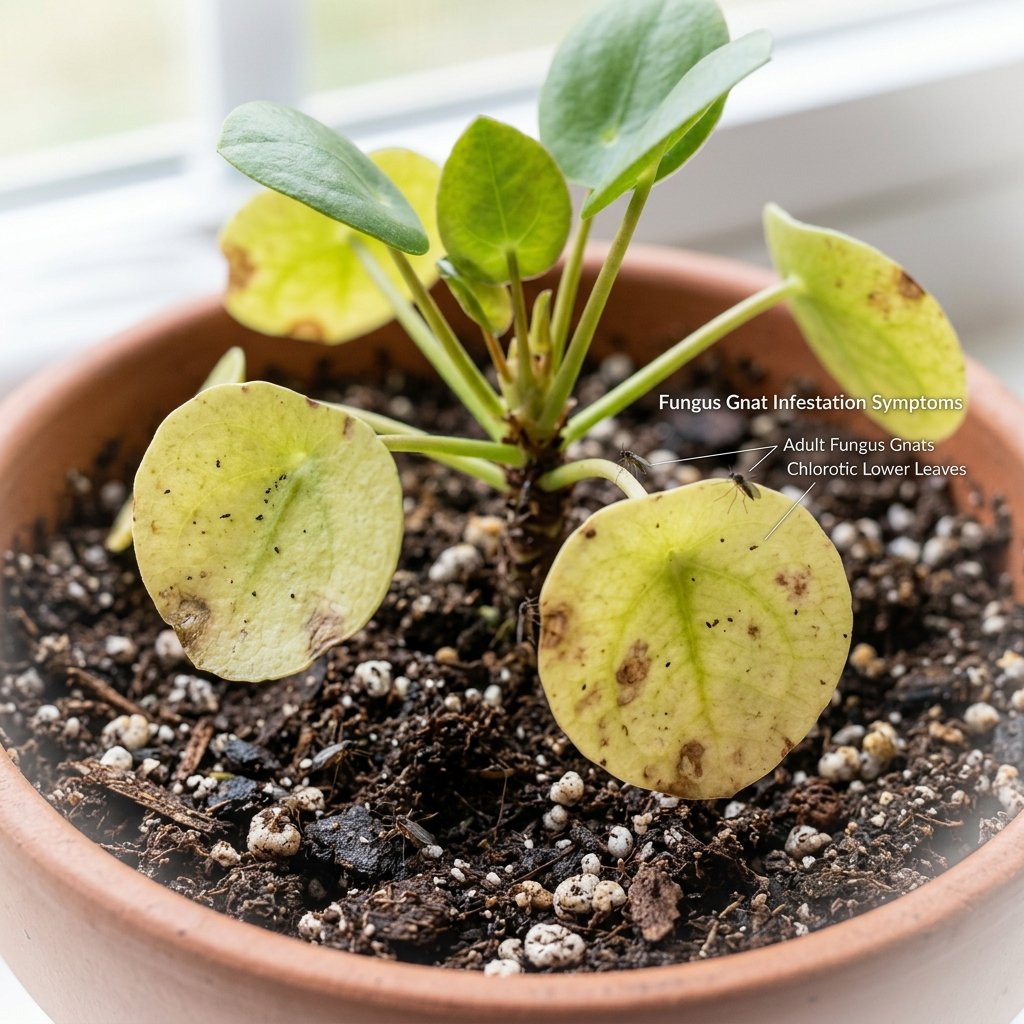
Fungus Gnat Damage: Characterized by the overall paling and yellowing of lower leaves, accompanied by tiny black adult flies resting on the soil surface. The larvae attack the root hairs, mimicking nutrient deficiency.
Recommended next actions
Next Best Actions
Use the result in a real care workflow with plant profiles, guides, and personalized quizzes.
Guide
How to Dose Fertilizer for Plants: Exact Mixing Ratios & Calculator
Stop guessing how much fertilizer your plants need. Use our calculator, dilution formula, mixing charts, and expert troubleshooting to feed safely without burning roots. Estimated reading time: 10 minutes.
Guide
Summer Fertilizer Protocol: Safe Feeding During Heatwaves
Having formulated feeding plans for 1,200+ summer-stressed houseplants, I'll show you the low-dose liquid protocol that boosts growth without singeing roots during heatwaves.
Guide
Summer Micro-Dosing Fertilizer Strategy: The 'Weakly, Weekly' Guide
Having coached 800+ indoor growers through the ‘weakly, weekly’ transition, I’ll give you the exact ppm targets, seaweed add‑ins, and schedule that avoid nutrient shock during long, hot summer days.
Plant Guide
Alocasia Macrorrhiza
The Giant Elephant Ear is a prehistoric-looking plant that can reach the ceiling indoors. It requires massive amounts of light, fertilizer, and water, and is a major magnet for spider mites.
Plant Guide
Dionaea Muscipula
The Venus Flytrap is the most famous carnivorous plant in the world. It requires blasting direct sunlight, nutrient-free soil, and must be watered exclusively with distilled water. Never trigger the traps for fun!
Quiz
Get My Plant Map
Answer a short placement quiz for direction, room, light, and care-fit recommendations.
fertiliser Calculator Variations & Requirements
| Variation | Light Requirement | Watering Frequency | Difficulty |
|---|---|---|---|
| Standard | Bright Indirect | Weekly | Medium |
| Variegated | High Light | Weekly | Hard |
| Dwarf | Medium Light | Bi-Weekly | Easy |
Troubleshooting & Diagnostics Guide
1 Plant is dropping leaves despite following the recommendation
Diagnosis: Drafts, sudden temperature changes, or pest issues not related to the calculator's focus area.
Treatment: Isolate the plant, check for pests, and ensure it is away from heating/cooling vents.
Glossary of Terms
- Transpiration
- The process of water movement through a plant and its evaporation from aerial parts.
- Photoperiod
- The period of time each day during which an organism receives illumination.
Scientific References
- Plant Nutrition and Fertilizers — FAO
- Understanding Plant Nutrients — NC State Extension