Is It Better to Buy Seeds or Starter Plants?
Seeds are cheaper and give you more variety, but starter plants are faster and easier. This guide helps you choose the better option for your space, season, and experience level.
Quick Answer
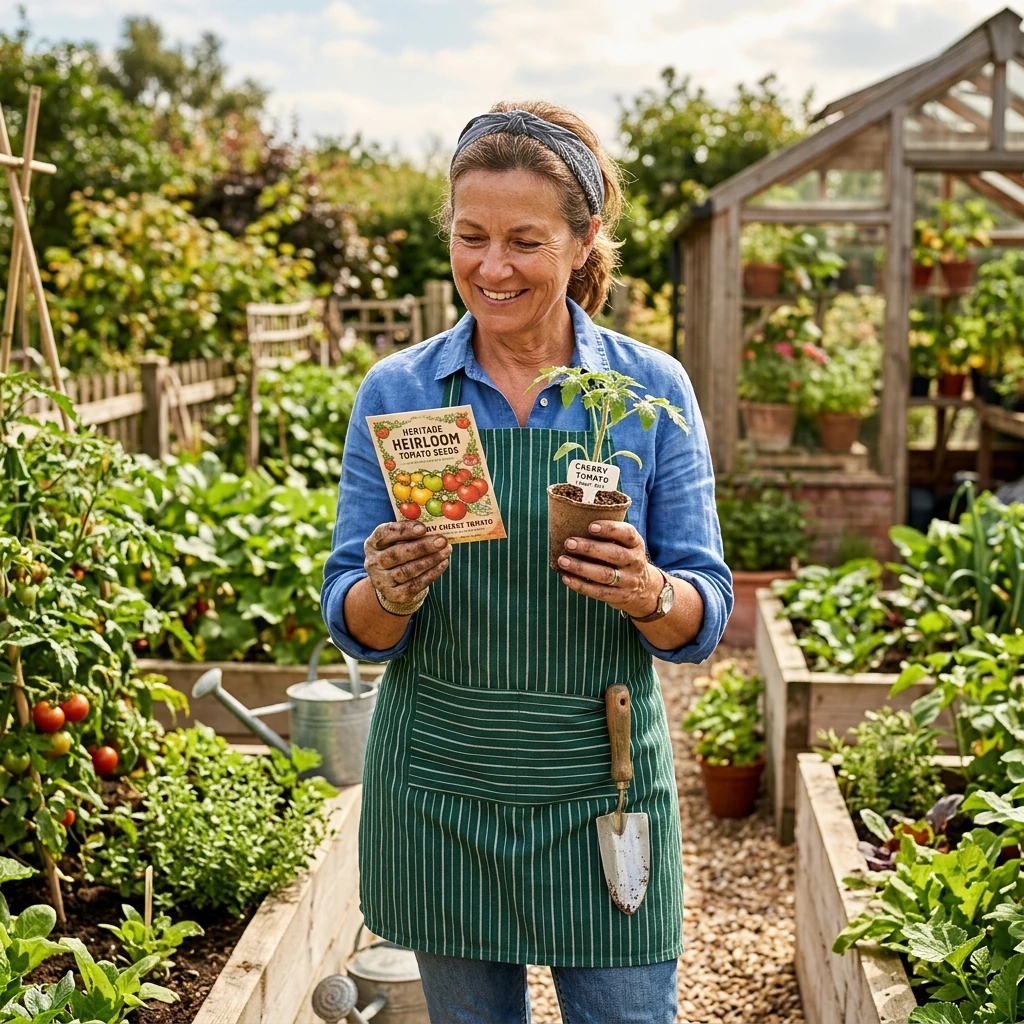
Buy seeds if you want variety, have the patience for germination, and want to save money. Buy starter plants if you want faster results, have a short growing season, or are a beginner who wants a lower chance of failure. Many gardeners use a mix of both.
Key Takeaways
- Choose starter plants for immediate visual impact and higher establishment success.
- Select seeds for lower upfront costs and access to rare or unusual varieties.
- Account for germination gear, heat mats, and grow lights when starting seeds indoors.
- Use starter plants if you have a short outdoor growing season.
Seeds and starter plants solve different problems. Seeds are cheaper, offer more variety, and can be very rewarding. Starter plants save time and reduce the chance of beginner mistakes. The better choice depends on how much patience, space, and experience you have. When I started gardening, I bought a packet of tomato seeds and a few starter plants to compare. The seeds took weeks to germinate, and I nearly gave up. Meanwhile, the starter plants were already flowering within a month. That season taught me that there is no single right answer—it depends on your goals, your season, and your appetite for risk. This guide will help you weigh the trade-offs and choose the best approach for your garden.
Key Takeaways
- Seeds are far cheaper per plant and offer a much wider selection of varieties.
- Starter plants give you a head start of several weeks, which is critical in short growing seasons.
- Seeds require more equipment (lights, heat mats) and attention to germinate successfully indoors.
- Starter plants eliminate the fragile seedling stage, making them easier for beginners.
- Some crops (like carrots, beans, peas) are best direct-sown; others (like tomatoes, peppers) benefit from transplanting.
- A mix of seeds and starter plants balances cost, time, and risk.
- Climate and season strongly influence which option makes more sense.
Introduction
Every gardener faces the same question at some point: should I start from seed or buy young plants from the nursery? There is no universal answer—I have done both over the years, and each has its place. When I wanted to grow a rare heirloom tomato variety, I had to start from seed because no nursery carried it. But when I was pressed for time and wanted a quick herb garden, I bought starter plants and had fresh basil in weeks. Understanding the pros and cons of each approach will help you make decisions that fit your budget, timeline, and gardening style. In this guide, we will compare cost, time, success rates, variety, and convenience, so you can confidently decide whether to reach for seed packets or starter pots.
Why It Matters
Choosing between seeds and starter plants affects your budget, your harvest timing, and your overall gardening experience. Seeds are generally very economical—a single packet can yield dozens of plants—but they demand time, attention, and the right conditions. Starter plants cost more per plant but give you a mature, healthy start that can produce earlier and with less effort. For a beginner, the emotional payoff of success is often higher with starter plants because you skip the frustrating seed-germination stage. For an experienced gardener, seeds offer the joy of growing from scratch and access to a vast palette of varieties. Making the wrong choice can lead to disappointment, wasted money, or a delayed harvest, so it is worth thinking through your priorities.
Science Behind It
From a biological perspective, seeds and starter plants represent different points in the plant life cycle. A seed is a dormant embryo with stored energy (endosperm). Germination requires specific conditions: moisture, oxygen, and a suitable temperature range. Once the radicle (first root) emerges, the seedling is vulnerable to damping-off disease, drying out, and light deficiency. By contrast, a starter plant has already passed these critical stages—it has an established root system, a set of true leaves, and a robust cuticle that reduces water loss. This physiological maturity means it can photosynthesize efficiently and resist minor stresses. Studies show that plants started from transplants often reach maturity sooner and produce earlier yields, though total lifetime productivity may be similar for long-season crops. The decision is largely about managing risk and time, not a fundamental difference in final outcome.
Step-by-Step Guide
1. Assess your gardening goals and constraints
Ask yourself: How much time do I have? What is my budget? Do I want many plants or just a few? If you want a large garden with many varieties, seeds are the clear economic winner. If you want a small garden and quick results, starter plants are your friend.
2. Check your growing season length
Look up your average last frost date in spring and first frost date in autumn. Count the number of frost-free days. If you have a short season (under 120 days), starter plants can give you a crucial head start. If you have a long season (over 150 days), you have plenty of time for seeds.
3. Research your selected crops
Some vegetables, like beans, peas, corn, and root crops (carrots, beets) are best direct-sown because they do not transplant well. Others, like tomatoes, peppers, eggplants, and brassicas (broccoli, cabbage), benefit greatly from being started indoors as transplants.
4. Decide on your budget and space
Seeds cost only a few dollars per packet, but you may need to invest in seed-starting supplies: trays, growing medium, heat mat, grow lights. Starter plants cost $3–10 each, but you avoid the equipment expense. Also consider indoor space for seed trays.
5. Buy seeds or starter plants from reliable sources
For seeds, choose reputable seed companies (e.g., Burpee, Johnny's, Baker Creek). For starter plants, buy from a local nursery with a good reputation. Inspect plants for health: firm stems, no pests, no yellowing leaves.
6. Start seeds at the right time
If starting seeds indoors, count backward from your last frost date to determine when to sow. Refer to seed packets for weeks to maturity and indoor start date. For most warm-season crops, start 6–8 weeks before the last frost.
7. Harden off and transplant
Both seedlings and starter plants need hardening off—gradually exposing to outdoor conditions over a week—before planting in the garden. This reduces transplant shock.
8. Plant and care for them
After transplanting, water well and protect from extreme weather. Both options now require the same ongoing care: watering, feeding, and pest management.
Climate Considerations
Climate is one of the biggest factors in the seed-versus-starter debate. In regions with a short growing season (USDA zones 3–5, parts of Canada, northern Europe), starter plants are almost essential for warm-season vegetables like tomatoes, peppers, and cucumbers. They buy you precious weeks. In long-season zones (8–10, Mediterranean, parts of Australia), you can direct-sow most crops and still get a full harvest. In cooler oceanic climates (UK, Ireland, Pacific Northwest), summers are mild, so starter plants help you get the most from the warmest months. In hot, arid climates (southwestern US, interior Australia), seeds may suffer from heat stress; you can time sowings to avoid peak heat or use transplants for better establishment. Also, your local soil temperature matters—seeds germinate best when the soil is warm; in cold springs, starter plants are more reliable.
| Climate Type | Growing Season | Recommendation |
|---|---|---|
| Continental (zones 3–5) | Short, cold winters | Buy starter plants for warm-season crops; direct-sow cold-hardy crops |
| Temperate (zones 6–7) | Moderate, 150–180 days | Mix: start some seeds indoors, buy others |
| Warm/humid (zones 8–9) | Long, 200+ days | Seeds are viable for most; use transplants for fall crops |
| Mediterranean (zone 8–10) | Mild wet winters, dry summers | Fall planting from seeds; spring planting from transplants |
| Oceanic (UK, NZ) | Cool summers, mild winters | Starter plants for heat-lovers; seeds for cool-season crops |
Seasonal Advice
In spring, seeds and starter plants are both in high demand. If you start seeds, you need to plan weeks ahead. Starter plants are available at nurseries as soon as the weather warms, so you can wait and see what the weather brings. In summer, it is often too late to start seeds for long-season crops; focus on transplants or quick-maturing varieties. In autumn, seeds are ideal for fall crops like lettuce, kale, and spinach; starter plants can also be found for fall plantings. In winter, it is seed-starting season indoors for northern gardeners—you can get a jump on spring by starting seeds under lights.
Common Mistakes
- Buying starter plants too early—they get root-bound before you can plant them outside.
- Starting seeds too early indoors—seedlings become leggy and weak before transplant time.
- Not hardening off seedlings or starter plants properly, leading to shock and sunburn.
- Buying seeds that are not suited to your climate—check days to maturity and heat tolerance.
- Overwatering seeds, causing them to rot or damping-off.
- Thinking starter plants are always better—they cost more and may have limited variety.
- Ignoring the root quality of starter plants—overgrown, root-bound plants may never perform well.
Maintenance Schedule
- Seeds: Daily checking of moisture; bottom-watering to prevent damping-off; adjusting lights to keep 2.5–5 cm (1–2 in) above seedlings; thinning after true leaves appear.
- Starter plants: Keep them watered but not waterlogged; inspect for pests; if you cannot plant immediately, pot them up into slightly larger containers to avoid root-binding.
- Both: Once transplanted, water daily for the first week, then adjust to regular schedule. Fertilize after 2–3 weeks.
Buying Guide
When buying seeds, look for fresh seed for the current year—check the packet date. Choose varieties with days to maturity shorter than your growing season. For starter plants, select those with sturdy stems, healthy green leaves, and no flowers (if you want them to establish first). Avoid plants with yellowing, spots, or insects. Check the root ball—it should be white and not tightly circling. Buy from local nurseries when possible; they often grow plants acclimated to your local conditions. For online orders, read reviews and check shipping times.
| Factor | Seeds | Starter Plants |
|---|---|---|
| Cost per plant | $0.05–1.00 | $3.00–10.00 |
| Variety selection | Very wide (hundreds of options) | Limited to what nurseries stock |
| Time to transplant | 4–8 weeks after sowing | Immediate |
| Equipment needed | Trays, soil, lights, heat mat (optional) | None (just a pot and soil to transplant) |
| Skill required | Moderate (seedling care) | Low (just plant and water) |
| Risk of failure | Higher (germination, damping-off) | Lower (already established) |
| Time to first harvest | Longer (adds weeks) | Shorter (earlier harvest) |
Expert Tips
After many seasons, I have learned to use a hybrid approach. I start my own tomatoes, peppers, and eggplants from seed because I love the wide variety. But I buy starter plants for basil, cucumbers, and squash—those are quick to grow and I do not need the hassle of starting them early. Also, I always keep a few seed packets on hand for direct-sowing quick crops like lettuce and radishes, which mature so fast that buying starters is a waste. If you are a beginner, buy starter plants for a few of your main crops, but also try seeds for something easy like sunflowers or nasturtiums—they are forgiving and will boost your confidence.
Common Myths
- Myth: Seeds are always cheaper. Reality: Not when you factor in equipment and potential failures; but per successful plant, yes.
- Myth: Starter plants always produce earlier. Reality: They do, but the gap narrows if you have a long season; also, poorly grown starters can be set back.
- Myth: You cannot grow seeds if you do not have a greenhouse. Reality: A sunny windowsill with grow lights works well for many crops.
- Myth: Starter plants have better roots. Reality: Often they are root-bound; you need to check.
- Myth: Once you plant seeds, you just water them and they grow. Reality: They need careful attention to temperature, moisture, and light.
When NOT To
- Do not buy starter plants for root crops like carrots, beets, turnips—they do not transplant well and often fork.
- Do not start seeds indoors if you do not have adequate light—you will get leggy seedlings.
- Do not buy starter plants that are already flowering for vegetables—they may be pot-bound and will take time to establish.
- Do not start seeds too early in the season—they will outgrow their pots before you can plant them out.
- Do not rely only on seeds if your garden soil is poor—they need healthy soil to thrive; amending first is more important.
Decision Guide
| If you... | Choose | Reason |
|---|---|---|
| Want many plants and have time | Seeds | Cost-effective and allows growing large numbers |
| Are a beginner with little experience | Starter plants | Lower risk, immediate satisfaction |
| Have a short growing season | Starter plants | You need a head start to get a harvest |
| Want a specific or rare variety | Seeds | Nurseries rarely stock uncommon types |
| Have limited indoor space | Starter plants | No need for seed-starting setup |
| Enjoy the process of growing from scratch | Seeds | It is rewarding and educational |
| Need plants that transplant poorly (e.g., beans) | Direct sow seeds | They resent root disturbance |
Troubleshooting
| Problem | Likely Cause | Fix |
|---|---|---|
| Seeds not germinating | Too cold, too dry, or old seeds | Check soil temperature; use a heat mat; test with fresh seeds |
| Seedlings leggy and pale | Insufficient light | Move lights closer or add more light |
| Seedlings toppling over (damping-off) | Fungal disease from overwatering | Improve ventilation; water from bottom; use sterile mix |
| Starter plants wilting after transplant | Transplant shock or under-watering | Water well; provide shade for a few days |
| Starter plants not growing after planting | Root-bound or planted too deep | Gently tease roots; ensure crown is at soil level |
| Seeds direct-sown fail to emerge | Soil crusting or birds/pests | Keep soil moist; use row cover or netting |
Frequently Overlooked Facts
Many gardeners do not realize that starter plants can carry pests or diseases from the nursery—always inspect them thoroughly. Another overlooked point is that some seeds need light to germinate (like lettuce) while others need dark (like onion). Also, starting seeds indoors can actually cost more than buying starter plants if you factor in equipment and time, especially if you only need a few plants. Finally, the age of the seed matters—tomato seeds can last 5 years, but onion seeds only one year. Always check the packet date.
Summary
Whether to buy seeds or starter plants depends on your priorities: seeds for variety, economy, and the joy of growing; starter plants for speed, convenience, and reliability. Many gardeners use a combination: they start their own tomatoes and peppers from seed, but buy basil and cucumber transplants. Beginners often benefit from starter plants for their first season to avoid disappointment, then try seeds later. Assess your climate, season, budget, and time, and choose what fits best. Remember, both paths can lead to a bountiful harvest—it is about what works for you.
Recommended next actions
Next Best Actions
Move from reading to action with related calculators, plant profiles, and quiz-based recommendations.
Guide
Home Garden Starter Equipment: Essential Tools for Beginners
You do not need a shed full of tools to start a home garden. This guide shows the essentials, the nice-to-haves, and what you can skip until you have more plants. From containers to watering gear, we cover it all.
Guide
How to Grow Vegetables Indoors Year-Round
Indoor vegetables need strong light, the right container, and a crop choice that fits your space. This guide shows how to keep harvests going through every season with practical tips from an experienced indoor grower.
Frequently Asked Questions
Are seeds cheaper than starter plants?
Which is easier for beginners, seeds or transplants?
Do starter plants grow faster than seeds?
When should I choose seeds over plants?
Can I mix seeds and starter plants in one garden?
What vegetables are better from seeds?
What vegetables should I buy as starter plants?
How much time do seeds save vs starter plants?
Is it worth starting seeds indoors?
Do starter plants produce more harvest than seeds?
Explore More