Indoor Plants vs. Artificial Plants: Which Is Better for Your Home?
I've helped hundreds of clients decide whether to invest in real greenery or go faux. Here's the unbiased, data-backed comparison that cuts through the aesthetic noise and focuses on your air quality, time, and the dark, dry corners of western homes.
Quick Answer
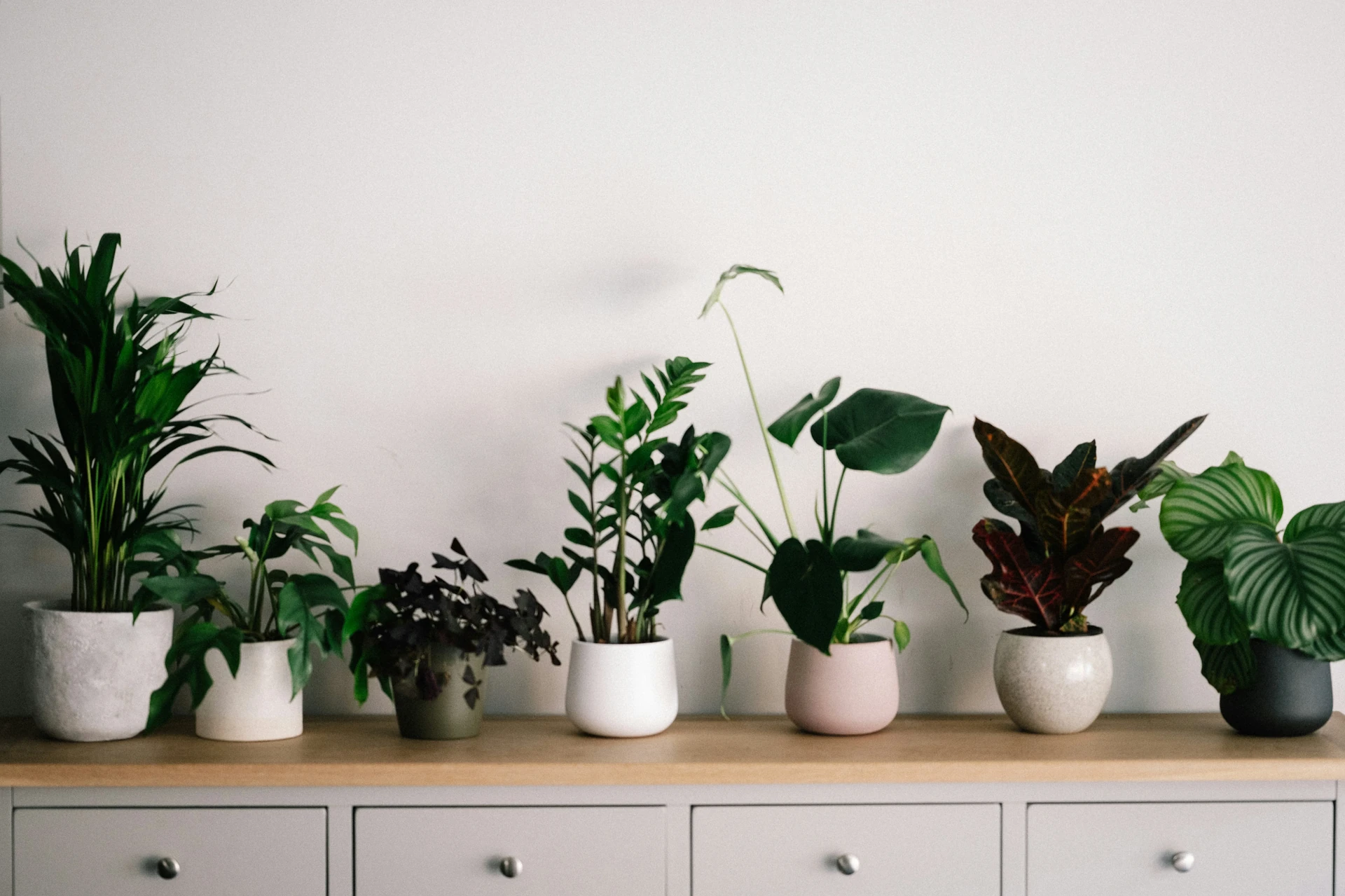
Live indoor plants actively remove CO2, release oxygen, and raise humidity, contributing to better air quality and mental well-being. Artificial plants require zero light, water, or pest control and are ideal for windowless, low-light, or frequently vacant spaces. For a bright room with natural light, low-maintenance live plants like Snake Plant and ZZ Plant offer benefits faux plants can't replicate; for a dark hallway, quality artificial plants offer permanent greenery.
Key Takeaways
- Select living plants for dynamic growth, natural beauty, and humidity benefits.
- Choose high-quality faux plants for windowless hallways and low-light spaces.
- Factor ongoing watering, pruning, and repotting time into your decision.
- Combine real and artificial plants to balance aesthetic goals with maintenance.
Your dark hallway has killed three ferns, your dog knocks over every pot, and you travel for two weeks every month. Yet you love the look of greenery. Or maybe your bright living room feels sterile and you're wondering if a real plant might actually clean the air—but you don't want another chore. I've guided hundreds of clients through this exact decision, and the answer isn't simply \"real plants good, fake plants bad.\" A high-quality faux Fiddle Leaf Fig in a windowless bathroom can look stunning for years with zero effort, while a real Snake Plant in a sunny bedroom can actively boost humidity and filter airborne toxins. This comparison breaks down the choice by health, maintenance, cost, and the specific conditions of your western home—including dry central heating, aggressive AC, and unpredictable light.
Health and Well-Being Impact
Do artificial plants improve air quality?
No. Artificial plants, regardless of quality, do not photosynthesize, transpire, or remove airborne volatile organic compounds (VOCs). They do not release oxygen or raise humidity. Live plants, particularly those identified in NASA's Clean Air Study—like Snake Plant, Peace Lily, and Dracaena—actively break down benzene, formaldehyde, and trichloroethylene through their root-zone microbes. Even a few healthy plants in a 12 m² (130 sq ft) room can raise humidity by 5–10%, easing dry throats and skin in centrally heated flats. However, the air-cleaning effect is proportional to plant health; a struggling, root-rotted plant filters nothing. Use the Sunlight Calculator to place a live plant where it will actually thrive and do its job. Our Snake Plant care guide shows how to maintain this low-light champion so it continues to pump out oxygen at night.
Time, Maintenance, and Your Schedule
How much time do real plants actually take each week?
With a curated collection of 5–10 low-maintenance species, expect to spend about 15–20 minutes per week on watering, leaf cleaning, and visual pest checks. That time triples if you own high-maintenance divas like Calatheas or ferns that demand daily humidity management. Artificial plants require 10 minutes of dusting every 4–6 weeks. For a frequent traveler or someone working 60-hour weeks, even 15 minutes can feel like a burden; faux plants remove that pressure entirely. If you opt for real, use the Watering Calculator to set a predictable schedule based on your home's exact conditions, and stick to drought-tolerant species like ZZ Plant and Haworthia that thrive on 3–4 week intervals. If you ever overwater and suspect rot, our root rot rescue guide explains the recovery process.
Light Limitations and Placement
Can you put artificial plants in a dark room?
Yes—this is where artificial plants have a clear advantage. They require no light whatsoever and will never stretch, fade, or drop leaves. A windowless bathroom, a basement office, or a corner 6 m (20 ft) from the nearest window can hold a beautiful faux Monstera indefinitely. In contrast, even the lowest-light live plants need at least 25–50 foot-candles (fc) for 8–10 hours to survive long-term. Use the Sunlight Calculator to measure a dark spot; if it's below 25 fc, a real plant will slowly decline. For those dim areas, either commit to artificial or install a 10-watt LED grow bulb on a 12-hour timer to sustain a live shade-tolerant plant like Cast Iron Plant or ZZ Plant. The decision here is purely pragmatic: if you cannot provide the minimum light, faux is the only sustainable choice.
Cost, Longevity, and Pet Safety
Are fake plants safe for pets?
Most artificial plants are pet-safe in that they are non-toxic, but they pose a mechanical risk. Cats and dogs that chew on faux foliage can ingest small plastic or fabric pieces, leading to intestinal blockages. Look for artificial plants labeled as \"pet-safe\" with non-toxic dyes and sturdy construction. Real plants carry toxicity concerns too: true lilies, Sago Palm, and Dieffenbachia are lethal to pets. If you have a curious chewer, both real and fake require careful selection. For real plants, stick to ASPCA-approved species like Parlor Palm and Spider Plant. For artificial, choose high-quality silk or polyethylene plants that don't shed small parts. In terms of cost, a high-quality artificial Fiddle Leaf Fig costs $80–$150 upfront but lasts 5–10 years. A real Fiddle Leaf Fig costs $30–$60, but if it dies due to low light or overwatering, replacing it several times can cost more. Low-maintenance live plants like Snake Plant often live for decades, making them the most cost-effective option in suitable conditions.
Real vs. Artificial Comparison Table
| Factor | Live Indoor Plants | Artificial Plants |
|---|---|---|
| Air quality improvement | Removes CO2, VOCs, raises humidity | None |
| Weekly maintenance | 15–60 minutes depending on species | 10 minutes every 4–6 weeks (dusting) |
| Light requirement | 25–800+ fc depending on species | Zero |
| Cost over 5 years | $30–$300 (including pots, soil, replacement) | $50–$150 upfront, no replacement |
| Pest risk | Fungus gnats, spider mites possible | None |
| Emotional benefit | Nurturing, active growth, connection to nature | Static, decorative only |
| Pet safety | Some toxic; must choose safe species | Generally non-toxic but may cause blockages if ingested |
| Response to dry heating/AC | Many suffer; need humidity boost | Unaffected |
Making the Right Choice for Your Space
The best strategy is a hybrid approach: fill your bright living room with live Snake Plants, Pothos, and a Monstera that actively improve your air and mood. In a dark hallway, a windowless bathroom, or a second home, place high-quality artificial plants that look real from 30 cm (12 inches) away and never disappoint. If you travel frequently, lean heavily on drought-tolerant live plants for the sunlit areas and artificial plants for the rest. If you suffer from dry skin and stale air in a heated flat, live plants offer a tangible, measurable improvement that no fake plant can match. Measure your light, honestly assess your schedule, and choose accordingly—you can always mix both.
Recommended next actions
Next Best Actions
Move from reading to action with related calculators, plant profiles, and quiz-based recommendations.
Topic Guide
Watering
Learn everything about watering for your indoor and aquarium plants. Expert care tips, troubleshooting, and related guides.
Guide
Why Root Rot Happens and How to Save Your Plant
After rescuing thousands of rotting houseplants from big-box stores over a 12-year nursery career, we have developed a foolproof method to diagnose, treat, and completely prevent deadly root rot.
Frequently Asked Questions
Do artificial plants improve air quality?
How much time do real plants actually take each week?
Are fake plants safe for pets?
Can you put artificial plants in a dark room?
Explore More