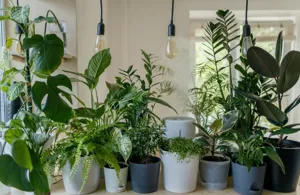
How Do I Stop My Cat or Dog from Eating My Plants?
Pets and plants can coexist, but the setup has to be deliberate. This guide shows you how to block access, redirect behavior, choose safer plants, and train your pet—all without giving up your greenery.
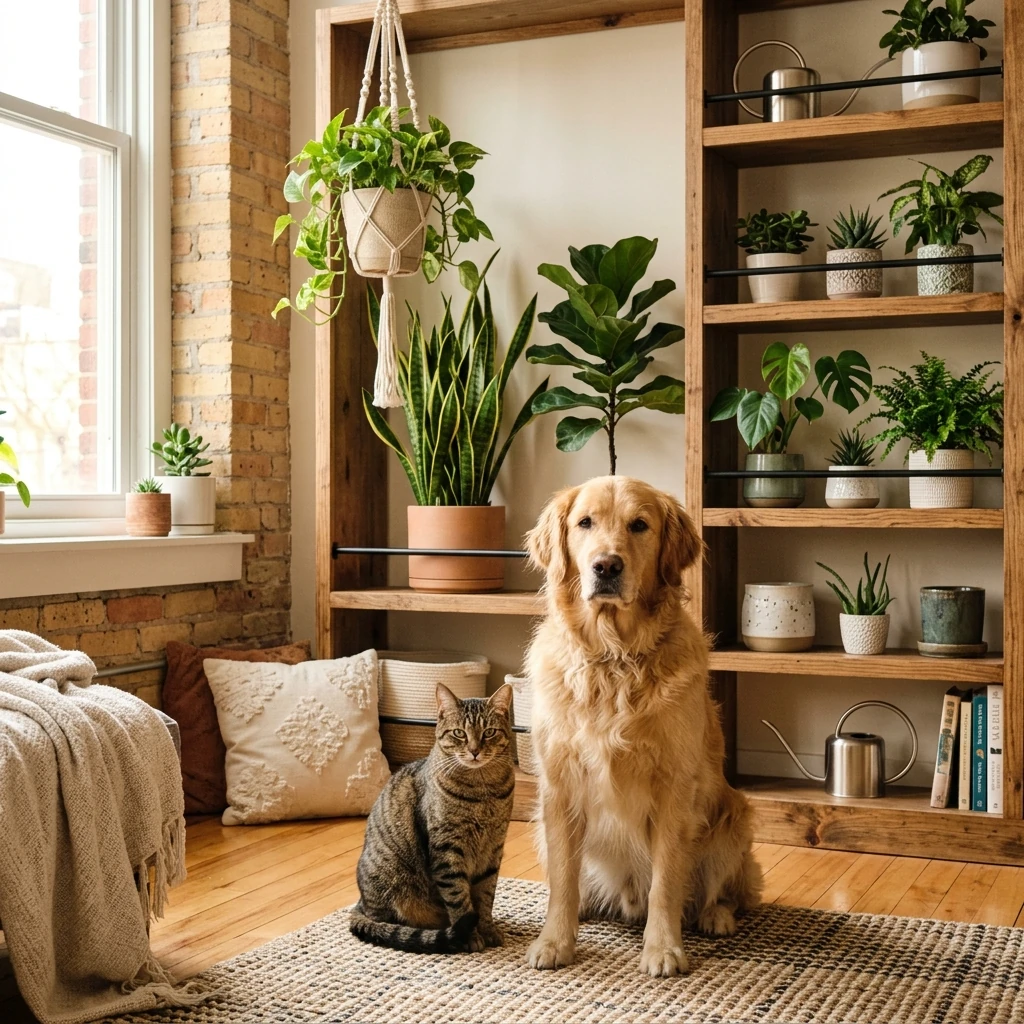
Quick Answer
Use physical barriers like shelves, hanging planters, or closed doors; train your pet with redirection; offer pet-safe alternatives like cat grass or chew toys; and choose non-toxic plants. If a plant is toxic, move it out of reach immediately or rehome it. Consistent prevention and positive reinforcement work better than punishment.
Key Takeaways
- Elevate plants using sturdy plant stands, wall-mounted brackets, or hanging baskets.
- Provide safe alternatives like freshly grown pet grass to redirect chewing.
- Apply pet-safe bitter citrus or apple deterrent sprays to lower foliage.
- Audit your collection to ensure all accessible plants are ASPCA-certified non-toxic.
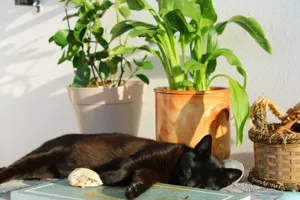
Most pets chew plants because they are curious, bored, or attracted to movement and texture. The fix is usually a combination of management and training, not one magic product. Start by removing access to toxic plants, then make the plant area less appealing and give your pet better options elsewhere. Over the years, I have had both cats and dogs who treated my houseplants like a salad bar. My cat would nibble on my spider plant until it looked like a hedgehog, and my dog once uprooted a small fig tree because he decided the pot was a great place to dig. I have tried almost every deterrent, from cayenne pepper to motion-activated sprayers, and I have learned that the most reliable approach is a layered defence—physical barriers, training, and offering attractive alternatives. This guide combines my experience with evidence-based advice to help you keep both your plants and your pets safe and happy.
Key Takeaways
- Identify toxic plants in your home and move them out of reach immediately.
- Use physical barriers: hanging planters, tall shelves, plant stands, or closed rooms.
- Train pets with redirection and positive reinforcement—never punish.
- Provide pet-specific alternatives: cat grass for cats, chew toys for dogs.
- Use safe deterrents like bitter sprays or texture changes (e.g., pebbles on soil).
- Observe your pet's behavior: boredom often leads to plant chewing.
- When in doubt, choose non-toxic varieties like spider plant, Boston fern, or calathea.
Introduction
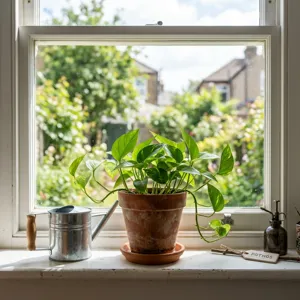
If you love houseplants and have a furry friend, you have likely faced the frustration of finding bite marks on your favourite monstera or soil scattered across the floor. I remember coming home to my pothos reduced to a stem, with my cat looking innocent on the windowsill. At first, I thought the plant was just weak, but then I caught him in the act. That moment set me on a journey to understand why pets chew plants and how to stop it without making my home a fortress. The good news is that with a few smart changes, you can have a lush indoor jungle and happy, healthy pets. This guide covers everything from toxic plant identification to training techniques, so you can protect your plants and your pets at the same time.
Why It Matters
Plant chewing is not just an annoyance—it can be dangerous. Many common houseplants are toxic to cats and dogs if ingested, ranging from mild stomach upset to kidney failure or death. Lilies (Lilium species) are highly toxic to cats; even a small amount can cause acute kidney failure. Sago palm (Cycas revoluta) is extremely toxic to dogs. On the other hand, even non-toxic plants can cause gastrointestinal distress if eaten in large quantities because pets cannot digest cellulose well. Beyond health risks, plant damage is costly and disheartening; a prized specimen can be ruined in minutes. By understanding why pets chew and how to redirect that behavior, you create a safer, more harmonious home environment.
Science Behind It
Why do cats and dogs eat plants? For cats, it is often instinctual. Felines chew on grass and plants to ingest fiber, which can help expel indigestible material like hairballs. The movement of leaves may also trigger their hunting instincts. Some cats are simply drawn to the texture or taste. Dogs chew plants out of boredom, curiosity, or because they like the flavour—some soils and plant matter are appealing. Both species may chew due to nutritional deficiencies (rare in well-fed pets) or as a compulsive behaviour. The behavior is not malicious; it is natural. Understanding this helps you address the root cause rather than just the symptom. For example, a bored cat is more likely to attack a plant than an entertained one. Providing environmental enrichment, like interactive toys or window perches, can reduce plant-chasing.
Step-by-Step Guide
1. Identify and remove toxic plants
First, inventory your houseplants. Research each species to determine if it is toxic to cats, dogs, or both. If a plant is toxic, place it where your pet absolutely cannot reach it—on a high shelf, in a hanging planter, or in a room that is off-limits. For highly toxic plants like lilies or sago palm, consider rehoming them altogether; the risk is not worth it.
2. Use physical barriers
Elevate plants out of reach using tall plant stands, wall-mounted shelves, or hanging planters. For dogs, choose heavy, sturdy pots that cannot be knocked over. For cats, avoid placing plants near furniture they can use as a launchpad. Alternatively, use a pet gate to restrict access to a plant room. Some people use decorative terrariums with glass enclosures for small plants.
3. Make plants less appealing
Apply a safe, bitter-tasting spray to leaves (e.g., bitter apple spray) or place double-sided tape, foil, or coarse sand on the soil surface. Cats dislike the texture of aluminum foil and sticky surfaces; dogs often avoid bitter tastes. However, test any spray on a small leaf first to ensure it does not damage the plant. Also, consider covering the soil with decorative stones or pine cones to deter digging.
4. Provide alternatives
Offer pet-safe greens for chewing. For cats, grow cat grass (wheat, oat, or barley grass) in a separate pot. For dogs, offer safe chew toys or edible greens like parsley or mint (in moderation). Place these alternatives near the plants they usually target to redirect the behavior.
5. Train with positive reinforcement
When you see your pet showing interest in a plant, interrupt calmly and redirect them to a toy, treat, or their own grass. Reward them when they engage with the alternative. Never shout or punish; that can create anxiety and damage your bond. Consistency is key—repeat the redirection every time.
6. Increase exercise and enrichment
Boredom is a major trigger. Ensure your pet has plenty of playtime, puzzle toys, and stimulating environments. A tired, entertained pet is less likely to chew out of boredom. For cats, scratching posts, climbing trees, and window perches help. For dogs, daily walks and interactive toys work wonders.
7. Monitor and adjust
Observe what works and what does not. If your cat keeps finding a way to reach a plant, you may need a stronger barrier. If a spray is not effective, try a different brand or a texture approach. Stay flexible and patient; sometimes it takes a few tries.
Climate Considerations
Climate affects both your plant choices and your pets' behavior. In colder climates, pets spend more time indoors, increasing the chance of plant interactions. In warmer regions, outdoor gardens may attract pets to nibble on toxic plants like oleander or azaleas. Indoor humidity and temperature also influence plant health; stressed plants may drop leaves, which can attract pet attention. For USDA zones 3–5, winter indoor air is dry; consider a humidifier to keep plants healthy and less appealing. In zones 8–10, your pets may spend more time outside, so ensure outdoor plants are non-toxic. In Mediterranean climates, many drought-tolerant plants are toxic to pets—check before planting. Seasonal changes: in spring, fresh growth may be more tempting; in autumn, falling leaves can be a hazard. Always adapt your strategy to your environment.
| Plant Name | Toxicity to Cats | Toxicity to Dogs | Symptoms of Ingestion | Alternative Safe Plant |
|---|---|---|---|---|
| Lily (Lilium spp.) | Highly toxic | Mild to moderate | Vomiting, kidney failure | Spider plant |
| Sago palm (Cycas revoluta) | Highly toxic | Highly toxic | Vomiting, liver failure | Boston fern |
| Pothos (Epipremnum aureum) | Moderate | Moderate | Oral irritation, vomiting | Calathea |
| Philodendron | Moderate | Moderate | Oral burning, drooling | Peperomia |
| Snake plant (Sansevieria) | Mild | Mild | Nausea, vomiting | Haworthia |
| Monstera | Moderate | Moderate | Oral irritation, swelling | Parlor palm |
| Spider plant (Chlorophytum) | Non-toxic | Non-toxic | Mild upset if overeaten | Spider plant itself |
| Boston fern (Nephrolepis) | Non-toxic | Non-toxic | None | Boston fern itself |
Seasonal Advice
Spring is when many plants put out new growth, which may be more enticing to pets. Increase monitoring and ensure barriers are secure. Summer heat can cause plants to droop and drop leaves, making them easy targets. Keep plants well-watered and healthy. Autumn brings falling leaves that might be chewed; clean up promptly. Winter, with reduced light, can weaken plants; stressed leaves may be more appealing. Also, pets may become more bored indoors, so increase enrichment. If you move plants outdoors in summer, remember that pets may still access them; choose pet-safe outdoor varieties.
Common Mistakes
- Assuming a plant is safe because you have not seen your pet chew it—toxicity is a risk even with nibbles.
- Using harsh punishment—scaring your pet increases anxiety and may worsen behavior.
- Buying repellent sprays without testing on a leaf—some sprays can damage foliage.
- Placing plants on a low shelf or table—pets can easily reach them.
- Forgetting to provide alternatives—if you take away plant chewing, offer something else.
- Ignoring boredom—a bored pet will find trouble.
Maintenance Schedule
- Daily: Check plants for signs of nibbling; refresh water in cat grass; ensure barriers are in place.
- Weekly: Reapply bitter spray if needed; clean up fallen leaves; rotate pet toys and alternatives.
- Monthly: Inspect all plants for signs of pests or stress; prune damaged leaves; reassess pet access points.
- Seasonally: Re-evaluate plant placement as light changes; consider moving plants if pet behavior changes.
Buying Guide
When shopping for plants, consult a reliable toxicity database (e.g., ASPCA). For safe plants, consider spider plant, Boston fern, parlor palm, calathea, peperomia, and African violet. For deterrents, choose pet-safe bitter sprays (check label). For barriers, look for sturdy plant stands, hanging hooks, and decorative mesh covers. Cat grass kits are inexpensive and easy to grow. For outdoor gardens, research all species; many common garden plants like azalea, oleander, and foxglove are toxic. Prioritize pet safety over aesthetics.
| Method | How It Works | Effectiveness for Cats | Effectiveness for Dogs | Safety for Plant | Safety for Pet |
|---|---|---|---|---|---|
| Bitter apple spray | Taste deterrent | Moderate | High | Usually safe (test first) | Non-toxic |
| Aluminum foil on soil | Texture deterrent | High | Low (may ignore) | Safe | Safe |
| Double-sided tape on pots | Sticky texture | High | Low | Safe | Safe |
| Decorative stones on soil | Barrier and texture | Moderate | Moderate (digging) | Safe | Safe |
| Citrus spray (lemon/peel) | Scent deterrent | Moderate | Low | May affect some plants | Non-toxic but may irritate |
| Motion-activated sprayer | Startle | High | High | Safe | Safe (humane) |
| Hanging planters | Physical barrier | High | High | Safe | Safe |
Expert Tips
Over the years, I have found that the most effective strategy is to combine at least two deterrents. For example, I use a hanging planter for my more tempting plants and also spray the leaves with a bitter taste. For my cat, growing cat grass in a separate pot right next to the houseplants redirected his attention—he now goes straight for the grass. Also, I have learned to observe my pets: when they start staring at a plant, I distract them with a toy before they even touch it. Prevention is always easier than damage control. Finally, if you have a persistent chewer, consider using a pet gate to create a plant-free zone; sometimes that is the simplest solution.
Common Myths
- Myth: Cats only eat plants to make themselves vomit. Reality: They also chew for fiber, taste, and boredom relief.
- Myth: If a plant is non-toxic, it is non-toxic (ASPCA listed). Reality: Eating large amounts can still cause gastrointestinal upset.
- Myth: Spraying with hot sauce will deter pets without harm. Reality: Capsaicin can be irritating to eyes and noses; use pet-safe products only.
- Myth: You can train a cat like a dog. Reality: Cats respond better to environmental changes and positive reinforcement; they are less motivated by commands.
- Myth: All lilies are only toxic to cats. Reality: Some lilies are also toxic to dogs, though less severely.
When NOT To
- Do not rely solely on one method—a determined pet may ignore a single deterrent.
- Do not use essential oils like tea tree or eucalyptus around pets; they can be toxic.
- Do not punish your pet for chewing—it creates fear and does not teach what to do instead.
- Do not keep highly toxic plants in your home even if you think they are out of reach—accidents happen.
- Do not ignore signs of plant poisoning—if you suspect ingestion, call your vet or pet poison helpline immediately.
Decision Guide
| Pet Behavior | Primary Cause | Recommended Strategy | Additional Tips |
|---|---|---|---|
| Nibbling leaves | Curiosity, taste | Bitter spray, physical barriers, cat grass | Offer cat grass nearby; use hanging planters |
| Digging in soil | Boredom, instinct | Stones on soil, heavy pots, more exercise | Provide a digging box for dogs |
| Knocking pots over | Playfulness, exploration | Heavy pots, secure shelves, motion spray | Use weighted bases for pots |
| Chewing on specific plants | Attracted to taste or texture | Remove that plant, or place it out of reach | Replace with a safe alternative |
| Plant chewing during boredom | Lack of stimulation | Increase exercise, toys, and enrichment | Rotate toys to keep interest |
Troubleshooting
| Problem | Likely Cause | Solution |
|---|---|---|
| Cat keeps jumping onto high shelf | Access via nearby furniture | Move shelf away from jump points; use cat deterrent mat |
| Dog keeps digging in large pot | Pot is accessible and soil is soft | Cover soil with large stones; use heavier pot |
| Bitter spray not working | Pet has become accustomed to taste | Switch to a different brand or combine with texture barrier |
| Pet eats cat grass but also plants | Alternatives not satisfying | Offer multiple types of safe greens; trim plants to reduce appeal |
| Plant leaves are torn despite barriers | Barrier not effective enough | Use a taller plant stand or a glass cloche |
Frequently Overlooked Facts
Many people do not realize that some common indoor plants, like aloe vera, are toxic to cats and dogs—causing vomiting and lethargy. Another overlooked point is that even non-toxic plants can cause choking or intestinal blockage if large pieces are swallowed. Also, the potting soil itself can be a problem: some fertilizers and coco coir are tempting to pets, and the soil may contain fungi or bacteria. Always cover soil or keep it out of reach. Finally, remember that plants are living things; if they are repeatedly damaged, they may not recover. Acting quickly is essential.
Summary
Keeping cats and dogs away from your houseplants is possible with a combination of strategies: choose non-toxic plants, use physical barriers, apply safe deterrents, offer attractive alternatives, and train with positive reinforcement. Understand your pet's motivation—curiosity, boredom, or instinct—and address the root cause. Always prioritize pet safety by removing toxic plants entirely if you cannot guarantee they are out of reach. With patience and consistency, you can enjoy a beautiful indoor garden and a happy, healthy pet. Do not give up; most pets can be redirected, and many plants can be protected.
Recommended next actions
Next Best Actions
Move from reading to action with related calculators, plant profiles, and quiz-based recommendations.
Frequently Asked Questions
Why do cats eat houseplants?
How do I keep dogs from digging in pots?
Are deterrent sprays safe for plants?
Should I move toxic plants out of reach?
What plants are safer around pets?
Is cat grass safe for all cats?
Can I use cayenne pepper to keep pets away from plants?
How do I train my dog not to eat plants?
What are the most toxic houseplants for cats and dogs?
Will bitter apple spray harm my plants?
Explore More