Moonshine Snake Plant (Sansevieria Moonshine) Care: Light, Watering & Silver Color
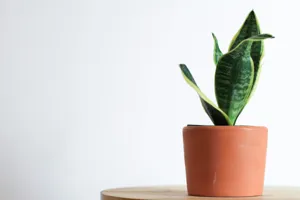
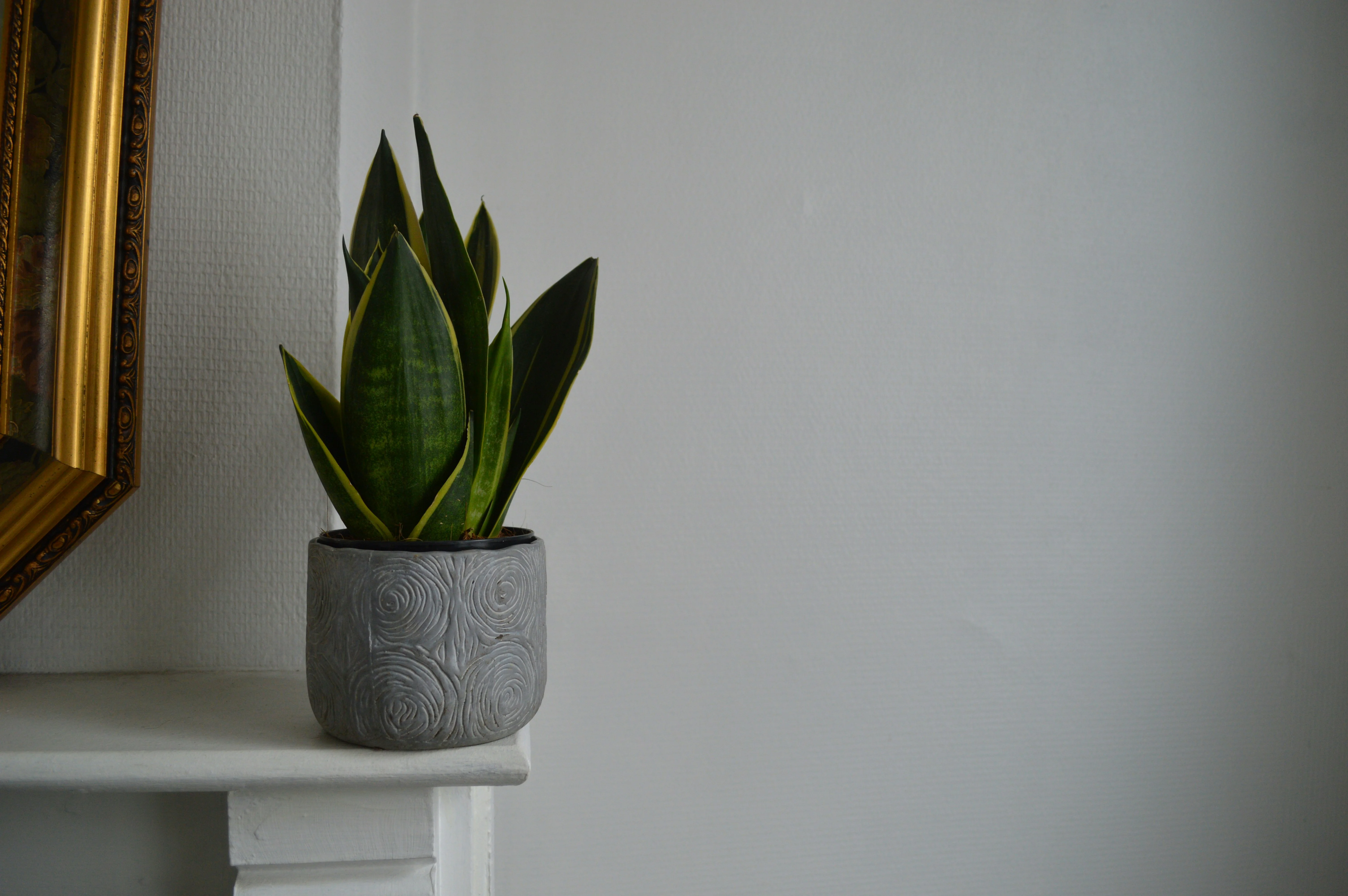
The Moonshine Snake Plant features broad, striking leaves painted in a beautiful, ghostly pale silver-green. It is indestructible, but it requires much brighter light than a standard Snake Plant to keep its color.
-
Difficulty
beginner
-
Light
While standard snake plants can survive in pitch darkness, the Moonshine MUST have bright, indirect light. In low light, the leaves produce excess chlorophyll and revert to dark green.
-
Temperature
65°F - 85°F (18°C - 29°C)
-
Growth
slow
-
Humidity
30% - 50%
-
pH range
6.0 - 7.5
-
Biggest Owner Mistake
Overwatering because its unusual pale color makes owners worry it looks washed out or stressed and needs extra care—but like all snake plants it's extremely drought-tolerant with rhizomes that store water. The silvery color is genetic, not a sign of thirst; water only when the soil is completely bone dry.
-
What Nobody Tells You
The distinctive pale silver-green color darkens to a duller, flat green in low light as the plant adjusts its pigmentation to capture more available light. Bright indirect light is what maintains the bright, luminous moonshine appearance that distinguishes it from regular snake plants.
-
Real Home Conditions
In very low light it grows extremely slowly, sometimes producing only one new leaf per year, and gradually loses its silvery sheen entirely. It's more tolerant of shade than most houseplants but needs at least moderate indirect light to stay visually distinctive.
Quick Answer
The Moonshine snake plant needs bright, indirect light to keep its silver color; in low light the leaves darken to green. Water only when the soil is completely dry, usually every 3 to 5 weeks in spring and summer and every 6 to 8 weeks in winter.
Key Takeaways
- Provide bright indirect light to maintain the silvery-green leaf color.
- Water only when the soil is completely dry: about every 3-5 weeks in the growing season and every 6-8 weeks in winter.
- Avoid overwatering, the primary cause of decline in this hardy plant.
- Use a fast-draining, succulent-style potting mix to prevent root rot.
Overview
The Moonshine Snake Plant (Sansevieria trifasciata 'Moonshine', recently reclassified as Dracaena) is a stunning, modern cultivar of the classic houseplant. While traditional Snake Plants feature tall, sword-like leaves banded with dark green and bright yellow, the Moonshine is distinctly minimalist. It produces broad, slightly shorter leaves colored in a striking, ghostly, pale silvery-green.
It possesses the exact same ironclad, indestructible nature as any other Snake Plant, happily surviving months of neglect and bone-dry air. However, there is a catch. If you buy a Moonshine and place it in the same dark, windowless corner where your standard Snake Plant thrives, you will quickly ruin it. The pale coloring is highly unstable, and understanding how to manipulate light is the only way to keep this plant looking beautiful.
Moonshine Snake Plant Light Requirements: The Secret to the Silver
Standard Snake Plants are famous for their extreme shade tolerance. The Moonshine, however, has a fraction of the chlorophyll (the green pigment used for photosynthesis).
If you place a Moonshine in a low-light environment, the plant realizes it is starving. To save its own life, it will flood its leaves with dark green chlorophyll. Within a few months, your expensive, rare, silvery-white plant will look exactly like a common, dark green Snake Plant. To maintain the silver color, the Moonshine MUST be placed in bright, indirect light. An east or west-facing window is perfect. With enough bright light, new leaves will emerge in that signature pale silvery-green.
Why Is My Moonshine Snake Plant Turning Dark Green?
Dark green leaves almost always mean too little light. The plant makes more chlorophyll to survive, so the silver fades. A leaf that has already darkened will not turn silver again, but new leaves will grow in paler once the plant gets brighter light. Move it close to an east- or west-facing window, or add a grow light. A Moonshine needs noticeably more light than a standard snake plant to keep its color.
How Often to Water a Moonshine Snake Plant
The short answer: water only when the soil is completely dry, typically every 3 to 5 weeks in spring and summer and every 6 to 8 weeks in winter. There is really only one way to kill a Moonshine Snake Plant: overwatering. The thick leaves act as giant water reservoirs, allowing the plant to survive severe droughts.
You must allow the potting soil to dry out 100% completely—all the way to the bottom of the pot—before watering. If you are unsure if it is dry, wait another week. When it is finally time, soak the pot thoroughly until water flows out the drainage holes, ensuring the root ball is hydrated, and then ignore it completely for another month.
Temperature and Humidity
This plant prefers warm indoor temperatures ranging from 65°F to 85°F (18°C - 29°C). Keep it away from freezing drafts, as temperatures below 50°F (10°C) can cause cellular damage to the water-filled leaves, turning them to mush. It has zero need for humidity and perfectly tolerates the dry air of centrally heated homes.
Best Soil and Pot for a Moonshine Snake Plant
Because they are so susceptible to root rot, proper drainage is critical. Standard potting soil is far too dense and holds moisture for too long. You must use a fast-draining cactus and succulent mix, heavily amended with coarse sand, perlite, or pumice. Furthermore, Sansevierias have strong, thick rhizomes (underground stems) that spread horizontally. They prefer to be somewhat root-bound and only need to be repotted every 3 to 4 years.
Fertilizing
This plant is an incredibly slow grower and requires almost no supplemental nutrition. Feed it only once a year, right at the start of spring, using a specialized cactus/succulent fertilizer diluted to half strength. Over-fertilizing can chemically burn the roots.
Toxicity
Like all Sansevierias, the Moonshine contains saponins. If ingested by cats or dogs, it is mildly to moderately toxic, causing nausea, drooling, vomiting, and diarrhea. The rigid texture doesn't usually attract chewing pets, but caution is still advised.
Calculator
Interactive Calculators for Sansevieria Moonshine
Recommended next actions
Next Best Actions
Use calculators and guides to turn this plant profile into a practical care routine.
Topic Guide
Watering
Learn everything about watering for your indoor and aquarium plants. Expert care tips, troubleshooting, and related guides.
Guide
Stem Rot vs Root Rot: How to Tell the Difference
With over 15 years of indoor plant diagnostics and more than 3,000 rot and fungal collapse cases assessed across aroids, succulents, and tropical houseplants, we've built a three-way framework that distinguishes stem rot, root rot, and crown rot by their above-soil presentation alone — so you know within minutes whether rescue is viable and exactly what to do.
Plant Guide
Snake Plant
Expert care guide and diagnostic data for the Snake Plant. Learn how to properly water, light, and troubleshoot common issues.
Topic Guide
Root Rot
Learn how to identify and treat root rot in houseplants. Discover causes, symptoms, and step-by-step solutions to save your plants from overwatering.
Structured Plant Data
Plant Data Profile
The following data is extracted directly from our botanical knowledge graph for accuracy and transparency.
Growth Characteristics
Growth Rate
slow
Mature Height
1-2 feet
Mature Spread
1 foot
Life Cycle
Perennial
Flowering Season
Spring (rarely flowers indoors)
Container Friendly
yes
Indoor Capable
yes
Environmental Parameters
| Parameter | Recommended | Survivable |
|---|---|---|
| Temperature | 65°F - 85°F (18°C - 29°C) | 50°F - 95°F (10°C - 35°C) |
| Humidity | 30% - 50% | 10% - 70% |
| Soil PH | 6.0 - 7.5 | 5.5 - 8.0 |
Lighting
Description
While standard snake plants can survive in pitch darkness, the Moonshine MUST have bright, indirect light. In low light, the leaves produce excess chlorophyll and revert to dark green.
Nutrients
Nitrogen Demand
low
Phosphate Demand
low
Potassium Demand
low
Micronutrient Notes
Requires almost no fertilizer. Over-feeding will burn the roots.
Fertilizer Frequency
Once a year in spring with a cactus fertilizer diluted to half strength.
Organic Options
A pinch of worm castings in spring.
Relationships
-
Root Rot
Vulnerability | Strength 10
Overwatering is the only way to kill this plant. It is highly susceptible to root rot if watered more than once a month in low light.
Snake Plant Variety Comparison
| Variety | Leaf Color | Light Need |
|---|---|---|
| Moonshine | Pale silver, mint green | Bright Indirect (Must have) |
| Laurentii | Dark green, yellow borders | Low to Bright |
| Zeylanica | Dark green, zig-zag banding | Low to Bright |
Troubleshooting & Diagnostics Guide
1 Why is my Moonshine Snake Plant turning dark green?
Diagnosis: Low light – increased chlorophyll
Treatment: Move to brighter indirect light; new leaves will be silvery.
Prevention: Provide bright indirect light.
2 Why are the leaves on my Snake Plant falling over and wrinkling?
Diagnosis: Root rot from overwatering – loss of turgor
Treatment: Unpot, trim rotted roots, repot in dry soil; reduce watering.
Prevention: Water only when soil is completely dry.
3 Yellow, soft leaves near the base
Diagnosis: Overwatering and root rot, or cold damage below about 50°F (10°C).
Treatment: Stop watering, unpot and cut away brown, mushy roots, then repot in dry, fast-draining mix. Keep it warm and away from cold drafts.
Prevention: Water only when the soil is completely dry and use a pot with drainage holes.
4 Little or no new growth
Diagnosis: Low light or winter dormancy. Moonshine is a slow grower.
Treatment: Move to brighter indirect light and be patient. Do not fertilize a dormant plant.
Prevention: Give it bright indirect light year-round.
Authoritative Resources
For additional peer-reviewed information on plant diseases, toxicity, and care, consult these trusted botanical and agricultural extensions:
Glossary of Terms
- Chlorophyll
- The green pigment in plants responsible for absorbing light energy. The Moonshine lacks this naturally, but will produce it rapidly (turning green) if forced into low light.
- Saponin
- A class of chemical compounds found in particular plant species that produce a soap-like foam when shaken in water. They serve as an anti-herbivore defense and are toxic to pets.
Frequently Asked Questions
Why is my Moonshine Snake Plant turning dark green?
Why are the leaves on my Snake Plant falling over and wrinkling?
How often should I water a Moonshine Snake Plant?
Will an old dark green leaf turn silver again?
Is the Moonshine plant toxic to pets?
How much light does a Moonshine snake plant need?
What is the difference between a Moonshine and a regular snake plant?
Sources & References
-
Source: powo.science.kew.org
-
Source: edis.ifas.ufl.edu
Explore More