Cylindrical Snake Plant Care: Preventing Rot in Braided Stems
The Cylindrical Snake Plant is nearly indestructible, making it perfect for beginners. However, the popular "braided" versions sold in stores often choke themselves to death as they grow.
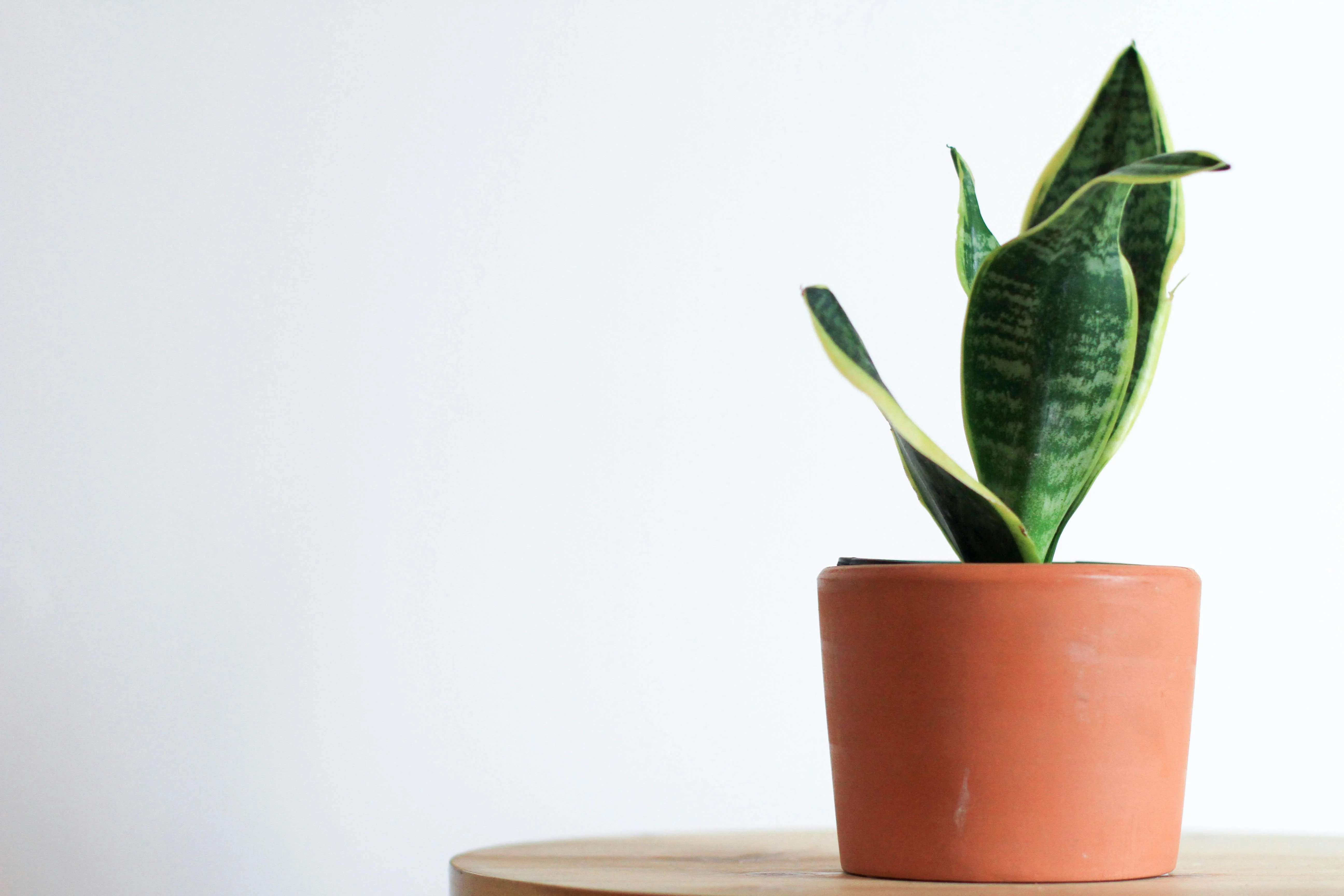
-
Difficulty
beginner
-
Light
It is famous for surviving in almost total darkness, though it won't grow under those conditions. For actual growth, it prefers bright, indirect light and can even handle a few hours of direct sun.
-
Temperature
65°F - 85°F (18°C - 29°C)
-
Growth
very slow
-
Humidity
30% - 50%
-
pH range
6.0 - 7.5
-
Biggest Owner Mistake
Overwatering because the dramatic upright spikes look bold and thirsty—but each cylindrical leaf stores large amounts of water, and wet soil causes root rot that spreads to the base of the leaves before any visible change on the surface. Water only when the soil is completely dry, which may mean waiting 4–6 weeks.
-
What Nobody Tells You
The braided or fan-style arrangements commonly sold are achieved by training and tying young leaves together while they're flexible—if the ties are removed, the leaves will slowly straighten over months as they grow according to their natural growth direction. The shape is maintained by ongoing binding, not genetics.
-
Real Home Conditions
In low light, the cylindrical leaves become thinner and may begin to curve or lean rather than holding their characteristic rigid upright form. Bright light is what keeps those spikes firm, straight, and thickening over time.
Quick Answer
The Cylindrical Snake Plant is nearly indestructible if you ignore it. Water only when the soil is 100% bone dry (every 3-6 weeks) and unbraid store-bought plants to prevent them from crushing themselves. We recommend observing the plant closely over a few weeks to ensure it adjusts well to its environment.
Key Takeaways
- Water only every 3-4 weeks, letting soil fully dry out between.
- Tolerate low light well, though bright indirect light supports best growth.
- Avoid overwatering, the primary cause of decline in this hardy plant.
- Use a fast-draining, succulent-style potting mix to prevent root rot.
Overview
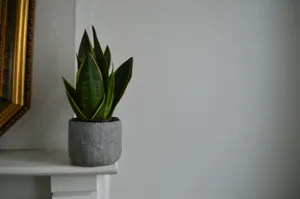
The Cylindrical Snake Plant (Sansevieria cylindrica, recently reclassified as Dracaena angolensis), also known as the African Spear Plant, is a striking, architectural succulent. Unlike standard snake plants that have flat, sword-like leaves, this species produces thick, perfectly round, tubular spears that shoot straight up from the soil. Native to the harsh, dry environments of Angola, it has evolved to be one of the most indestructible indoor plants in existence.
It thrives on neglect, requiring water only a handful of times a year. However, a major issue plagues this plant in the retail market. Nurseries frequently sell them with their young, pliable spears tightly braided together. While this looks neat on a store shelf, as the thick, rigid spears mature and expand, the braid acts as a tourniquet. The stems crush and scar each other, cutting off vascular flow and often leading to the death of the plant. Unbraiding a newly purchased plant is highly recommended for its long-term survival.
Light Requirements: Highly Adaptable
The Cylindrical Snake Plant is famous for its extreme light tolerance. It will survive in a dark, windowless office corner where almost any other plant would die in weeks. However, survival does not mean growth. If kept in extreme low light, the plant will simply sit in stasis, never producing a new spear. To see actual, vigorous growth, place it in bright, indirect light near an east or west-facing window. It can even handle several hours of direct, blazing sun once acclimated.
Watering: The #1 Killer
There is really only one way to kill a Cylindrical Snake Plant: overwatering. The massive, thick spears act as giant water reservoirs, allowing the plant to survive severe droughts in the African wilderness.
You must allow the potting soil to dry out 100% completely—all the way to the bottom of the pot—before watering. If you are unsure if it is dry, wait another week. In a low-light environment during the winter, you may only need to water this plant once every six to eight weeks. When it is finally time, soak the pot thoroughly until water flows out the drainage holes, ensuring the root ball is hydrated, and then ignore it again for a month.
Temperature and Humidity
This plant prefers warm indoor temperatures ranging from 65°F to 85°F (18°C - 29°C). Keep it away from freezing drafts, as temperatures below 50°F (10°C) can cause cellular damage to the water-filled spears, turning them to mush. It has zero need for humidity and perfectly tolerates the bone-dry air of centrally heated homes.
Soil and Potting
Because they are so susceptible to root rot, proper drainage is critical. Standard potting soil is far too dense and holds moisture for too long. You must use a fast-draining cactus and succulent mix, heavily amended with coarse sand, perlite, or pumice. Furthermore, Sansevierias have strong, thick rhizomes (underground stems) that spread horizontally. They actually prefer to be somewhat root-bound and have been known to crack thin plastic or ceramic pots when they run out of room.
Fertilizing
This plant is an incredibly slow grower and requires almost no supplemental nutrition. Feed it only once a year, right at the start of spring, using a specialized cactus/succulent fertilizer diluted to half strength. Over-fertilizing can cause the spears to grow too fast, making them weak and floppy rather than rigid and architectural.
Propagation
You can propagate a Cylindrical Snake Plant by cutting a single spear into 3-inch horizontal sections. Ensure you remember which way was "up." Let the cuttings callus over for a few days, then plant the bottom end into dry succulent soil. After a few weeks, they will root. However, note that leaf cuttings will often revert and produce flat, standard snake plant leaves first before eventually pushing out the mature cylindrical spears.
Toxicity
Like all Sansevierias, the Cylindrical Snake Plant contains saponins. If ingested by cats or dogs, it is mildly to moderately toxic, causing nausea, drooling, vomiting, and diarrhea. The rigid, stick-like appearance doesn't usually attract chewing pets, but caution is still advised.
Calculator
Interactive Calculators for Sansevieria Cylindrica
Recommended next actions
Next Best Actions
Use calculators and guides to turn this plant profile into a practical care routine.
Topic Guide
Watering
Learn everything about watering for your indoor and aquarium plants. Expert care tips, troubleshooting, and related guides.
Guide
Stem Rot vs Root Rot: How to Tell the Difference
With over 15 years of indoor plant diagnostics and more than 3,000 rot and fungal collapse cases assessed across aroids, succulents, and tropical houseplants, we've built a three-way framework that distinguishes stem rot, root rot, and crown rot by their above-soil presentation alone — so you know within minutes whether rescue is viable and exactly what to do.
Topic Guide
Root Rot
Learn how to identify and treat root rot in houseplants. Discover causes, symptoms, and step-by-step solutions to save your plants from overwatering.
Structured Plant Data
Plant Data Profile
The following data is extracted directly from our botanical knowledge graph for accuracy and transparency.
Growth Characteristics
Growth Rate
very slow
Mature Height
2-4 feet
Mature Spread
1-2 feet
Life Cycle
Perennial
Flowering Season
Spring (produces tall spikes of fragrant white/pink flowers, rare indoors)
Container Friendly
yes
Indoor Capable
yes
Environmental Parameters
| Parameter | Recommended | Survivable |
|---|---|---|
| Temperature | 65°F - 85°F (18°C - 29°C) | 50°F - 95°F (10°C - 35°C) |
| Humidity | 30% - 50% | 10% - 70% |
| Soil PH | 6.0 - 7.5 | 5.5 - 8.0 |
Lighting
Description
It is famous for surviving in almost total darkness, though it won't grow under those conditions. For actual growth, it prefers bright, indirect light and can even handle a few hours of direct sun.
Nutrients
Nitrogen Demand
low
Phosphate Demand
low
Potassium Demand
low
Micronutrient Notes
Requires almost no fertilizer. Over-feeding will burn the roots and cause floppy growth.
Fertilizer Frequency
Once a year in spring with a cactus fertilizer diluted to half strength.
Organic Options
A pinch of worm castings in spring.
Relationships
-
Root Rot
Vulnerability | Strength 10
Overwatering is the only way to kill this plant. It is highly susceptible to root rot if watered more than once a month in low light.
Snake Plant Variety Comparison
| Variety | Leaf Shape | Growth Habit |
|---|---|---|
| Cylindrical (S. cylindrica) | Thick, round spears | Straight, vertical fans |
| Mother-in-Law's Tongue (S. trifasciata) | Flat, wide swords | Tall, upright clusters |
| Bird's Nest (S. hahnii) | Flat, short leaves | Low, tight rosette |
Troubleshooting & Diagnostics Guide
1 Why is my Cylindrical Snake Plant turning yellow and mushy at the base?
Diagnosis: Overwatering – root rot
Treatment: Stop watering; remove plant, trim rotten roots, repot in dry, well-draining soil; water sparingly.
Prevention: Water only when soil is completely dry.
Authoritative Resources
For additional peer-reviewed information on plant diseases, toxicity, and care, consult these trusted botanical and agricultural extensions:
Glossary of Terms
- Rhizome
- A continuously growing horizontal underground stem that puts out lateral shoots and adventitious roots at intervals. This is how Snake Plants spread and multiply in a pot.
- Saponin
- A class of chemical compounds found in particular plant species that produce a soap-like foam when shaken in water. They serve as an anti-herbivore defense and are toxic to pets.
Frequently Asked Questions
Should I unbraid my braided Cylindrical Snake Plant?
Why is my Cylindrical Snake Plant turning yellow and mushy at the base?
Can I grow a Cylindrical Snake Plant in a windowless bathroom?
How often should I water my Cylindrical Snake Plant?
Is the African Spear plant toxic to pets?
Sources & References
-
Source: powo.science.kew.org
-
Source: edis.ifas.ufl.edu
Explore More