Madagascar Palm Care: Why Leaves Drop in Winter
The Madagascar Palm is a bizarre, prehistoric-looking succulent. It features a massive, water-storing trunk covered in razor-sharp thorns, topped with a tuft of palm-like leaves. It naturally drops all its leaves in winter.
-
Difficulty
advanced
-
Light
Requires the absolute maximum amount of light possible. Without blazing direct sunlight, the top will grow thin and weak, and the plant will refuse to produce leaves.
-
Temperature
70°F - 90°F (21°C - 32°C)
-
Growth
moderate
-
Humidity
30% - 40%
-
pH range
6.0 - 7.0
-
Biggest Owner Mistake
Overwatering because the tropical palm-like appearance suggests regular moisture—but it's actually a succulent caudex plant whose thick trunk stores substantial water reserves, and soggy soil causes base rot that progresses to the trunk before any symptoms show. Let the soil dry completely between waterings, especially in winter dormancy.
-
What Nobody Tells You
It can drop all its leaves in response to stress (cold shock, drought, repotting) without dying—the trunk stores enough water and energy to refoliate completely within weeks once conditions improve. Many owners discard a perfectly healthy plant after a leaf-drop event.
-
Real Home Conditions
In low indoor light, the trunk grows thin and weak—unable to support its own weight—and leans toward the window as it etiolates. A very sunny south-facing window is necessary to maintain the thick, upright trunk form that makes this plant architectural.
Quick Answer
Pachypodium lamerei, or Madagascar Palm, requires full direct sun for at least six hours daily and a fast-draining succulent mix. Water only when soil is fully dry, reducing significantly during winter dormancy. Handle carefully since the trunk is covered in sharp spines, and expect this species to drop leaves seasonally as a normal adaptation rather than a health problem.
Key Takeaways
- Provide full, direct sunlight for at least 6 hours daily.
- Use a fast-draining succulent mix and water only when soil is fully dry.
- Handle carefully, since the trunk is covered in sharp spines.
- Reduce watering significantly during winter dormancy to prevent rot for optimal health and vibrant foliage development.
Overview
The Madagascar Palm (Pachypodium lamerei) looks like a prehistoric survivor. Despite its common name, it is not a true palm tree; it is a giant, tree-like succulent native to the harsh deserts of Madagascar. It features a massive, silver-grey, barrel-shaped trunk that is heavily armored with terrifying, two-inch-long, razor-sharp thorns. Crowning the top of this imposing trunk is a dense tuft of long, narrow, bright green leaves, giving it the whimsical appearance of a palm tree.
Because the massive trunk acts as a giant water reservoir, it is incredibly drought-tolerant and easy to care for, provided you have a window that receives blasting, direct sunlight. However, it is infamous for causing its owners to panic when winter arrives, as it possesses a biological quirk that catches many people off guard: it is deciduous.
The Winter Leaf Drop Panic
Every November, thousands of new Madagascar Palm owners assume they have killed their plant. As the days grow shorter and temperatures drop, the lush green leaves at the top of the plant will slowly turn yellow, dry up, and fall off one by one, leaving a completely bare, thorny stick.
This is perfectly natural. Do not panic, and do not water the plant.
The Madagascar Palm goes fully dormant in the winter. During this dormancy, it requires absolutely zero water. If you water the bare trunk in the winter, the roots will instantly rot. Leave the bare plant in a bright window and ignore it completely. When the days lengthen in the spring, a tiny green tuft will appear at the tip, and within weeks, a brand new canopy of leaves will unfurl. Only resume watering when the new leaves appear.
Light Requirements: Blazing Sun
This is a desert plant that demands the absolute maximum amount of light you can provide indoors. It must be placed directly in front of an unobstructed, south-facing or west-facing window where it will receive several hours of blazing, direct sunlight.
If you place it in a dark corner, the plant will suffer from severe etiolation. The thick, barrel-shaped trunk will suddenly grow thin, weak, and stretched out at the top as it desperately reaches for the sun. This weak growth cannot support the weight of the plant, and it will eventually snap.
Watering: The Desert Drought
Overwatering is the only way to kill a Madagascar Palm during the summer growing season. The massive trunk stores months' worth of water.
You must allow the potting soil to dry out 100% completely—all the way to the bottom of the pot—before you water. Stick a wooden skewer deep into the soil; if it comes out even slightly damp, wait another week. When the soil is bone dry, soak the pot thoroughly until water pours out the drainage holes. Never let the pot sit in a saucer of standing water. If the thick trunk becomes soft, wrinkled, and mushy at the base, you have drowned the plant and it is rotting from the inside out.
Soil and Potting
Standard indoor potting soil will kill this plant by holding water for too long. You must use an extremely fast-draining cactus and succulent mix. Combine standard cactus soil with 50% perlite or pumice. Furthermore, the roots prefer to be slightly cramped, so do not repot it into a massive container. Always use a heavy terracotta pot, as the plant becomes extremely top-heavy and will easily tip over in a light plastic pot.
Toxicity and Physical Danger
The Madagascar Palm belongs to the Apocynaceae family (which includes the Oleander). If the trunk is punctured, it bleeds a toxic sap that is highly poisonous to cats, dogs, and humans if ingested. More critically, the massive thorns covering the trunk are rigid and razor-sharp. Keep this plant far out of reach of curious children and pets to prevent severe eye or skin injuries.
Recommended next actions
Next Best Actions
Use calculators and guides to turn this plant profile into a practical care routine.
Topic Guide
Watering
Learn everything about watering for your indoor and aquarium plants. Expert care tips, troubleshooting, and related guides.
Guide
Yellow Houseplant Leaves: Diagnose & Fix Guide 2026
After diagnosing hundreds of yellow-leaf cases across dozens of plant species, we've mapped the ten distinct causes that look nearly identical at first glance — and built the only systematic guide that tells you not just what's wrong, but exactly how to confirm it and fix it.
Guide
Leggy Houseplants: Causes of Etiolation & How to Fix Them
With over 13 years of plant growth diagnostics and more than 2,100 etiolation and light-deficiency cases assessed across species from compact succulents to large-leafed tropicals, we've developed a precise protocol for diagnosing the cause of leggy growth, correcting it without shocking the plant, and preventing recurrence through light and pruning management.
Topic Guide
Root Rot
Learn how to identify and treat root rot in houseplants. Discover causes, symptoms, and step-by-step solutions to save your plants from overwatering.
Structured Plant Data
Plant Data Profile
The following data is extracted directly from our botanical knowledge graph for accuracy and transparency.
Growth Characteristics
Growth Rate
moderate
Mature Height
4-6 feet indoors
Mature Spread
1-2 feet wide
Life Cycle
Perennial (Deciduous in winter)
Flowering Season
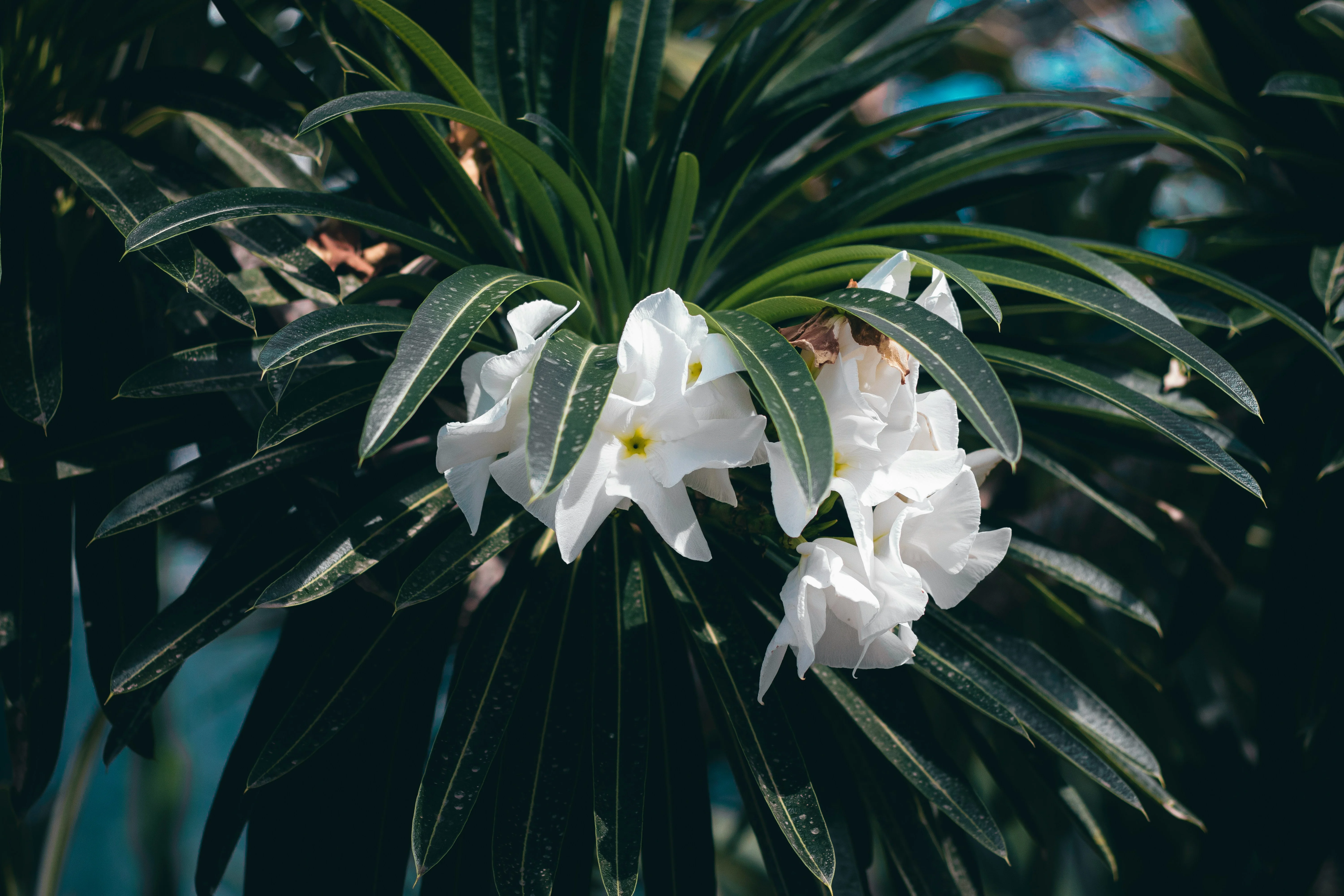
Summer (rarely flowers indoors, but mature plants produce fragrant white flowers)
Container Friendly
yes
Indoor Capable
yes
Environmental Parameters
| Parameter | Recommended | Survivable |
|---|---|---|
| Temperature | 70°F - 90°F (21°C - 32°C) | 60°F - 100°F (15°C - 38°C) |
| Humidity | 30% - 40% | 10% - 60% |
| Soil PH | 6.0 - 7.0 | 5.5 - 7.5 |
Lighting
Description
Requires the absolute maximum amount of light possible. Without blazing direct sunlight, the top will grow thin and weak, and the plant will refuse to produce leaves.
Nutrients
Nitrogen Demand
low
Phosphate Demand
low
Potassium Demand
low
Micronutrient Notes
Requires very little fertilizer. Over-fertilizing will cause weak, rapid growth that cannot support the weight of the trunk.
Fertilizer Frequency
Once in the early summer with a diluted cactus fertilizer.
Organic Options
A small amount of bone meal mixed into the topsoil.
Relationships
-
Root Rot
Vulnerability | Strength 10
Overwatering will cause the massive, thick trunk to turn to mush, killing the plant instantly.
Faux Palm (Not True Palm) Comparison
| Plant | True Family | Care Type |
|---|---|---|
| Madagascar Palm | Apocynaceae (Succulent) | Bone dry, blazing sun |
| Sago Palm | Cycad | Evenly moist, bright light |
| Ponytail Palm | Asparagaceae (Succulent) | Bone dry, bright light |
Troubleshooting & Diagnostics Guide
1 Soft, squishy, or black trunk base
Diagnosis: Fatal stem rot caused by chronic overwatering and poor soil drainage.
Treatment: Usually fatal. Discard the plant. If the rot is only at the very base, you may attempt to cut off the healthy top portion and propagate it like a cactus cutting.
Prevention: Use a gritty, fast-draining cactus mix and only water when the soil is completely dry.
2 Dropping all leaves suddenly
Diagnosis: Natural dormancy triggered by cool temperatures or shortened daylight, or severe shock.
Treatment: If it's winter, this is normal. Stop watering completely until new growth emerges in spring. If it's summer, check for severe underwatering or root rot.
Prevention: Keep the plant above 15°C to try and maintain leaves, though some leaf drop in winter is inevitable.
3 Brown, crispy tips on leaves
Diagnosis: Severe underwatering or extremely dry air during the active growing season.
Treatment: Increase watering frequency slightly while the plant is actively growing in summer, but still allow the soil to dry out between waterings.
Prevention: Provide consistent moisture during the summer growth phase.
Authoritative Resources
For additional peer-reviewed information on plant diseases, toxicity, and care, consult these trusted botanical and agricultural extensions:
Glossary of Terms
- Deciduous
- A plant that naturally sheds its leaves annually, usually in the autumn. The Madagascar Palm drops all its leaves to conserve water during the dry winter dormancy.
- Etiolation
- The abnormal stretching of a plant toward a light source when kept in the dark. This causes the thick trunk of the Madagascar Palm to grow thin and weak at the top.
Frequently Asked Questions
Why is my Madagascar Palm dropping all of its leaves?
Why is the thick trunk getting soft and mushy at the base?
Is the Madagascar Palm actually a palm tree?
Why is the new growth at the top getting thin and stretched out?
Is the Madagascar Palm toxic to pets?
Sources & References
-
Source: powo.science.kew.org
-
Source: edis.ifas.ufl.edu
Explore More