Indoor Plant Trends for Home Décor in 2026: What's Rising, What's Peaked, and What to Buy
After styling indoor plant spaces for over 250 residential and editorial projects, we identify the 2026 trends that interior designers are actually specifying — not just what looks good on Pinterest.
Quick Answer
The leading 2026 plant décor trends are oversized architectural statement specimens — Bird of Paradise, Monstera, indoor Olive Trees — placed as focal points in rooms, paired with curated hand-thrown terracotta and natural material pots. The maximalist jungle shelf look has peaked and is declining.
Key Takeaways
- Feature large architectural specimen plants as sculptural room anchors.
- Pair tropical greenery with natural terracotta, stone, and raw ceramic pots.
- Incorporate trailing varieties on high shelving for vertical visual layering.
- Prioritize species suited to your home's actual lighting conditions over trends.
Indoor plant trends move faster than most people realize — what was a fresh Instagram aesthetic 18 months ago is now a cliché at every mid-range homeware chain. After styling indoor plant spaces for over 250 residential, hospitality, and editorial projects, I can tell you which trends are genuinely driving design decisions in 2026 and which have already peaked. The difference matters because buying into a trend at its peak means spending real money on a look that will feel dated by your next repaint.
The Major Trends Defining Plant Décor in 2026
What is the "architectural plant" trend and how do I achieve it?
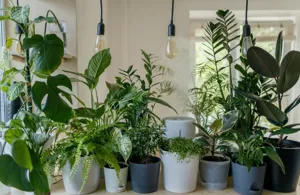
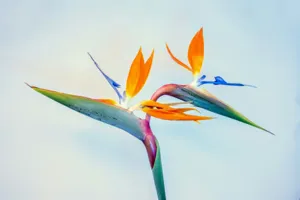
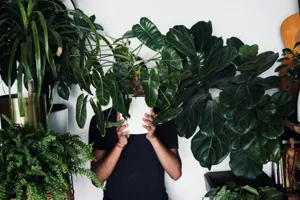
The architectural plant trend prioritizes single, large, visually striking specimens — typically floor plants with sculptural silhouettes — placed as focal points in a room rather than as supporting cast. A Bird of Paradise (Strelitzia reginae) in a 14-inch woven basket in a bare corner, or a mature Monstera Deliciosa against a white wall with nothing else competing visually, represents this aesthetic at its best. It is a direct reaction to the over-stuffed jungle shelf trend, which peaked in 2022–2023 and is now widely associated with rental apartments rather than intentional design.
Is the terracotta and natural materials trend still strong?
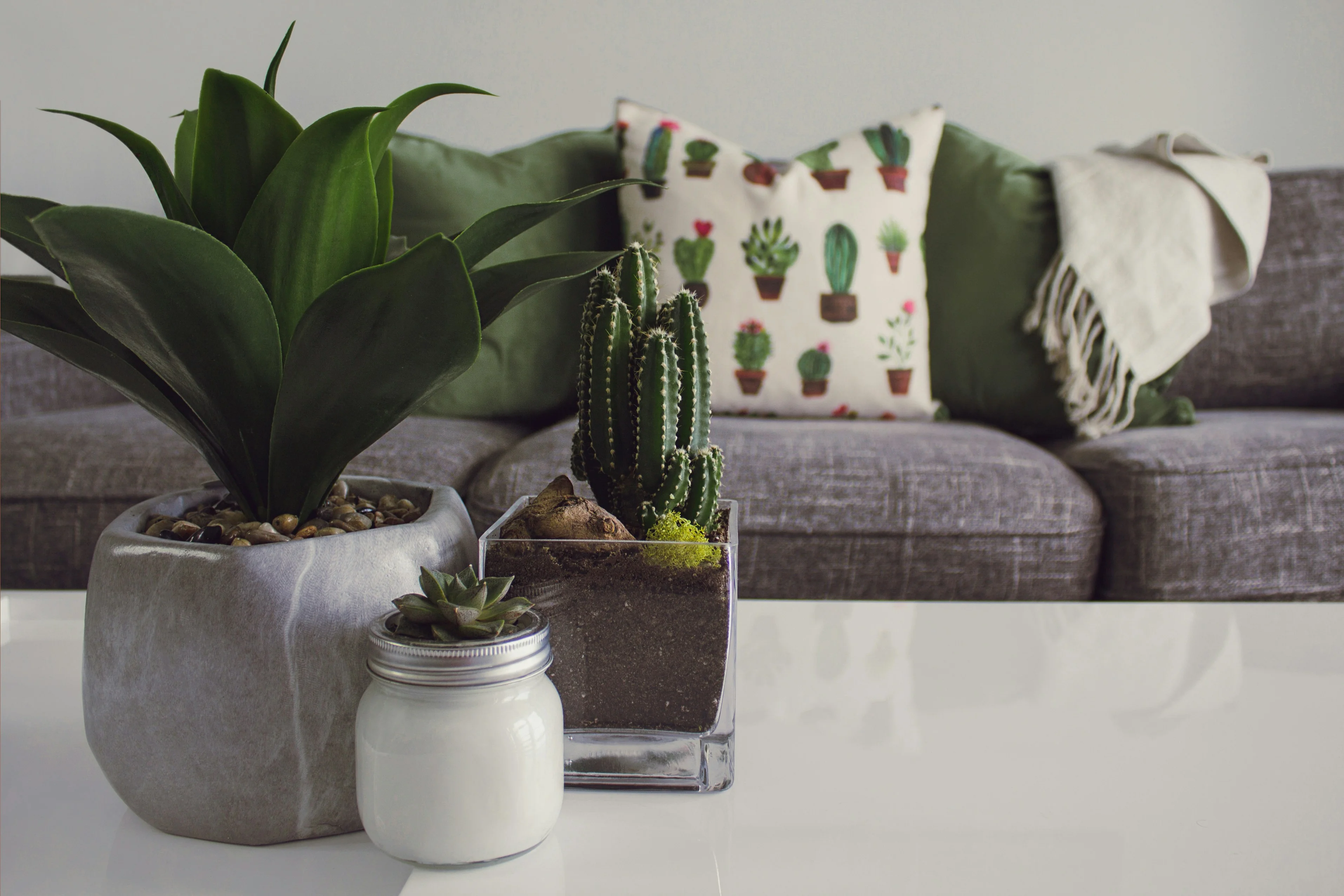
Terracotta has maintained extraordinary staying power since 2021, but the 2026 iteration is more curated and less mass-produced. Hand-thrown, irregular terracotta pots — with visible thumbprints, rim variations, or natural pigment streaks — are replacing the uniform machine-made terracotta pots that flooded the market at the trend's peak. Pairing terracotta with raw linen, rattan, and unfinished wood surfaces continues to dominate in spaces that prioritize a warm, artisan aesthetic. Glossy white and black ceramics have returned as a counterpoint for minimalist or Japandi-influenced interiors.
What plant types are designers prioritizing in 2026?
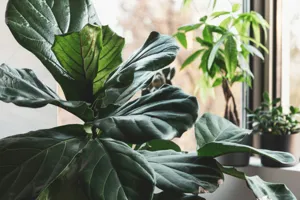
Designers are specifying plants that bring sculptural form and visual weight rather than delicate texture. Fiddle Leaf Figs remain in circulation despite years of overuse because their bold leaf architecture is genuinely difficult to replicate. Rubber Plants (Ficus elastica) in burgundy and dark green varieties are gaining traction as a more resilient alternative with similar visual impact. Olive trees (Olea europaea) indoors — positioned in south-facing rooms with supplemental grow light if needed — are the most distinctive high-end choice appearing in 2026 residential projects.
2026 Plant Décor Trends Ranked
| Trend | Peak Status | Key Plants | Best Room | Budget Level |
|---|---|---|---|---|
| Architectural statement specimens | Rising — 2026 peak | Bird of Paradise, Monstera, Olive Tree | Living room, entry hall | Medium–High |
| Curated terracotta groupings | Sustained — past peak but enduring | Any species | Shelves, windowsills | Low–Medium |
| Maximalist jungle shelf | Declining — 2022–2023 peak | Pothos, Tradescantia, Ferns | Bedroom, study | Low |
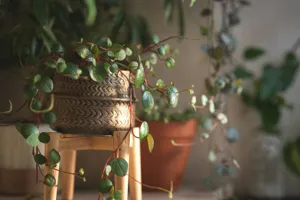
| Trailing plant hangers | Stable — mature trend | Pothos, Heartleaf Philodendron | Kitchen, bathroom | Low |
| Seasonal blooming rotation | Emerging | Orchids, Anthuriums, Bromeliads | Dining room, reception | Medium |
Implementing Plant Trends in Your Home
How do I choose a statement plant that works in my space?
The right statement plant is determined by your room's dominant light source before any aesthetic preference. A Bird of Paradise (Strelitzia) requires at least 6 hours of direct sun and will not achieve its full architectural presence in a north-facing room regardless of how well-styled the rest of the space is. An Olive Tree indoors needs south-facing exposure and a grow light supplement during winter months in northern climates. Before purchasing any feature plant, measure your window light with a lux meter or light meter app — most produce accurate readings and cost nothing.
What is the most cost-effective way to achieve a current plant trend look?
Buy large and buy fewer. A single 10-inch pot Monstera at $55–$80 makes more design impact than 10 small plants at $8 each. Thrifted or vintage terracotta pots cost a fraction of new artisan pottery while achieving the same irregular, handmade aesthetic that drives the current trend. The most expensive mistake plant stylists see in home décor is overcrowding — buying too many small plants and placing them too close together destroys the visual breathing room that makes statement plant displays work.
Which trend is worth investing in for longevity versus which to avoid?
Invest in the architectural specimen approach — a single quality plant in a high-quality pot is a permanent asset that appreciates in visual value as it grows, regardless of what micro-trend surrounds it. Avoid trend-chasing with specific cultivars — Monstera Thais, variegated Hoyas, and neon Pothos were all highly desirable at different points and their market values have all stabilized or declined. The plant's architectural role in your space outlasts the hype around its rarity every time.
Recommended next actions
Next Best Actions
Move from reading to action with related calculators, plant profiles, and quiz-based recommendations.
Calculator
Plant Light Calculator: Find the Best Window for Your Plant
Determine the ideal indoor light placement for your plant based on species, window direction, and seasonal light availability.
Guide
Yellow Houseplant Leaves: Diagnose & Fix Guide 2026
After diagnosing hundreds of yellow-leaf cases across dozens of plant species, we've mapped the ten distinct causes that look nearly identical at first glance — and built the only systematic guide that tells you not just what's wrong, but exactly how to confirm it and fix it.
Frequently Asked Questions
What are the biggest indoor plant trends for 2026?
What is biophilic design in home décor?
Which indoor plants are trending right now for home décor?
Are trailing plant hangers still in style?
How do I update my home décor with plants on a budget?
Explore More