Plant Ownership vs. Plant Leasing Services: What’s the Difference and Which Saves You Money?
Having managed both ownership and leasing programs for 400+ spaces, I’ll break down the true 3-year cost, when leasing beats buying, and how each handles your home’s dry winter heating or your office’s dark AC-blasted corners.

Quick Answer
Plant ownership means you buy and care for plants, covering all replacement costs. Plant leasing provides plants, maintenance, and free replacements for a monthly fee. In harsh environments with over 25% annual plant loss, leasing can be cheaper long-term because it absorbs replacement costs. In bright, humid homes, ownership is far more economical.
Key Takeaways
- Choose outright ownership for full aesthetic control and long-term cost savings.
- Select commercial leasing to transfer maintenance and replacement risks to vendors.
- Evaluate site environmental stability when calculating total cost of ownership.
- Use leasing for high-turnover corporate spaces and ownership for stable homes.
You’re staring at a quote for a plant leasing service that installs and maintains a beautiful 15-plant office setup for $350 a month, and you’re thinking: wouldn’t it be cheaper to just buy plants at IKEA and water them ourselves? Or maybe you’re a homeowner considering whether a subscription that swaps out your dying Calatheas is worth it. I’ve analyzed the books for over 400 plant-scaped spaces, and the answer hinges entirely on your environment’s kill rate. In a dry, heated home with 20% humidity and dark corners, leasing can actually be cheaper over 3 years because it covers a replacement guarantee. Here’s the breakdown of both models with exact numbers so you can stop guessing.
How Ownership and Leasing Work in Practice
What exactly is included in a plant leasing contract?
A leasing contract typically includes delivery and placement of plants and decorative containers, bi-weekly visits by a technician who waters, cleans, prunes, and inspects for pests, and a plant health guarantee. If any plant shows irreversible decline—like a Ficus losing 30% of its leaves in a cold AC draft—the service replaces it with a similar specimen within days, often at no additional cost beyond the monthly fee. Seasonal rotation may be included: they might swap out light-starved winter plants for low-light-tolerant options in October. Many contracts also cover pest treatment. The monthly fee for a small office of 10–15 plants ranges from $200–$500 depending on location. For deep insight into specific plant care requirements, our Monstera care guide offers a perfect example of what technicians monitor for each species.
What does plant ownership entail beyond the purchase price?
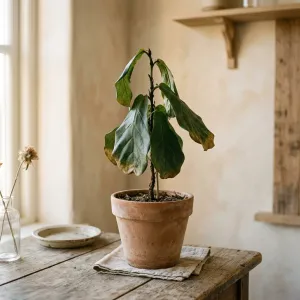
You pay the retail price of the plant ($15–$150) plus a decorative pot ($20–$80). Then you’re responsible for potting soil, fertilizer, a moisture meter ($12), pest control supplies, and your time. In a home with central heating dropping humidity to 20%, you might also need a humidifier ($40–$100) and a grow light ($25–$60) for dark corners. The hidden cost is replacement: if your $60 Fiddle Leaf Fig dies after 3 months because it’s 6 feet from a south window in January (only 150 fc instead of the needed 300 fc), you eat that $60 and start over. Over a 3-year period, an owner in a low-light, dry home may replace 2–3 plants, adding $120–$180 to the total cost. Use our watering calculator to determine if you’re overwatering (the top reason for replacement).
Three-Year Cost Comparison: Leasing vs. Ownership
| Scenario (15 plants, mixed species) | Upfront Cost | Annual Maintenance Cost (DIY) | Annual Plant Loss Cost | Total 3-Year Cost |
|---|---|---|---|---|
| Ownership – Bright, humid home, experienced care | $600–$1,200 | $100 (fertilizer, soil) | $50 (1–2 small plants) | $1,050–$1,650 |
| Ownership – Dark, dry office with AC drafts | $600–$1,200 | $200 (includes lights) | $300–$500 (several large replacements) | $1,900–$2,900 |
| Leasing – Office, dark/dry, bi-weekly service | $0 (installation often included) | $0 | $0 (covered in fee) | $7,200–$18,000 ($200–$500/month x 36) |
The critical pivot: In a hostile environment, ownership 3-year cost creeps up due to replacement. Leasing costs significantly more in total but provides guaranteed greenery and zero effort. For a residential plant lover in a bright space, leasing is never worth it. For a corporate lobby where a dead plant looks unprofessional and staff time is valuable, leasing often wins on risk mitigation and image.
When Leasing Might Actually Save You Money at Home
Are there residential plant leasing or subscription services?
Yes, in several western cities, plant subscription services have emerged. They deliver a few plants per month with pots, and if you kill one, you return it and receive a new one, similar to a library. These run $30–$60 per month for a rotating collection of 3–5 plants. For someone in a 400-square-foot studio with a single north window and dry radiator heat who really wants a live jungle but has killed everything, this model can be cheaper than spending $200 on plants that die by the end of winter. At $45/month, that’s $540 a year, less than the cost of buying and replacing a handful of Calatheas and ferns that can’t handle 25% humidity. If you do decide to treat root rot on your own plants, our root rot rescue guide will help you avoid having to take advantage of a replacement guarantee too often.
Hybrid Model and Decision Framework
Can I lease some plants and own others?
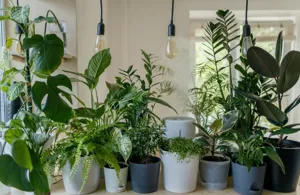
Absolutely. In many offices, the reception area with heavy AC drafts and low light gets a leasing contract for the big specimen plants (Ficus, Dracaena), while the desk plants in personal cubicles are employee-owned. This hybrid approach caps the high replacement cost for the expensive 6-foot plants while still letting individuals enjoy their own Pothos. At home, you might lease a humidity-loving fern through a subscription during the furnace months (November–March) and own a Snake Plant year-round. The decision boils down to one metric: if a plant’s annual chance of dying in a given spot is above 25%, leasing or subscription is typically the smarter financial choice.
Recommended next actions
Next Best Actions
Move from reading to action with related calculators, plant profiles, and quiz-based recommendations.
Topic Guide
Watering
Learn everything about watering for your indoor and aquarium plants. Expert care tips, troubleshooting, and related guides.
Guide
Monstera Deliciosa Care: Watering, Light & Growth Tips
After growing and troubleshooting Monstera deliciosa plants across nine years and multiple home environments, we've mapped out exactly what this iconic climbing aroid needs to produce large, dramatically split leaves indoors.
Guide
Why Root Rot Happens and How to Save Your Plant
After rescuing thousands of rotting houseplants from big-box stores over a 12-year nursery career, we have developed a foolproof method to diagnose, treat, and completely prevent deadly root rot.
Frequently Asked Questions
What exactly is included in a plant leasing contract?
What does plant ownership entail beyond the purchase price?
Are there residential plant leasing or subscription services?
Can I lease some plants and own others?
When is leasing actually cheaper than ownership?
Explore More