Plant Library
Vastu Plant Care & Indoor Placement Guides
Browse Vastu-compatible plant guides with practical placement, light, room fit, watering, and maintenance advice.
- Guides
- 8
- Beginner
- 41
- Aquatic
- 6
8 guides on this page. Use header search for the full library.
All plant guides
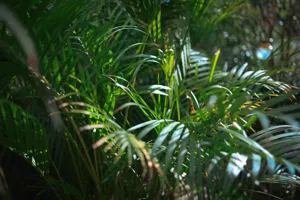
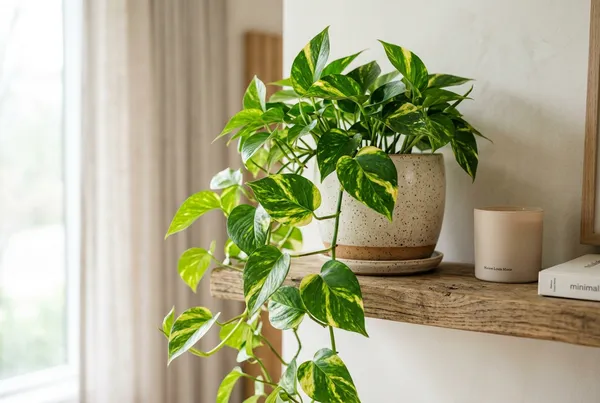
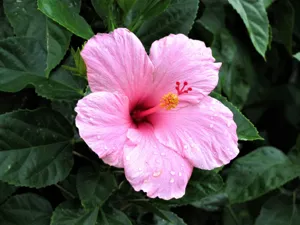
No matching plants found
Try a broader plant name, light level, or care difficulty.
Frequently Asked Questions
Which direction is best for placing plants according to Vastu?
The northeast corner of a home is considered the most auspicious direction for placing plants in Vastu Shastra, associated with positive energy and prosperity. The east and north directions are also favorable for most flowering and foliage plants. The southwest corner is generally avoided for plant placement, as it is associated with stability rather than growth energy.
Which plants are considered inauspicious for the home in Vastu?
Cacti and other thorny plants are traditionally avoided indoors in Vastu practice, since sharp thorns are believed to generate negative or conflicting energy. Bonsai trees are also commonly avoided, as their deliberately stunted growth is seen as symbolically restricting growth and prosperity in the household.
Can Vastu plants also be low-maintenance?
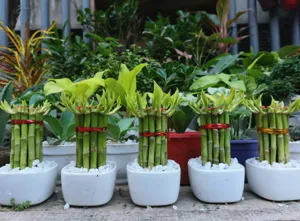
Yes — many Vastu-favorable plants like Money Plant (Pothos), Lucky Bamboo, and Tulsi (Holy Basil) are also genuinely easy to care for, tolerating irregular watering and moderate indoor light. This overlap is not a coincidence: these species have been cultivated in Indian homes for generations precisely because they're both symbolically valued and forgiving to grow.
Does the health of a Vastu plant matter more than its placement?
Yes. A wilting, yellowing, or dying plant is considered to work against the positive energy Vastu principles aim to invite, regardless of correct directional placement. Proper watering, adequate light, and routine care always take priority — a healthy plant in a suboptimal spot is preferable to a struggling plant in the 'ideal' corner.