Pink Arrowhead Plant Indoor Guide: Avoid Fading Colors
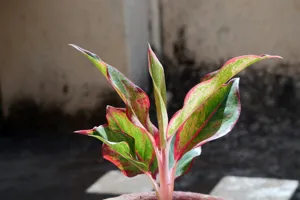
The Pink Arrowhead Plant (Syngonium Neon Robusta) is a fast-growing, highly adaptable vine. It is famous for its stunning, neon pink leaves, making it one of the easiest colorful houseplants available.
-
Difficulty
easy
-
Light
Requires significant bright, indirect light. The new leaves only emerge neon pink if the plant is receiving enough solar energy. In low light, it will turn entirely green.
-
Temperature
65°F - 85°F (18°C - 29°C)
-
Growth
fast
-
Humidity
40% - 60%
-
pH range
5.5 - 6.5
-
Biggest Owner Mistake
Placing it in low light because it's a syngonium and syngoniums tolerate shade—but the neon pink coloring is produced by anthocyanins that require bright indirect light. In dim conditions, new leaves emerge as a dull greenish-pink that loses all the vibrancy the plant is grown for.
-
What Nobody Tells You
The most vivid pink is always on the newest leaves—older leaves naturally fade to a muted dusty pink as they age, regardless of care. Pruning regularly encourages fresh, intensely-colored new growth and keeps the overall plant looking vibrant.
-
Real Home Conditions
In dry air, leaf edges curl and develop brown margins, and the pink coloring in affected areas fades further as the tissue desiccates. It tolerates average homes reasonably well but benefits noticeably from occasional misting or a nearby humidifier.
Quick Answer
The Pink Arrowhead Plant needs bright, indirect light to maintain its neon pink color; in low light, it will turn green. Water only when the top 2-3 inches of soil are dry. Snip off trailing vines if you want it to stay bushy.
Key Takeaways
- Provide bright indirect light to maintain the vivid neon pink leaf color.
- Water when the top 1-2 inches of soil feel dry to the touch.
- Expect color to fade toward green in lower light conditions.
- Support with a trellis or moss pole for more mature leaf growth.
Overview
Finding a truly pink houseplant usually means committing to the high-maintenance, diva-like demands of a Calathea or a Stromanthe. If you want the shocking pop of neon pink without the stress, the Pink Arrowhead Plant (Syngonium podophyllum 'Neon Robusta') is the ultimate solution.
This rapidly growing cultivar of the classic Arrowhead Vine features spade-shaped leaves that emerge in a brilliant, glowing, iridescent pink. The undersides of the leaves remain a contrasting dark green. It is incredibly resilient, highly forgiving of missed waterings, and completely unbothered by standard indoor humidity. The only catch? It is a voracious climber. It starts life as a cute, bushy desk plant, but within a year, it will shoot out long, trailing vines that will take over your bookshelf.
Light Requirements: Keeping the Pink
Light is the absolute most critical factor in caring for a Neon Robusta. The intense pink pigmentation is an active response to bright light. If you place the plant in a low-light corner, it will realize it is starving. To compensate, it will flood its leaves with green chlorophyll to maximize photosynthesis. Within a few months, your stunning pink plant will fade into a dull, muddy green.
To maintain the shocking pink color, place the plant directly in front of a bright, east-facing or north-facing window. However, avoid placing it in blazing, direct afternoon sun, which will scorch the delicate leaves and bleach the pink color entirely.
Watering: Erring on the Dry Side
The Pink Arrowhead is highly forgiving of drought but incredibly susceptible to root rot if overwatered. You must allow the top 2 to 3 inches of the potting soil to dry out completely before you water. If you forget to water it, the thin leaves will dramatically droop, acting as a perfect thirst indicator.
When the soil is properly dry, soak the pot thoroughly until water flows out the drainage holes, but ensure it never sits in a saucer of standing water. If the lowest leaves turn a sickly yellow and feel mushy, you are drowning the plant.
Temperature and Humidity
As a tropical plant, it requires warm indoor temperatures between 65°F and 85°F (18°C - 29°C). Keep it far away from cold winter drafts and air conditioning vents; temperatures below 55°F (12°C) can cause permanent cellular damage. Fortunately, its slightly waxy leaves make it perfectly adaptable to the standard 40% to 50% humidity found in most centrally heated homes, meaning no humidifier is required.
Soil and Potting
Because the roots rot easily, a fast-draining aroid mix is essential. Standard indoor potting soil should be amended with 30% perlite and coarse orchid bark to ensure excess water drains away rapidly and the roots get plenty of oxygen. Because it grows so quickly, you may need to repot it every spring.
The "Leggy" Vine Problem
The most common complaint about Syngoniums is that they look "messy" as they age. They naturally want to climb trees. As the plant matures, it will shoot out long, stringy vines that fall over the edge of the pot.
You have three choices: give the plant a moss pole or trellis to climb, place it in a hanging basket and let it trail downward, or grab some scissors. If you want to keep the plant looking like a compact, bushy desk plant, you must ruthlessly prune off the trailing vines every few months. (You can root these cuttings in water to make brand new plants!)
Toxicity
Like all plants in the Araceae family, the Pink Arrowhead contains insoluble calcium oxalate crystals. If chewed by cats, dogs, or children, these microscopic crystals embed in the soft tissues of the mouth and throat, causing severe burning, swelling, drooling, and vomiting. Keep the trailing vines safely out of reach.
Calculator
Interactive Calculators for Syngonium Neon Robusta
Recommended next actions
Next Best Actions
Use calculators and guides to turn this plant profile into a practical care routine.
Topic Guide
Watering
Learn everything about watering for your indoor and aquarium plants. Expert care tips, troubleshooting, and related guides.
Plant Guide
Arrowhead Plant
After growing and propagating over 150 Syngonium specimens in dry, centrally heated homes and low-light Northern rooms over the past 9 years, we have perfected the watering, light, and humidity techniques that keep leaves compact and prevent the dreaded winter leaf drop.
Guide
Yellow Houseplant Leaves: Diagnose & Fix Guide 2026
After diagnosing hundreds of yellow-leaf cases across dozens of plant species, we've mapped the ten distinct causes that look nearly identical at first glance — and built the only systematic guide that tells you not just what's wrong, but exactly how to confirm it and fix it.
Topic Guide
Root Rot
Learn how to identify and treat root rot in houseplants. Discover causes, symptoms, and step-by-step solutions to save your plants from overwatering.
Structured Plant Data
Plant Data Profile
The following data is extracted directly from our botanical knowledge graph for accuracy and transparency.
Growth Characteristics
Growth Rate
fast
Mature Height
Vines up to 6 feet long
Mature Spread
1-2 feet wide
Life Cycle
Perennial
Flowering Season
Rarely flowers indoors
Container Friendly
yes
Indoor Capable
yes
Environmental Parameters
| Parameter | Recommended | Survivable |
|---|---|---|
| Temperature | 65°F - 85°F (18°C - 29°C) | 55°F - 90°F (13°C - 32°C) |
| Humidity | 40% - 60% | 20% - 80% |
| Soil PH | 5.5 - 6.5 | 5.0 - 7.0 |
Lighting
Description
Requires significant bright, indirect light. The new leaves only emerge neon pink if the plant is receiving enough solar energy. In low light, it will turn entirely green.
Nutrients
Nitrogen Demand
moderate
Phosphate Demand
low
Potassium Demand
moderate
Micronutrient Notes
Fast grower. Feed regularly during the summer to support the massive vine production.
Fertilizer Frequency
Once a month during spring and summer with a balanced liquid fertilizer diluted to half strength.
Organic Options
Monthly top dressing of worm castings.
Relationships
-
Root Rot
Vulnerability | Strength 7
Susceptible to root rot if left sitting in dense, water-logged potting soil without drainage.
Pink Houseplant Comparison
| Plant | Pink Variation | Care Difficulty |
|---|---|---|
| Syngonium Neon Robusta | Solid neon pink | Beginner (Very Forgiving) |
| Philodendron Pink Princess | Dark green with pink splashes | Moderate |
| Stromanthe Triostar | Hot pink undersides | Advanced (Needs High Humidity) |
Troubleshooting & Diagnostics Guide
1 Why is my Pink Arrowhead turning completely green?
Diagnosis: Low light – loss of pink pigmentation
Treatment: Move to brighter indirect light; new leaves will be pink.
Prevention: Provide bright indirect light.
2 Why is the plant growing long, stringy vines that fall over?
Diagnosis: Natural vining habit – needs support or pruning
Treatment: Give a trellis or prune to maintain bushiness; let it trail if desired.
Prevention: Train or prune regularly.
3 Why are the bottom leaves turning yellow and mushy?
Diagnosis: Overwatering – root rot
Treatment: Reduce watering; allow soil to dry; check roots.
Prevention: Water when top inch is dry.
4 Why are the leaves getting pale and bleached?
Diagnosis: Too much direct sunlight – leaf scorch
Treatment: Move to filtered light; trim damaged leaves.
Prevention: Provide bright indirect light, not harsh direct sun.
Authoritative Resources
For additional peer-reviewed information on plant diseases, toxicity, and care, consult these trusted botanical and agricultural extensions:
Glossary of Terms
- Chlorophyll
- The green pigment in plants responsible for absorbing light energy. If the Pink Arrowhead is put in the dark, it will produce more chlorophyll (turning green) to survive.
- Node
- The point on a plant stem where the leaves are attached. When pruning a leggy Syngonium, cut just below a node so you can root the cutting in water.
Frequently Asked Questions
Why is my Pink Arrowhead turning completely green?
Why is the plant growing long, stringy vines that fall over?
Why are the bottom leaves turning yellow and mushy?
Why are the leaves getting pale and bleached?
Is the Pink Arrowhead Plant toxic to pets?
Sources & References
-
Source: aroid.org
-
Source: powo.science.kew.org
Explore More