Philodendron Prince of Orange Care Guide: Light, Watering & Leaf Color
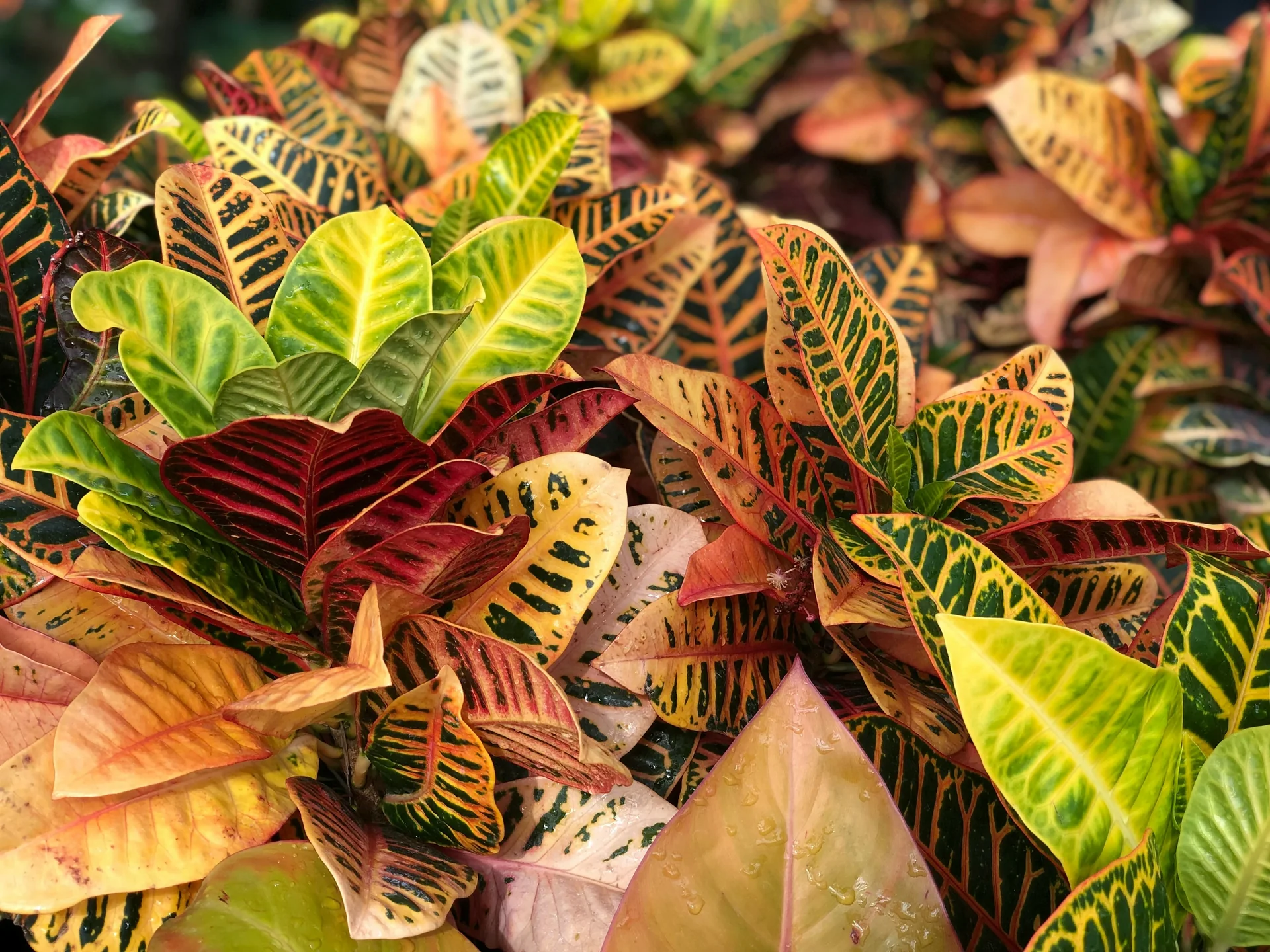
The Philodendron Prince of Orange is a stunning, self-heading plant famous for its spectacular colors. Brand new leaves emerge as a glowing neon orange before slowly fading to pale green.
-
Difficulty
moderate
-
Light
Requires significant bright, indirect light. The new leaves only emerge orange if the plant is receiving enough solar energy. Direct sun will scorch the leaves.
-
Temperature
65°F - 85°F (18°C - 29°C)
-
Growth
moderate
-
Humidity
40% - 60%
-
pH range
5.5 - 6.5
-
Biggest Owner Mistake
Panicking when orange leaves start turning green and assuming the plant is sick—the orange color is a temporary pigment present only in new, young leaves that naturally transitions to green as each leaf matures. The color show happens in the first few weeks of each leaf's life, not permanently.
-
What Nobody Tells You
The intensity of orange on new leaves is directly tied to light levels—in low light, new leaves emerge pale yellow-green with little orange at all, while bright indirect light produces that vivid tangerine color the plant is named for. Light is the switch, not fertilizer.
-
Real Home Conditions
In low-light rooms, this plant becomes indistinguishable from a plain green philodendron because all new growth skips the orange phase entirely. A spot with genuinely bright indirect light is the only way to keep the perpetual color display this cultivar is grown for.
Quick Answer
The Prince of Orange needs bright, indirect light; in low light, new leaves will emerge green instead of orange. Water only when the top 2-3 inches of soil are dry, and use a chunky, well-draining soil mix. For best results, we suggest keeping an eye on the plant's response throughout the active growing season.
Key Takeaways
- Provide bright indirect light to showcase the vivid orange new growth.
- Water when the top 1-2 inches of soil feel dry to the touch.
- Expect new leaves to mature from orange to deep green over time.
- Maintain moderate humidity year-round for the healthiest overall foliage for optimal health and vibrant foliage development.
Overview
In a sea of green houseplants, the Philodendron 'Prince of Orange' stands out like a beacon. This spectacular hybrid cultivar is famous for its mesmerizing color transitions. Unlike trailing Philodendrons (like the Heartleaf or Brasil), the Prince of Orange is a "self-heading" variety. It grows upright from a tight central crown, keeping a compact, bushy, rosette-like shape that rarely exceeds two feet in height.
Its true magic lies in its new growth. When a new leaf emerges from the center of the crown, it unfurls in a blazing, neon orange-red. As the leaf matures over several weeks, it slowly transitions to a pale copper, then yellow-green, and finally hardens into a dark emerald green. Because the plant produces leaves continuously, a single healthy plant will display a stunning gradient of orange, yellow, and green all at once.
Light Requirements: Keeping the Orange
Light is the absolute most critical factor in caring for a Prince of Orange. The intense orange pigmentation is heavily dependent on the plant receiving enough solar energy. If you place the plant in a low-light corner, it will completely stop producing orange leaves. Instead, all new growth will emerge as a dull, muddy green to maximize its ability to photosynthesize in the dark.
To get the brightest, most vibrant orange, place the plant in an east-facing window where it gets plenty of bright, indirect light and perhaps a few hours of gentle morning sun. However, strictly avoid blazing, hot afternoon sun, which will scorch the leaves and leave permanent crispy brown burn spots.
Watering: Avoiding Rot
Self-heading Philodendrons have thick, fleshy root systems that are highly susceptible to rot if suffocated by water. You must allow the top 2 to 3 inches of the potting soil to dry out completely before watering.
Never water on a strict weekly schedule. Stick your finger deep into the pot; if it feels damp, wait a few more days. When the soil is properly dry, soak the pot thoroughly until water flows out the drainage holes. Ensure the pot does not sit in a saucer of standing water afterward. If the lowest, oldest leaves begin turning a sickly yellow and feel mushy, you are overwatering the plant.
Temperature and Humidity
As a tropical hybrid, it requires temperatures between 65°F and 85°F (18°C - 29°C). Keep it far away from cold winter windows, drafty doors, and air conditioning vents. While it naturally thrives in high humidity, its thick, slightly waxy leaves allow it to adapt perfectly to the standard 40-50% humidity found in most centrally heated homes, making it incredibly easy to care for.
Soil and Potting
Because the roots are prone to rot, standard, heavy potting soil can quickly lead to severe root rot. You must use a chunky, fast-draining aroid mix. Combine standard indoor potting soil with 30% to 40% perlite and coarse orchid bark. This ensures that excess water drains away instantly and provides the roots with plenty of oxygen.
Pruning and Maintenance
Because the Prince of Orange grows from a central crown, the lowest, oldest leaves will naturally die off over time to make room for new growth at the top. When a bottom leaf turns completely yellow and begins to dry up, simply snip it off near the base of the stem with sterile scissors.
Additionally, the large, wide leaves collect a significant amount of household dust, which blocks sunlight. Wipe the leaves down gently with a damp microfiber cloth every few weeks to keep them glossy and capable of photosynthesis.
Toxicity
Like all plants in the Araceae family, the Prince of Orange contains insoluble calcium oxalate crystals. If chewed by pets or humans, these microscopic crystals embed in the soft tissues of the mouth, throat, and stomach. This causes severe burning, swelling, excessive drooling, and vomiting. Keep the plant safely out of reach of curious cats and dogs.
Calculator
Interactive Calculators for Philodendron Prince Of Orange
Recommended next actions
Next Best Actions
Use calculators and guides to turn this plant profile into a practical care routine.
Topic Guide
Watering
Learn everything about watering for your indoor and aquarium plants. Expert care tips, troubleshooting, and related guides.
Guide
Yellow Houseplant Leaves: Diagnose & Fix Guide 2026
After diagnosing hundreds of yellow-leaf cases across dozens of plant species, we've mapped the ten distinct causes that look nearly identical at first glance — and built the only systematic guide that tells you not just what's wrong, but exactly how to confirm it and fix it.
Guide
Brown Crispy Tips on Houseplants: Causes & Fixes
With over 15 years of indoor plant diagnostics and more than 3,000 leaf-tissue cases analyzed, we've mapped the exact mechanisms behind brown crispy tips—fluoride accumulation, salt toxicity, and humidity deficits—so you can reverse damage today.
Topic Guide
Root Rot
Learn how to identify and treat root rot in houseplants. Discover causes, symptoms, and step-by-step solutions to save your plants from overwatering.
Structured Plant Data
Plant Data Profile
The following data is extracted directly from our botanical knowledge graph for accuracy and transparency.
Growth Characteristics
Growth Rate
moderate
Mature Height
2 feet indoors
Mature Spread
2 feet wide
Life Cycle
Perennial
Flowering Season
Rarely flowers indoors
Container Friendly
yes
Indoor Capable
yes
Environmental Parameters
| Parameter | Recommended | Survivable |
|---|---|---|
| Temperature | 65°F - 85°F (18°C - 29°C) | 55°F - 90°F (13°C - 32°C) |
| Humidity | 40% - 60% | 20% - 80% |
| Soil PH | 5.5 - 6.5 | 5.0 - 7.0 |
Lighting
Description
Requires significant bright, indirect light. The new leaves only emerge orange if the plant is receiving enough solar energy. Direct sun will scorch the leaves.
Nutrients
Nitrogen Demand
moderate
Phosphate Demand
low
Potassium Demand
moderate
Micronutrient Notes
Do not over-fertilize, as it can cause chemical burns on the bright orange new growth.
Fertilizer Frequency
Once a month during spring and summer with a balanced liquid fertilizer diluted to half strength.
Organic Options
Monthly top dressing of worm castings.
Relationships
-
Root Rot
Vulnerability | Strength 8
The thick roots will rot very quickly if left sitting in dense, heavy potting soil.
Self-Heading Philodendron Comparison
| Variety | New Leaf Color | Mature Leaf Color |
|---|---|---|
| Prince of Orange | Neon orange | Emerald green |
| Rojo Congo | Dark burgundy red | Deep green-black |
| Birkin | Pure white | Green with white pinstripes |
Troubleshooting & Diagnostics Guide
1 Why is my Prince of Orange turning completely green?
Diagnosis: Natural leaf maturation (old leaves) or low light (new leaves green)
Treatment: If new leaves are green, move to brighter indirect light; old leaves will stay green.
Prevention: Provide bright indirect light.
2 Why are the leaves getting brown, crispy spots?
Diagnosis: Sunburn from direct sunlight
Treatment: Move to filtered light; remove severely damaged leaves.
Prevention: Avoid direct afternoon sun; use sheer curtains.
3 Why are the bottom leaves turning yellow and mushy?
Diagnosis: Overwatering – root rot
Treatment: Reduce watering; allow soil to dry; check roots.
Prevention: Water when top inch is dry.
Authoritative Resources
For additional peer-reviewed information on plant diseases, toxicity, and care, consult these trusted botanical and agricultural extensions:
Glossary of Terms
- Self-Heading
- A growth habit in Philodendrons where the plant grows upright from a tight central crown, pushing out leaves in a rosette pattern, rather than climbing or trailing via vines.
- Hardening Off
- The process where a brand new, soft leaf gradually stiffens, thickens, and changes color as it matures. The Prince of Orange hardens off from orange to green.
Frequently Asked Questions
Why is my Prince of Orange turning completely green?
Does the Prince of Orange need a moss pole to climb?
Why are the leaves getting brown, crispy spots?
Why are the bottom leaves turning yellow and mushy?
Is the Prince of Orange toxic to pets?
Sources & References
-
Source: aroid.org
-
Source: edis.ifas.ufl.edu
Explore More