Raindrop Peperomia Indoor Guide: The Easier Pilea Alternative
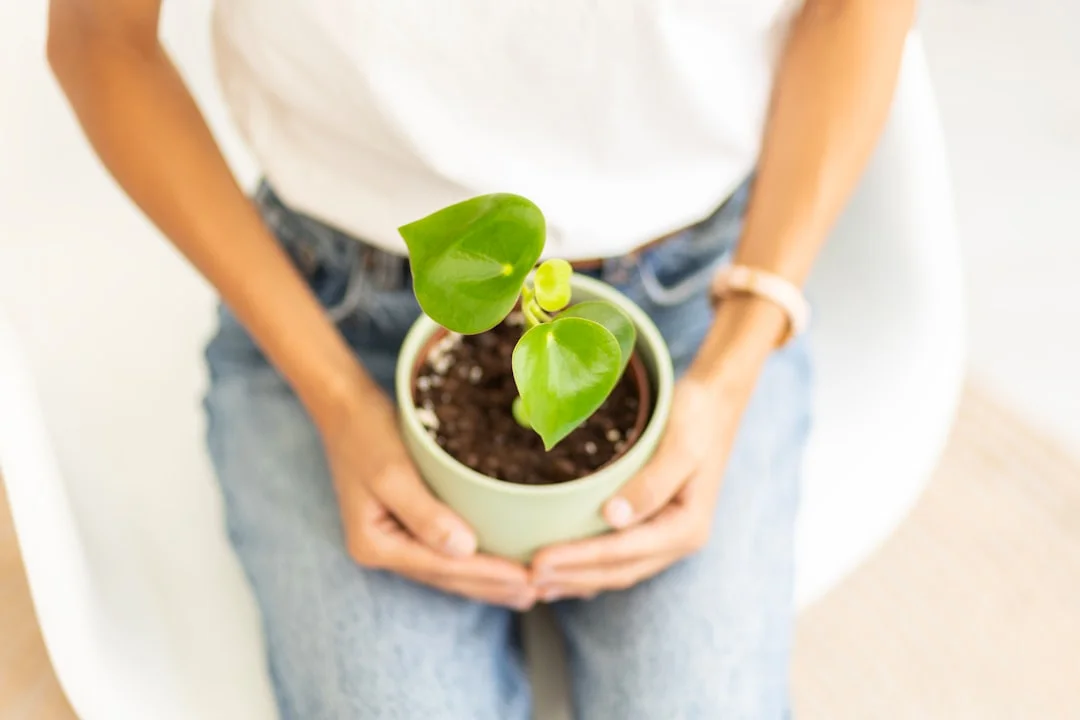
The Raindrop Peperomia is the perfect alternative to the finicky Pilea. Featuring thick, glossy, teardrop-shaped leaves, it is a highly resilient, pet-safe plant for small spaces.
-
Difficulty
easy
-
Light
Requires bright, indirect light to grow large, flat leaves. If placed in a dark room, the leaves will curl under and the stems will stretch out. Direct afternoon sun will scorch it.
-
Temperature
65°F - 80°F (18°C - 27°C)
-
Growth
moderate
-
Humidity
40% - 60%
-
pH range
6.0 - 6.5
-
Biggest Owner Mistake
Overwatering because the large, shiny leaves look thirsty—the thick, raindrop-shaped leaves store considerable water, and wet soil causes crown rot that travels down to the roots invisibly. Let the top half of the soil dry out completely before watering again.
-
What Nobody Tells You
The upward-cupped shape of the leaves naturally collects dust in the bowl of each leaf, and the buildup reduces photosynthesis more noticeably than on flat-leaved plants. A regular gentle wipe with a soft cloth keeps the glossy surface clean and the plant growing efficiently.
-
Real Home Conditions
In low light, the leaves grow progressively smaller with each new flush and the iconic round shape becomes more elongated and less defined. Bright indirect light is what produces those large, perfectly circular leaves the plant is known for.
Quick Answer
The Raindrop Peperomia is a pet-safe, easy-care alternative to the Pilea. Provide bright, indirect light and treat it like a succulent, watering only when the top half of the soil is completely dry. For best results, we suggest keeping an eye on the plant's response throughout the active growing season.
Key Takeaways
- Water when the top 1-2 inches of soil feel dry to the touch.
- Provide bright indirect light for the best raindrop-shaped leaf growth.
- Use a well-draining, chunky mix to prevent overly wet roots.
- Avoid overwatering, since thick leaves store water and rot easily.
Overview
The Raindrop Peperomia (Peperomia polybotrya) is a stunning, compact houseplant native to the high-altitude forests of South America. It features large, fleshy, glossy green leaves shaped exactly like teardrops or raindrops, all cascading from thick, sturdy stems.
For years, this plant has been overshadowed by the wildly famous Chinese Money Plant (Pilea peperomioides), which has a similar appearance. However, indoor gardeners are rapidly discovering a poorly kept secret: the Pilea is incredibly finicky and prone to dying indoors, while the Raindrop Peperomia is essentially indestructible. If you love the look of round, "coin-leaf" plants but want something that won't drop all its leaves the moment you look at it wrong, the Raindrop Peperomia is the perfect, pet-safe solution.
Light Requirements
To produce large, flat leaves, the Raindrop Peperomia needs bright, indirect light. An east-facing window where it gets gentle morning sun is ideal. If you place it in a dim room, it won't die immediately, but the new leaves will be very small, and they will curl under into a "cup" shape as they struggle to catch light. Avoid placing it in blazing, direct afternoon sun, which will scorch the thick leaves and leave permanent brown burn marks.
Watering: The Succulent Approach
While it is technically a tropical forest plant, the Raindrop Peperomia behaves much like a succulent. Its thick, fleshy leaves and sturdy stems store massive amounts of water. Because of this, its biggest enemy is overwatering.
You must allow the top half of the soil to dry out completely before watering. A great trick is to gently squeeze the leaves: if they feel rock-hard and rigid, do not water the plant. If they feel slightly soft or pliable, it is time to water. When you do water, soak the pot thoroughly until water drains out the bottom, and never let the pot sit in a saucer of standing water. If the soil stays wet for too long, the heavy leaves will simply snap off at the stem and fall to the floor.
Temperature and Humidity
Typical household temperatures between 65°F and 80°F (18°C - 27°C) are perfect. Keep it away from cold winter drafts, as freezing air will turn the water-filled leaves to mush. While it naturally grows in humid environments, its thick, waxy cuticle allows it to tolerate the dry air of centrally heated homes perfectly well. You do not need a humidifier for this plant.
Soil and Potting
Because they are so prone to root rot if overwatered, standard potting soil is too heavy. You must use a chunky, fast-draining mix. Combine standard indoor potting soil with 40-50% perlite or coarse sand to ensure water flows through it instantly. Their root system is quite small compared to the size of the leaves, so they prefer to stay in smaller pots and rarely need repotting.
Fertilizing
The Raindrop Peperomia is a very light feeder. Fertilizing it too often or with a strong solution will actually deform the new leaves. Feed it only once a month during the spring and summer using a balanced liquid fertilizer diluted to quarter-strength.
Toxicity
The entire Peperomia genus is widely celebrated for being non-toxic to pets. It is an excellent choice for homes with curious cats or dogs that like to nibble on low-sitting desktop plants.
Calculator
Interactive Calculators for Peperomia Polybotrya
Recommended next actions
Next Best Actions
Use calculators and guides to turn this plant profile into a practical care routine.
Topic Guide
Watering
Learn everything about watering for your indoor and aquarium plants. Expert care tips, troubleshooting, and related guides.
Guide
Wilting Houseplants: Is it Thirsty, Drowning, or Dying?
As horticulturists, we've found that the biggest mistake indoor gardeners make when seeing a wilted plant is blindly reaching for the watering can. We use a simple diagnostic matrix based on turgor pressure to determine exactly why a plant has collapsed.
Topic Guide
Root Rot
Learn how to identify and treat root rot in houseplants. Discover causes, symptoms, and step-by-step solutions to save your plants from overwatering.
Structured Plant Data
Plant Data Profile
The following data is extracted directly from our botanical knowledge graph for accuracy and transparency.
Growth Characteristics
Growth Rate
moderate
Mature Height
12-15 inches
Mature Spread
10-12 inches
Life Cycle
Perennial
Flowering Season
Summer (produces tall, thin, greenish-white spikes)
Container Friendly
yes
Indoor Capable
yes
Environmental Parameters
| Parameter | Recommended | Survivable |
|---|---|---|
| Temperature | 65°F - 80°F (18°C - 27°C) | 55°F - 85°F (13°C - 29°C) |
| Humidity | 40% - 60% | 20% - 80% |
| Soil PH | 6.0 - 6.5 | 5.5 - 7.0 |
Lighting
Description
Requires bright, indirect light to grow large, flat leaves. If placed in a dark room, the leaves will curl under and the stems will stretch out. Direct afternoon sun will scorch it.
Nutrients
Nitrogen Demand
low
Phosphate Demand
low
Potassium Demand
low
Micronutrient Notes
Very light feeder. Over-fertilizing will cause the leaves to deform.
Fertilizer Frequency
Once a month during spring/summer with a liquid fertilizer diluted to quarter-strength.
Organic Options
A pinch of worm castings in spring.
Relationships
-
Root Rot
Vulnerability | Strength 8
Prone to root rot and sudden leaf drop if overwatered.
Raindrop Peperomia vs. Pilea Comparison
| Feature | Raindrop Peperomia | Pilea Peperomioides |
|---|---|---|
| Leaf Shape | Teardrop with a point | Perfectly round circles |
| Leaf Texture | Very thick, glossy, rigid | Thin, paper-like |
| Care Difficulty | Very Easy | Finicky / Prone to shock |
Troubleshooting & Diagnostics Guide
1 Why is my Raindrop Peperomia dropping healthy green leaves?
Diagnosis: Overwatering or cold drafts – stress response
Treatment: Reduce watering; keep away from drafts; ensure good drainage.
Prevention: Water only when soil is dry; maintain stable temperature.
2 Why are the leaves on my Peperomia curling?
Diagnosis: Inconsistent watering or low light
Treatment: Water when soil is dry; move to brighter indirect light.
Prevention: Maintain even moisture and adequate light.
Authoritative Resources
For additional peer-reviewed information on plant diseases, toxicity, and care, consult these trusted botanical and agricultural extensions:
Glossary of Terms
- Cuticle
- A protective, waxy film covering the epidermis of leaves. In Peperomias, a thick cuticle helps the plant retain water and survive low humidity.
Frequently Asked Questions
Is the Raindrop Peperomia the same as a Pilea?
Why is my Raindrop Peperomia dropping healthy green leaves?
Why are the leaves on my Peperomia curling?
Is the Raindrop Peperomia toxic to pets?
How do I water it properly?
Sources & References
-
Source: powo.science.kew.org
-
Source: edis.ifas.ufl.edu
Explore More