Monstera Siltepecana Indoor Guide: Triggering the Holes
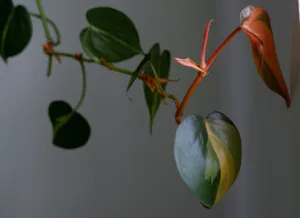
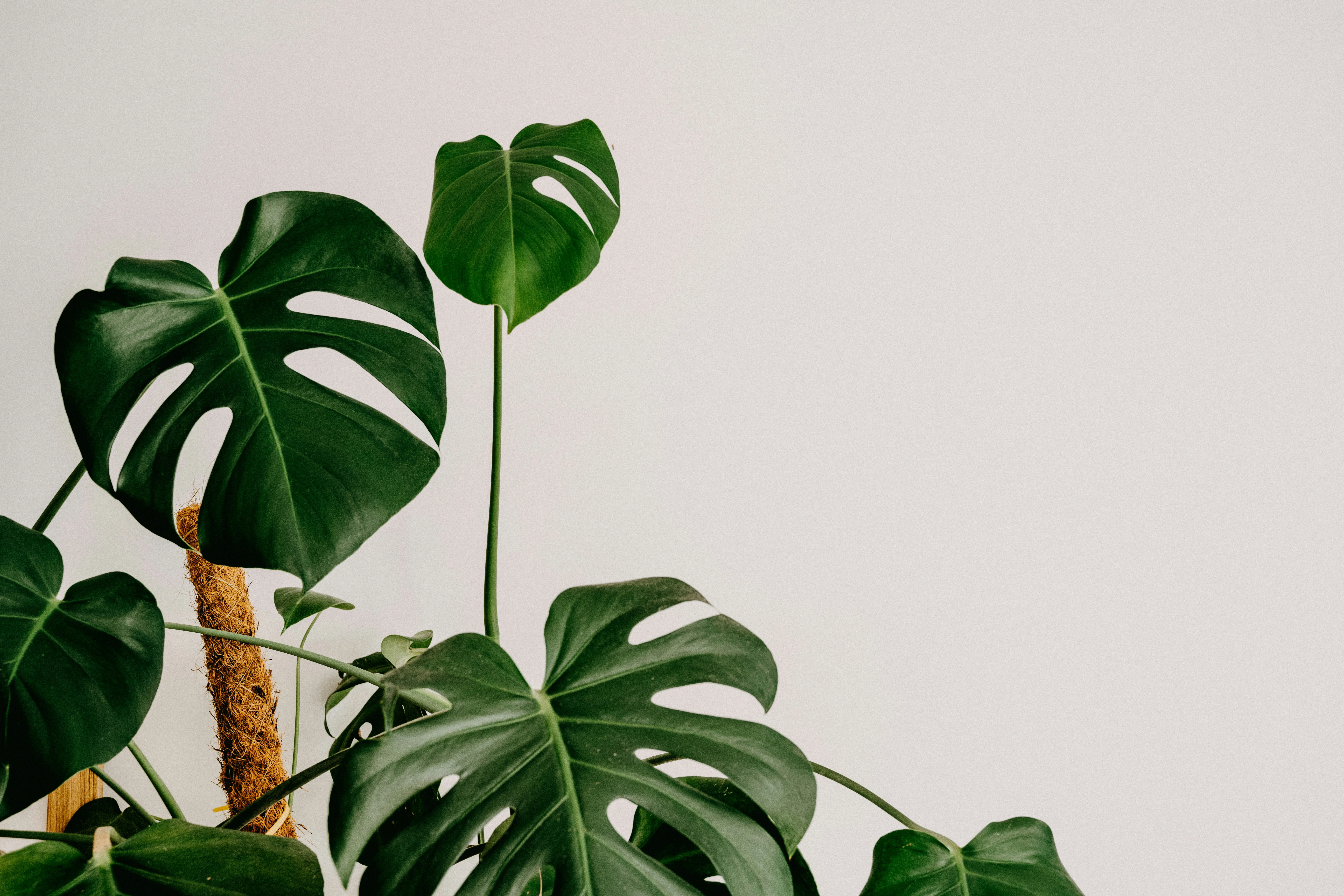
The Monstera Siltepecana is a wildly fast-growing vine. In its juvenile form, it produces small, silver-veined leaves. If given a moss pole to climb, it transforms into a giant, dark green plant with massive fenestrated holes.
-
Difficulty
easy
-
Light
Requires bright, indirect light. In low light, the plant will survive but the vines will stretch rapidly, creating huge gaps between the small leaves.
-
Temperature
65°F - 85°F (18°C - 29°C)
-
Growth
very fast
-
Humidity
40% - 60%
-
pH range
5.5 - 6.5
-
Biggest Owner Mistake
Keeping it trailing because the silvery juvenile leaves look beautiful—but the plant stays in its juvenile silver form forever when trailing. Only vertical climbing triggers the hormonal shift to mature dark green fenestrated leaves, which are even more spectacular.
-
What Nobody Tells You
The silver-grey juvenile form and the dark green mature form look so different that most owners don't realize they're looking at the same plant at two life stages. Seeing the transition happen on a moss pole is one of the most rewarding progressions in houseplant growing.
-
Real Home Conditions
In low light, the silver-grey metallic sheen of the juvenile leaves fades to a flat, dull green, removing the plant's most distinctive visual feature. Bright indirect light is what maintains the reflective, silvery quality that makes this species sought after.
Quick Answer
The Monstera Siltepecana stays small and silver if left in a hanging basket. To get large, dark green leaves with holes, you must give it a moss pole to climb and bright indirect light. Water when the top 3 inches of soil are dry.
Key Takeaways
- Provide bright, indirect sunlight to highlight silvery juvenile leaf patterns.
- Attach to a moist moss pole to encourage mature sizing and leaf fenestrations.
- Allow the top 2 inches of chunky aroid mix to dry before watering thoroughly.
- Prune leggy vines in spring to stimulate bushier, denser growth.
Overview
The Monstera siltepecana is a fascinating, fast-growing vine native to the rainforests of Central America. It is beloved by houseplant collectors because it undergoes a dramatic, almost unbelievable transformation (morphogenesis) as it matures.
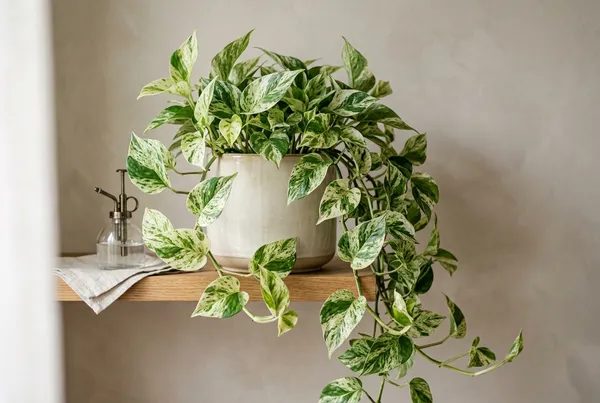
When you buy it at a nursery, it is almost always in its juvenile form: a delicate trailing vine covered in small, tear-shaped leaves boasting a stunning, shimmering silver pattern with dark green veins. In this juvenile state, it looks and behaves very much like a Pothos, making it an incredible, low-maintenance hanging plant. However, if you understand its biology and give it something to climb, you can unlock its massive, fenestrated adult form.
The Secret to Fenestrations (Holes)
Many owners wonder why their Siltepecana never produces the iconic Monstera holes (fenestrations), assuming they bought a defective plant. The secret lies in gravity.
In the jungle, the plant starts on the forest floor and begins climbing a tree. It only matures when it climbs upward. If you let your Siltepecana trail downward from a hanging basket, the plant assumes it has fallen off the tree; it will stay in its tiny, silver juvenile form forever.
To get fenestrations, you must give the plant a moss pole or a wooden plank to climb. As the aerial roots attach to the pole and the plant climbs upward toward bright light, the transformation begins. The leaves will quadruple in size, the silver coloring will fade into a deep emerald green, and massive holes will begin to tear through the foliage.
Light Requirements
Whether you want a long silver vine or a massive climbing specimen, the Siltepecana requires bright, indirect light. An east-facing or south-facing window is perfect.
If you place the plant in a low-light corner, it will suffer from etiolation. It will abandon growing leaves and instead shoot out long, bare vines in a desperate attempt to reach the sun. Avoid direct, harsh afternoon sunlight, which will bleach the silver leaves to a sickly pale yellow.
Watering: Highly Forgiving
The Siltepecana is an incredibly resilient plant that easily forgives missed waterings. Allow the top 2 to 3 inches of the potting soil to dry out completely before you water. If you forget, the thin leaves will begin to droop and curl inward, acting as an excellent thirst indicator.
When the soil is dry, soak the pot thoroughly until water flows out the drainage holes. While it can survive a drought, it cannot survive a swamp. If planted in a pot with no drainage hole, the roots will quickly rot, and the oldest leaves will turn a mushy yellow.
Temperature and Humidity
Typical household temperatures between 65°F and 85°F (18°C - 29°C) are perfect. Protect it from freezing winter drafts. While it appreciates higher humidity (around 50-60%), the Siltepecana is highly adaptable and will grow vigorously in the standard dry air found in most centrally heated homes.
Soil and Potting
Because it is an aroid, standard indoor potting soil holds water for far too long. You must use a chunky, fast-draining aroid mix. Combine standard potting soil with 30-40% perlite and coarse orchid bark. This provides the roots with pockets of oxygen and ensures excess water drains away rapidly.
Toxicity
Like the Monstera deliciosa, the Siltepecana contains insoluble calcium oxalate crystals. If chewed by cats, dogs, or humans, the crystals embed in the soft tissues of the mouth and throat, causing severe burning, swelling, drooling, and vomiting. Keep the trailing vines securely out of reach of pets.
Recommended next actions
Next Best Actions
Use calculators and guides to turn this plant profile into a practical care routine.
Topic Guide
Watering
Learn everything about watering for your indoor and aquarium plants. Expert care tips, troubleshooting, and related guides.
Plant Guide
Swiss Cheese Vine
Expert care guide and diagnostic data for the Swiss Cheese Vine. Learn how to properly water, light, and troubleshoot common issues.
Topic Guide
Root Rot
Learn how to identify and treat root rot in houseplants. Discover causes, symptoms, and step-by-step solutions to save your plants from overwatering.
Structured Plant Data
Plant Data Profile
The following data is extracted directly from our botanical knowledge graph for accuracy and transparency.
Growth Characteristics
Growth Rate
very fast
Mature Height
Vines up to 10+ feet indoors
Mature Spread
1-2 feet wide
Life Cycle
Perennial
Flowering Season
Rarely flowers indoors
Container Friendly
yes
Indoor Capable
yes
Environmental Parameters
| Parameter | Recommended | Survivable |
|---|---|---|
| Temperature | 65°F - 85°F (18°C - 29°C) | 55°F - 90°F (13°C - 32°C) |
| Humidity | 40% - 60% | 20% - 80% |
| Soil PH | 5.5 - 6.5 | 5.0 - 7.0 |
Lighting
Description
Requires bright, indirect light. In low light, the plant will survive but the vines will stretch rapidly, creating huge gaps between the small leaves.
Nutrients
Nitrogen Demand
moderate
Phosphate Demand
low
Potassium Demand
moderate
Micronutrient Notes
Very fast grower. Feed regularly during the summer to support the massive vine production.
Fertilizer Frequency
Once a month during spring and summer with a balanced liquid fertilizer.
Organic Options
Monthly top dressing of worm castings.
Relationships
-
Root Rot
Vulnerability | Strength 6
Susceptible to root rot if left sitting in dense, water-logged potting soil without drainage.
Vining Monstera Variety Comparison
| Variety | Juvenile Form | Adult Fenestrations |
|---|---|---|
| Siltepecana | Silver veins, no holes | Large, dark green, heavy holes |
| Adansonii | Green, heavily holed | Massive, extreme holes |
| Dubia | Flat against wood, silver | Hangs off wood, heavy holes |
Troubleshooting & Diagnostics Guide
1 Why doesn't my Monstera Siltepecana have holes in its leaves?
Diagnosis: Juvenile growth – needs maturity and climbing support
Treatment: Provide a moss pole and bright light; encourage climbing to trigger adult leaf development.
Prevention: Give a climbing structure and sufficient light.
2 Why did the silver color disappear as the plant got taller?
Diagnosis: Natural transition to mature, darker green leaves
Treatment: No action; this is normal.
Prevention: None.
3 Why is the plant getting leggy with huge gaps between tiny leaves?
Diagnosis: Insufficient light – etiolation
Treatment: Move to brighter indirect light; prune leggy stems to encourage bushy growth.
Prevention: Provide bright, indirect light.
Authoritative Resources
For additional peer-reviewed information on plant diseases, toxicity, and care, consult these trusted botanical and agricultural extensions:
Glossary of Terms
- Fenestration
- The natural holes or clear window-like slits that develop in the leaves of certain plants (like Monsteras) as they mature. This helps the plant withstand hurricane winds in the wild.
- Morphogenesis
- The biological process that causes a plant to develop its shape. In aroid vines, climbing upwards triggers the morphogenesis from tiny juvenile leaves to massive adult leaves.
Frequently Asked Questions
Why doesn't my Monstera Siltepecana have holes in its leaves?
Why did the silver color disappear as the plant got taller?
Why is the plant getting leggy with huge gaps between tiny leaves?
How often should I water my Siltepecana?
Is the Monstera Siltepecana toxic to cats?
Sources & References
-
Source: aroid.org
-
Source: powo.science.kew.org
Explore More