Cebu Blue Pothos Care: Unlock Silver Leaves & Fenestrations
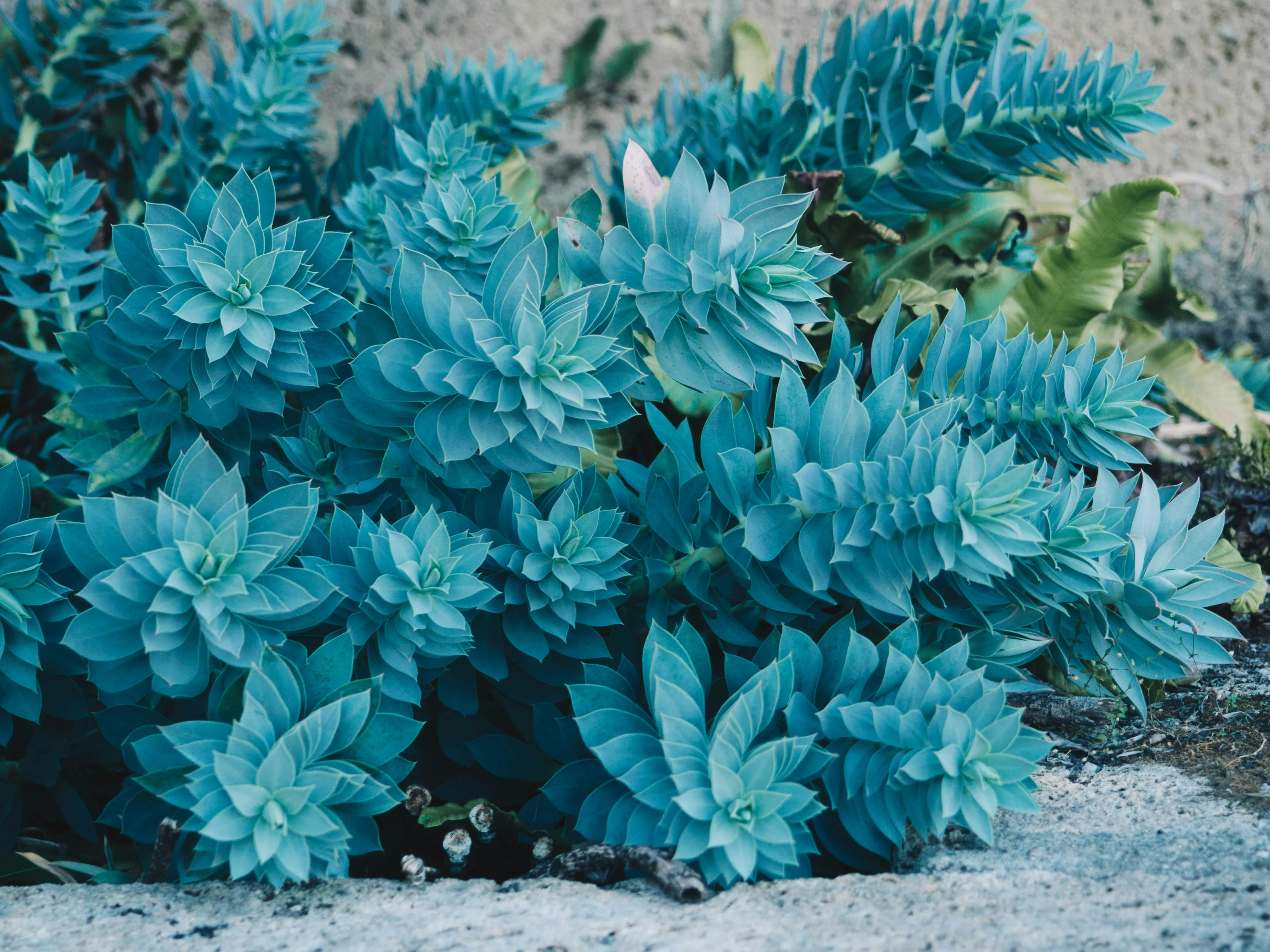
The Cebu Blue Pothos is a highly sought-after vine prized for its metallic, silvery-blue foliage. If trained up a moss pole, it undergoes a spectacular transformation, growing massive, split leaves.
-
Difficulty
beginner
-
Light
Thrives in bright, indirect light. While it can survive in low light, the leaves will lose their metallic blue sheen and revert to a dull green. Avoid direct afternoon sun.
-
Temperature
65°F - 85°F (18°C - 29°C)
-
Growth
fast
-
Humidity
40% - 60%
-
pH range
6.0 - 6.5
-
Biggest Owner Mistake
Expecting it to develop fenestrations (holes or splits) while trailing from a shelf—leaf maturation in this species is triggered by climbing upward, not by age alone. Only by mounting it on a moss pole and giving it bright light will the leaves develop their characteristic mature slits.
-
What Nobody Tells You
The distinctive blue-silver iridescence is only visible in adequate light—in low light, the leaves appear plain grey-green and lose their shimmer entirely. The metallic quality is a structural light-reflection effect that requires brightness to be seen.
-
Real Home Conditions
In a typical hanging basket in a dim room, it stays in juvenile form indefinitely with small, unspectacular leaves. To see what this plant can actually become, it needs to climb something and receive genuinely bright indirect light.
Quick Answer
The Cebu Blue Pothos requires bright indirect light to keep its silvery-blue color and should be watered when the top 3 inches of soil are dry. To force the leaves to grow large and split, it must climb a moss pole.
Key Takeaways
- Provide bright, indirect sunlight to enhance metallic silvery-blue foliar sheen.
- Allow the top 2 inches of aerated aroid mix to dry out between waterings.
- Attach to a moist moss pole to stimulate mature leaf sizing and fenestrations.
- Propagate easily using single-node stem cuttings in water or sphagnum moss.
Overview
The Cebu Blue Pothos (Epipremnum pinnatum 'Cebu Blue') is one of the most stunning and highly coveted varieties in the aroid family. Discovered on the island of Cebu in the Philippines, it stands out entirely from the standard Golden or Marble Queen pothos due to its incredible color: a shimmering, metallic, silvery-blue hue that seems to glow in indirect light.
As a juvenile plant (which is how it is almost always sold), the leaves are small, elongated, and lance-shaped. It makes a phenomenal, fast-growing trailing plant for hanging baskets. However, the true magic of the Cebu Blue lies in its mature form. If given the right conditions to climb, this delicate trailing vine transforms into a jungle monster with massive, palm-sized leaves filled with deep splits and fenestrations.
Light Requirements: Keeping the Blue
While standard pothos plants are famous for surviving in dark, windowless offices, the Cebu Blue demands a bit more respect. To maintain its signature silvery-blue color, it requires bright, indirect light. An east-facing window is ideal. If you place it in a low-light environment, the plant will survive, but the leaves will lose their metallic sheen and revert to a standard, dull green. Avoid harsh, direct afternoon sun, which will scorch and yellow the thin leaves.
Watering Strategy
Like all Epipremnum varieties, the Cebu Blue is incredibly resilient and forgiving. The golden rule is to let the top 2 to 3 inches of soil dry out completely before watering. If you stick your finger into the soil and it feels damp, wait a few more days. When it is time to water, soak the pot thoroughly until water flows out the drainage holes. It will recover quickly from an accidental drought, but it will not survive sitting in stagnant, swampy water.
Temperature and Humidity
Typical household temperatures between 65°F and 85°F (18°C - 29°C) are perfect. Protect it from freezing winter drafts. While it is native to the tropical rainforest and appreciates high humidity, the Cebu Blue is highly adaptable. It will grow vigorously in the standard 40% to 50% humidity found in most centrally heated or air-conditioned homes.
Soil and Potting
A well-draining, airy potting mix is essential to prevent root rot. Standard indoor potting soil works, but it is highly recommended to amend it with 30% perlite and a handful of orchid bark. This provides the roots with pockets of oxygen and ensures excess water drains away rapidly.
The Secret to Fenestrations: Climbing
The most common question growers ask is, "How do I get my Cebu Blue to split?" In the wild, Epipremnum pinnatum climbs hundreds of feet up massive trees. As the vine climbs vertically toward the canopy light, the plant matures, and the leaves grow exponentially larger, eventually developing deep cuts (fenestrations) similar to a Monstera.
If you leave your Cebu Blue hanging in a basket, the leaves will remain small and solid forever. To unlock its mature form indoors, you must provide a sturdy moss pole or wooden plank for the aerial roots to grab onto. Combine vertical climbing with intense, bright indirect light, and within a year, the new leaves at the top of the pole will begin to split.
Propagation
Propagating Cebu Blue is as easy as propagating any pothos. Snip a piece of the vine ensuring it has at least one leaf and one node (the small brown bump on the stem). Place the stem in a jar of water. Within two weeks, long white roots will form. Once the roots are a few inches long, plant it back into the top of the mother pot to create a fuller, bushier crown.
Toxicity
Like all members of the Araceae family, the Cebu Blue contains insoluble calcium oxalate crystals. If chewed by cats, dogs, or humans, the crystals embed in the soft tissues of the mouth and throat, causing severe burning, swelling, drooling, and vomiting. Keep the trailing vines out of reach of curious pets.
Recommended next actions
Next Best Actions
Use calculators and guides to turn this plant profile into a practical care routine.
Topic Guide
Watering
Learn everything about watering for your indoor and aquarium plants. Expert care tips, troubleshooting, and related guides.
Plant Guide
Golden Pothos
The ultimate beginner-friendly trailing vine. Valued for its air-purifying qualities, rapid growth, and ability to thrive in almost any indoor environment.
Guide
Yellow Houseplant Leaves: Diagnose & Fix Guide 2026
After diagnosing hundreds of yellow-leaf cases across dozens of plant species, we've mapped the ten distinct causes that look nearly identical at first glance — and built the only systematic guide that tells you not just what's wrong, but exactly how to confirm it and fix it.
Topic Guide
Root Rot
Learn how to identify and treat root rot in houseplants. Discover causes, symptoms, and step-by-step solutions to save your plants from overwatering.
Structured Plant Data
Plant Data Profile
The following data is extracted directly from our botanical knowledge graph for accuracy and transparency.
Growth Characteristics
Growth Rate
fast
Mature Height
Trailing vines up to 10+ feet
Mature Spread
1-2 feet wide
Life Cycle
Perennial
Flowering Season
Rarely flowers indoors
Container Friendly
yes
Indoor Capable
yes
Environmental Parameters
| Parameter | Recommended | Survivable |
|---|---|---|
| Temperature | 65°F - 85°F (18°C - 29°C) | 55°F - 95°F (13°C - 35°C) |
| Humidity | 40% - 60% | 20% - 80% |
| Soil PH | 6.0 - 6.5 | 5.5 - 7.0 |
Lighting
Description
Thrives in bright, indirect light. While it can survive in low light, the leaves will lose their metallic blue sheen and revert to a dull green. Avoid direct afternoon sun.
Nutrients
Nitrogen Demand
moderate
Phosphate Demand
low
Potassium Demand
moderate
Micronutrient Notes
Very forgiving, but regular feeding speeds up the already rapid growth.
Fertilizer Frequency
Once a month during spring and summer with a standard houseplant fertilizer.
Organic Options
A light layer of worm castings in spring.
Relationships
-
Root Rot
Vulnerability | Strength 6
Like all Epipremnum, it will suffer root rot if planted in heavy mud without drainage holes.
Epipremnum (Pothos) Variety Comparison
| Variety | Leaf Color | Leaf Shape |
|---|---|---|
| Cebu Blue | Silvery, metallic blue-green | Narrow, lance-shaped |
| Golden Pothos | Green with heavy yellow variegation | Wide, heart-shaped |
| Neon Pothos | Solid, bright chartreuse/neon yellow | Wide, heart-shaped |
Troubleshooting & Diagnostics Guide
1 Why is my Cebu Blue losing its silvery-blue color?
Diagnosis: Low light – excess chlorophyll production
Treatment: Move to brighter indirect light; new leaves will regain blue sheen.
Prevention: Provide bright indirect light.
2 Why are the leaves on my Cebu Blue turning yellow?
Diagnosis: Overwatering (if soil wet) or natural leaf senescence (if only oldest leaves)
Treatment: If overwatering, let soil dry; if natural, no action.
Prevention: Water when top 2 inches are dry.
Authoritative Resources
For additional peer-reviewed information on plant diseases, toxicity, and care, consult these trusted botanical and agricultural extensions:
Glossary of Terms
- Node
- The joint on a plant stem where leaves and aerial roots attach. A node is absolutely required to successfully propagate a pothos cutting.
- Fenestration
- The natural holes or splits that develop in the mature leaves of certain aroids, allowing light to pass through to the lower leaves in dense jungle environments.
Frequently Asked Questions
How do I get my Cebu Blue Pothos to split its leaves?
Why is my Cebu Blue losing its silvery-blue color?
Is the Cebu Blue toxic to cats?
Why are the leaves on my Cebu Blue turning yellow?
Is Cebu Blue a true Pothos?
Sources & References
-
Source: powo.science.kew.org
-
Source: aroid.org
Explore More