Plant care calculator
Sowing Calendar: Get Your Zone-Specific Seed-Starting Dates
Find the best indoor and outdoor sowing dates for vegetables, herbs, and flowers based on your USDA Hardiness Zone and local frost dates.
Quick Answer
By factoring in your specific USDA Hardiness Zone and crop type, you can tailor your seed-starting routine to ensure robust seedlings and avoid devastating frost damage.
- Enter your location and plant type to get optimal sowing dates.
- Get separate indoor start and outdoor transplant timing.
- Use results to align planting with your local frost dates.
- Adjust seasonal timing based on your specific climate zone.
Enter your details
Recommended Output
Primary Sowing Window
Secondary Window
Estimated Harvest
Sowing Method
Climate Advice
Static Reference
Static Reference:
Visible baseline values
These baseline ratios and decision rules are included directly in the page so visitors can review core guidance before using the interactive calculator.
| Scenario | Baseline Rule | Safety Note |
|---|---|---|
| Temperature match | A sowing window scores strongly when monthly temperature fits both germination and growth range. | Protected growing may be needed outside open-air windows. |
| Heavy rain pressure | High monsoon/rain score reduces suitability for crops sensitive to wet conditions. | Use drainage and rain protection for seedlings. |
| Harvest estimate | Harvest month is estimated from transplant days plus crop harvest duration. | Local variety and weather can shift harvest timing. |
Methodology: Analyzes frost-free day windows per hardiness zone against crop maturation times to generate indoor and outdoor schedules.
The Problem
Many plant owners guess at their seed-starting dates, leading to leggy indoor seedlings, frost damage outdoors, or missed harvest windows. Generic advice doesn't factor in local frost dates and specific climate zones.
When to Use This Tool
Use this calculator before the spring planting season begins, when planning a fall garden, or before starting seeds indoors.
Who is this for?
- Beginner gardeners looking to avoid late frost damage
- Advanced growers wanting to optimise harvest yields and indoor seed starting
About this calculator
Using this calculator removes the guesswork from your seasonal planting routine.
How to Use
- Select your USDA Hardiness Zone.
- Select your target crop.
- Get your personalized indoor and outdoor sowing timeline.
The Importance of Precision
Every crop requires specific soil temperatures to germinate and mature. By timing your sowing to match your local climate zone's frost dates, you drastically increase germination rates and total harvest yield.
Visual Reference: Germination
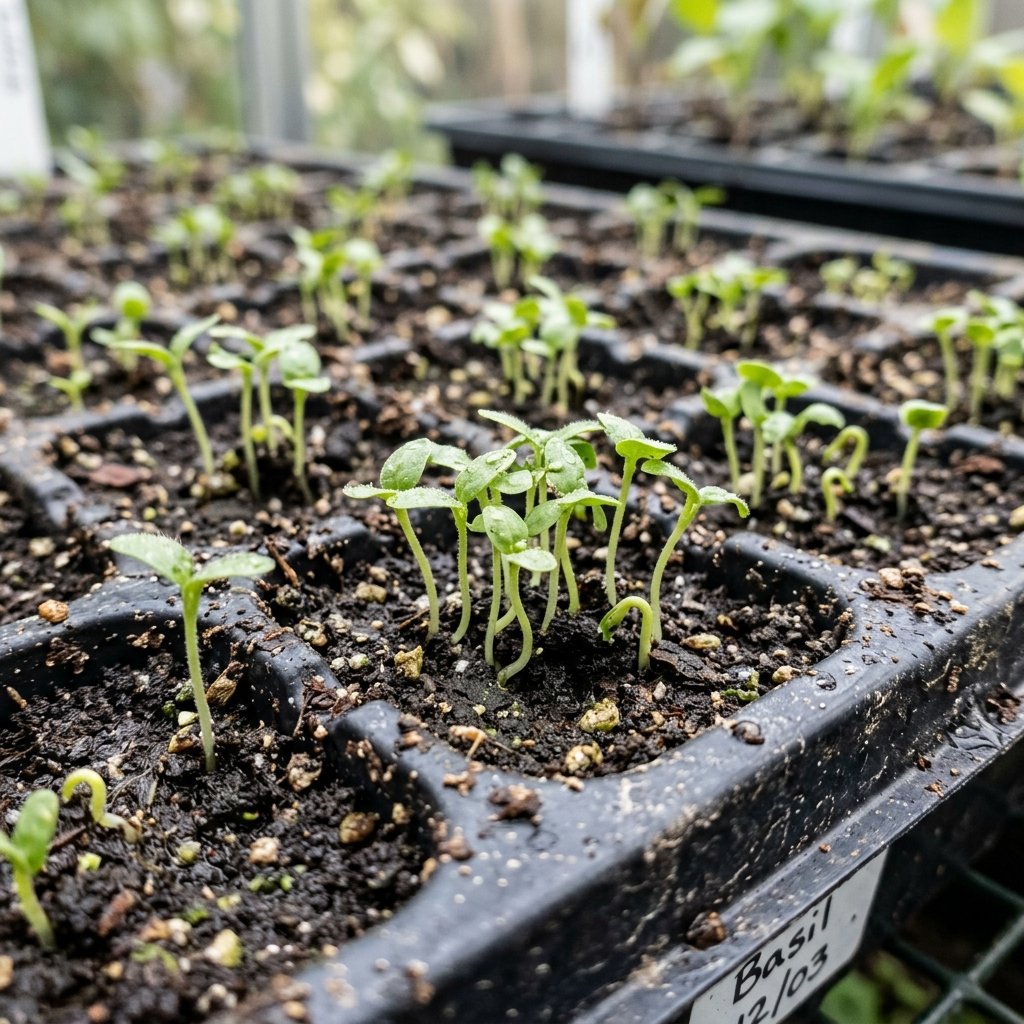
First True Leaves: The timeline generated by the calculator anticipates standard germination times. Once your seeds sprout like this, you should immediately introduce strong overhead lighting to prevent leggy growth.
Recommended next actions
Next Best Actions
Use the result in a real care workflow with plant profiles, guides, and personalized quizzes.
Guide
Can You Grow Rare Plants in Your Climate? Complete Guide
Rare plants can work in the right climate or with the right indoor setup. Learn how to compare temperature, humidity, light, and seasons before buying, and discover when to use a greenhouse, tent, or cabinet.
Guide
Moving Plants Across the Country: Which Species Survive the Trip
Having helped over 200 plant owners plan cross-country moves — including navigating USDA soil restrictions and climate transition stress — we give you the complete framework for moving your collection safely.
Guide
7 Key Benefits of Hydroponic Growing for Home Gardeners
Hydroponics can save water, speed up growth, and make indoor growing cleaner and more controllable. This guide explains when it is worth the effort, when soil is still the easier choice, and which plants thrive best.
Plant Guide
African Violet
African Violets are classic indoor bloomers, but their fuzzy leaves demand a unique watering approach. We break down the 'bottom-watering' technique essential for preventing crown rot and triggering year-round flowers.
Plant Guide
Alocasia Macrorrhiza
The Giant Elephant Ear is a prehistoric-looking plant that can reach the ceiling indoors. It requires massive amounts of light, fertilizer, and water, and is a major magnet for spider mites.
Plant Guide
Aphelandra Squarrosa
The Zebra Plant is a spectacular, high-maintenance diva. Famous for its dark green leaves painted with thick white veins and its massive yellow flowers, it demands rainforest-level humidity and constant watering.
Seed Starting Requirements by Crop Type
| Crop Type | Ideal Sowing Method | Germination Soil Temp | Difficulty |
|---|---|---|---|
| Tomatoes & Peppers | Start Indoors (6-8 weeks early) | 75-85°C (24-29°C) | Medium |
| Root Vegetables (Radish, Carrot) | Direct Sow Outdoors | 50-65°C (10-18°C) | Easy |
| Leafy Greens (Lettuce, Spinach) | Direct Sow or Start Indoors | 45-65°C (7-18°C) | Easy |
Troubleshooting & Diagnostics Guide
1 Seedlings are tall, pale, and spindly (leggy).
Diagnosis: Insufficient light after germination. Seedlings stretch rapidly searching for a light source.
Treatment: Lower your grow lights to 2-3 centimetres above the top leaves, or move trays to a much brighter south-facing window immediately.
Glossary of Terms
- Hardiness Zone
- A geographically defined area in which a specific category of plant life is capable of growing, based on the average annual minimum winter temperature.
- Direct Sow
- Planting seeds directly into the outdoor garden soil where they will mature, rather than starting them indoors.
Scientific References
- USDA Plant Hardiness Zone Map