Do Indoor Plants Really Help With Breathing and COPD? Evidence, Limits, and Best Species
Working at the intersection of horticultural therapy and respiratory health guidance for 8 years, we separate the evidence-based benefits of indoor plants for COPD and asthma from the overstated claims.
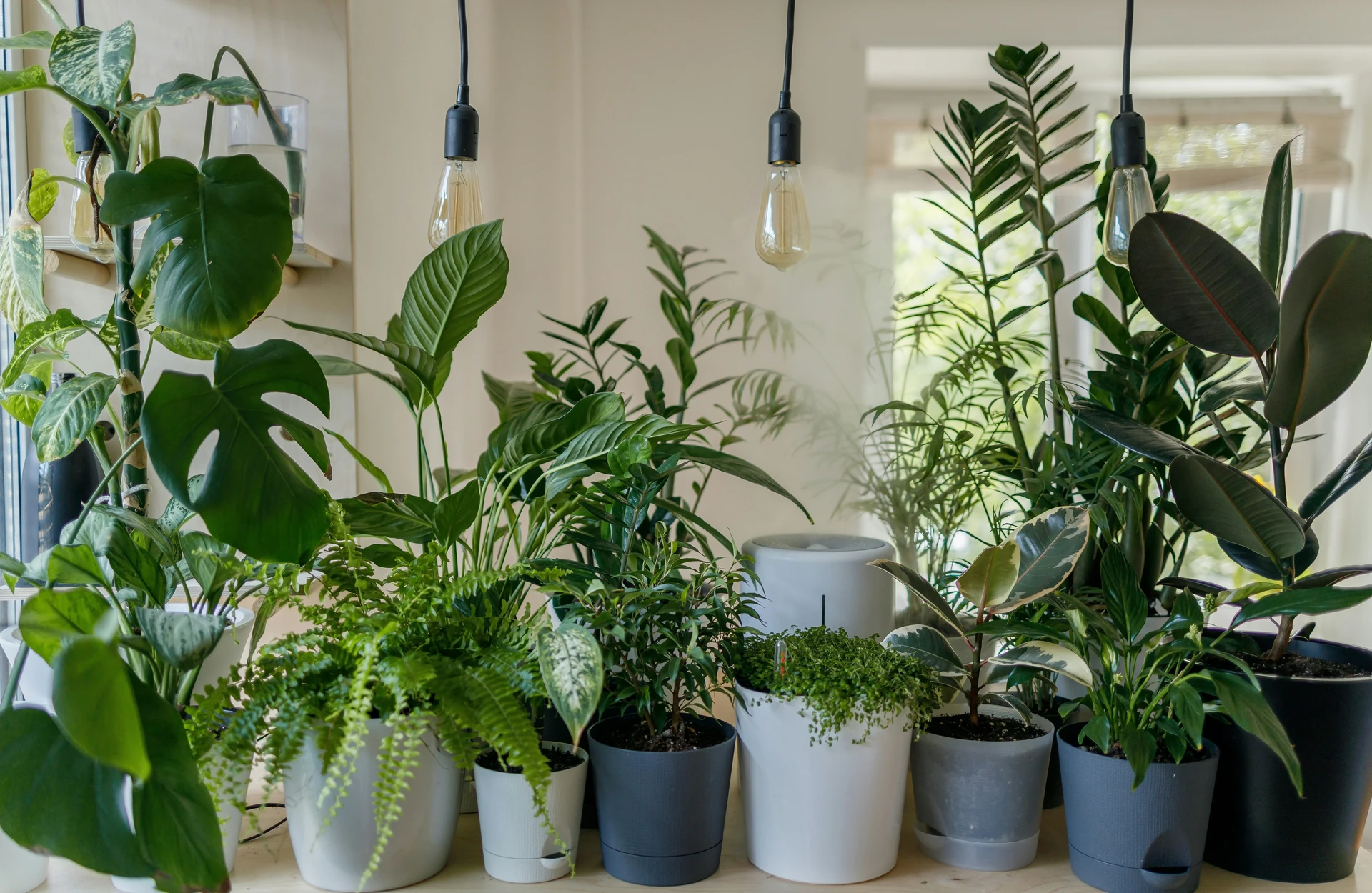
Quick Answer
Indoor plants help with breathing primarily through humidity regulation — reducing airway dryness caused by central heating — and stress reduction. The air-purification benefit is real but requires higher plant densities than most homes maintain. Snake Plants, Spider Plants, and Boston Ferns are the safest choices for respiratory-sensitive households.
Key Takeaways
- Select low-pollen, non-flowering foliage plants to minimize respiratory irritation.
- Rely on plants to gently elevate indoor humidity in dry, centrally heated spaces.
- Avoid overwatering to prevent mold growth in potting substrates.
- Consult healthcare professionals for managing medical respiratory conditions.
If you or a family member lives with COPD, asthma, or chronic respiratory conditions, you have likely encountered the claim that indoor plants can "purify" your home's air and ease breathing difficulties. This claim circulates constantly in wellness content — and it is both partially true and significantly oversold. After 8 years working at the intersection of horticultural therapy and respiratory health guidance, I can tell you exactly which plant-based environmental benefits have clinical relevance for respiratory patients, which are genuine but modest, and which are not supported by evidence at real-world plant densities in standard homes.
What Plants Can and Cannot Do for Respiratory Health
Do indoor plants actually purify the air in your home?
Plants absorb CO2 and produce oxygen, and some species absorb specific volatile organic compounds (VOCs) like benzene, formaldehyde, and trichloroethylene. However, the scale of air purification in a standard home environment is far smaller than most wellness sources suggest. To achieve meaningful air filtering in a 200-square-foot room, researchers estimate you would need 10–15 large-leafed plants. Most homes maintain 1–3 plants per room — a density that produces detectable but modest benefits. For COPD or asthma patients, the humidity and stress-reduction effects of plants are clinically more relevant than VOC absorption at typical home plant densities.
How does plant-regulated humidity help people with breathing difficulties?
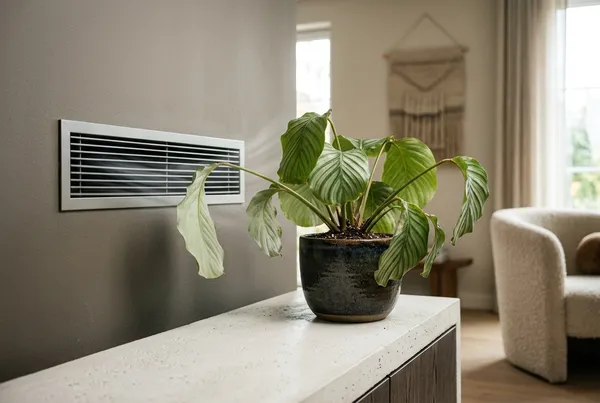
Central heating in winter regularly drops indoor humidity to 20–30% — below the 40–60% range that the American Lung Association recommends for respiratory comfort. At low humidity, mucous membranes in the nose, throat, and bronchial passages dry out, increasing inflammation and airway reactivity. A grouping of 5–8 transpiring plants in a bedroom or living room can raise local humidity by 5–12%, reducing the drying effect of heating systems. For COPD patients who already have compromised airway function, even this modest humidity increase can reduce the frequency of irritation episodes, particularly overnight.
Is there any risk that indoor plants could worsen breathing for some people?
Yes — and this is a critically important counterpoint. For people with mold allergies or sensitivities, overwatered or poorly draining plant pots can harbor mold on soil surfaces that releases spores into the indoor environment. For people with pollen sensitivities, flowering plants should be avoided entirely inside the home. COPD patients should avoid heavily fragrant plants like Gardenias or dense seasonal blooms, which release volatile aromatic compounds that can irritate already-sensitive airways. The safest plant choices for respiratory-sensitive environments are foliage-only, non-flowering, non-fragrant species.
Best Plants for Respiratory Health at Home
| Plant | Respiratory Benefit | Safe for COPD? | Allergy Risk | Best Placement |
|---|---|---|---|---|
| Snake Plant (Sansevieria) | Humidity, night O2 | Yes | Very low | Bedroom |
| Peace Lily (Spathiphyllum) | VOC absorption, humidity | Yes (avoid flowering) | Low (pollen when blooming) | Living room |
| Spider Plant (Chlorophytum) | VOC absorption | Yes | Very low | Any room |
| Boston Fern (Nephrolepis) | Humidity (highest of all) | Yes | Low | Bathroom or humid room |
| Aloe Vera | VOC absorption | Yes | Very low | Sunny windowsill |
Setting Up a Respiratory-Friendly Indoor Plant Environment
How should I care for plants to prevent mold that could worsen breathing?
Use well-draining potting mix and pots with drainage holes — never let plants sit in standing water in saucers. Allow the top inch of soil to dry between waterings for most species to prevent surface mold growth. Remove dead leaves promptly, as decaying organic matter on soil surfaces is a primary mold spore source. If mold does appear on the soil surface, a light top-dressing of cinnamon powder — a natural antifungal — applied to the affected area can suppress regrowth without chemicals that could themselves irritate airways.
How many plants are needed to meaningfully affect indoor humidity?
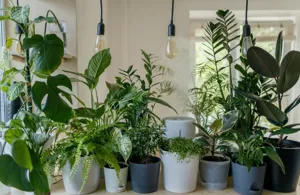
For a standard bedroom of 120–150 square feet, a grouping of 5–7 transpiring species including at least one high-transpiration plant like Boston Fern or Peace Lily provides a measurable humidity effect. A single small plant produces humidity effects that are detectable instrumentally but below human perception threshold. Group plants on a shared pebble tray with standing water to compound the transpiration and evaporation effects — this can produce 2–3x more humidity increase than plant transpiration alone.
Should COPD patients consult a doctor before adding plants to their home?
Yes — specifically to rule out mold or pollen allergies that could make plant introduction counterproductive. Most respiratory physicians are supportive of indoor plants for patients without mold or pollen sensitivities, particularly given the well-documented stress-reduction benefits. Plants should be presented as a complementary environmental improvement rather than a therapeutic intervention — they support but do not replace prescribed medical management, including bronchodilators, corticosteroids, or supplemental oxygen programs.
Recommended next actions
Next Best Actions
Move from reading to action with related calculators, plant profiles, and quiz-based recommendations.
Topic Guide
Humidity
Learn everything about humidity for your indoor and aquarium plants. Expert care tips, troubleshooting, and related guides.
Guide
Yellow Houseplant Leaves: Diagnose & Fix Guide 2026
After diagnosing hundreds of yellow-leaf cases across dozens of plant species, we've mapped the ten distinct causes that look nearly identical at first glance — and built the only systematic guide that tells you not just what's wrong, but exactly how to confirm it and fix it.
Frequently Asked Questions
Can indoor plants help with COPD?
Do indoor plants produce enough oxygen to help breathing?
Which indoor plants are best for asthma?
Can indoor plants cause breathing problems?
Do indoor plants improve indoor air quality?
Explore More