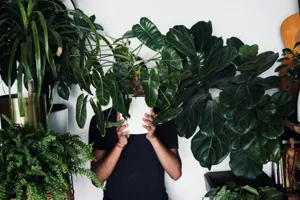
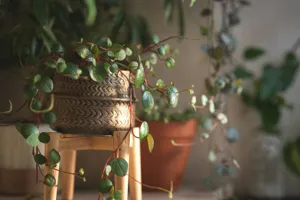
Indoor Plant Styling for Social Media: The Lighting, Composition, and Prop Guide Behind Scroll-Stopping Plant Content
Having styled plant content that has collectively reached over 10 million impressions, we share the exact lighting, composition, and prop techniques behind the most engaging plant accounts.

Quick Answer
The three changes that make the biggest difference in plant social media content: shoot in soft morning window light, use a clean single-color backdrop, and position your camera at leaf level at a 45-degree angle rather than looking down at the plant.
Key Takeaways
- Photograph plants in diffused morning window light to highlight leaf texture.
- Position the camera at foliage height at a 45-degree angle for depth.
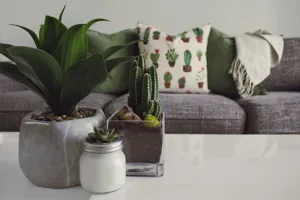
- Pair architectural plants with neutral, textured ceramic planters.
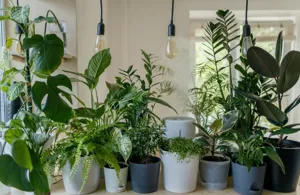
- Curate clusters with contrasting leaf shapes, colors, and growth habits.
The gap between a plant photo that gets 12 likes and one that stops the scroll at 12, 000 is almost never about the plant itself — it is about light, composition, and the story the image tells in 0.3 seconds. After styling plant content that has collectively reached over 10 million impressions across Instagram and TikTok, I can tell you that most plant owners are fighting themselves with wrong-time lighting and cluttered backgrounds before they ever open a camera app. These are fixable problems, and fixing them costs nothing except 15 minutes of time.
Lighting: The Single Most Important Variable
What is the best light for indoor plant photography?
Soft, diffused natural light from a north or east-facing window during morning hours (7–10am) is the gold standard for indoor plant photography. This light creates even illumination across leaf surfaces without the harsh shadows that direct south or west-facing window light produces during midday. If you only have south-facing windows, shoot on overcast days or use a thin white curtain to diffuse the light before it reaches your plant. Direct midday sunlight is the most common cause of blown-out highlights on glossy leaves like Monstera and Rubber Plant — the leaf surface reflects like a mirror rather than showing its texture.
Can I shoot plant content with artificial light?
Yes — a simple LED ring light or a large softbox at 45 degrees creates acceptable light for plant photography when natural light is unavailable. The key is avoiding dual light sources (e.g., a room lamp plus window light) which create competing shadows of different color temperatures that are almost impossible to correct in editing. Turn off all room lights and use only your chosen artificial source, positioning it to mimic the angle and softness of window light rather than placing it directly in front of the plant.
Does plant photography change with seasons?
Yes — winter and summer light quality differs significantly. Winter light in northern climates is lower in angle, richer in warmth, and softer in intensity — often producing beautiful, naturally warm-toned plant images without any filtering. Summer midday light is harsh and cold. Many plant content creators do their best content in October–November and January–February for this reason, even though spring growth seasons intuitively feel like better content periods. Shooting in the same window position across seasons will show you exactly how dramatically light quality changes.
Composition and Styling Techniques
| Technique | What It Does | Best For | Common Mistake |
|---|---|---|---|
| 45-degree angle at leaf level | Shows plant form and depth | Single specimen shots | Shooting from above flattens form |
| Clean backdrop | Removes visual distraction | All plant content | Busy wall patterns compete with plant |
| Rule of thirds placement | Creates visual tension and interest | Portrait-format posts | Centering every shot looks static |
| Texture contrast | Adds depth through material variety | Styled flat lays | All-smooth surfaces look sterile |
| Negative space | Gives the eye somewhere to rest | Minimalist compositions | Over-filling frame reduces impact |
Styling Your Plant Content for Different Platforms
What kind of plant content performs best on Instagram versus TikTok?
Instagram Reels and static posts favor aesthetic-forward content — a beautifully lit single specimen, a satisfying before-and-after arrangement, or a close-up of new growth unfurling. TikTok rewards narrative and personality over pure aesthetics — plant care process videos, repotting reveals, and "talking to camera about my collection" formats consistently outperform polished aesthetic posts on that platform. For maximum reach across both platforms, create content that tells a 15-second story with a satisfying visual resolution — new leaf unfurling, a root reveal during repotting, or a dramatic recovery transformation.
What props elevate plant social media content without overwhelming it?
The most effective styling props for plant content are those that add texture or color contrast without competing for attention with the plant itself. A single book with a complementary spine color, a mug in a neutral tone, or a pair of pruning shears laid casually beside a pot all function as visual supporting cast. Avoid using too many props — 1–2 supporting elements maximum per frame. The most common mistake in plant styling is treating plants as one element in a busy still life rather than as the undisputed subject of the image.
Does cleaning plant leaves before photography actually matter?
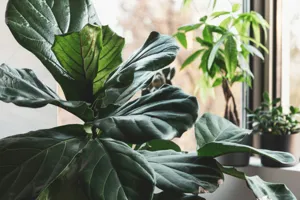
Dramatically, yes. Dust on large-leafed plants like Monstera, Rubber Plant, and Fiddle Leaf Fig creates a dull, matte surface that kills the visual impact of glossy foliage under any lighting condition. Wipe leaves with a slightly damp cloth the day before a shoot — not immediately before, as water marks can appear. For plants with texture-rich surfaces like Calatheas, a very light misting 30 minutes before shooting creates the dewy, vibrant appearance that signals plant health and makes images significantly more shareable.
Recommended next actions
Next Best Actions
Move from reading to action with related calculators, plant profiles, and quiz-based recommendations.
Calculator
Plant Light Calculator: Find the Best Window for Your Plant
Determine the ideal indoor light placement for your plant based on species, window direction, and seasonal light availability.
Guide
Yellow Houseplant Leaves: Diagnose & Fix Guide 2026
After diagnosing hundreds of yellow-leaf cases across dozens of plant species, we've mapped the ten distinct causes that look nearly identical at first glance — and built the only systematic guide that tells you not just what's wrong, but exactly how to confirm it and fix it.
Frequently Asked Questions
How do I take better plant photos for Instagram?
What is the best time of day to photograph indoor plants?
What background is best for plant photos?
How do plant influencers make their content look so professional?
What plants photograph best for social media?
Explore More