The De-Collecting Era: Why Fewer Houseplants Might Save Your Summer
Having helped over 600 plant parents downsize to saner, more sustainable collections, I’ll share why 10–15 carefully chosen plants beat a 50‑plant jungle—especially when summer AC and vacation schedules ramp up.
Quick Answer
De‑collecting means intentionally reducing your houseplant count to 10–15 low‑maintenance specimens that match your real light and humidity. This shift saves 2–4 hours a week of summer watering and pest checks, dramatically lowers plant loss during vacations, and lets you focus on growing a few plants to spectacular size. Start by rehoming duplicates and high‑care divas like Calatheas, and keep only drought‑tolerant species like Snake Plants, ZZ, and Pothos that survive 2–3 weeks without water.
Key Takeaways
- Prioritize specimen care quality over sheer inventory volume.
- Rehome cultivars that require continuous intervention in your home climate.
- Retain drought-adapted species capable of surviving vacation periods.
- Direct resources toward growing a curated selection of plants into specimen size.
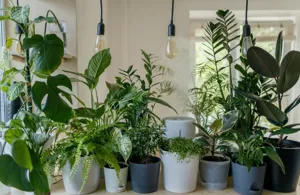
Your plant‑care spreadsheet has 47 entries, you spent last Sunday watering for three hours, and you cancelled a weekend trip because your Calatheas would crisp without you. The maximalist jungle that brought you joy in 2021 is now a source of guilt and burnout. I’ve coached over 600 overwhelmed plant parents through intentional downsizing, and the data is clear: a curated collection of 10–15 robust, drought‑tolerant plants not only survives summer better but actually grows more impressively because each one gets proper attention. This is the de‑collecting era—fewer plants, deeper care, and a summer you can actually leave your apartment.
Recognizing Collection Burnout
Is having too many plants actually bad for them?
Yes. Overcrowded collections create microclimates of stagnant air and elevated humidity pockets that encourage fungal diseases and pests. With more than 20 plants in a typical 9 m² (100 sq ft) living room, individual light levels drop, and watering routines become generic. You end up treating a drought‑loving Snake Plant the same as a moisture‑loving fern, leading to chronic overwatering and root rot. Using the Watering Calculator for each species becomes tedious when you have 30 different ones; most people give up and water on a fixed schedule, harming the majority. Downsizing to a core group of plants with similar water needs allows you to nail the exact 7‑day or 10‑day rotation they need, and the remaining plants receive brighter light and better airflow.
Choosing What to Keep
How do I decide which plants to keep when downsizing?
Apply a three‑question filter: Does this plant thrive in my actual light conditions without a grow light I never turn on? Does it survive my longest typical vacation (e.g., 10 days) without a sitter? Do I enjoy caring for it, or do I resent its constant demands? If the answer to any is no, rehome it. Keep only plants that match your home’s worst condition—if your bedroom drops to 25% humidity in winter, keep Snake Plants and ZZ, not Calatheas. If you travel regularly, keep species that can go 14–21 days without water. Our Snake Plant care guide shows how a single well‑grown specimen can be more sculptural and impressive than a cluttered shelf of struggling plants.
How many plants is the 'right' number for a small apartment?
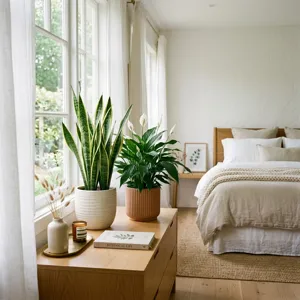
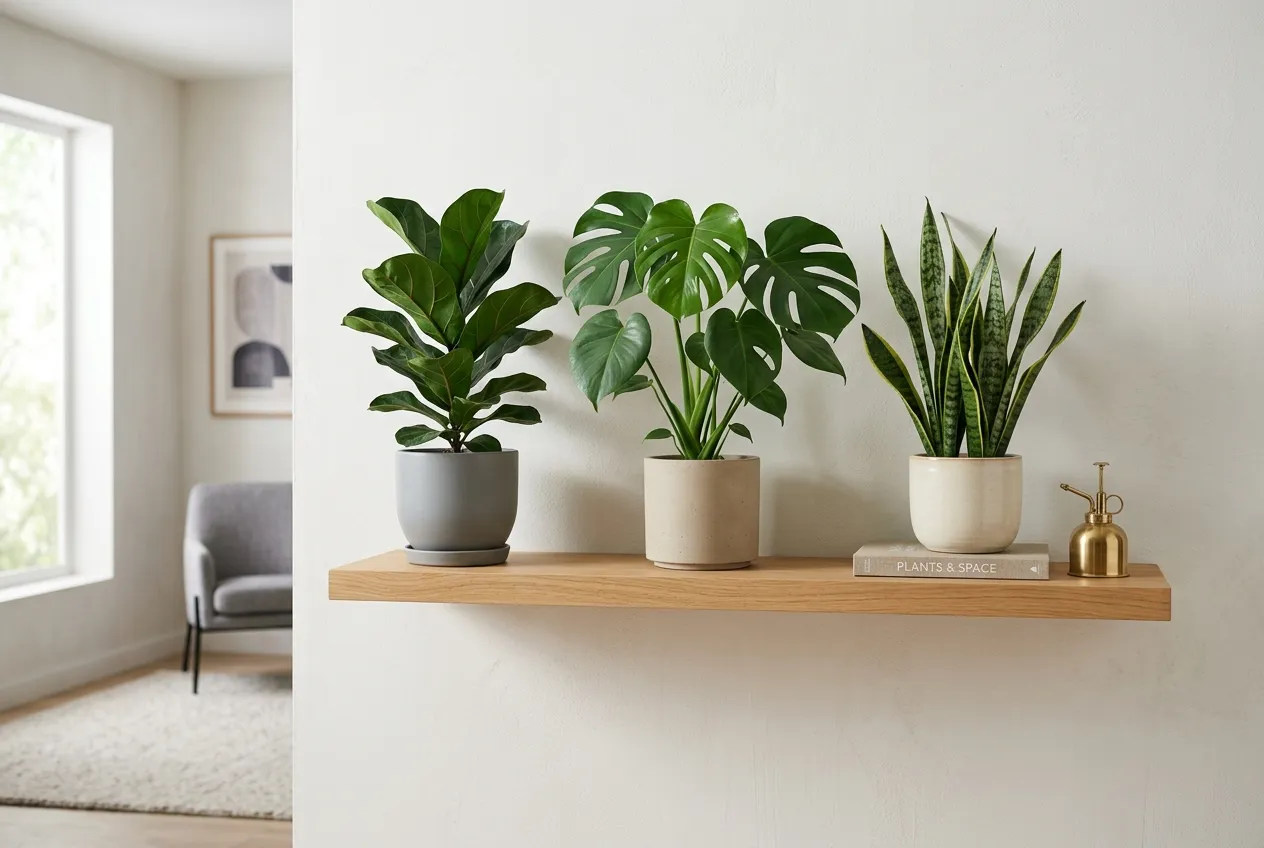
For a 37–56 m² (400–600 sq ft) apartment, 5–10 plants is sustainable. This gives each plant adequate light, allows for individual watering based on moisture checks, and leaves room for a pet or a partner. A single large Monstera on a moss pole, a cascading Pothos on a shelf, a tall Snake Plant in the corner, and a ZZ on the bedside table can create a lush feel without a single crispy edge. Use the Watering Calculator to set a schedule that works for this small group; you’ll spend 15 minutes a week instead of 2 hours. If you’re worried about root health during the downsize transition, our root rot rescue guide can help salvage plants you’re on the fence about keeping.
Vacation Freedom and Summer Resilience
Which plants can survive while I'm on summer vacation?
Snake Plant, ZZ Plant, Cast Iron Plant, Pothos, and Spider Plant can all handle 2–3 weeks without water, especially if you water deeply the day before you leave and move them 1 m (3 ft) back from bright windows. Avoid self‑watering spikes for these species, which can keep the soil too wet and cause rot. A collection of only these plants means you can travel freely in July without arranging a sitter. The de‑collecting movement isn’t about deprivation; it’s about designing a collection that serves your lifestyle, not the other way around.
Downsize Decision Table
| Plant | Watering Interval (Summer) | Max Vacation Survival | Humidity Need | Keep or Rehome? |
|---|---|---|---|---|
| Snake Plant | 14–21 days | 4 weeks | 10–90% | Keep |
| ZZ Plant | 18–25 days | 4 weeks | 10–90% | Keep |
| Pothos | 5–7 days | 2–3 weeks | 20–80% | Keep |
| Calathea | 5–7 days | 4–5 days | 55–70% | Rehome (unless you run a humidifier) |
| Fern | 4–5 days | 3–4 days | 50–80% | Rehome (unless in a terrarium) |
Recommended next actions
Next Best Actions
Move from reading to action with related calculators, plant profiles, and quiz-based recommendations.
Topic Guide
Watering
Learn everything about watering for your indoor and aquarium plants. Expert care tips, troubleshooting, and related guides.
Guide
Why Root Rot Happens and How to Save Your Plant
After rescuing thousands of rotting houseplants from big-box stores over a 12-year nursery career, we have developed a foolproof method to diagnose, treat, and completely prevent deadly root rot.
Frequently Asked Questions
Is having too many plants actually bad for them?
How do I decide which plants to keep when downsizing?
Which plants can survive while I'm on summer vacation?
How many plants is the 'right' number for a small apartment?
Explore More