Zenzi ZZ Plant Care: The Indestructible Dwarf Plant
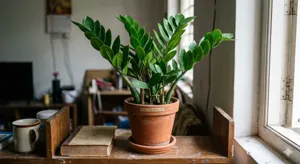
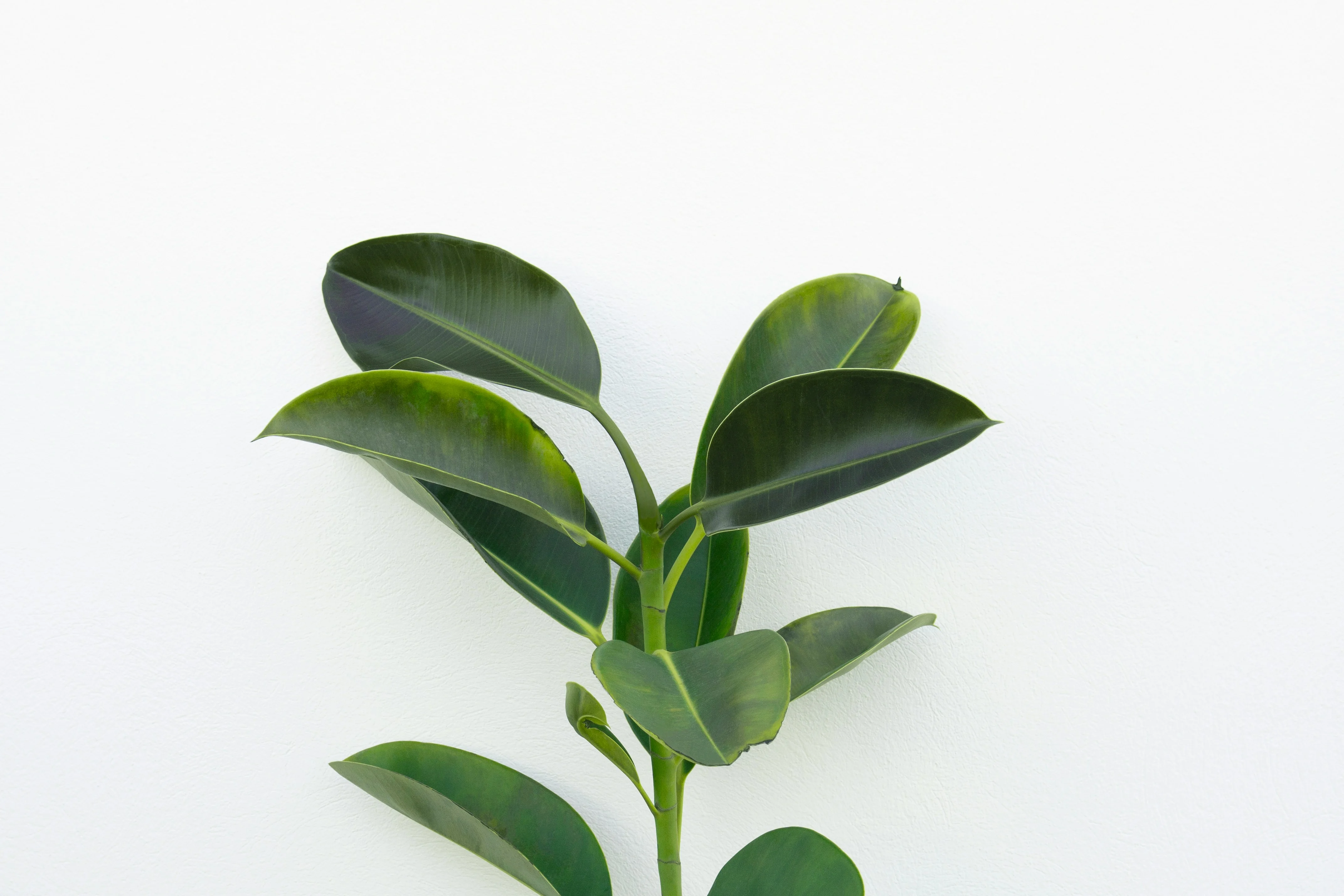
The Zenzi is a dwarf cultivar of the indestructible ZZ Plant. It features incredibly thick stems and curled, densely packed leaves, making it perfect for small desks and low-light corners.
-
Difficulty
beginner
-
Light
Famous for surviving in dark, windowless rooms, but it will not actually grow without light. To see new stems emerge, provide bright, indirect light.
-
Temperature
65°F - 85°F (18°C - 29°C)
-
Growth
extremely slow
-
Humidity
30% - 50%
-
pH range
6.0 - 7.0
-
Biggest Owner Mistake
Overwatering because the compact, attractive form makes owners want to fuss—but like all ZZ plants, the Zenzi has rhizomes that store months of water, and saturated soil causes rhizome rot that travels to stems invisibly. Water only when the soil is completely dry, which may mean waiting 3–4 weeks or more.
-
What Nobody Tells You
The compact, tightly-curled leaflets are a permanent genetic trait—Zenzi will always stay small and bushy rather than growing into a tall, arching ZZ plant, regardless of pot size, fertilizer, or light. Buying it expecting future height is a misunderstanding of the cultivar.
-
Real Home Conditions
In low light it survives but grows extremely slowly—sometimes just one or two new stems per year—and the glossy leaf color becomes duller. It's more shade-tolerant than most plants but still performs noticeably better in bright indirect light.
Quick Answer
The Zenzi ZZ Plant is a dwarf variety that thrives on neglect. It requires a chunky succulent soil mix and should only be watered when the soil is 100% bone dry, usually every 3-6 weeks. Monitoring the plant regularly helps catch early signs of stress before they cause any lasting damage.
Key Takeaways
- Water only after soil has fully dried out, roughly every 2-3 weeks.
- Provide bright indirect light for the most compact, curly leaf growth.
- Avoid overwatering, the primary cause of rhizome rot in this species.
- Expect very slow growth overall and minimal fertilizing needs to ensure the plant continues to thrive long-term.
Overview
The classic ZZ Plant (Zamioculcas zamiifolia) is universally recognized as the ultimate indestructible houseplant, but it has one flaw: it grows into a massive, sprawling, 4-foot bush. For plant lovers living in small apartments or looking for a compact desktop companion, the Zamioculcas zamiifolia 'Zenzi' is the perfect solution.
The Zenzi is a dwarf cultivar that rarely exceeds 15 inches in height. It looks like a standard ZZ plant that has been compressed. The stems are incredibly thick and robust, and the dark, glossy green leaves are packed tightly together, distinctly curling inward toward the stalk. It shares the exact same iron-clad resilience as its larger cousin, completely ignoring drought, dry air, and dark corners. The only way to kill a Zenzi is with too much love—specifically, too much water.
Light Requirements: Highly Adaptable
Like the standard ZZ, the Zenzi is famous for its extreme shade tolerance. It will survive in dark corners, windowless offices, and dim hallways where almost any other plant would die. However, survival does not equal growth. If you place it in a dark room, it will enter stasis and sit there unchanged for years.
If you want the plant to actually push out new, bright green stems, you must place it in bright, indirect light near an east or west-facing window. It can even handle a few hours of direct morning sun once acclimated.
Watering: The Potato Test
Underneath the soil, the Zenzi features massive, bulbous rhizomes that look exactly like small potatoes. These rhizomes store immense amounts of water, allowing the plant to survive severe droughts in the African dry season.
Because of this, overwatering can quickly lead to severe root rot. You must allow the potting soil to dry out 100% completely—all the way to the bottom of the pot—before watering. If you stick your finger in the soil and feel a single drop of moisture, do not water. In a low-light environment during the winter, you may only need to water this plant once every 6 to 8 weeks. When it is finally time, soak the pot thoroughly until water flows out the drainage holes, then ignore it again for a month.
Temperature and Humidity
The Zenzi prefers warm indoor temperatures ranging from 65°F to 85°F (18°C - 29°C). It is highly sensitive to freezing drafts; temperatures below 50°F (10°C) will cause cellular damage. It has absolutely zero need for a humidifier and perfectly tolerates the bone-dry air of centrally heated homes.
Soil and Potting
Because the rhizomes are so susceptible to rot, proper drainage is critical. Standard, heavy potting soil holds moisture for too long. Use a fast-draining cactus and succulent mix, heavily amended with coarse sand, perlite, or pumice. The rhizomes will slowly multiply and push against the sides of the pot; you only need to repot it every 3 to 4 years when the plastic nursery pot begins to bulge and warp.
Fertilizing
This is an incredibly slow-growing plant that requires almost no supplemental nutrition. Feed it only once or twice a year during the spring and summer using a specialized cactus/succulent fertilizer diluted to half strength. Over-feeding will burn the delicate roots and cause chemical damage to the leaves.
Toxicity Warning
The Zenzi, like all members of the Araceae family, contains insoluble calcium oxalate crystals in its sap. It is toxic to cats, dogs, and humans. Chewing on the thick stems or leaves will cause the microscopic crystals to embed in the mouth and throat, leading to severe burning, swelling, drooling, and vomiting. Fortunately, its thick, rigid texture does not usually attract chewing pets.
Calculator
Interactive Calculators for Zamioculcas Zenzi
Recommended next actions
Next Best Actions
Use calculators and guides to turn this plant profile into a practical care routine.
Topic Guide
Watering
Learn everything about watering for your indoor and aquarium plants. Expert care tips, troubleshooting, and related guides.
Plant Guide
ZZ Plant
Is your ZZ plant turning yellow this summer? Learn how excess moisture trapped in rhizomes during heat causes yellowing — and how to diagnose and fix it.
Plant Guide
Raven Zz Plant
The Raven ZZ is arguably the most resilient houseplant on earth, boasting striking black foliage. We explain its unique color-changing process and why your watering can is its only enemy.
Topic Guide
Root Rot
Learn how to identify and treat root rot in houseplants. Discover causes, symptoms, and step-by-step solutions to save your plants from overwatering.
Structured Plant Data
Plant Data Profile
The following data is extracted directly from our botanical knowledge graph for accuracy and transparency.
Growth Characteristics
Growth Rate
extremely slow
Mature Height
12-15 inches
Mature Spread
12 inches
Life Cycle
Perennial
Flowering Season
Rarely flowers indoors
Container Friendly
yes
Indoor Capable
yes
Environmental Parameters
| Parameter | Recommended | Survivable |
|---|---|---|
| Temperature | 65°F - 85°F (18°C - 29°C) | 55°F - 95°F (13°C - 35°C) |
| Humidity | 30% - 50% | 10% - 80% |
| Soil PH | 6.0 - 7.0 | 5.5 - 7.5 |
Lighting
Description
Famous for surviving in dark, windowless rooms, but it will not actually grow without light. To see new stems emerge, provide bright, indirect light.
Nutrients
Nitrogen Demand
low
Phosphate Demand
low
Potassium Demand
low
Micronutrient Notes
Extremely light feeder. Its massive rhizomes store nutrients efficiently.
Fertilizer Frequency
Once or twice a year during spring/summer with a cactus fertilizer diluted to half strength.
Organic Options
A small pinch of worm castings in spring.
Relationships
-
Root Rot
Vulnerability | Strength 10
Overwatering is the only way to kill it. The potato-like rhizomes will rapidly turn to mush if the soil stays wet.
ZZ Plant Variety Comparison
| Variety | Leaf Color | Mature Height |
|---|---|---|
| Standard ZZ | Glossy bright/dark green | 3-4 feet |
| Raven ZZ | Nearly black / deep purple | 3-4 feet |
| Zenzi (Dwarf) | Very dark green, curled | 12-15 inches |
Troubleshooting & Diagnostics Guide
1 Why are the leaves on my Zenzi curled downward?
Diagnosis: Normal trait – cultivar has naturally curled leaves
Treatment: No action; it's a characteristic of the cultivar.
Prevention: None.
2 Why is my Zenzi ZZ Plant turning yellow and mushy?
Diagnosis: Overwatering – root and rhizome rot
Treatment: Stop watering; unpot, trim rotted rhizomes, repot in dry, well-draining soil; water sparingly.
Prevention: Water only when soil is completely dry.
Authoritative Resources
For additional peer-reviewed information on plant diseases, toxicity, and care, consult these trusted botanical and agricultural extensions:
Glossary of Terms
- Rhizome
- A continuously growing horizontal underground stem that stores water and nutrients. In the ZZ plant, these look like small potatoes.
- Cultivar
- A plant variety that has been produced in cultivation by selective breeding. 'Zenzi' is a cultivar selectively bred for its dwarf size and curled leaves.
Frequently Asked Questions
What is the difference between a ZZ Plant and a Zenzi?
Why are the leaves on my Zenzi curled downward?
Why is my Zenzi ZZ Plant turning yellow and mushy?
How often should I water a Zenzi ZZ?
Can the Zenzi survive in a room with no windows?
Sources & References
-
Source: powo.science.kew.org
-
Source: edis.ifas.ufl.edu
Explore More