Philodendron Micans Care: Preventing Velvet Leaves From Fading
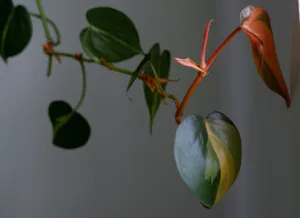
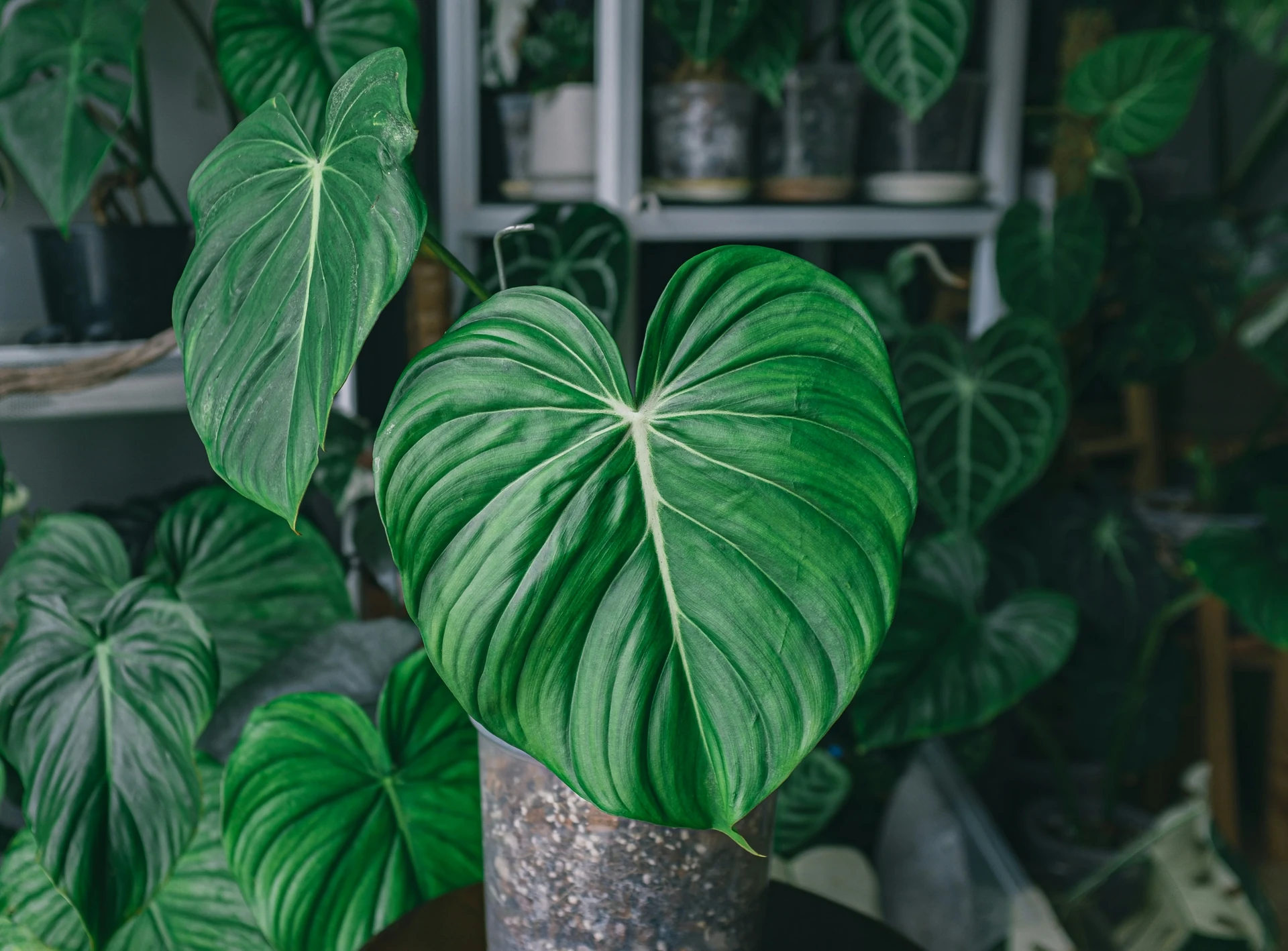
The Philodendron Micans is a spectacular, fast-growing trailing vine featuring soft, velvety leaves that shimmer in shades of dark green, bronze, and deep maroon.
-
Difficulty
easy
-
Light
Requires bright, indirect light to maintain the deep maroon/red color on the undersides of the leaves. In low light, the leaves will revert to a standard, dull green. Direct sun will bleach the velvet.
-
Temperature
65°F - 85°F (18°C - 29°C)
-
Growth
fast
-
Humidity
40% - 60%
-
pH range
6.0 - 6.5
-
Biggest Owner Mistake
Overwatering because the velvety surface looks like it would benefit from moisture—but wet soil causes root rot, and the first visible symptom is the velvet texture disappearing as leaves become soft and lose their distinctive nap. Let the top inch of soil dry before watering.
-
What Nobody Tells You
New leaves unfurl in a striking coppery-orange or burnt red color before gradually darkening to their mature bronze-green over one to two weeks—this dramatic color shift in young leaves is normal and one of the most beautiful aspects of growing this species. It's not a sign of any problem.
-
Real Home Conditions
In dry air, the leaf edges curl under and the velvety texture fades to a flat, dull surface because the microscopic hair-like structures on the leaf surface require humidity to maintain their structure. Humidity above 50% keeps both the texture and the deep color at their best.
Quick Answer
The Philodendron Micans needs bright, indirect light to maintain its red/bronze velvet color. Water when the top 2-3 inches of soil are dry, and prune long vines to keep the top of the plant bushy. Monitoring the plant regularly helps catch early signs of stress before they cause any lasting damage.
Key Takeaways
- Provide bright indirect light for the best velvety, iridescent leaf sheen.
- Water when the top 1-2 inches of soil feel dry to the touch.
- Maintain moderate to high humidity for the healthiest overall foliage.
- Prune trailing vines regularly to encourage bushier, fuller growth to help prevent unnecessary stress on the plant.
Overview
The Philodendron hederaceum var. hederaceum, almost universally known by its old name Philodendron micans, is a highly prized variety of the common Heartleaf Philodendron. However, unlike the glossy green leaves of its common cousin, the Micans features spectacular, deeply textured velvet leaves. Depending on the light, the foliage shimmers in iridescent shades of dark green, rust, bronze, and deep maroon.
It offers the luxurious, high-end look of expensive, finicky velvet plants (like the Philodendron melanochrysum or Anthurium clarinervium) but comes with the indestructible, beginner-friendly care requirements of a standard trailing houseplant. It is incredibly fast-growing and looks stunning cascading from a hanging basket or climbing a tall moss pole.
Light Requirements: Keeping the Bronze
The iridescent colors of the Micans are highly reactive to light. To maintain the rich bronze, red, and maroon tones—especially on the undersides of the leaves—the plant requires bright, indirect light. An east-facing window is ideal.
If you place the Micans in a low-light corner, it will easily survive, but the leaves will lose their velvet shimmer and revert to a dull, flat green as the plant struggles to photosynthesize. Conversely, never place it in harsh, direct afternoon sun. The delicate velvet texture will instantly bleach out and scorch, leaving permanent brown burn marks.
Watering Strategy
The Micans is incredibly forgiving and communicates its needs clearly. Allow the top 2 to 3 inches of the soil to dry out completely before watering. If you forget to water it, the thin, velvety leaves will begin to visibly curl inward, acting as a perfect thirst indicator.
When the soil is dry and the leaves begin to curl, soak the pot thoroughly until water flows out the drainage holes. It will recover from a drought quickly, but like all aroids, it will rapidly develop root rot if forced to sit in a saucer of standing water.
Temperature and Humidity
Typical household temperatures between 65°F and 85°F (18°C - 29°C) are perfect. Protect it from freezing winter drafts. While many velvet-leaf plants require enclosed greenhouse cabinets with 80% humidity to survive, the Micans is incredibly adaptable. It will grow vigorously and happily in the standard 40% to 50% humidity found in most centrally heated or air-conditioned homes.
Soil and Potting
A well-draining, airy potting mix is essential to prevent root rot. Standard indoor potting soil works, but it is highly recommended to amend it with 30% perlite and a handful of orchid bark. This provides the roots with pockets of oxygen and ensures excess water drains away rapidly.
Pruning vs. Climbing
Left to its own devices in a hanging basket, a Micans will rapidly push out trailing vines that can reach the floor in a single season. However, as the vines get longer, the leaves at the very top of the pot often fall off, leaving a "bald" crown. To prevent this, you should regularly prune the tips of the vines. This forces the plant to push out new growth from the base, keeping the top of the pot full and bushy.
Alternatively, you can change the growth habit entirely by providing a moss pole. In the wild, this plant climbs trees. If you train the vines to climb a damp moss pole vertically, the plant will mature, and the new leaves will grow significantly larger.
Toxicity
Like all members of the Araceae family, the Philodendron Micans contains insoluble calcium oxalate crystals. If chewed by cats, dogs, or humans, the crystals embed in the soft tissues of the mouth and throat, causing severe burning, swelling, drooling, and vomiting. Keep the trailing vines out of reach of curious pets.
Calculator
Interactive Calculators for Philodendron Micans
Recommended next actions
Next Best Actions
Use calculators and guides to turn this plant profile into a practical care routine.
Topic Guide
Watering
Learn everything about watering for your indoor and aquarium plants. Expert care tips, troubleshooting, and related guides.
Plant Guide
Heartleaf Philodendron
Expert care guide and diagnostic data for the Heartleaf Philodendron. Learn how to properly water, light, and troubleshoot common issues.
Guide
Leggy Houseplants: Causes of Etiolation & How to Fix Them
With over 13 years of plant growth diagnostics and more than 2,100 etiolation and light-deficiency cases assessed across species from compact succulents to large-leafed tropicals, we've developed a precise protocol for diagnosing the cause of leggy growth, correcting it without shocking the plant, and preventing recurrence through light and pruning management.
Topic Guide
Root Rot
Learn how to identify and treat root rot in houseplants. Discover causes, symptoms, and step-by-step solutions to save your plants from overwatering.
Structured Plant Data
Plant Data Profile
The following data is extracted directly from our botanical knowledge graph for accuracy and transparency.
Growth Characteristics
Growth Rate
fast
Mature Height
Trailing vines 6-8 feet
Mature Spread
1-2 feet wide
Life Cycle
Perennial
Flowering Season
Rarely flowers indoors
Container Friendly
yes
Indoor Capable
yes
Environmental Parameters
| Parameter | Recommended | Survivable |
|---|---|---|
| Temperature | 65°F - 85°F (18°C - 29°C) | 55°F - 95°F (13°C - 35°C) |
| Humidity | 40% - 60% | 20% - 80% |
| Soil PH | 6.0 - 6.5 | 5.5 - 7.0 |
Lighting
Description
Requires bright, indirect light to maintain the deep maroon/red color on the undersides of the leaves. In low light, the leaves will revert to a standard, dull green. Direct sun will bleach the velvet.
Nutrients
Nitrogen Demand
moderate
Phosphate Demand
low
Potassium Demand
moderate
Micronutrient Notes
Very forgiving, but regular feeding speeds up the already rapid vine growth.
Fertilizer Frequency
Once a month during spring and summer with a balanced liquid houseplant fertilizer.
Organic Options
Monthly top dressing of worm castings.
Relationships
-
Root Rot
Vulnerability | Strength 6
Like all Philodendrons, it is susceptible to root rot if left sitting in dense, water-logged potting soil without drainage.
Trailing Philodendron vs. Pothos Comparison
| Variety | Leaf Texture | Growth Habit |
|---|---|---|
| Philodendron Micans | Soft, iridescent velvet | Fast trailing / Climbing |
| Heartleaf Philodendron | Glossy, smooth green | Fast trailing / Climbing |
| Golden Pothos | Glossy, slightly textured | Very fast trailing |
Troubleshooting & Diagnostics Guide
1 Why is my Philodendron Micans losing its red color?
Diagnosis: Low light – loss of pigmentation
Treatment: Move to brighter indirect light; new leaves will show red.
Prevention: Provide bright indirect light.
2 Why is my Philodendron Micans so leggy with small leaves?
Diagnosis: Insufficient light – etiolation
Treatment: Move to brighter location; prune leggy stems.
Prevention: Provide bright indirect light.
3 Why are the leaves curling inward?
Diagnosis: Underwatering or low humidity
Treatment: Water thoroughly; increase humidity.
Prevention: Maintain consistent moisture; moderate humidity.
Authoritative Resources
For additional peer-reviewed information on plant diseases, toxicity, and care, consult these trusted botanical and agricultural extensions:
Glossary of Terms
- Leggy
- A plant growth habit where stems stretch out rapidly toward a light source, resulting in long, weak vines with large gaps between tiny leaves.
Frequently Asked Questions
Why is my Philodendron Micans losing its red color?
Why is my Philodendron Micans so leggy with small leaves?
Is the Velvet Leaf Philodendron toxic to cats?
Can I put my Philodendron Micans on a moss pole?
Why are the leaves curling inward?
Sources & References
-
Source: powo.science.kew.org
-
Source: aroid.org
Explore More