Watermelon Peperomia Care: Avoid Curling Leaves
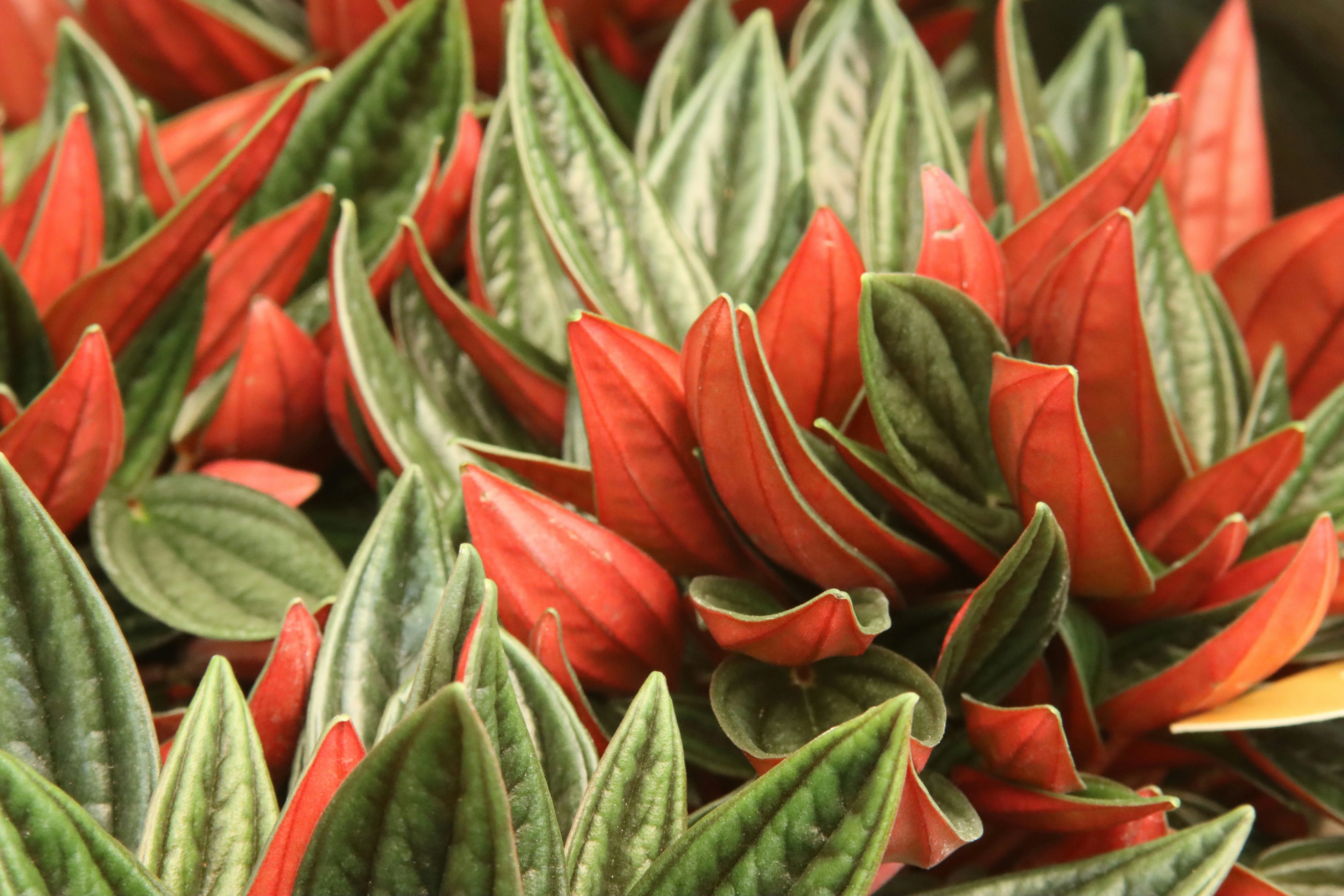
The Watermelon Peperomia is a compact, pet-safe plant famous for its striking, fleshy leaves that look exactly like the rind of a watermelon. It thrives when treated like a succulent.
-
Difficulty
moderate
-
Light
Requires bright, indirect light to maintain its striking silver and green watermelon pattern. Too much direct sun will bleach the colors; too little light will cause the plant to stretch and become leggy.
-
Temperature
65°F - 80°F (18°C - 27°C)
-
Growth
moderate
-
Humidity
40% - 60%
-
pH range
6.0 - 6.5
-
Biggest Owner Mistake
Overwatering because the striped, eye-catching leaves make owners attentive and eager—but like all peperomias it's semi-succulent, and consistently wet soil causes the stems to collapse at the soil line from rot before the leaves show any distress. Let the soil dry down halfway before watering.
-
What Nobody Tells You
It propagates remarkably easily from leaf sections—cutting a leaf in half horizontally and inserting the stem-side into moist soil produces new plantlets from each half. This makes replacing an aging or leggy plant simple and free.
-
Real Home Conditions
In low light, the silver stripes fade toward solid green as the plant maximizes chlorophyll production at the expense of the light-reflecting pigment. Bright indirect light is what maintains the high-contrast watermelon pattern.
Quick Answer
The Watermelon Peperomia is a semi-succulent that needs to dry out completely between waterings. Use the 'Taco Test': if the leaf is rigid, do not water; if it folds easily, it is thirsty. Keep it in bright, indirect light. Our experience shows that providing a stable environment helps the plant establish a strong root system faster.
Key Takeaways
- Water when the top 1-2 inches of soil feel dry to the touch.
- Provide bright indirect light to maintain distinctive striped leaf pattern.
- Use a well-draining, chunky mix to prevent overly wet roots.
- Avoid overwatering, since thick leaves store water and rot easily.
Overview
The Watermelon Peperomia (Peperomia argyreia) is undeniably adorable. It is a compact, low-growing plant that rarely exceeds a foot in height, making it the perfect candidate for a desk or a small coffee table. Its claim to fame is its thick, fleshy, tear-shaped leaves that are patterned with curving silver and dark green stripes, making them look exactly like miniature watermelons attached to striking, dark red stems.
As a bonus, it is completely non-toxic to cats and dogs. However, despite its popularity, it can be slightly finicky. It is essentially a semi-succulent. If you treat it like a thirsty tropical fern, it will quickly rot and die. To keep a Watermelon Peperomia happy, you must master the art of ignoring it.
Watering: The Taco Test
Watering is where most owners fail. The thick leaves act as water reservoirs, meaning the plant can—and should—dry out completely between waterings.
Never water it on a schedule. Instead, use the "Taco Test." Gently try to fold one of the mature leaves in half like a taco. If the leaf is rock-hard and resists folding, the plant has plenty of water. If the leaf feels slightly soft, thin, and folds easily, it is time to water. When you do water, soak the pot thoroughly until water pours out the drainage holes, then leave it completely alone until it passes the Taco Test again.
The Fragile Root System
Peperomias have incredibly small, fragile, hair-like root systems. Because the roots are so weak, they cannot push through dense, heavy potting soil, and they will suffocate instantly if left in a swamp of mud.
You must plant it in a chunky, highly aerated mix. Combine 50% high-quality potting soil with 50% perlite or pumice. Furthermore, because the root system is so small, the plant loves to be severely root-bound. Do not repot it into a larger pot until the roots are literally bursting out of the bottom; putting a small root system into a massive pot of wet soil drastically increases the risk of severe root rot.
Light Requirements
To maintain the crisp, high-contrast watermelon pattern, the plant requires bright, indirect light. An east-facing window is perfect. If placed in a dark corner, the stems will stretch out (etiolate), becoming long and weak, and the new leaves will emerge solid green.
Avoid placing it in direct, hot afternoon sun. The thick leaves will quickly scorch, bleach to a pale yellow, and lose their beautiful silver stripes.
Temperature and Humidity
Typical household temperatures between 65°F and 80°F (18°C - 27°C) are ideal. Keep it away from cold winter drafts and heating vents. While it appreciates higher humidity (around 50%), its thick leaves make it highly adaptable to the standard dry air of most centrally heated homes.
The Curling Leaf Problem
A common issue with the Watermelon Peperomia is that the new leaves emerge heavily curled, cupped, or split, rather than flat. This is almost always caused by a calcium deficiency. Peperomias need a significant amount of calcium to build their thick cell walls. If you notice curling leaves, you can lightly top-dress the soil with crushed eggshells, bone meal, or a cal-mag (calcium-magnesium) supplement to help the new growth flatten out.
Calculator
Interactive Calculators for Peperomia Watermelon
Recommended next actions
Next Best Actions
Use calculators and guides to turn this plant profile into a practical care routine.
Topic Guide
Watering
Learn everything about watering for your indoor and aquarium plants. Expert care tips, troubleshooting, and related guides.
Plant Guide
Peperomia Obtusifolia
After growing and propagating over 50 Peperomia obtusifolia plants in various indoor settings, we have mastered the 'succulent-style' watering technique required to keep these thick, rubbery leaves flawless.
Guide
Wilting Houseplants: Is it Thirsty, Drowning, or Dying?
As horticulturists, we've found that the biggest mistake indoor gardeners make when seeing a wilted plant is blindly reaching for the watering can. We use a simple diagnostic matrix based on turgor pressure to determine exactly why a plant has collapsed.
Topic Guide
Root Rot
Learn how to identify and treat root rot in houseplants. Discover causes, symptoms, and step-by-step solutions to save your plants from overwatering.
Structured Plant Data
Plant Data Profile
The following data is extracted directly from our botanical knowledge graph for accuracy and transparency.
Growth Characteristics
Growth Rate
moderate
Mature Height
8-12 inches indoors
Mature Spread
8-12 inches wide
Life Cycle
Perennial
Flowering Season
Summer (produces tall, thin, green spikes that look like mouse tails)
Container Friendly
yes
Indoor Capable
yes
Environmental Parameters
| Parameter | Recommended | Survivable |
|---|---|---|
| Temperature | 65°F - 80°F (18°C - 27°C) | 55°F - 85°F (13°C - 29°C) |
| Humidity | 40% - 60% | 30% - 80% |
| Soil PH | 6.0 - 6.5 | 5.5 - 7.0 |
Lighting
Description
Requires bright, indirect light to maintain its striking silver and green watermelon pattern. Too much direct sun will bleach the colors; too little light will cause the plant to stretch and become leggy.
Nutrients
Nitrogen Demand
low
Phosphate Demand
low
Potassium Demand
low
Micronutrient Notes
Very light feeder. Over-fertilizing can cause the delicate roots to burn.
Fertilizer Frequency
Once a month during spring and summer with a liquid fertilizer diluted to half strength.
Organic Options
A light top dressing of worm castings.
Relationships
-
Root Rot
Vulnerability | Strength 8
Has incredibly fragile, hair-like roots that will instantly rot and disintegrate if left in water-logged soil.
Peperomia Variety Comparison
| Variety | Leaf Texture | Pattern |
|---|---|---|
| Watermelon (Argyreia) | Smooth, thick | Silver and green stripes |
| Ripple (Caperata) | Deeply corrugated, wrinkled | Solid dark green or red |
| Baby Rubber (Obtusifolia) | Thick, waxy, succulent | Solid green or variegated |
Troubleshooting & Diagnostics Guide
1 Why are the leaves on my Watermelon Peperomia curling inward?
Diagnosis: Calcium deficiency – often from acidic soil or overwatering
Treatment: Apply a calcium supplement or repot in fresh soil; adjust watering to avoid waterlogging.
Prevention: Use a balanced fertilizer with calcium; maintain proper pH.
2 Why are the red stems drooping dramatically?
Diagnosis: Severe underwatering (dry) or root rot (wet)
Treatment: Check soil: if dry, water deeply; if wet, unpot and trim rotted roots.
Prevention: Keep soil evenly moist but not soggy.
3 Why are the leaves losing their watermelon pattern and turning green?
Diagnosis: Low light – fading variegation
Treatment: Move to brighter indirect light; new leaves will show pattern.
Prevention: Provide bright indirect light.
Authoritative Resources
For additional peer-reviewed information on plant diseases, toxicity, and care, consult these trusted botanical and agricultural extensions:
Glossary of Terms
- Etiolation
- The stretching of stems toward a light source when a plant is kept in conditions that are too dark. This causes a leggy, sparse appearance.
- Cal-Mag
- A common plant supplement containing Calcium and Magnesium. It is often used to fix curling or deformed leaves in Peperomias.
Frequently Asked Questions
Why are the leaves on my Watermelon Peperomia curling inward?
Why are the red stems drooping dramatically?
Why are the leaves losing their watermelon pattern and turning green?
Can I grow a new plant from just one leaf?
Is the Watermelon Peperomia toxic to pets?
Sources & References
-
Source: powo.science.kew.org
-
Source: edis.ifas.ufl.edu
Explore More