Ripple Peperomia Indoor Guide: Protect Stem Rot & Wilting
The Ripple Peperomia is a compact, pet-safe beauty famous for its deeply corrugated, heart-shaped leaves. It is prone to stem rot, making bottom-watering the key to survival.
-
Difficulty
moderate
-
Light
Prefers bright, indirect light. Direct sun will bleach the deep colors and scorch the textured leaves. Can tolerate medium light, but growth will stall.
-
Temperature
65°F - 80°F (18°C - 27°C)
-
Growth
slow
-
Humidity
50% - 70%
-
pH range
6.0 - 6.5
-
Biggest Owner Mistake
Overwatering because the heavily textured, rippled surface makes the leaves look moisture-thirsty—but the thick, waxy leaves are semi-succulent and store water between waterings. Consistently wet soil causes root rot that spreads to the crown before any leaf symptoms appear.
-
What Nobody Tells You
It produces tall, white, rat-tail-like flower spikes that many owners find unattractive—cutting them off as soon as they appear redirects energy to the beautifully rippled foliage that is this plant's actual selling point. The flowers are not ornamental.
-
Real Home Conditions
In low light, the deep ridges and corrugated texture of the leaves gradually flatten out and the dark coloring fades, as the plant prioritizes chlorophyll production over structure. Bright indirect light is what maintains both the deep color and the distinctive rippling.
Quick Answer
The Ripple Peperomia requires bright, indirect light and a chunky, airy soil mix. To prevent the stems from rotting, wait until the soil is dry and bottom-water the plant by letting it soak in a bowl. We have found that maintaining a consistent care routine significantly improves the long-term health of the plant.
Key Takeaways
- Allow the top 1 to 2 inches of chunky, aerated potting mix to dry before watering.
- Provide bright, indirect sunlight to maintain deep burgundy and ripple textures.
- Bottom-water containers to keep moisture away from dense basal stem clusters.
- Use breathable terracotta pots with drainage holes to prevent root rot.
Overview
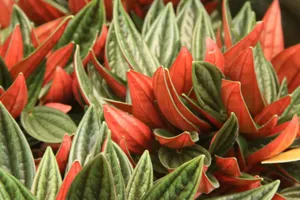
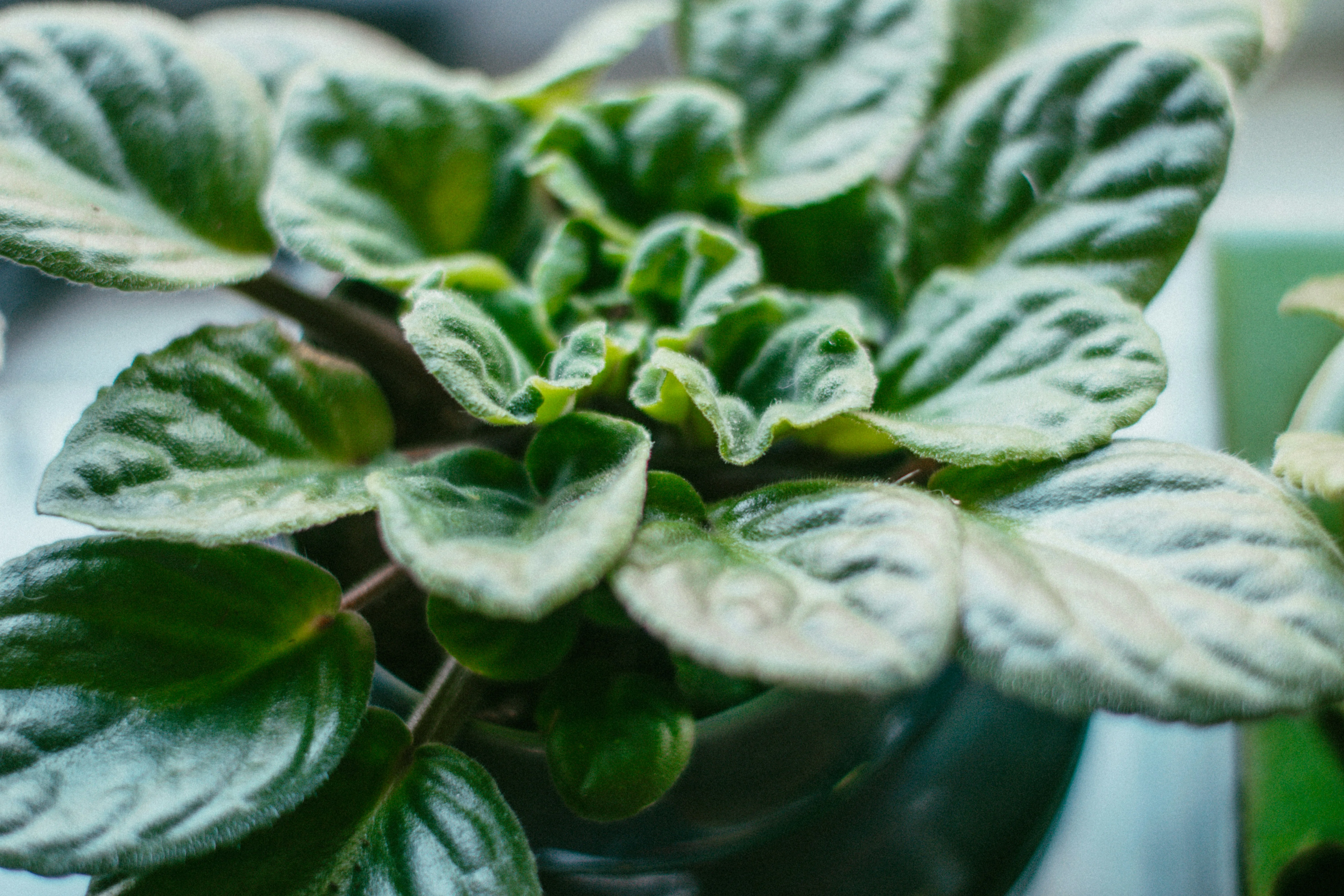
The Ripple Peperomia (Peperomia caperata), including popular varieties like 'Rosso' and 'Emerald Ripple', is an incredibly popular desktop plant native to the rainforests of Brazil. It is famous for its deeply corrugated, heart-shaped leaves that look incredibly textured and crinkled. Available in deep shades of metallic green, burgundy, and silver, it packs a massive amount of visual interest into a very small package.
Because it rarely exceeds 8 inches in height, it is the perfect plant for small apartments, office desks, and terrariums. Furthermore, it is entirely non-toxic to pets. However, it has one major fatal flaw: it has an incredibly shallow, delicate root system and a dense crown of stems that are highly susceptible to rot. Mastering how to water this plant without rotting the stems is the only hurdle to keeping it alive.
Light Requirements
Because they grow on the shady floor of the rainforest, Ripple Peperomias require bright, indirect light. Direct sunlight will quickly scorch the delicate, textured leaves and bleach away their vibrant colors. An east-facing or north-facing window is ideal. They also thrive under artificial grow lights or standard fluorescent office lighting. If placed in too dark of a corner, the deep reds and purples of varieties like 'Rosso' will fade to a dull green.
Watering: The Bottom-Watering Secret
Watering is where 90% of Ripple Peperomias meet their end. The stems grow in a very dense cluster right at the soil line (the crown). If you water the plant from the top, water easily gets trapped between the tightly packed stems. Within days, the stems will turn to black mush, and the entire plant will fall apart in your hands.
To prevent this, you must bottom-water this plant. Wait until the top 2 inches of the soil are completely dry. Then, place the plastic nursery pot into a bowl of water. Allow the soil to soak up the water through the drainage holes for about 15-20 minutes. Once the top of the soil feels slightly damp, remove the pot, let it drain completely, and put it back in its decorative cover pot. This ensures the roots get water while the sensitive crown stays completely dry.
Temperature and Humidity
They prefer warm indoor temperatures between 65°F and 80°F (18°C - 27°C). Keep them strictly away from cold drafts, as sudden temperature drops will cause the leaves to wilt permanently. While they do appreciate higher humidity (50-70%), the thick, semi-succulent nature of their leaves allows them to tolerate average indoor humidity without much complaint.
Soil and Potting
Peperomias have very thin, hair-like root systems that need oxygen to survive. Standard, heavy potting soil will crush and suffocate them. You must use a light, airy, peat-based mix heavily amended with perlite. A ratio of 50% peat moss and 50% perlite is ideal. Because their root system is so small, they prefer to be slightly root-bound and should only be repotted every 2 to 3 years into a pot that is only slightly larger.
Flowering: The "Rat Tails"
During the summer, the Ripple Peperomia will shoot up dozens of tall, thin, pale green spikes. These are the flowers! Because they have no petals, they are often affectionately (or disparagingly) referred to as "rat tails." They do not have a scent. You can leave them on the plant for a unique look, or you can simply snip them off at the base if you prefer the focus to remain on the textured foliage.
Toxicity
The entire Peperomia genus is widely celebrated for being non-toxic to pets. It is an excellent choice for homes with curious cats or dogs that like to nibble on low-sitting plants.
Calculator
Interactive Calculators for Peperomia Caperata
Recommended next actions
Next Best Actions
Use calculators and guides to turn this plant profile into a practical care routine.
Topic Guide
Watering
Learn everything about watering for your indoor and aquarium plants. Expert care tips, troubleshooting, and related guides.
Plant Guide
Peperomia Obtusifolia
After growing and propagating over 50 Peperomia obtusifolia plants in various indoor settings, we have mastered the 'succulent-style' watering technique required to keep these thick, rubbery leaves flawless.
Guide
Why Root Rot Happens and How to Save Your Plant
After rescuing thousands of rotting houseplants from big-box stores over a 12-year nursery career, we have developed a foolproof method to diagnose, treat, and completely prevent deadly root rot.
Topic Guide
Root Rot
Learn how to identify and treat root rot in houseplants. Discover causes, symptoms, and step-by-step solutions to save your plants from overwatering.
Structured Plant Data
Plant Data Profile
The following data is extracted directly from our botanical knowledge graph for accuracy and transparency.
Growth Characteristics
Growth Rate
slow
Mature Height
6-8 inches
Mature Spread
6-8 inches
Life Cycle
Perennial
Flowering Season
Summer (produces tall, thin, greenish-white spikes that look like rat tails)
Container Friendly
yes
Indoor Capable
yes
Environmental Parameters
| Parameter | Recommended | Survivable |
|---|---|---|
| Temperature | 65°F - 80°F (18°C - 27°C) | 55°F - 85°F (13°C - 29°C) |
| Humidity | 50% - 70% | 30% - 80% |
| Soil PH | 6.0 - 6.5 | 5.5 - 7.0 |
Lighting
Description
Prefers bright, indirect light. Direct sun will bleach the deep colors and scorch the textured leaves. Can tolerate medium light, but growth will stall.
Nutrients
Nitrogen Demand
low
Phosphate Demand
low
Potassium Demand
low
Micronutrient Notes
Extremely light feeder. Its shallow root system is easily burned by excess fertilizer.
Fertilizer Frequency
Once a month during spring/summer with a liquid fertilizer diluted to quarter-strength.
Organic Options
A pinch of worm castings in spring.
Relationships
-
Root Rot
Vulnerability | Strength 9
Highly susceptible to stem and root rot if top-watered heavily or left in dense, wet soil.
Peperomia Variety Comparison
| Variety | Leaf Texture | Growth Habit |
|---|---|---|
| Ripple (Caperata) | Deeply corrugated, crinkled | Compact, mounding bush |
| Watermelon (Argyreia) | Smooth, striped silver/green | Compact, mounding bush |
| Trailing (Prostrata) | Small round leaves (Turtles) | Trailing vines |
Troubleshooting & Diagnostics Guide
1 Why is my Ripple Peperomia rotting and falling apart at the base?
Diagnosis: Crown rot from water pooling at the stem base
Treatment: Remove affected leaves; stop top-watering; switch to bottom-watering; improve air circulation.
Prevention: Always bottom-water; keep leaves dry.
2 Why are the leaves completely wilted, but the soil is wet?
Diagnosis: Root rot – roots cannot uptake water
Treatment: Unpot, remove rotten roots, repot in dry, well-draining mix; water sparingly.
Prevention: Use well-draining soil; water only when top inch is dry.
3 Why are the deep red/purple colors fading to green?
Diagnosis: Insufficient light – loss of pigmentation
Treatment: Move to brighter indirect light; new leaves will regain colour.
Prevention: Provide bright indirect light.
Authoritative Resources
For additional peer-reviewed information on plant diseases, toxicity, and care, consult these trusted botanical and agricultural extensions:
Glossary of Terms
- Crown Rot
- A disease caused by a soil-borne fungus or bacteria that decays the crown of a plant (the area where the stems meet the roots at the soil line), usually caused by water sitting on the stems.
- Inflorescence
- The complete flower head of a plant including stems, stalks, bracts, and flowers. The 'rat tail' of the Peperomia is its inflorescence.
Frequently Asked Questions
Why is my Ripple Peperomia rotting and falling apart at the base?
Why are the leaves completely wilted, but the soil is wet?
Is the Ripple Peperomia toxic to cats?
What are the weird, long spikes growing out of my plant?
Why are the deep red/purple colors fading to green?
Sources & References
-
Source: powo.science.kew.org
-
Source: edis.ifas.ufl.edu
Explore More