When to Plant Ponytail Palm: Sowing Calendar
Get a personalized planting schedule for Ponytail Palm based on your local climate zone and frost dates.
Quick Answer
Timing your Ponytail Palm planting correctly prevents frost damage. Find your optimal window based on your USDA zone below.
Enter your details
Enter your details below to generate a custom recommendation.
Recommended Output
Primary Sowing Window
Secondary Window
Estimated Harvest
Sowing Method
Climate Advice
The Problem
Many plant owners guess at their seed-starting dates, leading to leggy indoor seedlings, frost damage outdoors, or missed harvest windows. Generic advice doesn't factor in local frost dates and specific climate zones.
When to Use This Tool
Use this calculator before the spring planting season begins, when planning a fall garden, or before starting seeds indoors.
Who is this for?
- Beginner gardeners looking to avoid late frost damage
- Advanced growers wanting to optimize harvest yields and indoor seed starting
Finding the right planting time for Ponytail Palm ensures a successful growing season.
Environment & Timing
Because Ponytail Palm thrives best in 65°F - 85°F (18°C - 29°C), starting seeds at the wrong time can stunt their growth. The calculator aligns your local frost dates with these critical temperature needs.
Getting Started
- Input your location's hardiness zone.
- Review the recommended indoor seed-starting dates.
- Plan your outdoor transplanting schedule.
Related Resources
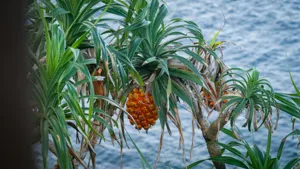
Ponytail Palm Care: Light, Watering & Trunk Base Health
Ponytail Palm gets crispy brown tips from underwatering or fluoride in tap water. Find out Beaucarnea recurvata's watering needs and why this pet-safe.
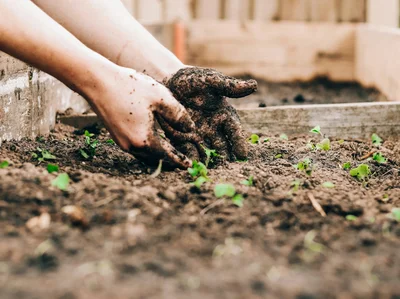
Sowing Calendar: When to Start Seeds Indoors & Outdoors
Find optimal indoor and outdoor seed-sowing dates for vegetables, herbs, and flowers based on your USDA Hardiness Zone and local climate.
Seed Starting Requirements by Crop Type
| Crop Type | Ideal Sowing Method | Germination Soil Temp | Difficulty |
|---|---|---|---|
| Tomatoes & Peppers | Start Indoors (6-8 weeks early) | 75-85°F (24-29°C) | Medium |
| Root Vegetables (Radish, Carrot) | Direct Sow Outdoors | 50-65°F (10-18°C) | Easy |
| Leafy Greens (Lettuce, Spinach) | Direct Sow or Start Indoors | 45-65°F (7-18°C) | Easy |
Troubleshooting & Diagnostics Guide
1 Seedlings are tall, pale, and spindly (leggy).
Diagnosis: Insufficient light after germination. Seedlings stretch rapidly searching for a light source.
Treatment: Lower your grow lights to 2-3 inches above the top leaves, or move trays to a much brighter south-facing window immediately.
Glossary of Terms
- Hardiness Zone
- A geographically defined area in which a specific category of plant life is capable of growing, based on the average annual minimum winter temperature.
- Direct Sow
- Planting seeds directly into the outdoor garden soil where they will mature, rather than starting them indoors.
Frequently Asked Questions
When should Ponytail Palm be planted or sown?
Does Ponytail Palm prefer to be started indoors or direct sown?
What happens if I plant Ponytail Palm too early?
Scientific References
-
Source: planthardiness.ars.usda.gov