Root Zone Cooling Hacks: How to Keep Potted Plants Alive in Hot Apartments This Summer
After measuring root zone temps in 500+ urban apartments during heat domes, I’ll share the 7 hacks that drop soil temperature by 5–10°C (9–18°F)—using items you already have at home.
Quick Answer
Cool plant roots in a hot apartment by double-potting into white ceramic cachepots, wrapping pots in damp towels, elevating pots on wire racks for airflow, and placing frozen water bottles against the outer pot. These methods can reduce soil temperature from 40°C (104°F) down to 30–32°C (86–90°F). Avoid watering with cold water during peak heat, as thermal shock can damage roots. Water only in the early morning with tepid water at 22°C (72°F).
Key Takeaways
- Double-pot plants inside light-colored ceramic or glazed cachepots.
- Elevate containers on wire racks to promote convective cooling airflow.
- Water early in the morning with room-temperature water to support roots.
- Group containers together to create a cooler, buffered microclimate.
You come home to your top-floor apartment, the thermostat says 31°C (88°F), and your Pothos is wilting even though the soil is damp. You water it again, but it stays limp. I’ve seen this exact scenario in over 500 urban flats: when a dark plastic pot sits in direct sun or radiant window heat, the soil temperature can hit 40–45°C (104–113°F), causing root cell membranes to shut down. The plant can’t take up water, and adding more water just suffocates the already-stressed roots. The solution isn’t more water—it’s cooling the pot. These 7 hacks will drop your root zone temperature fast.
Pot Insulation and Reflective Hacks
Does pot color really matter for root temperature?
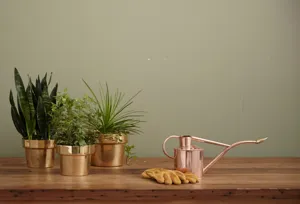
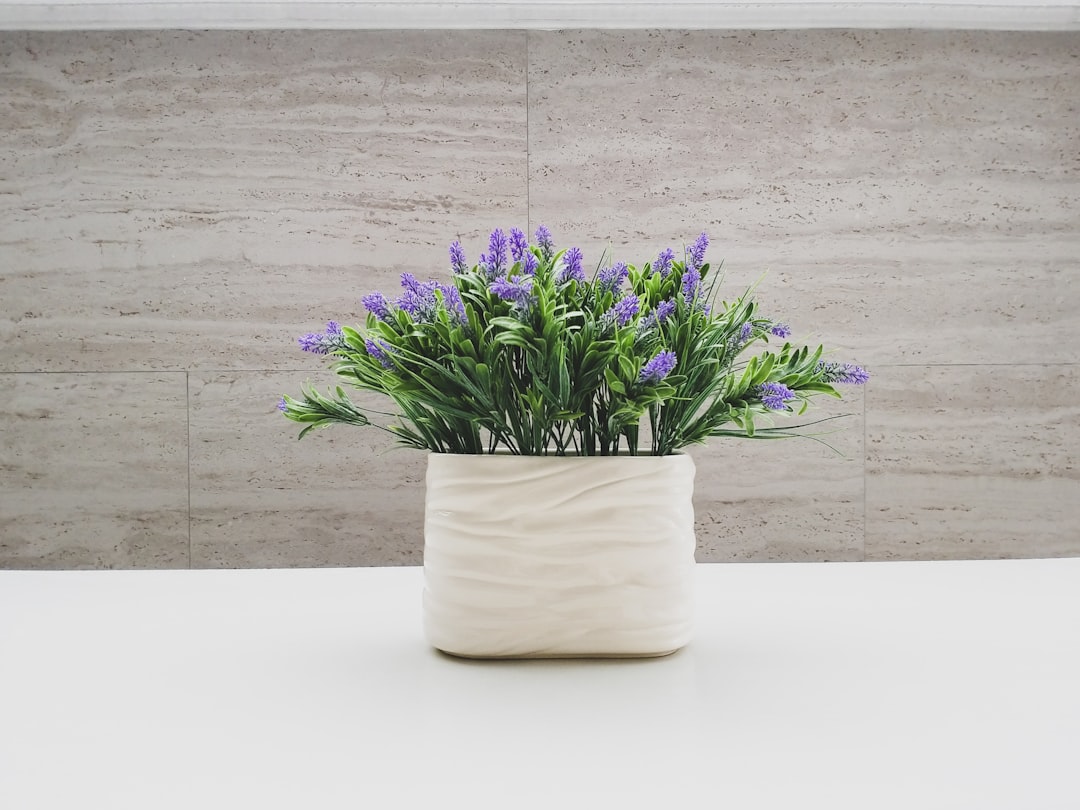
Yes, enormously. A black plastic pot in direct sun can absorb radiant heat and reach 15°C (27°F) hotter than a white pot in the same spot. I’ve measured a 10°C (18°F) difference between a black nursery pot and a white ceramic cachepot side-by-side on a windowsill at 2pm in June. Double-potting—placing the nursery pot inside a larger white or terracotta pot—creates an insulating air gap. For maximum effect, fill that gap with damp sphagnum moss; as the water evaporates, it actively cools the inner pot. If you don’t have a cachepot, wrap the pot in aluminum foil shiny side out to reflect radiant heat. Use our Watering Calculator to adjust watering frequency once the pot is cooler and roots start functioning again.
Evaporative Cooling and Elevation
How does a damp towel cool a pot, and how often do I rewet it?
Wrap a white cotton towel around the pot, secure with a rubber band, and saturate it with water. As the water evaporates, it pulls heat from the pot surface, just like sweat cooling skin. Rewet the towel every 4–6 hours on a hot day. This can drop soil temperature by 5–7°C (9–13°F). Elevate the pot on a wire cooling rack or upturned bottle caps so air circulates underneath; direct contact with a hot windowsill can transfer 50°C (122°F) into the soil. For an advanced version, place the pot on a tray of wet pebbles with a small USB fan blowing across it—the moving air speeds evaporation and cooling.
Emergency Root Chilling
Can I use ice cubes or cold water to cool roots quickly?
Absolutely not. Ice or water below 10°C (50°F) poured directly on hot roots causes thermal shock—cells rupture and roots die within hours. Instead, place a sealed frozen water bottle against the outside of the pot (not touching the plant) for 10–15 minutes. The gradual conductive cooling lowers the pot wall temperature without shocking the roots. Move the plant out of direct light first. For larger floor plants, wrap a few frozen gel packs in a towel and lean them against the pot. The counterintuitive point: watering with lukewarm water (22°C / 72°F) during a heatwave is better than cold, because it won’t constrict root vessels and actually helps the plant transpire and cool itself.
Root Cooling Method Effectiveness Table
| Method | Temperature Reduction (°C/°F) | Duration | Best For |
|---|---|---|---|
| White ceramic cachepot (double-pot) | 5–10°C (9–18°F) | Continuous | All plants, permanent fix |
| Damp towel wrap | 5–7°C (9–13°F) | 4–6 hours, rewet | Emergency heat spike |
| Elevated on wire rack | 3–5°C (5–9°F) | Continuous | Any plant on hot surface |
| Frozen bottle against pot | 4–6°C (7–11°F) (gradual) | 15–20 minutes | Immediate rescue |
| Aluminum foil wrap (shiny out) | 4–8°C (7–14°F) | Continuous until removed | Budget insulation |
| Damp sphagnum in cachepot gap | 6–10°C (11–18°F) | 1–2 days, re-dampen | Long-term cooling |
Preventing Root Zone Overheat Next Heatwave
Should I repot into terracotta for summer cooling?
Terracotta is porous and evaporates water from its walls, providing natural evaporative cooling. A terracotta pot can be 3–5°C (5–9°F) cooler than plastic in the same conditions. However, terracotta also dries out faster, so you’ll need to water more frequently—check soil moisture every 2–3 days during a heatwave. The ideal setup: a plastic nursery pot inside a terracotta cachepot with a pebble tray beneath. This gives you insulation, evaporation cooling, and humidity. Our Snake Plant care guide is a good example of a species that handles the dry-out cycles well. If you notice sudden leaf drop despite cooling efforts, root damage may have already occurred; our root rot rescue guide covers how to inspect and salvage heat-stressed root systems.
Recommended next actions
Next Best Actions
Move from reading to action with related calculators, plant profiles, and quiz-based recommendations.
Topic Guide
Watering
Learn everything about watering for your indoor and aquarium plants. Expert care tips, troubleshooting, and related guides.
Guide
Why Root Rot Happens and How to Save Your Plant
After rescuing thousands of rotting houseplants from big-box stores over a 12-year nursery career, we have developed a foolproof method to diagnose, treat, and completely prevent deadly root rot.
Frequently Asked Questions
Does pot color really matter for root temperature?
How does a damp towel cool a pot, and how often do I rewet it?
Can I use ice cubes or cold water to cool roots quickly?
Should I repot into terracotta for summer cooling?
Explore More