Sundew (Drosera) Care Guide: Types, Light, Water & Feeding
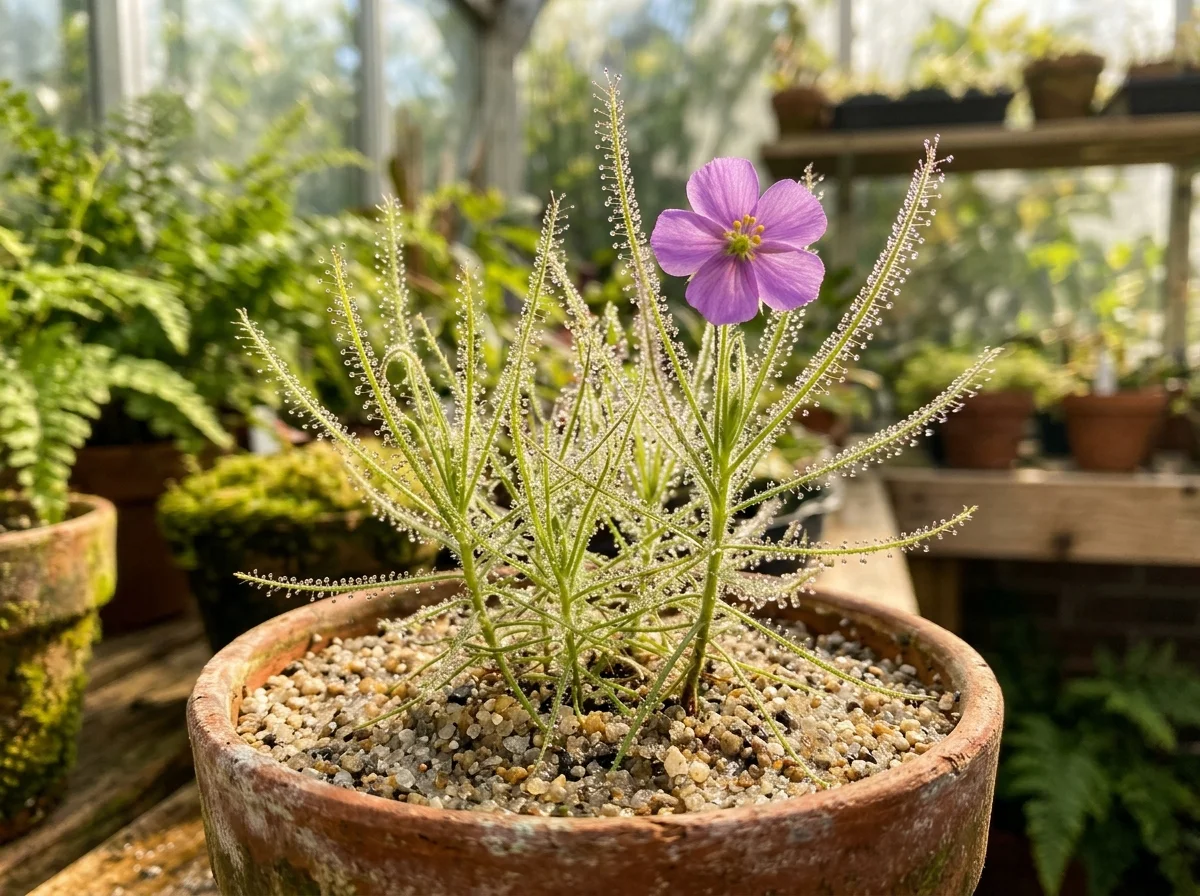
Sundews (Drosera) are sticky-leaved carnivorous plants whose glistening dew traps small insects. Care depends on the type: Cape sundew grows year-round, while temperate sundews need a cold winter rest.
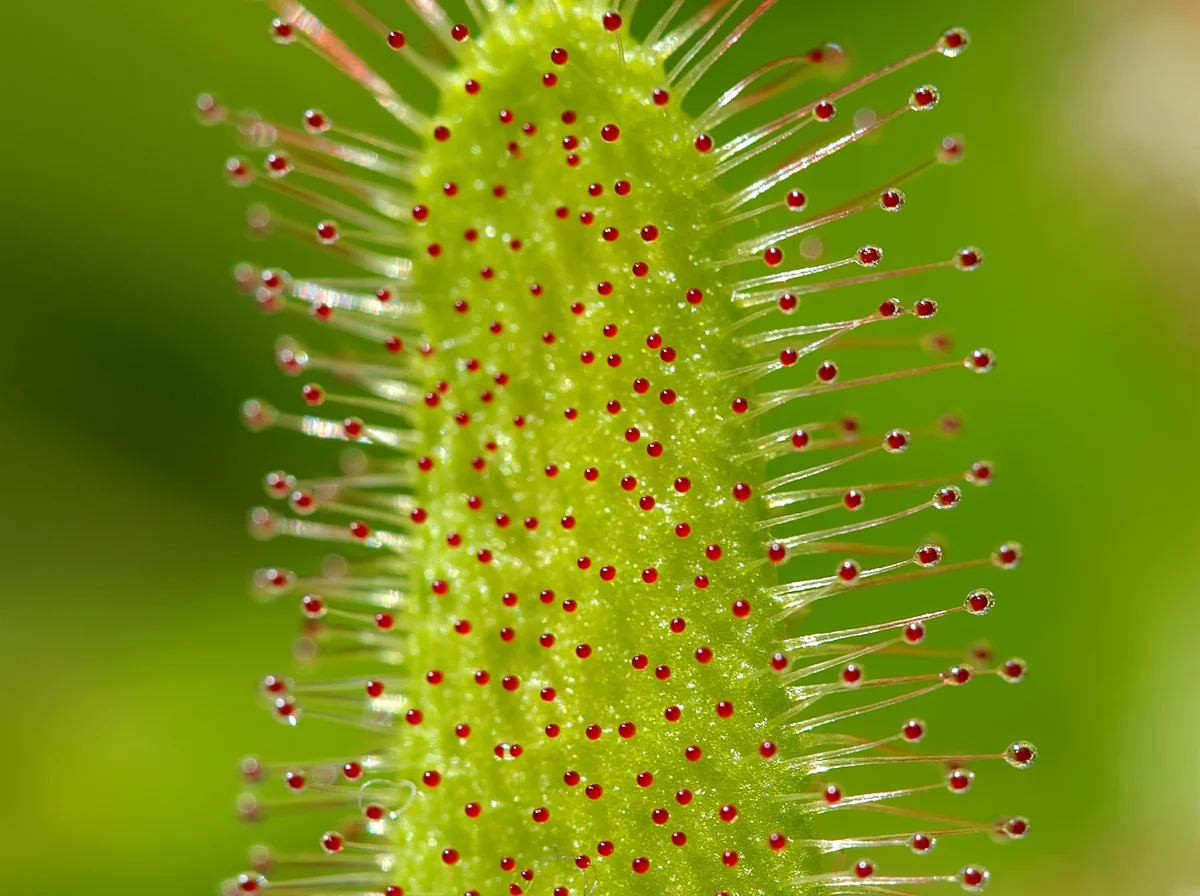
Sundews (Drosera) are sticky-leaved carnivorous plants that need very bright light, low-mineral water (RO, distilled or rain water under 50 ppm TDS, ideally under 20 ppm) and an unfertilized peat and sand or perlite mix. Beginner sundews such as Cape sundew stand in a shallow tray of pure water and need no winter rest, while temperate sundews such as Drosera rotundifolia need a cold dormancy. Sundews catch their own small insects, so never fertilize the soil. If the dew disappears, check light, tray water and mineral build-up first.
Key Cultivation Takeaways
- ✓Sundews need very bright light and low-mineral water: RO, distilled or rain water under 50 ppm TDS, ideally under 20 ppm.
- ✓Cape sundew is the easiest first sundew. It stands in a constant 1-2 cm tray of pure water and needs no winter dormancy.
- ✓Temperate sundews such as Drosera rotundifolia and D. filiformis need a cold, short-day winter and shrink into a tight winter bud.
- ✓Sundews catch their own small insects. Feed a leaf or two sparingly if needed, and never fertilize the soil or tray.
- ✓If the dew disappears, check light, tray water and mineral build-up before anything else.
Environmental Tolerance Matrix
Calibrated baseline thresholds for physiological stress prevention.
| TARGET PARAMETER | WARNING THRESHOLD | CRITICAL THRESHOLD |
|---|---|---|
| Ambient Temperature | Varies by species; Cape sundew 15-28°C (59-82°F) | Varies by species; temperate types tolerate cold winters |
| Relative Humidity (RH) | 50-80% for Cape sundew; varies by species | 30-90% with gentle air circulation |
| Substrate pH & Root Aeration | 4.5-6.0 (acidic, mineral-free medium) | 4.0-6.5 |
Biggest Owner Mistake
Assuming every sundew grows like the Cape sundew. Cape sundew needs no winter rest, but temperate sundews need a cold dormancy, and skipping it slowly weakens the plant. Identify your type first.
What Nobody Tells You
The dew is sticky mucilage, not water, and it is made by glands that need strong light and clean water. Lost dew usually returns on new leaves once light and water are fixed.
Real Home Conditions
Most windows give too little light for good dew and red colour. A grow light 15-30 cm above the plant for 12-16 hours usually fixes it within a few weeks.
Dew drops disappear from the tentacles
Diagnosis: Low light, dry tray, mineral build-up, heat or low humidity with strong airflow
Leaves turn green, long and floppy
Diagnosis: Too little light
Tentacle tips and leaf tips turn brown
Diagnosis: Mineral build-up from tap or mineral water
A temperate sundew shrinks into a tight bud in winter
Diagnosis: Normal winter dormancy
Interactive Watering & Substrate Calculator
Calibrated hydrological and soil volume modeling for Sundew.
Comprehensive Species Profile & Care Guide
Sundew (Drosera) Care at a Glance
- Light: Very bright. Full sun outdoors or a strong grow light indoors. Cape sundew does best at 150-250 PPFD for 12-16 hours.
- Water: RO, distilled or rain water only, ideally under 20 ppm TDS and never above 50 ppm. Most commonly grown sundews stand in a shallow tray of pure water.
- Substrate: Unfertilized peat with coarse silica sand or perlite, about 50/50 for Cape sundew.
- Feeding: They catch their own small insects. Never fertilize the substrate or the tray.
- Winter: Depends on the type. Cape sundew has no dormancy, while temperate sundews need a cold rest.
- Best first sundew: Cape sundew (Drosera capensis).
What Are Sundews?
Sundews (Drosera) are carnivorous plants in the family Droseraceae, the same family as the Venus flytrap and the waterwheel plant. Their leaves are covered in tentacles tipped with glistening droplets of sticky mucilage that look like morning dew. Insects stick to the dew, and the leaf and nearby tentacles curl around them, a movement called thigmotropism, to digest them. The genus has hundreds of species and grows on nearly every continent, from cold bogs to warm Mediterranean-type climates, so care is not identical for every sundew.
Types of Sundew: Which One Do You Have?
The most useful way to sort sundews is by winter pattern, which decides how you care for them from autumn onwards (see the reference table on this page).
- Subtropical, warm-growing sundews such as Drosera capensis grow all year and need no winter rest.
- Temperate sundews such as Drosera rotundifolia and D. filiformis need a cold, short-day winter and shrink into a tight winter bud. The dormancy requirements guide explains how to give and end that rest.
- Pygmy and tuberous sundews are specialist Australian groups with their own seasonal cycles. Tuberous species, for example, grow in the cool wet season and rest as an underground tuber in the dry summer, the reverse of most sundews. Check the supplier's care sheet before buying.
If you do not know which type you have, ask the seller for the species name. A plant sold only as "sundew" is most often the Cape sundew.
Are Sundews Hard to Keep Alive?
The easy sundews are as forgiving as any carnivorous plant, and Cape sundew is the usual first choice. Most losses come from three things: tap water or bottled mineral water, too little light, and a tray that is allowed to dry out. Fix those and the plant usually thrives. If the dew disappears, our sundew not sticky guide walks through the causes. For a wider comparison of easy starter plants, see the best carnivorous plants for beginners.
Light: How Much Do Sundews Need?
Sundews are sun plants. Strong light turns the tentacles red through anthocyanin pigments and drives heavy dew production, while weak light gives green, floppy leaves with little dew. For Cape sundew, aim for 150-250 PPFD for 12-16 hours. A bright south or east window can work, but most indoor growers do better with an LED grow light 15-30 cm above the plant. Move plants into stronger light gradually.
Water: Should Sundews Sit in Water?
Many sundews, including Cape sundew, grow best standing in a shallow tray holding 1-2 cm of pure water that is topped up before it empties. Cape sundew tolerates constant wetness and does not need a drier season. Do not apply this to every sundew: temperate sundews are kept barely damp in winter, and tuberous sundews have the opposite growing season.
Whatever the type, use only RO, distilled or rain water. Minerals in tap water build up in the peat as water evaporates, burn the roots and tentacle tips and dry up the dew. Read our guide to distilled water for carnivorous plants, test the tray with a TDS pen, and use the carnivorous water TDS calculator to check blends. Flush the pot from the top with pure water every month or two. If a plant has already had tap water, follow the steps for a carnivorous plant watered with tap water.
Soil and Pot Depth
Use a nutrient-poor mix such as unfertilized sphagnum peat with coarse silica sand or perlite, and never potting soil, compost, fertilizer, or sand that contains lime or shell. Rinse sand and perlite in RO water before mixing. The carnivorous plant substrate guide covers ratios and ingredients. Most beginner sundews do well in a small pot with drainage standing in a shallow tray. Larger or deeper-rooted species may appreciate more depth, so check the species.
How to Feed a Sundew
A sundew in a room with fungus gnats or fruit flies usually feeds itself, because prey sticks to the dew and the leaf curls around it within hours. If prey is scarce, rehydrate a few dried bloodworms in a drop of RO water and place a small piece on one or two leaves. Feed only a leaf or two at a time, no more than once every week or two, and never feed the substrate or tray. Sundews catch only adult insects, so they do not remove gnat larvae from the soil of other houseplants; see carnivorous plants for fungus gnats for a full plan.
Should You Cut the Flowers Off a Sundew?
It is optional. Flowering uses some of the plant's energy, so cutting stalks at the base with clean scissors can keep growth strong. Cape sundew sets huge amounts of fine seed and can fill a bog terrarium with seedlings, so cut the stalks before the seed ripens unless you want more plants. Never release seedlings outdoors.
Sundew Dormancy and Winter Care
Cape sundew grows all year and should never be chilled. Temperate sundews need a cold, short-day winter of about three to four months and contract into a tight, hairy bud at the crown that can look dead; do not throw it away. Compare the routines in the dormancy requirements guide.
Why Is My Sundew Not Sticky?
Lost dew is the most common worry. The usual causes are low light, a dry tray, mineral build-up from tap water, very hot weather, or low humidity with strong airflow. Raise the light, keep pure water in the tray and flush the pot with RO water. Dew often returns on new leaves within days. The full triage is in Why is my sundew not sticky?
Propagation
Cape sundew propagates easily from seed, leaf cuttings and root cuttings; see the Cape sundew care guide for the steps. Methods for other sundews vary by species.
Troubleshooting Summary
| Symptom | Likely cause | Quick fix |
|---|---|---|
| Dew drops disappear | Low light, dry tray, minerals or heat | Raise light, refill the tray with pure water and flush the pot |
| Leaves green, long and floppy | Too little light | Move to a brighter spot or add a grow light |
| Tentacle tips and leaf tips brown | Mineral build-up from tap water | Flush with RO water and switch to pure water |
| Tight bud in winter on a temperate sundew | Normal dormancy | Keep it cool and barely damp; wake it gradually in spring |
Related Resources
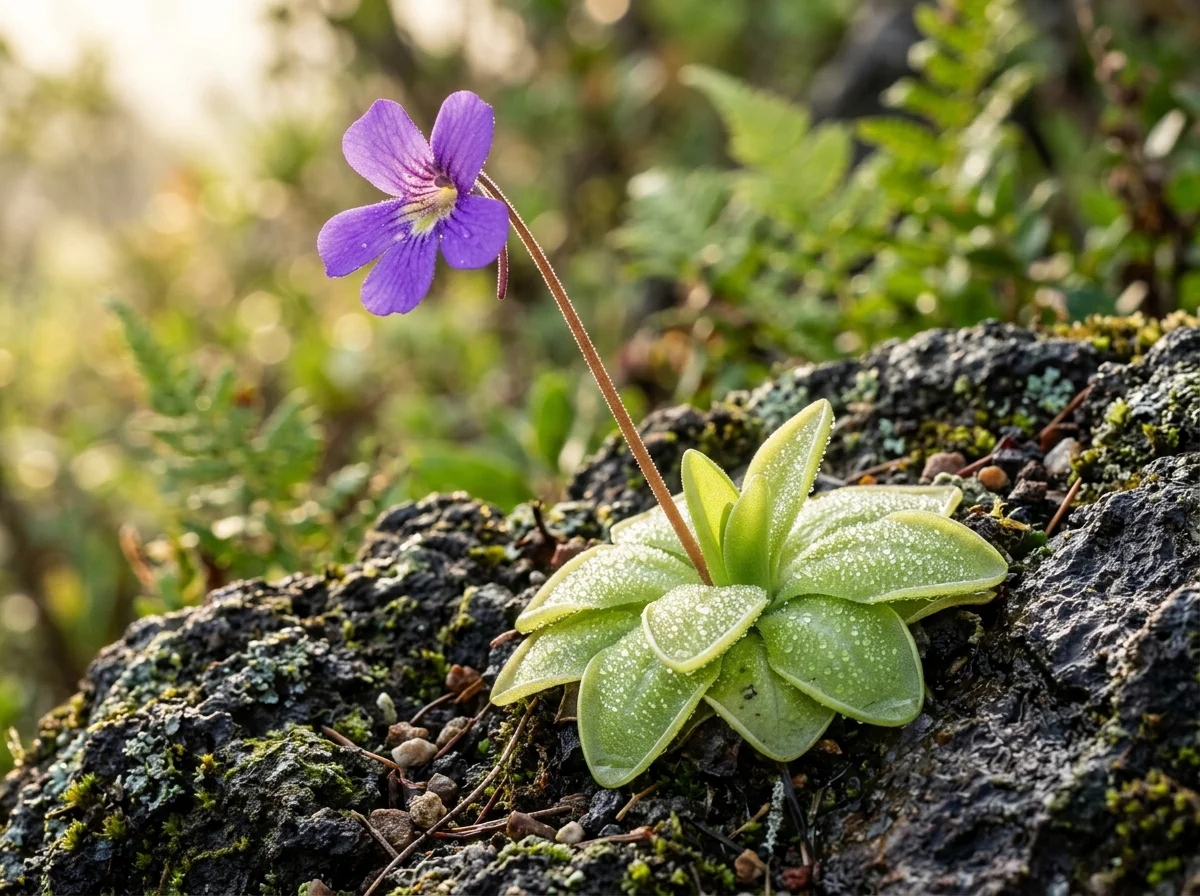
Meet the easiest sundew in the Cape sundew care guide, compare other sticky-leaved plants such as Pinguicula moranensis and Byblis, plan an enclosure with the carnivorous plant terrarium build guide, and browse every group on the carnivorous plants hub.
Frequently Asked Questions
Direct answers to the most common grower inquiries.
Are sundews hard to keep alive?▼
Not the easy ones. Cape sundew is as forgiving as any carnivorous plant and is the usual first sundew. Most losses come from three things: tap water or bottled mineral water, too little light, and a tray allowed to dry out. Sundews with a winter dormancy, such as temperate species, also need to be given their cold rest.
How do I care for a sundew?▼
Give it very bright light, water it only with RO, distilled or rain water, and grow it in an unfertilized peat and sand or perlite mix. Cape sundew stands in a constant 1-2 cm tray of pure water. Let it catch its own insects or feed a leaf or two sparingly, and never fertilize the soil or the tray. Check whether your sundew needs a winter rest, because this depends on the type.
How much light do sundew plants need?▼
A lot. Outdoors that means full sun; indoors, a bright south or east window or a strong grow light. Cape sundew does best at about 150-250 PPFD for 12-16 hours a day, which turns the tentacles red and produces plenty of dew. Weak light gives green, floppy leaves with little dew.
Should Drosera sit in water?▼
Many do. Cape sundew tolerates constant wetness and does best standing in 1-2 cm of RO, distilled or rain water that is never allowed to run dry. Do not assume every sundew is the same: temperate sundews have a drier dormancy and tuberous sundews rest in the opposite season, so check the needs of your type. Always use low-mineral water.
Do sundews need deep pots?▼
Most beginner sundews do not need anything special. Our Cape sundew guide uses a small pot with drainage standing in a shallow tray. Larger or deeper-rooted species may appreciate more depth, so check the species. The key points are a free-draining pot, a nutrient-poor mix and pure water.
How do you feed a sundew?▼
A sundew in a room with fungus gnats or fruit flies usually feeds itself. If prey is scarce, rehydrate a few dried bloodworms in a drop of RO water and place a small piece on one or two leaves, no more than once every week or two. Use pieces smaller than the leaf, and never put food or fertilizer on the substrate or in the tray.
Should I cut the flowers off my sundew plant?▼
It is optional. Flowering uses some of the plant's energy, so cutting stalks at the base can keep growth strong. Cape sundew also sets huge amounts of fine seed and can self-seed, so cut stalks before the seed ripens unless you want seedlings. Leave the stalk if you want flowers or seed.
What are the main types of sundew?▼
By winter pattern: subtropical sundews such as Cape sundew grow year-round with no dormancy; temperate sundews such as Drosera rotundifolia and D. filiformis need a cold winter rest and contract into a tight winter bud; pygmy sundews and tuberous sundews are specialist Australian groups with their own seasonal cycles. Identify your plant before choosing a winter routine.
Why is my sundew not sticky?▼
The usual causes are low light, a dry tray, mineral build-up from tap water, heat, or low humidity with strong airflow. Raise the light, keep pure water in the tray and flush the pot with RO or distilled water. Dew often returns on new leaves within days. Our sundew not sticky guide gives a full diagnosis.
Do sundews need winter dormancy?▼
It depends on the type. Cape sundew needs none and grows all year. Temperate sundews such as Drosera rotundifolia and D. filiformis need a cold, short-day winter of about three to four months and contract into a tight winter bud that can look dead. Do not throw a dormant bud away.
Can I use tap water on a sundew?▼
No. Dissolved minerals in tap water build up in the peat as water evaporates, burning the roots and tentacle tips and drying up the dew. Use RO, distilled or rain water under 50 ppm TDS, ideally under 20 ppm, and check it with a TDS pen or the carnivorous water TDS calculator.
Do sundews catch fungus gnats?▼
Yes, adult gnats and fruit flies stick to the dew, which makes sundews useful living flypaper. They do not kill the larvae in the soil of other houseplants, so combine them with other controls as described in our carnivorous plants for fungus gnats guide.
Next Best Actions & Diagnostic Tools
Academic & Botanical Sources
- Carnivorous Plant Cultivation: Sundews ()Access Source →
- Drosera capensis: Cape Sundew ()Access Source →
- Plant Finder: Drosera capensis ()Access Source →