Indoor Plants for Sleep and Mental Health: What the Research Shows
What does research actually say about indoor plants, sleep, stress, and mental wellbeing? We examine the evidence and separate plausible benefits from claims that are often overstated.

Quick Answer
Indoor plants may support wellbeing through visual contact with nature, enjoyable plant care, stress reduction, and modest environmental effects such as localized humidity changes. They should be viewed as a complementary part of a comfortable environment rather than a treatment for sleep or mental-health conditions.
Key Takeaways
- Use indoor plants as part of a relaxing and visually restorative environment.
- Choose bedroom plants according to light, fragrance tolerance, care needs, and pet safety.
- Do not rely on ordinary houseplants as a primary solution for indoor air pollution or poor ventilation.
- There is no established number of plants required to produce a mental-health benefit.
- Treat houseplants as a complementary wellness habit rather than a treatment for sleep or mental-health conditions.
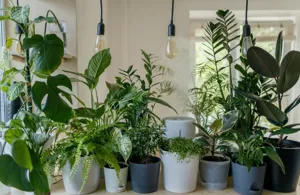
The idea that indoor plants improve mood and sleep has circulated for years, but the evidence is more nuanced than many wellness articles suggest. Research on plants and wellbeing points to several plausible and measurable benefits, particularly around stress reduction, visual connection with nature, and the restorative experience of caring for living plants. Other claims, especially those involving bedroom air purification or dramatic changes in sleep quality, require more caution.
This distinction matters. A plant can make a bedroom or home office feel calmer and more connected to nature without being a medical treatment or an air-cleaning device. The most useful approach is to focus on the benefits that have reasonable evidence behind them while avoiding exaggerated promises.
The Science Behind Plants and Mental Wellbeing
Do indoor plants actually reduce stress and anxiety?
There is evidence that interacting with plants and viewing living greenery can reduce physiological and subjective measures associated with stress. Studies in environmental psychology and horticultural therapy have reported changes in measures such as heart rate, blood pressure, cortisol, and self-reported stress after exposure to plants or natural elements. The size and consistency of the effect vary between studies, so it is more accurate to describe indoor plants as a potentially supportive part of a calming environment rather than a standalone treatment for anxiety or depression.
The type of exposure may matter as well. Looking at living foliage, caring for a plant, and spending time in a greener environment can provide different forms of sensory and psychological engagement. Artificial plants may provide visual decoration, but they do not provide the same interaction with a living organism.
Can plants in the bedroom actually improve sleep quality?
There is a reasonable case for using plants to create a more comfortable and relaxing bedroom, but direct evidence that ordinary houseplants substantially improve sleep quality is more limited. One potential benefit is humidity. Heating and air conditioning can make indoor air dry, while transpiring plants release water vapor into their immediate surroundings. The effect depends on plant size, number, watering, ventilation, room volume, and existing humidity, so a few houseplants should not be expected to transform the humidity of an entire bedroom.
Fragrant plants such as Lavender and Jasmine are sometimes discussed in connection with sleep because their aromas may influence relaxation and sleep-related measures. However, evidence from studies of lavender aroma or essential oils should not automatically be interpreted as proof that keeping a living lavender plant beside the bed will produce the same effect. If fragrance is strong enough to cause irritation or discomfort, the potential benefit is outweighed by the disturbance.
Is there any evidence that plants in an office improve mental performance?
Research on plants in workplaces has reported improvements in aspects of wellbeing, satisfaction, and perceived productivity in some office settings. One frequently cited University of Exeter study found positive effects after plants were introduced into previously sparse office environments. Results from individual studies should not be treated as a guarantee that adding plants will increase productivity for every person or workplace, but they support the broader idea that visible greenery can contribute to a more pleasant working environment.
This fits with the broader concept of biophilic design: people often respond positively to visual and sensory connections with natural elements. In practical terms, placing greenery where it is naturally visible during the day may be more useful than filling a room with plants that remain outside the normal visual field.
Best Plants for Sleep and Mental Health
| Plant | Potential Benefit | Bedroom Suitable? | Light Requirement | Care Difficulty |
|---|---|---|---|---|
| Lavender (Lavandula) | Fragrance, calming environment | Yes — needs strong light | Bright direct | Medium |
| Snake Plant (Sansevieria) | Low-light tolerance, easy care | Yes — adaptable | Low to medium | Very easy |
| Peace Lily (Spathiphyllum) | Visual greenery, transpiration | Yes — with appropriate care | Low to medium | Easy |
| Jasmine (Jasminum polyanthum) | Fragrance, calming environment | Yes — near a bright window | Bright indirect | Medium |
| Spider Plant (Chlorophytum) | Easy care, visual greenery | Yes — generally adaptable | Low to bright indirect | Very easy |
These plants should be viewed as practical choices for creating a comfortable, green living space rather than as proven treatments for sleep or mental-health conditions. Light, watering needs, fragrance sensitivity, allergies, and pet safety should all be considered before choosing a bedroom plant.
Placement and Setup for Maximum Benefit
Where in the bedroom should wellness plants be placed?
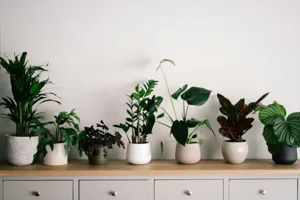
For visual wellbeing, place plants where you naturally see them during your normal routine rather than hiding them in a corner. A plant on a dresser, shelf, windowsill, or nearby table can provide a visible connection with greenery without taking over the room.
Fragrant plants such as Lavender or Jasmine should be positioned according to personal tolerance. There is no need to place a strongly scented plant immediately beside your bed, and people who are sensitive to fragrance may prefer non-fragrant foliage plants instead. For humidity, a small group of healthy plants can contribute some moisture through transpiration, but good ventilation and an appropriate room humidity level remain more important than relying on plants alone.
Avoid overcrowding a poorly ventilated bedroom with wet pots and dense foliage. Persistently damp soil and poor airflow can encourage fungal problems, pests, and unpleasant odors. The goal is a comfortable living environment, not maximum plant density.
How many plants do you actually need to see mental health benefits?
There is no scientifically established number of houseplants required to produce a mental-health benefit. Even one well-placed plant may provide visual enjoyment and a small opportunity for routine plant care. What matters more is whether the plant fits naturally into your environment and whether interacting with it is genuinely enjoyable rather than another source of work.
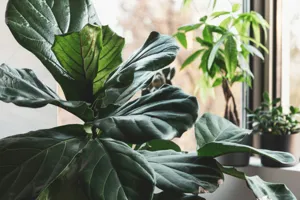
A single large-leafed Monstera, Peace Lily, or other attractive foliage plant in a home office or bedroom may therefore be more useful to you than a crowded collection that receives little attention. Choose a number of plants that you can maintain comfortably and that gives you regular visual access to living greenery.
What is the most commonly misunderstood claim about plants and air quality?
The idea that ordinary houseplants can substantially purify the air in a typical home is often overstated. The NASA Clean Air Study and related laboratory experiments demonstrated that plants can remove certain pollutants under controlled conditions, but sealed-chamber experiments do not directly represent the air exchange, ventilation, furniture, pollutant sources, and plant densities found in normal homes.
For everyday indoor air quality, ventilation, source control, filtration, and humidity management are generally more important than adding a large number of houseplants. Plants can still contribute to a pleasant indoor environment, but they should not be treated as a replacement for adequate ventilation or an appropriate air purifier where one is needed.
Plants Can Support a Wellness Routine — But They Are Not Treatment
Indoor plants can be part of a relaxing home environment and may support wellbeing through visual contact with nature, enjoyable plant care, and modest environmental effects such as localized transpiration. The evidence does not justify treating a particular houseplant as a cure for insomnia, anxiety, depression, or other health conditions.
If poor sleep, persistent anxiety, depression, breathing problems, or another health concern is affecting daily life, address the underlying issue directly rather than relying on plants. Houseplants work best as a complementary part of a comfortable environment and a healthy daily routine.
Recommended next actions
Next Best Actions
Move from reading to action with related calculators, plant profiles, and quiz-based recommendations.
Calculator
Plant Light Calculator: Find the Best Window for Your Plant
Determine the ideal indoor light placement for your plant based on species, window direction, and seasonal light availability.
Guide
Yellow Houseplant Leaves: Diagnose & Fix Guide 2026
After diagnosing hundreds of yellow-leaf cases across dozens of plant species, we've mapped the ten distinct causes that look nearly identical at first glance — and built the only systematic guide that tells you not just what's wrong, but exactly how to confirm it and fix it.
Frequently Asked Questions
Which indoor plants are best for improving sleep?
Do indoor plants help with anxiety and depression?
Can plants improve air quality in my bedroom?
Are peace lilies good for the bedroom?
Should I have plants in my bedroom or living room for mental health?
Explore More