How to Care for a Croton Plant Indoors: Vibrant Leaves & No Leaf Drop
Codiaeum variegatum
After growing over 150 Croton specimens in UK and North American homes—where winter light is poor and radiators run full blast—over 10 years, we've mastered the exact light and stability tricks that keep leaves brilliantly colored and firmly attached.
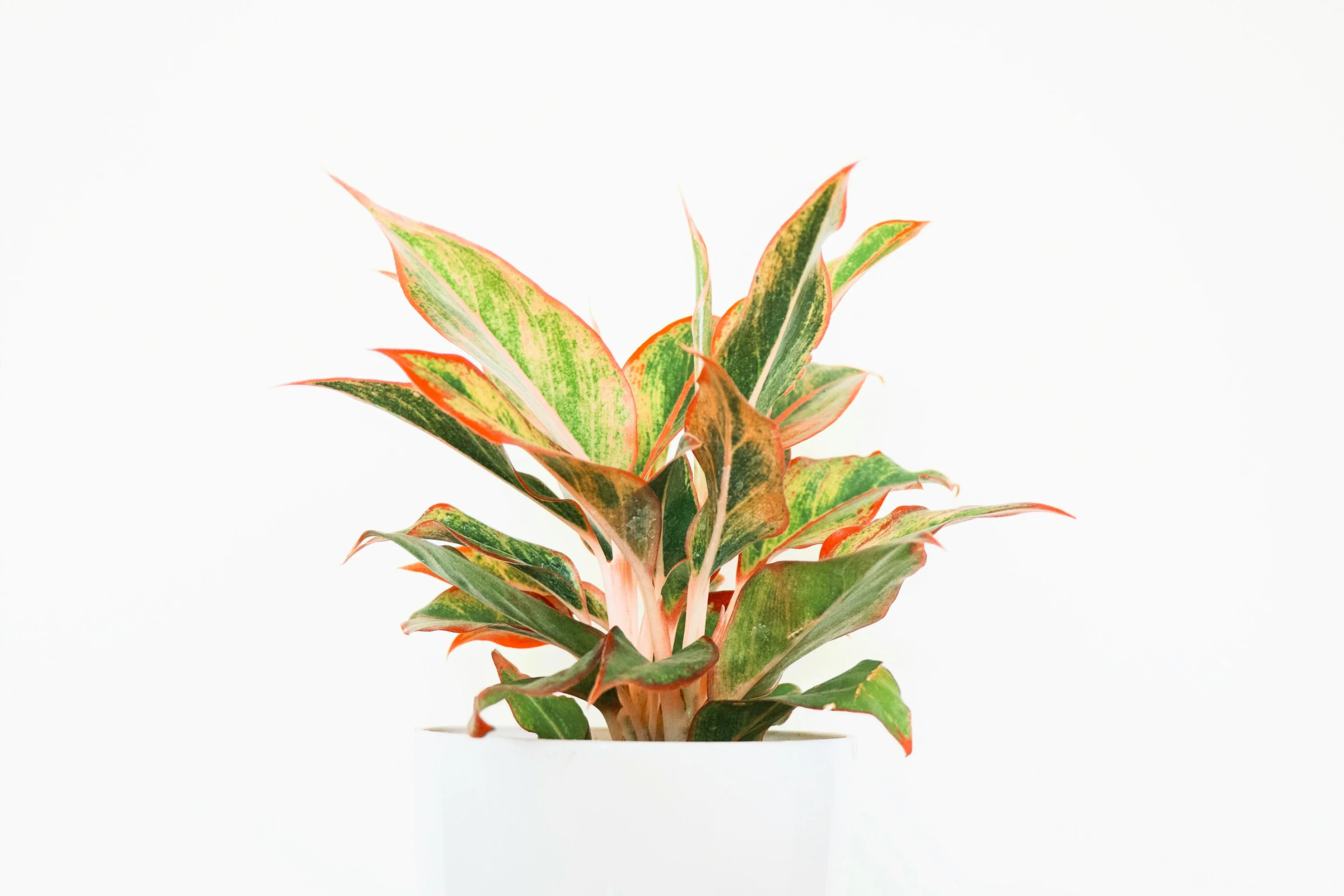
-
Light
Needs bright light, even some direct morning sun, to develop and maintain the rich red, orange, and yellow leaf pigments. Low light causes leaves to turn solid green and drop.
-
Temperature
20°C to 27°C (68°F to 80°F)
Growth
moderate
pH Range
5.5 to 6.5
-
Biggest Owner Mistake
Moving it to a new location—crotons are extremely sensitive to environmental change and respond by shedding all their leaves as a stress response, sometimes within 48 hours. Choose the brightest available spot and commit to it from day one.
-
What Nobody Tells You
The vivid reds, oranges, and yellows only appear when the plant receives intense bright light—in low light, new leaves emerge solid green because the plant doesn't produce the pigments it doesn't need. Existing colorful leaves won't change back once green.
-
Real Home Conditions
In dry indoor air, spider mites establish themselves on the undersides of leaves within weeks, feeding on the plant's moisture-rich tissues. Frequent leaf wiping with a damp cloth is more effective than any spray for long-term prevention.
Quick Answer
Place in bright light, including some direct morning sun, to maintain vibrant leaf color. Keep soil evenly moist and humidity above 60%. Avoid cold drafts and moving the plant; sudden leaf drop is common but recoverable. Toxic to pets, sap can irritate skin.
Light
Brightness is the key to Croton color. The vivid yellow, orange, and red pigments are carotenoids and anthocyanins that develop in response to high light intensity. Without enough light, new leaves emerge green and stay that way, while the plant diverts energy into stretching its stems. Place your Croton in a south or west-facing window where it receives several hours of direct morning or late afternoon sun. A sheer curtain can diffuse the harshest midday rays in summer. In a dim Northern European winter, the plant will almost certainly lose some lower leaves as light levels fall—this is the plant shedding inefficient solar panels. A full-spectrum grow light positioned 30 cm above the foliage for 10 hours a day can keep color alive and prevent leaf drop. Do not move the Croton once you've found a spot it likes; they are notoriously sensitive to relocation and will drop leaves from the shock of a changed light angle or intensity.
Temperature
Crotons demand steady warmth: 20°C to 27°C (68°F–80°F) is ideal. They will protest at anything below 15°C (60°F) by dropping leaves. The most common killer is a cold windowsill draft. Even on double-glazed windows, temperatures can drop sharply at night. Place the pot 15–20 cm back from the glass in winter or use a thermal curtain as a barrier after dark. Equally damaging is the blast from a nearby radiator, which creates an ultra-dry hot zone that cooks the leaves and encourages spider mites. A consistent temperature, without sudden swings, is the only way to keep Croton leaves on the stems. Summer air conditioning also causes temperature shock; keep the plant out of the direct air stream.
Humidity
As a tropical lowland plant, Croton craves high humidity—60% to 80%. Indoor heating in winter can drop this to 30%. Low humidity causes leaf tips and edges to brown and crisp, and it also opens the door to spider mites, which are a Croton’s worst enemy. Use a humidifier in the room, set the pot on a large pebble tray, and group it with other plants to raise ambient moisture. Misting alone won’t suffice in a dry house, but it can help if done daily with tepid water, especially on the undersides of leaves where mites tend to congregate. A humid environment also reduces the shock from temperature fluctuations.
Watering
Water when the top 2 cm of the potting mix feels dry. Crotons like consistent moisture but hate wet feet. Use tepid, filtered water to avoid fluoride damage, which shows as brown leaf tips. Water thoroughly until it drains, then empty the saucer. During winter, reduce the frequency slightly to allow the top 3 cm to dry between waterings, matching the slower uptake. Underwatering causes leaf wilt and drop; overwatering causes root rot and the same leaf drop. The key is checking the soil with your finger each time. If the pot feels very light and leaves are drooping, water immediately. If the soil is damp and leaves are dropping, you’ve overwatered.
Soil
A well-draining, slightly acidic mix is essential. Combine 60% peat moss or coco coir, 20% perlite, and 20% coarse sand or fine orchid bark. This retains moisture without compacting, allowing air to reach the roots. Dense, heavy soil suffocates the roots and leads to rapid decline. When repotting, do not compress the soil; keep it light and fluffy.
Fertilizer
Feed every 4 weeks from March to August with a balanced liquid fertilizer (such as 10-10-10) diluted to half strength. Croton benefits from micronutrients like iron and magnesium to support color development, so choose a formula with trace elements. Stop feeding entirely in autumn and winter. Excess fertilizer salts in the soil will burn the leaf tips; flush the soil with plain water every 6-8 weeks to prevent buildup. Organic alternatives like compost tea work well but should be applied more frequently at quarter strength.
Propagation
Propagation is done by stem cuttings. In spring, cut a 10–15 cm length from a healthy tip with 3–4 leaves. Remove the bottom leaves, dip the cut end in rooting hormone, and insert into a pot of moist, equal parts perlite and peat. Cover with a clear plastic bag to maintain high humidity and keep in bright, indirect light. Roots should develop in 4–6 weeks. Croton sap is milky and can irritate skin, so wear gloves. Water propagation is less reliable for Crotons.
Repotting
Repot every 1–2 years in spring, just before the growing season. Signs include roots poking from drainage holes or the plant drying out too quickly. Choose a pot only 2–3 cm larger in diameter. After repotting, expect some leaf drop—this is normal. Keep the plant in the same location and maintain high humidity to minimize shock. For a detailed guide on reducing transplant stress, see our repotting shock rescue guide.
Toxicity
Codiaeum variegatum contains a toxic, milky sap that can cause skin irritation and is harmful if ingested. Keep it away from pets and children, and always wear gloves when pruning or handling broken stems. Wash your hands thoroughly after contact.
Common Problems
Mass leaf drop: Triggered by cold drafts, low light, or being moved. Stabilise conditions and wait; new leaves will appear. Green, lacklustre leaves: Insufficient light. Move gradually to a brighter spot. Brown crispy leaf edges: Low humidity or under-watering. Increase humidity and water more consistently. Fine webbing and stippled leaves: Spider mites. Mist regularly, apply neem oil, and raise humidity. Sticky residue on leaves: Scale insects or mealybugs. Dab with alcohol-soaked cotton. For the most common issue, read our guide on spider mite control.
Recommended next actions
Next Best Actions
Use calculators and guides to turn this plant profile into a practical care routine.
Calculator
Humidity Calculator
Assess your home's current humidity and get specific improvement recommendations for tropical houseplants like Calatheas, Orchids, and Ferns.
Plant Guide
Golden Pothos (Money Plant)
The ultimate beginner-friendly trailing vine. Valued for its air-purifying qualities, rapid growth, and ability to thrive in almost any indoor environment.
Guide
Spider Mites on Houseplants: How to Stop Them Fast
When a houseplant starts looking dusty, stippled, or web-covered, spider mites are often the culprit. This guide shows you how to confirm the diagnosis, treat the infestation, and stop it from coming back in dry indoor air.
Guide
Repotting Shock Rescue: How to Save a Wilting Plant
After rehabilitating stressed nursery stock and rescuing more than 1,500 cases of severe transplant collapse over 12 years, we have mapped the precise physiological timeline of repotting shock and the critical rescue steps required to prevent total hydraulic failure.
Guide
Fiddle Leaf Fig Care Guide: Growing Ficus Lyrata Indoors Without the Drama
After growing and recovering fiddle leaf figs across eight years — including plants that dropped half their leaves the week after purchase — we've identified the exact triggers behind leaf drop and the straightforward conditions that keep Ficus lyrata thriving long-term.
Calculator
Heat Stress Diagnosis Calculator
Diagnose plant heat stress risk from your temperature, humidity, sunlight exposure, and symptoms — then get specific watering, shade, and airflow actions.
Structured Plant Data
Plant Data Profile
Care values below are generated from the plant JSON fields so users and crawlers can read the structured plant profile directly on the page.
Growth Characteristics
Growth Rate
moderate
Mature Height
60-120 cm (2-4 ft) indoors
Mature Spread
45-60 cm (18-24 in)
Life Cycle
Perennial
Flowering Season
Insignificant small white flowers; rarely blooms indoors
Container Friendly
yes
Indoor Capable
yes
Environmental Parameters
| Parameter | Recommended | Survivable |
|---|---|---|
| Temperature | 20°C to 27°C (68°F to 80°F) | 13°C to 35°C (55°F to 95°F) |
| Humidity | 60% to 80% | 40% to 80% |
| Soil PH | 5.5 to 6.5 | 5.0 to 7.5 |
Lighting
Description
Needs bright light, even some direct morning sun, to develop and maintain the rich red, orange, and yellow leaf pigments. Low light causes leaves to turn solid green and drop.
Nutrients
Nitrogen Demand
moderate
Phosphate Demand
moderate
Potassium Demand
moderate
Micronutrient Notes
Iron and magnesium are important for color; use a micronutrient supplement or a fertilizer with trace elements.
Fertilizer Frequency
Every 4 weeks spring to summer with half-strength liquid fertilizer; none in autumn and winter.
Organic Options
Compost tea, seaweed extract, or a balanced organic granular feed.
Relationships
-
Spider Mites
Vulnerability | Strength 10
Crotons are spider mite magnets, especially in dry indoor air. Leaves show stippling and webbing; without treatment, plants decline rapidly.
-
Leaf Drop
Vulnerability | Strength 10
Sudden changes in temperature, light, or humidity trigger leaf abscission. Cold drafts, relocation, or underwatering cause massive leaf loss.
Popular Croton Varieties for Indoor Growers
| Variety | Key Feature | Size |
|---|---|---|
| Codiaeum 'Petra' | Classic broad yellow and red veins; most common and relatively easier | 60-100 cm tall |
| Codiaeum 'Mammy' | Narrow, twisted leaves with bright red and orange highlights; compact | 50-80 cm tall |
| Codiaeum 'Gold Dust' | Small, dark green leaves speckled with bright yellow spots; smaller habit | 40-60 cm tall |
Troubleshooting Guide
1 Sudden, massive leaf drop within days of purchase or moving
Cause: Environmental stress—cold draft, low light, or relocation shock. Croton leaves have an abscission layer that activates under sudden change.
Place in the brightest, warmest spot and avoid moving it. Maintain steady watering and humidity. Do not fertilize until new growth appears.
Glossary of Terms
- Carotenoid
- A class of yellow, orange, and red pigments found in plant leaves. In Crotons, they are revealed as chlorophyll breaks down in high light, producing the bright variegation.
- Abscission
- The natural process by which a plant sheds leaves, flowers, or fruits. In Crotons, cold or stress triggers a hormone (ethylene) that weakens the cell walls at the leaf base, causing leaf drop.