Aglaonema (Chinese Evergreen) Care Guide: Thriving in Low Light and Central Heating
After growing and propagating over 120 Aglaonema specimens across beginner and advanced cultivars in centrally heated homes and low-light interiors over the past 8 years, our team has mastered the precise balance of light, water, and humidity this plant demands — from the dry air of winter radiators to the overwatered pots of summer.
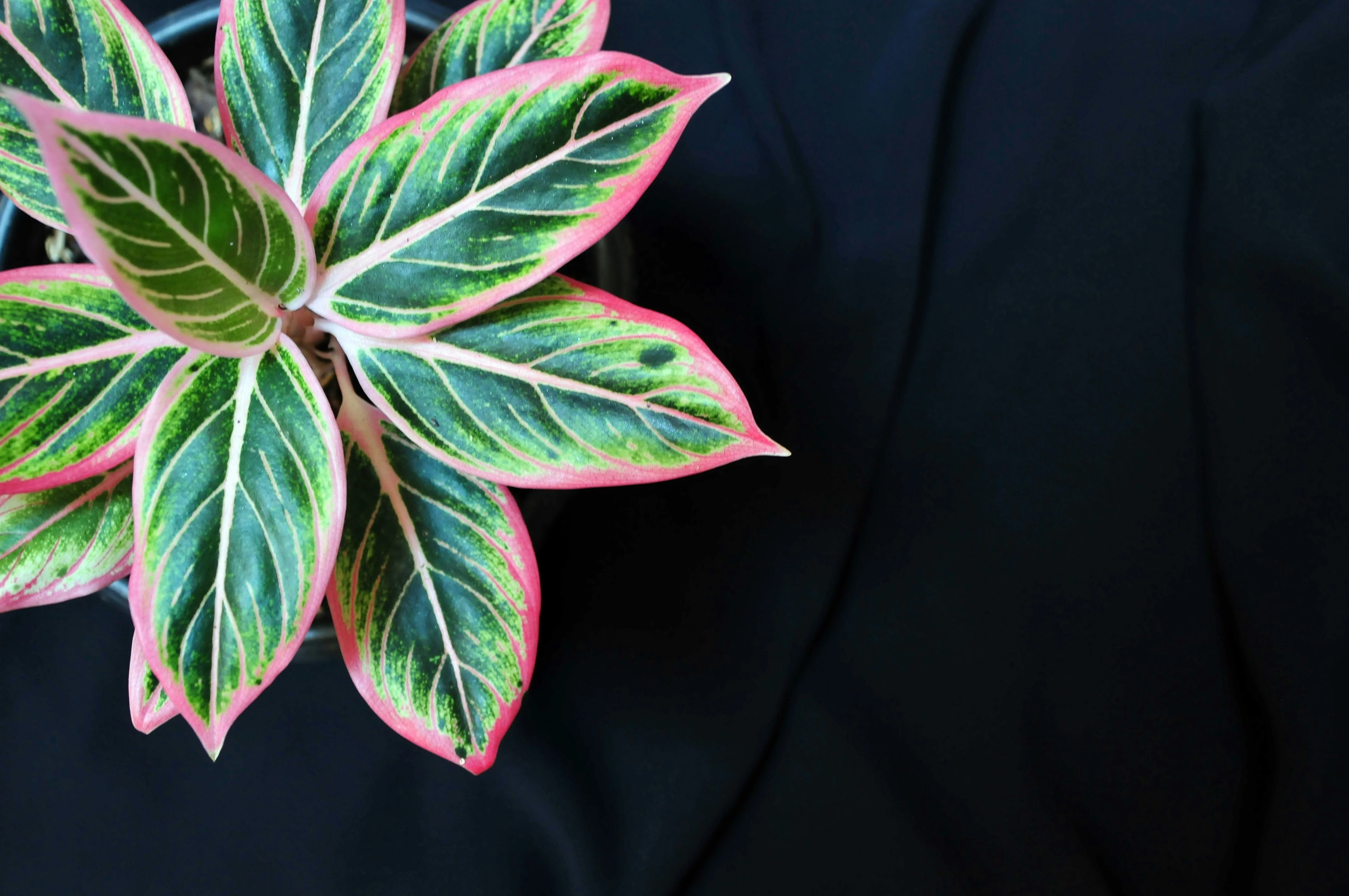
Aglaonema (Chinese Evergreen) thrives in low to moderate indirect light, needs watering every 10–21 days depending on the season, and requires a well-draining aroid mix. Keep it away from heating vents and cold windowsills to prevent brown tips. Feed at half strength every 4–6 weeks from spring through early autumn.
Key Cultivation Takeaways
- ✓Provide bright indirect light for the best variegated leaf colour.
- ✓Water when the top 1-2 inches of soil feel dry to the touch.
- ✓Tolerate lower light well, making it suited to dimmer indoor spaces.
- ✓Maintain warm temperatures and moderate humidity for the best overall growth.
Environmental Tolerance Matrix
Calibrated baseline thresholds for physiological stress prevention.
| TARGET PARAMETER | WARNING THRESHOLD | CRITICAL THRESHOLD |
|---|---|---|
| Ambient Temperature | 18°C–29°C (64°F–84°F) | 13°C–38°C (55°F–100°F) |
| Relative Humidity (RH) | 50%–70% RH | 30%–85% RH |
| Substrate pH & Root Aeration | 6.0–7.0 | 5.5–7.5 |
Biggest Owner Mistake
Overwatering because the large, lush leaves suggest a high-moisture tropical plant—but aglaonemas are drought-tolerant and store water in their thick stems. Letting the soil stay wet causes root rot that often goes unnoticed until entire stems soften and collapse. Wait until the top inch is dry before watering, and reduce further in winter.
What Nobody Tells You
They occasionally bloom indoors with a small peace-lily-like spathe—but unlike peace lilies, the flowers divert significant energy away from the colorful foliage that's actually the plant's appeal. Many experienced growers cut the flower off as soon as it appears.
Real Home Conditions
In low light, variegated varieties lose their reds, pinks, and creams and revert toward plain green as the plant maximizes chlorophyll over decorative pigments. They survive shade but genuinely look much better with bright indirect light.
Brown, dry margins creeping inward from leaf tips on otherwise green leaves
Diagnosis: Dry air from central heating or heating vents, creating a dehydration gradient in leaf margin cells that outpaces root-supplied moisture
Widespread yellowing of multiple leaves combined with soft, mushy stem base
Diagnosis: Root rot caused by overwatering in compacted or dense soil, most commonly in winter when low light reduces the plant's water uptake
White cottony masses clustered in leaf axils and along stem joints
Diagnosis: Mealybug infestation, accelerated by plant stress from dry centrally heated air which reduces the plant's natural pest resistance
Botanical Triage & Health Guides
Explore verified diagnostic guides for pests, pathogens, and physiological disorders.
Mealybugs colonise leaf axils and stem junctions; stress from dry centrally heated air lowers plant immunity and accelerates infestations
Highly susceptible in winter when low light reduces water uptake and heated indoor air slows soil evaporation; dense soil or oversized pots dramatically increase risk
Occur primarily in dry centrally heated rooms in winter; inspect leaf undersides regularly and increase humidity to deter them
Interactive Watering & Substrate Calculator
Calibrated hydrological and soil volume modeling for Chinese Evergreen.
Comprehensive Species Profile & Care Guide
You brought home an Aglaonema because everyone told you it was impossible to kill — and yet here you are, staring at brown papery leaf edges creeping inward from the tips while the plant looks progressively sadder each week. This exact pattern plays out in homes across the US, UK, Canada, and Europe every winter, and the cause is almost never what growers assume. This guide identifies the precise chain of events behind those brown edges, explains the mechanism behind each failure mode in Western indoor conditions, and gives you a seasonal care framework that works year-round.
Light Requirements
Chinese Evergreen is one of the few foliage plants that genuinely performs well in low to moderate indirect light — making it ideal for north-facing rooms, interior hallways, and office environments. The critical distinction every grower must understand is the difference between "low light" and "no light." Aglaonemas cannot sustain photosynthesis under purely artificial light alone or in windowless dark corners; they need ambient daylight or dedicated grow lighting for a minimum of 6 to 8 hours daily. Variegated cultivars with white, yellow, pink, or red leaf patterns — such as 'Red Anjamani' or 'Creta' — require brighter indirect light than the classic green-and-silver types; in true low-light conditions these revert toward green as the plant redirects energy toward survival-level photosynthesis. Avoid direct afternoon sun from south or west-facing glass — UV intensity will bleach leaf surfaces and cause permanent scorch damage.
Temperature and Heating Vents
Aglaonema's ideal temperature window is 18°C to 29°C (64°F to 84°F). The most consistent problem in Western homes is not outdoor cold — it is the microclimate created by central heating. Air flowing from a radiator or heating vent is warm but carries very low relative humidity (often 20–30%), creating a dry zone around any plant placed nearby. Leaf margins desiccate faster than the root system can compensate, producing the distinctive dry brown edges that are almost universally misdiagnosed as underwatering. Move the plant at least 60 cm from any radiator or heating vent. Cold winter windowsills present the opposite problem: even double-glazed glass can conduct outdoor cold, chilling the root zone below 13°C, which stops root function and causes yellowing and leaf drop. Keep the plant set back from the glass during winter.
Humidity
Aglaonema thrives at 50–70% relative humidity. A centrally heated home in winter often drops to 25–40% RH, causing progressive leaf-tip browning as plants lose moisture faster than their root systems can supply it. Use a humidity tray or a compact room humidifier during dry months. A pebble tray of water beneath the pot raises local humidity by 10–15% through evaporation at zero cost. Grouping multiple broadleaf tropicals together creates a shared transpiration microclimate that passively raises local humidity.
Watering
The most dangerous watering period is winter — not summer. In spring and summer, warmth and longer days mean soil dries relatively quickly and watering every 10–14 days is appropriate. In winter, low light dramatically reduces the plant's water uptake and heated indoor air slows soil evaporation less than you'd expect; the same pot that needed water every 12 days in June may now need 20 days in December. Always perform the finger-test before watering: insert a finger 3–4 cm into the soil and water only when completely dry at that depth. Water at the soil level — never into the rosette — as standing water in the growing tip creates a pathway for bacterial stem rot. If your tap water is heavily chlorinated or fluoridated, letting it stand overnight before use helps prevent progressive root tip damage.
Soil Composition and Drainage
The Aglaonema root system evolved in loose, humus-rich forest floor debris that drains almost instantly while retaining moisture around every root hair. Standard potting mix, once transferred into a closed container, compacts progressively as organic material breaks down, eliminating the air pockets roots need. Root rot follows a well-documented sequence: water fills pore spaces, creating anaerobic conditions; water-molds Pythium and Phytophthora proliferate and dissolve root cell walls; by the time above-ground symptoms appear, 40–60% of the root system is already non-functional. Use a blend of 40% coco coir, 30% perlite, and 30% compost. Water should flow freely from the drainage holes within seconds of application — if it pools on the surface, the soil is too dense.
Fertilizing Your Aglaonema
Feed with a balanced liquid fertiliser (NPK 20-20-20 or 10-10-10) diluted to half strength every 4–6 weeks from spring through early autumn. Half strength is critical: Aglaonema roots are sensitive to salt accumulation, and full-strength doses cause root tip burn that appears as sudden yellowing. Withhold fertiliser entirely through late autumn and winter. If you see a white crust on the soil surface, flush thoroughly with two to three times the pot volume of water to leach accumulated salts before resuming feeding.
Propagation Methods
Propagate through stem tip cuttings, basal stem division, or separation of rooted offsets that emerge alongside the mother plant. For stem cuttings, select a stem with 3–4 visible nodes, cut below the lowest node with a sterilized blade, remove lower leaves, and root in water or moist coco coir. In a warm room above 22°C, rooting occurs within 3–5 weeks. In cooler conditions the same process takes 6–8 weeks. Division is most efficiently done at repotting time — pull rooted offshoots apart carefully and pot individually in fresh aroid mix.
Repotting Guidelines
Repot every 2–3 years, or sooner when roots emerge from drainage holes or the plant wilts within a day or two of watering. Spring is the optimal window — plant reserves are at their seasonal peak and the growing season provides conditions for rapid root recovery. Choose a pot only 1–2 cm wider than the current one; excess soil holds moisture the roots cannot yet access and dramatically increases root rot risk. See our repotting shock rescue guide for a step-by-step process. Withhold fertiliser for 6–8 weeks after repotting.
Toxicity Information
Aglaonema is toxic to humans, cats, dogs, and other household animals. Every plant part contains calcium oxalate crystals — microscopic needle-shaped structures that embed into soft oral tissue on contact, causing immediate burning, swelling, and inflammation. In pets, ingestion triggers excessive drooling, pawing at the mouth, vomiting, and in severe cases throat swelling. Skin contact with sap can cause dermatitis in sensitive individuals. Keep well out of reach of children and pets; contact a veterinarian or poison control centre immediately if ingestion is suspected.
Common Problems and Solutions
Brown leaf-tip margins almost always trace back to dry air from heating vents or cold winter drafts — not underwatering. Increasing watering makes it worse. Yellow leaves with a soft or mushy stem base confirm root rot: unpot immediately, trim all dark soft roots to healthy white tissue, soak briefly in 3% hydrogen peroxide, and repot in fresh dry aroid mix. For mealybugs, isolate the plant immediately, treat colonies with 70% isopropyl alcohol on a cotton swab, then apply diluted neem oil (5 ml neem oil plus 2 ml dish soap per litre) to all leaf surfaces every 5 days for three full cycles.
Frequently Asked Questions
Direct answers to the most common grower inquiries.
How often should I water my Aglaonema?▼
Water your Aglaonema every 10–14 days in spring and summer and every 18–21 days in autumn and winter. Always check that the top 3–4 cm of soil is completely dry before <a href="/en-GB/topics/watering/" data-autolink="true" class="entity-link text-primary hover:underline" data-entity="topic:watering" data-entity-type="topic" data-confidence="0">watering</a> again. Overwatering in winter — when low light reduces the plant's water uptake significantly — is the leading cause of root rot in Western homes. In unheated rooms that drop below 15°C, reduce frequency to every 3–4 weeks.
Can Aglaonema survive in low light?▼
Yes, Aglaonema is one of the best low-light foliage plants for homes and offices with limited natural light. Classic green-and-silver cultivars like 'Silver Bay' and 'Maria' perform well in north-facing rooms with ambient daylight. However, deeply variegated or brightly coloured cultivars (red, pink, and yellow varieties) need slightly brighter indirect light to maintain their pigmentation — sustained low-light conditions will cause these to gradually revert toward green.
Why are the tips of my Aglaonema turning brown?▼
Brown leaf tips on Aglaonema are most commonly caused by dry air from central heating or air conditioning, not underwatering. Heated indoor air in winter can drop relative humidity to 25–35%, dehydrating leaf margins faster than the roots can compensate. Move your plant away from radiators and heating vents, and increase ambient humidity using a pebble tray or small humidifier. Do not increase <a href="/en-GB/topics/watering/" data-autolink="true" class="entity-link text-primary hover:underline" data-entity="topic:watering" data-entity-type="topic" data-confidence="0">watering</a> in response to brown tips — this typically worsens the problem.
Is Aglaonema toxic to cats and dogs?▼
Yes, Aglaonema is toxic to both cats and dogs. All parts of the plant contain calcium oxalate crystals — microscopic, needle-shaped structures that cause immediate oral pain, excessive drooling, vomiting, and difficulty swallowing if chewed or ingested. The sap can also cause skin and eye irritation in humans. Keep out of reach of pets and young children, and contact your vet immediately if your animal ingests any part of it.
What is the best soil mix for Aglaonema?▼
The best soil mix combines 40% coco coir, 30% perlite, and 30% compost. This blend drains quickly, preventing root suffocation, while retaining just enough moisture between waterings. Avoid standard heavy potting soil, which compacts in pots and creates the anaerobic conditions that trigger Pythium and Phytophthora root rot. A quality commercial aroid mix also works well.
How do I know when to repot my Aglaonema?▼
Repot when roots emerge from drainage holes, when the plant wilts rapidly after <a href="/en-GB/topics/watering/" data-autolink="true" class="entity-link text-primary hover:underline" data-entity="topic:watering" data-entity-type="topic" data-confidence="0">watering</a> despite moist soil, or after 2–3 years in the same pot. Spring is the ideal repotting window as the plant is entering active growth. Always move up by only 1–2 cm in pot diameter — oversized pots hold excess moisture and significantly increase root rot risk.
Can I keep Aglaonema outdoors?▼
Aglaonema can go outdoors in summer in a fully shaded, sheltered spot once nighttime temperatures reliably stay above 15°C. Bring it back indoors before the first autumn chill. Never place it in direct sunlight, which causes irreversible leaf scorch. It is not frost-hardy and must be kept indoors in autumn and winter in all temperate climates.
Why are my Aglaonema leaves turning yellow?▼
Yellow leaves most often signal overwatering, especially in winter when low light slows water uptake dramatically. Check the root zone — if soil is consistently wet and the stem base feels soft or mushy, root rot is likely. Less commonly, yellowing can indicate direct sunlight exposure, nitrogen deficiency, or natural senescence of lower leaves, which is a normal process.
How do I propagate Aglaonema at home?▼
Propagate through stem cuttings or by dividing rooted offsets during repotting. Select a healthy stem with at least 3–4 visible nodes, cut below a node with a sterilized blade, and root in a glass of water or moist coco coir. In warm conditions (above 22°C), rooting occurs within 3–5 weeks. In cooler rooms, the same process may take 6–8 weeks. Spring and early summer are the best times.
What is the most common pest on Aglaonema?▼
Mealybugs are the most common pest, particularly in centrally heated homes where dry air weakens plant immunity. They appear as white cottony masses in leaf axils and along stems. Treat by dabbing with a cotton swab dipped in 70% isopropyl alcohol, then follow with a neem oil spray every 5 days for three full cycles to break the reproductive cycle.