Botanical Topics & Plant Diagnostics
Evidence-based protocols on pest triage, relative humidity calibration, thermal stress, and root zone dynamics.
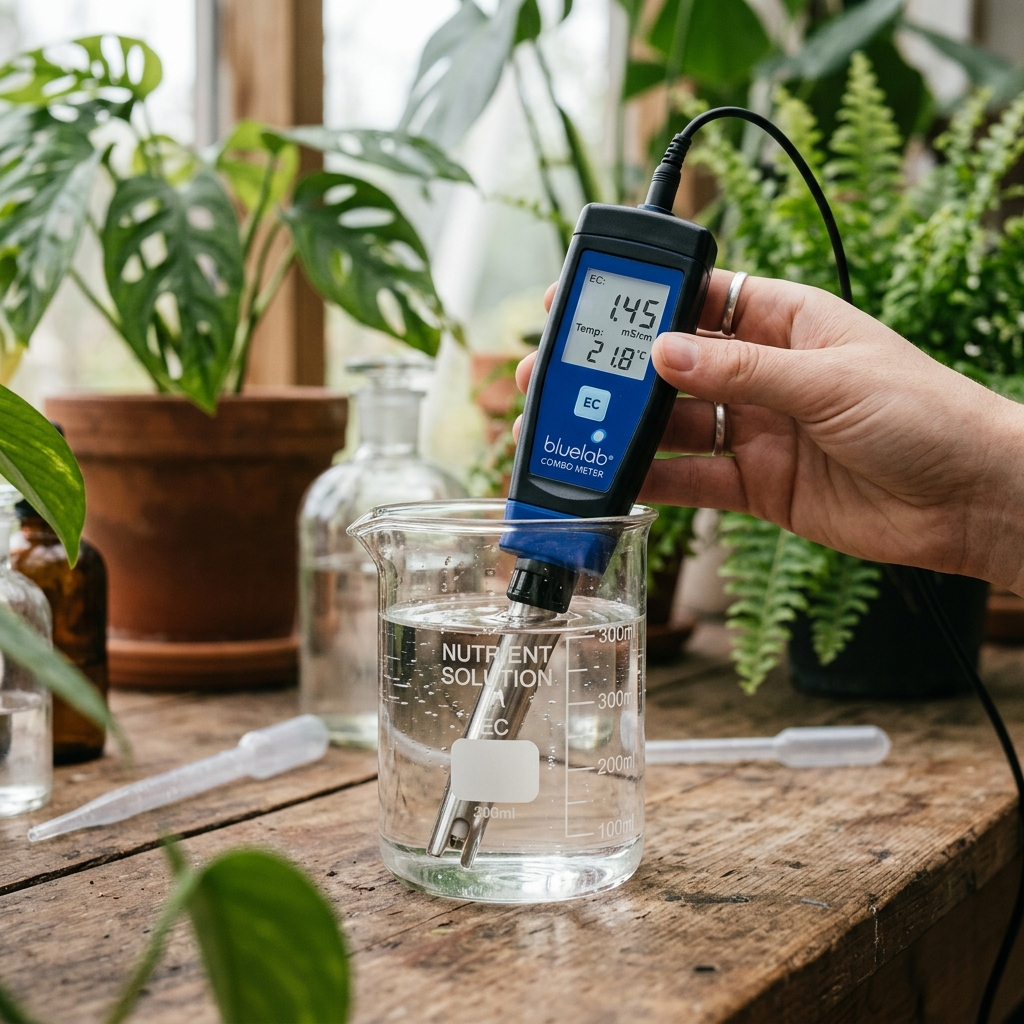
EC Meter Guide for Plants
An EC (Electrical Conductivity) meter is a handheld device that measures how well a liquid conducts electricity, which correlates directly with the concentration of dissolved fertiliser salts present. Because fertiliser salts break into charged ions in water, higher EC readings mean a stronger, more concentrated nutrient solution. For home growers, EC testing removes the guesswork from feeding schedules by providing an objective number to track over time. It complements pH testing, since both salt concentration and pH availability affect whether a plant can actually absorb the nutrients present in its soil.

Fertiliser
Fertiliser is a substance added to soil to supply essential nutrients for plant growth, based on the principle of nutrient cycling: as plants grow, they consume and deplete nutrients from the surrounding soil over time. Fertilisers replenish this supply, most importantly nitrogen, phosphorus, and potassium. Fertilisers come in organic and inorganic forms and can be applied as granules, liquids, or powders, each suited to different feeding schedules and plant needs. Regular, moderate application during active growth supports healthy development without overwhelming the plant's ability to use the nutrients.
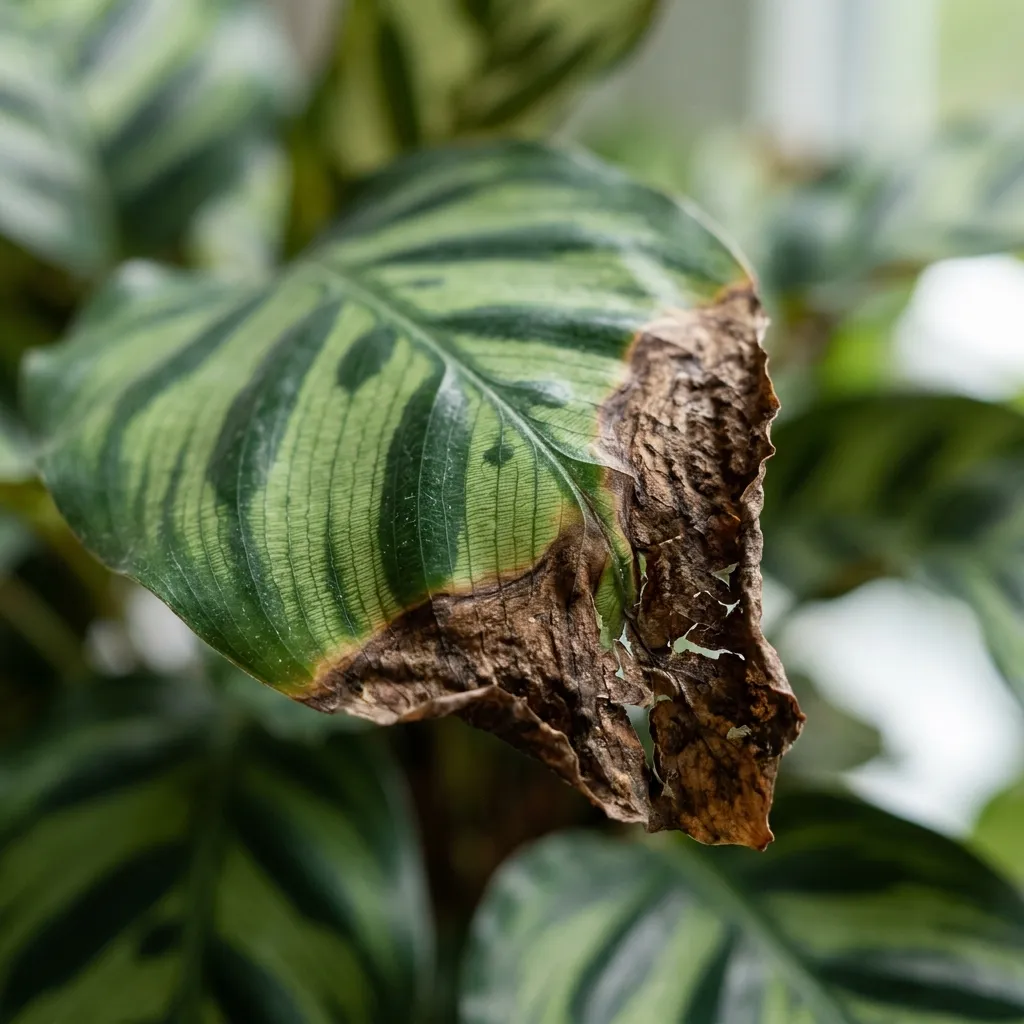
Fertiliser Burn: Symptoms and Treatment
Fertiliser burn is osmotic damage to plant roots and foliage caused by excessive fertiliser salts in the soil, which dehydrate roots and scorch leaf tissue even when the soil is wet.

Foliar Feeding for Houseplants
Foliar feeding leverages a plant's ability to absorb dissolved minerals directly through its leaves via microscopic pores called stomata. Bypassing the soil makes this method an invaluable tool when root damage, incorrect soil pH, or nutrient lockout prevents normal absorption. While it is perfect for delivering fast-acting micronutrients, foliar feeding should only be used as a targeted supplement rather than a complete replacement for root fertilisation. When applied correctly—heavily diluted and sprayed in the early morning—it can rapidly revive struggling houseplants without causing chemical leaf burn.
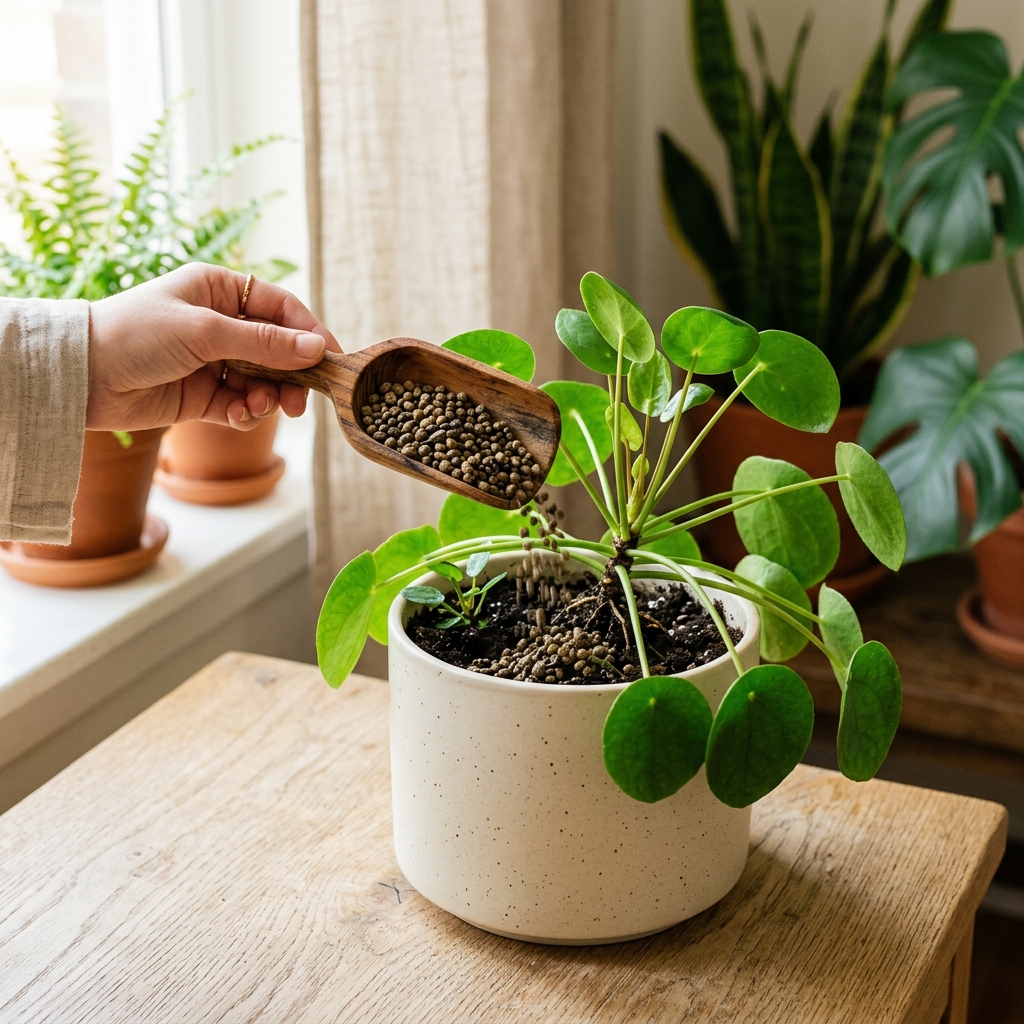
Granular Fertiliser for Plants
Granular slow-release fertiliser offers a low-maintenance feeding strategy that prevents the stressful "feast or famine" cycle often associated with liquid feeding. By delivering a steady trickle of nutrients every time the plant is watered, it supports consistent, long-term growth. While liquid fertilisers are excellent for rapid correction of deficiencies, granular formulas are ideal for large established houseplants, outdoor container gardens, and heavy-feeding trees. When applied correctly—mixed into the topsoil and kept away from the main stem—granular fertiliser is a safe and highly effective way to sustain plant health throughout the active growing season.
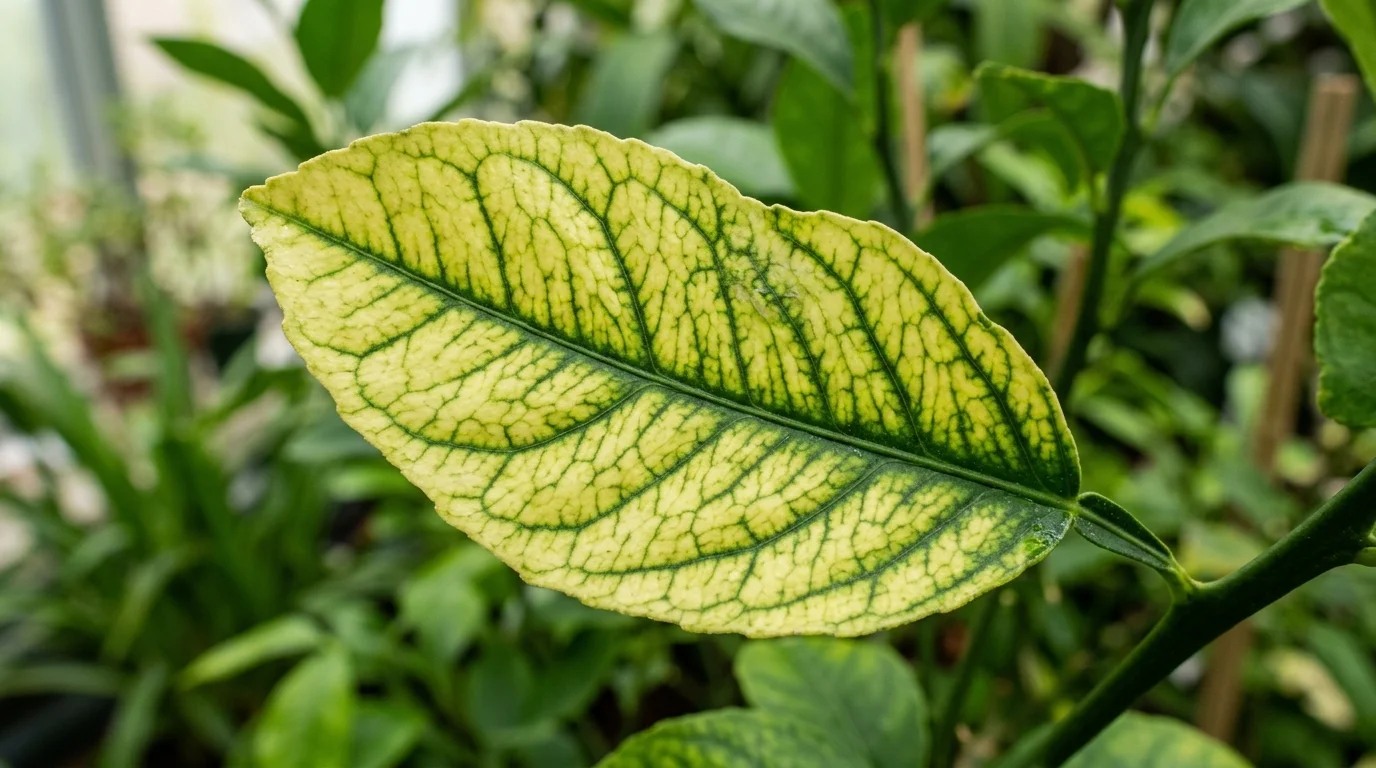
Iron Chlorosis in Plants
Iron chlorosis is a plant nutrient disorder characterized by yellowing of new leaves with dark green veins, typically caused by high soil pH or poor root uptake.

Liquid Fertiliser: Benefits, How to Use, Dosage, Pros & Cons
Liquid fertiliser is a water-soluble plant nutrient that delivers nitrogen, phosphorus, potassium, and micronutrients directly to plant roots or leaves for rapid absorption and fast growth. It is prized for its fast-acting nature and ease of precise dosing, making it a common choice for both houseplants and hydroponic systems that need consistent, readily available nutrition. This approach helps maintain optimal conditions and prevents common issues that can affect your plant's overall health and longevity over time.

Micronutrients for Plants
Micronutrients are essential mineral elements plants require in far smaller quantities than macronutrients like nitrogen or potassium, yet their absence triggers significant physiological problems that macronutrient supplementation cannot fix. These trace minerals include iron, manganese, zinc, copper, boron, and several others measured in parts per million. Soil pH is the primary factor controlling micronutrient availability; outside the optimal range, iron and manganese in particular form insoluble compounds that roots cannot absorb, even when the soil technically contains enough of the nutrient. This is why correcting pH is often the real fix for a suspected micronutrient deficiency.

NPK Explained for Plant Care
NPK is the universal shorthand for nitrogen, phosphorus, and potassium, the three macronutrients that most directly determine how a plant grows and responds to feeding. Every fertiliser label displays these as a ratio of three numbers representing the actual elemental composition of the product. Understanding what each element does is the foundation of rational fertiliser management: nitrogen builds chlorophyll and drives foliage, phosphorus supports roots and reproduction, and potassium regulates broader physiological processes. Selecting the right NPK ratio for a plant's current stage avoids both under- and over-fertilizing.

NPK Ratios Explained
NPK ratios are the three numbers on a fertiliser label representing the percentage by weight of Nitrogen (N), Phosphorus (P), and Potassium (K)—the three primary macronutrients essential for plant growth.
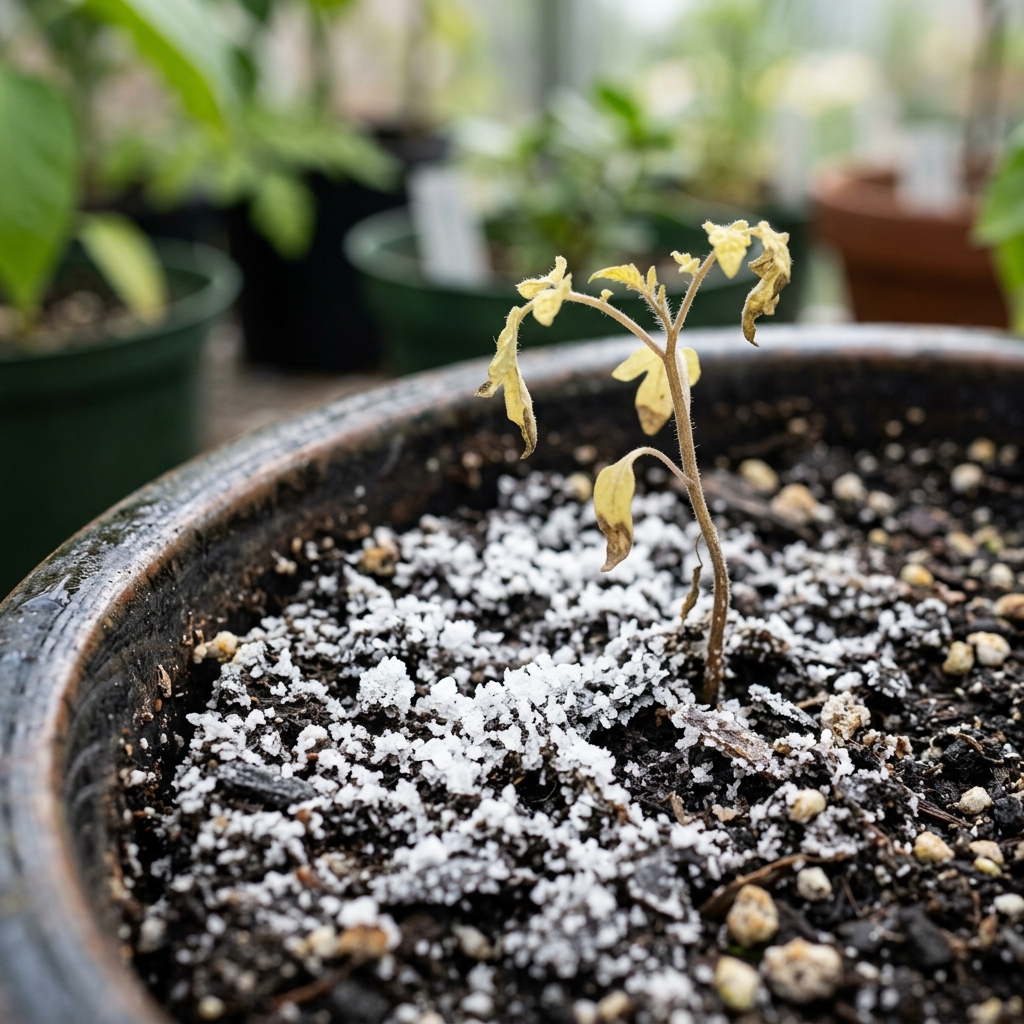
Nutrient Lockout in Plants: Causes, Diagnosis & How to Fix It
Nutrient lockout is a condition in which essential mineral nutrients are present in the growing medium but chemically or physically unavailable for plant uptake. It is most commonly caused by incorrect soil pH, excess salt accumulation from overfertilization, root damage, or compacted soil, and it produces symptoms that closely mimic true nutrient deficiency, making accurate diagnosis with a pH and EC meter essential before treating. This approach helps maintain optimal conditions and prevents common issues that can affect your plant's overall health and longevity over time.

Organic Fertiliser Guide
Organic fertiliser supplies plant nutrients through natural materials rather than industrially synthesized mineral salts, requiring soil bacteria and fungi to break down complex organic molecules before the nutrients become plant-available. This biological release process is slower than synthetic feeding but builds long-term soil health in the process. Because organic fertilisers feed the broader soil ecosystem rather than delivering an immediate nutrient spike, they carry a much lower risk of fertiliser burn and steadily improve water retention, aeration, and microbial activity over repeated use.
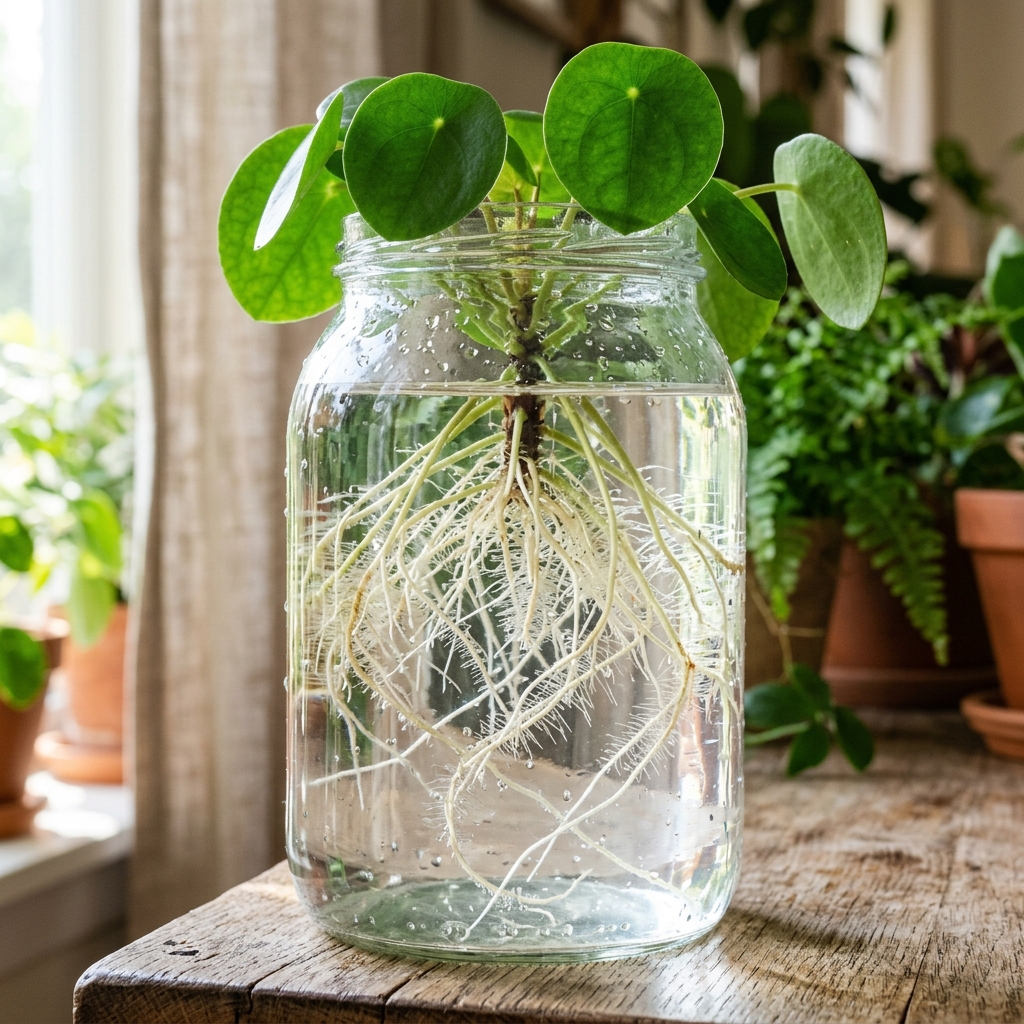
Osmotic Pressure in Plant Roots
Osmotic pressure is the natural force that controls the movement of water across root cell membranes based on differences in dissolved salt concentration between soil and root interior.
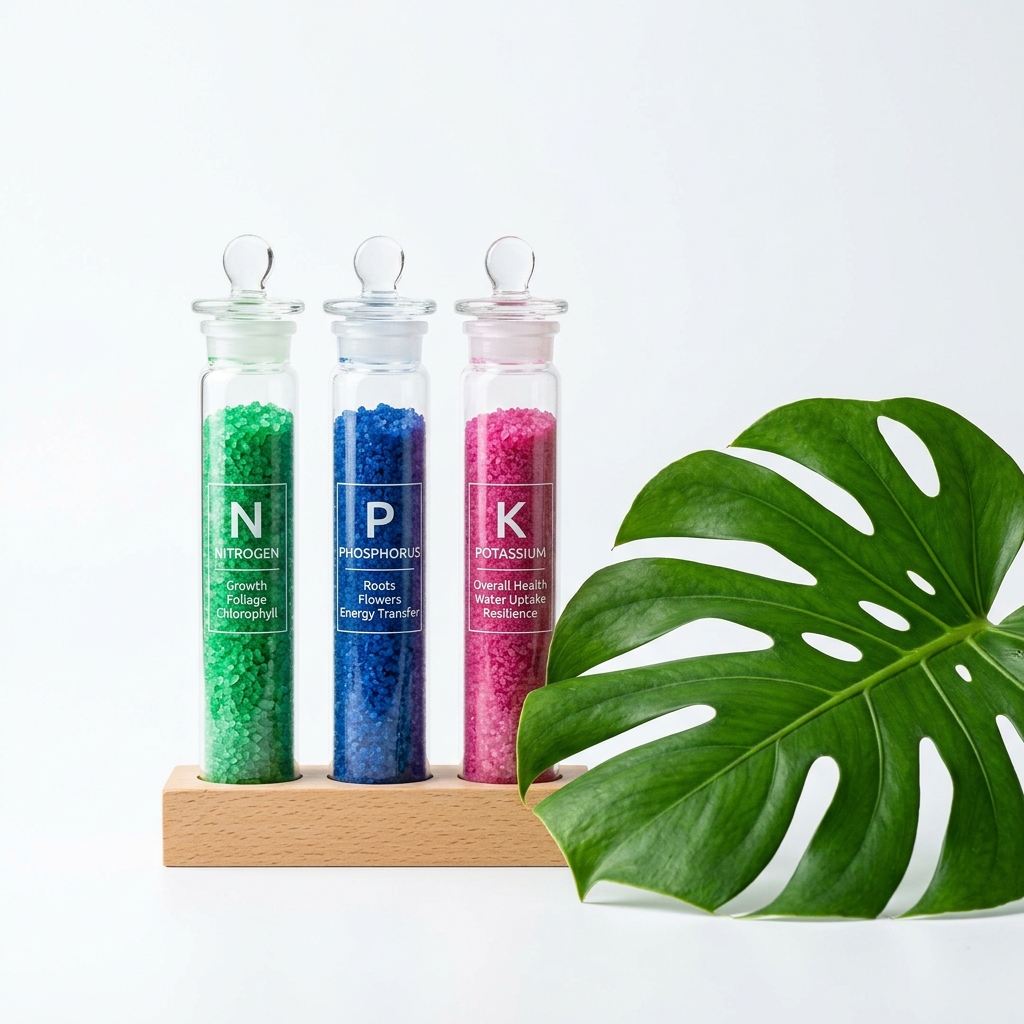
Plant Macronutrients Explained
Macronutrients are the mineral elements plants need in the largest quantities to support structural growth, photosynthesis, and reproduction. The primary macronutrients, nitrogen, phosphorus, and potassium, form the basis of virtually every commercial fertiliser and are collectively known as NPK. Beyond NPK, secondary macronutrients like calcium, magnesium, and sulphur are also required in significant amounts, though they're less commonly featured on fertiliser labels. Understanding what each macronutrient does helps growers diagnose deficiency symptoms and choose fertiliser formulas suited to a plant's current growth stage.
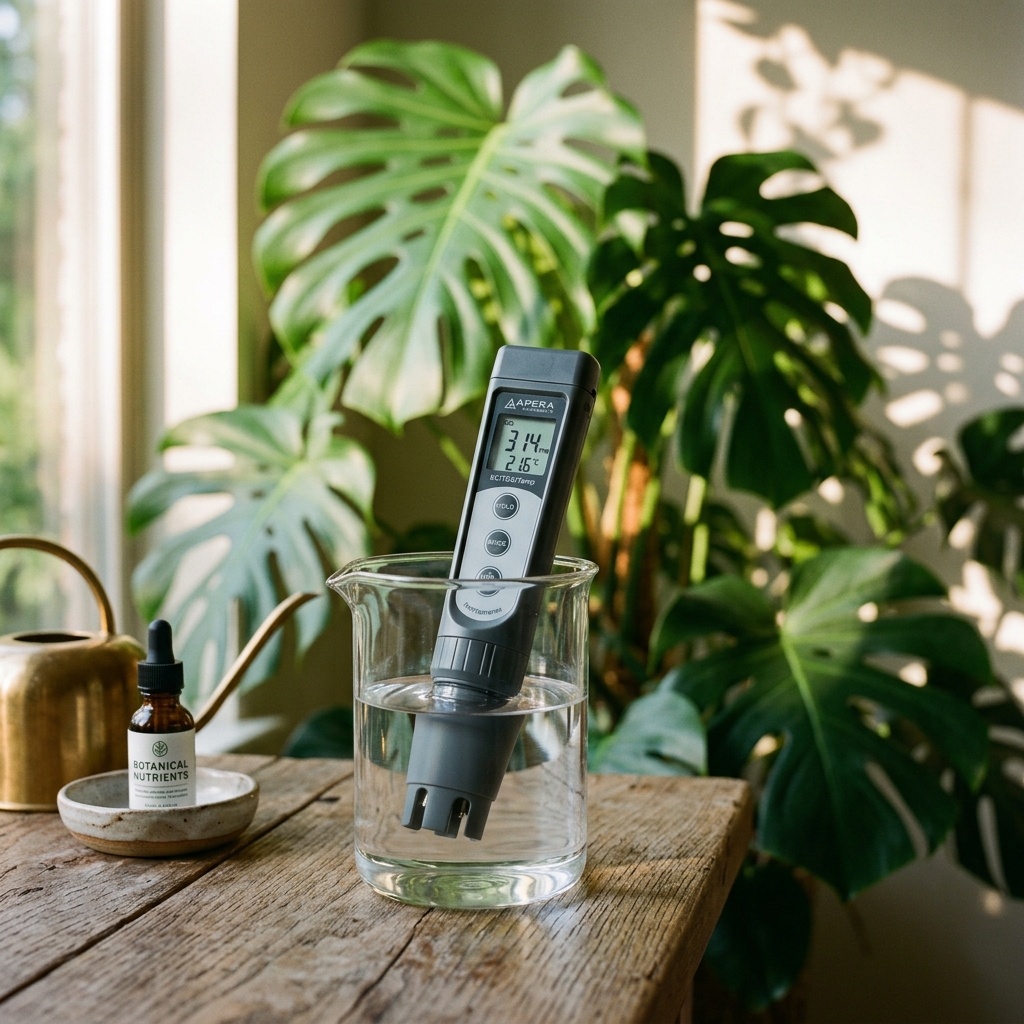
PPM Explained for Plant Feeding
PPM (Parts Per Million) is a unit of measurement that quantifies the concentration of dissolved nutrients, minerals, and salts in water, helping growers apply precise fertiliser doses.

Salt Buildup in Plants: Causes, Symptoms & How to Fix It
Salt buildup occurs when soluble salts from fertilisers, hard water, and soil amendments accumulate in the growing medium faster than they can be leached away. It raises soil EC, creates osmotic stress, and causes specific ion toxicities that damage roots and foliage. Common in container plants, indoor gardens, and arid climates, salt buildup is preventable through proper watering, periodic flushing, and regular EC monitoring. This approach helps maintain optimal conditions and prevents common issues that can affect your plant's overall health and longevity over time.
Slow Release Fertiliser: How It Works, Best Types & When to Use
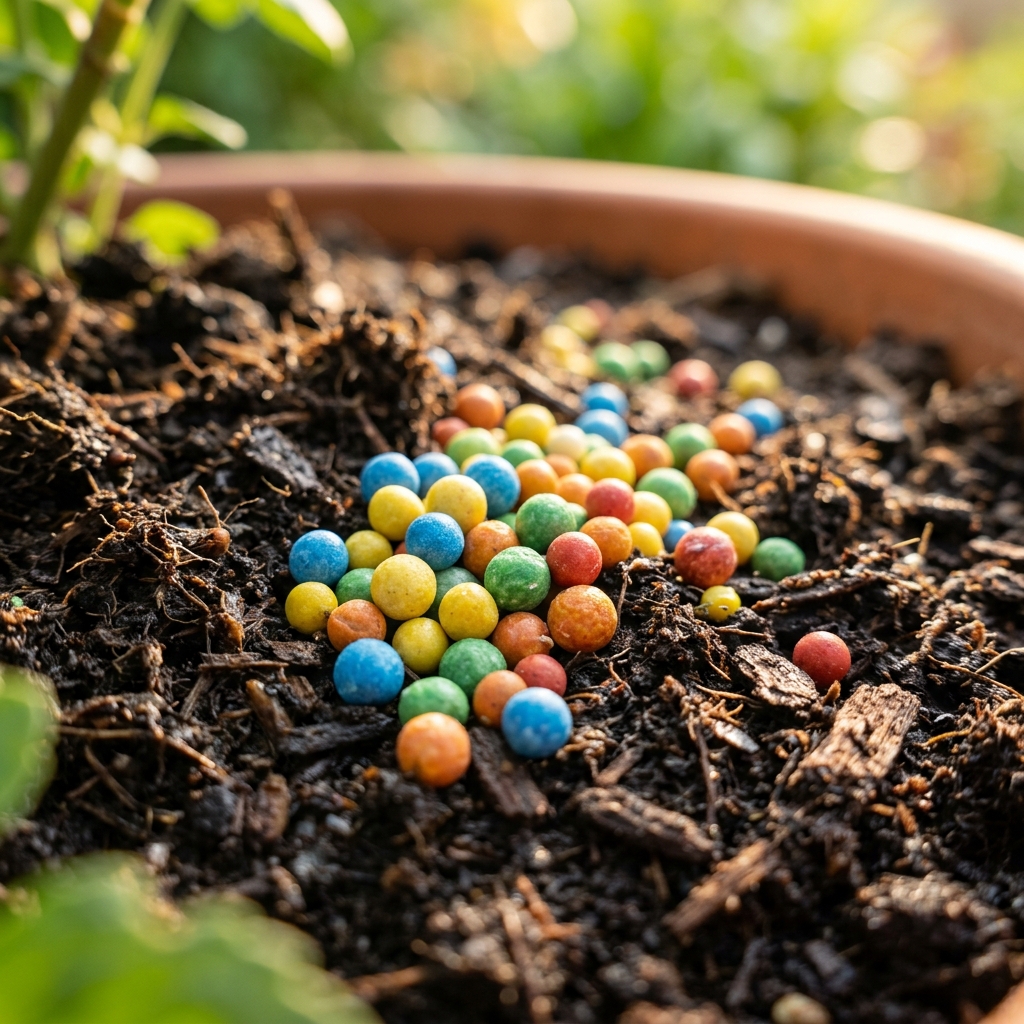
Slow-release fertiliser is a granular or coated fertiliser that releases nutrients gradually over several weeks or months through moisture, temperature, or microbial activity. It provides consistent feeding, reduces fertiliser burn, minimizes nutrient leaching, and is ideal for container plants, landscapes, trees, shrubs, and low-maintenance gardens that don't get feeding attention every week. This approach helps maintain optimal conditions and prevents common issues that can affect your plant's overall health and longevity over time.
TDS Meter Guide: PPM, EC Conversion & Safe Ranges for Plants
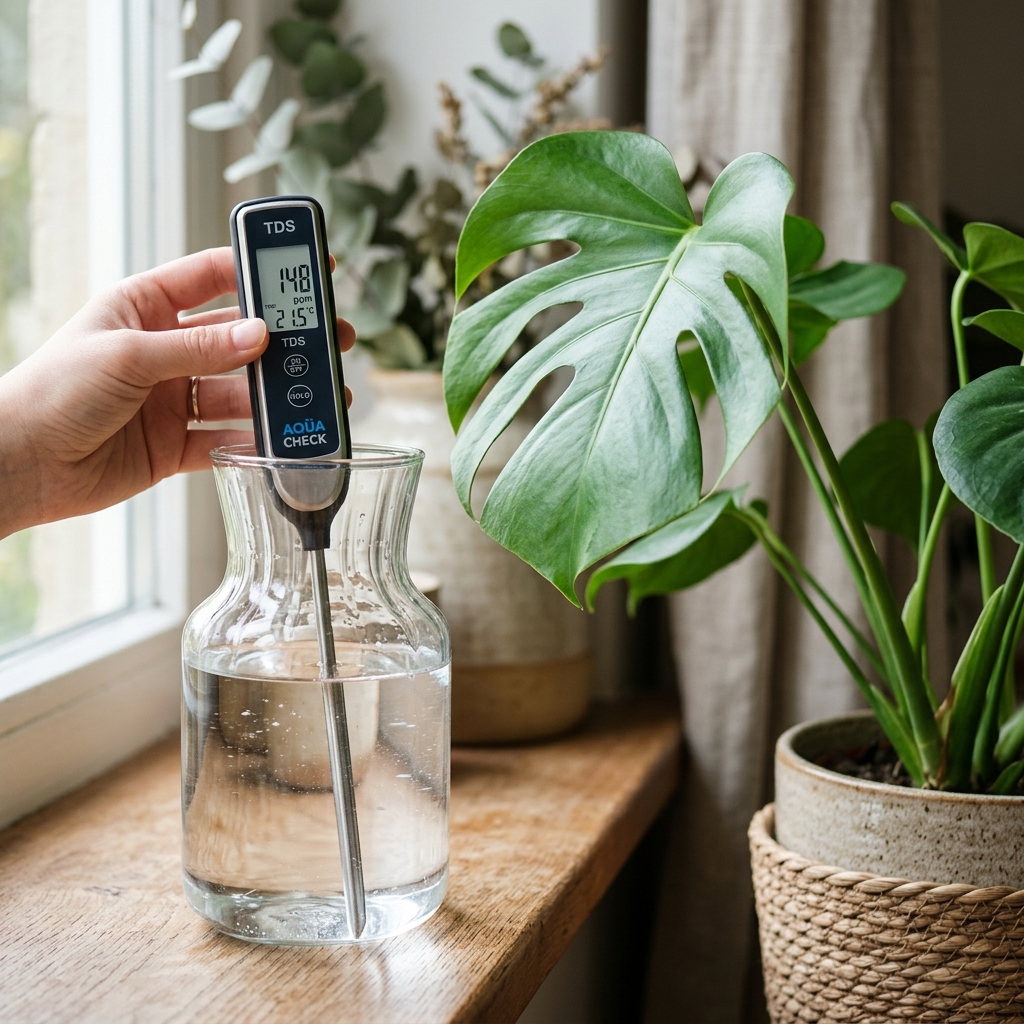
A TDS (Total Dissolved Solids) meter estimates the concentration of dissolved minerals, salts, and fertilisers in water by converting electrical conductivity (EC) into parts per million (ppm). It is an essential tool for hydroponic growers and container gardeners to mix nutrient solutions accurately, monitor feeding strength, and prevent fertiliser burn before it damages sensitive roots. This approach helps maintain optimal conditions and prevents common issues that can affect your plant's overall health and longevity over time.
Watering
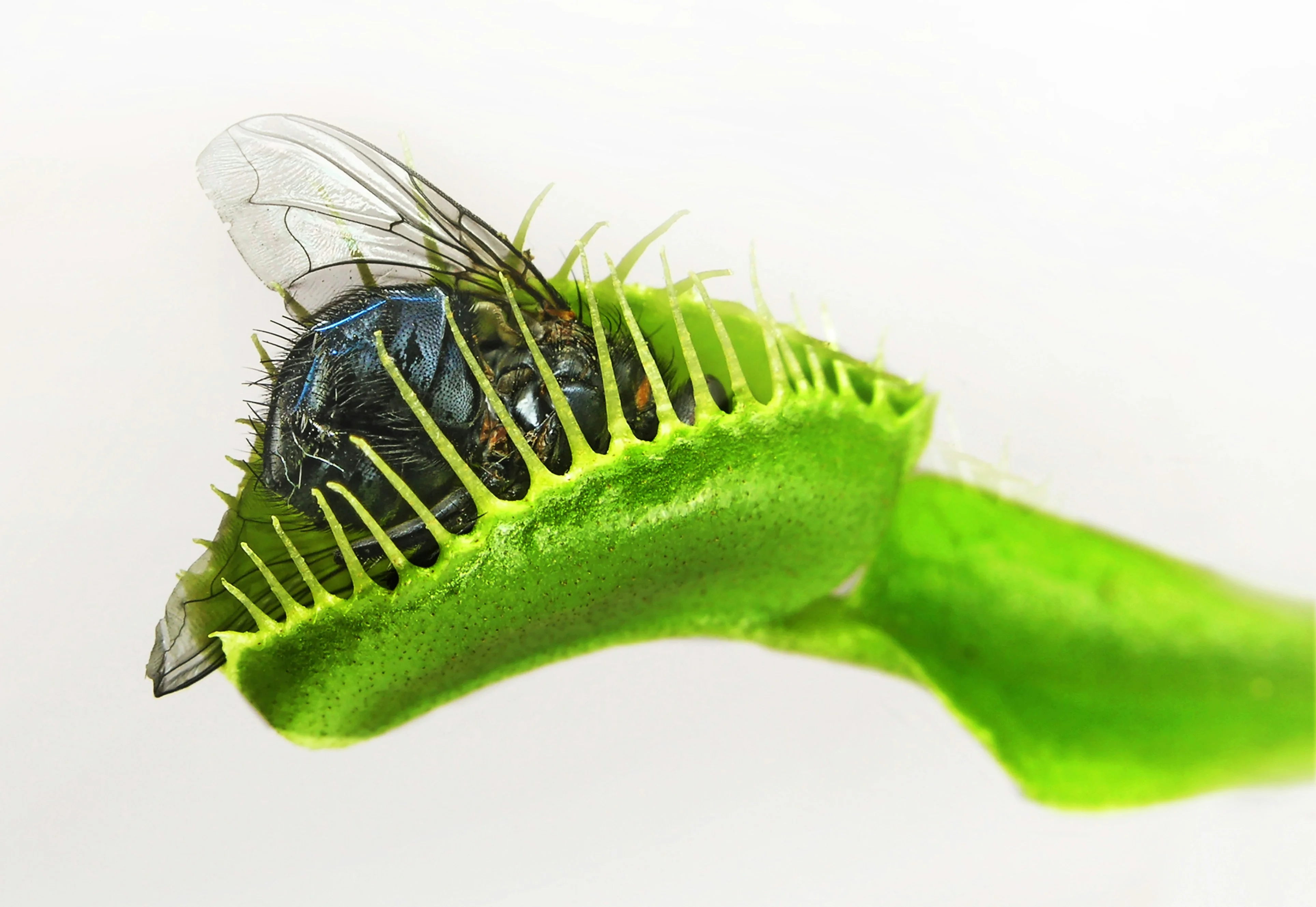
Watering supplies one of the most important resources for plant growth, acting as both a raw material for photosynthesis and a transport medium carrying dissolved nutrients throughout plant tissues. Roots absorb water from the growing medium and transport it upward through the xylem to support metabolic function. Water also plays a role in temperature regulation, since its evaporation through stomata during transpiration helps cool the plant while supporting the continuous movement of nutrients from roots to shoots. Effective watering involves more than simply adding water on a schedule; it requires responding to a plant's actual moisture needs.
No matching items found
Try adjusting your search query or active category filters.