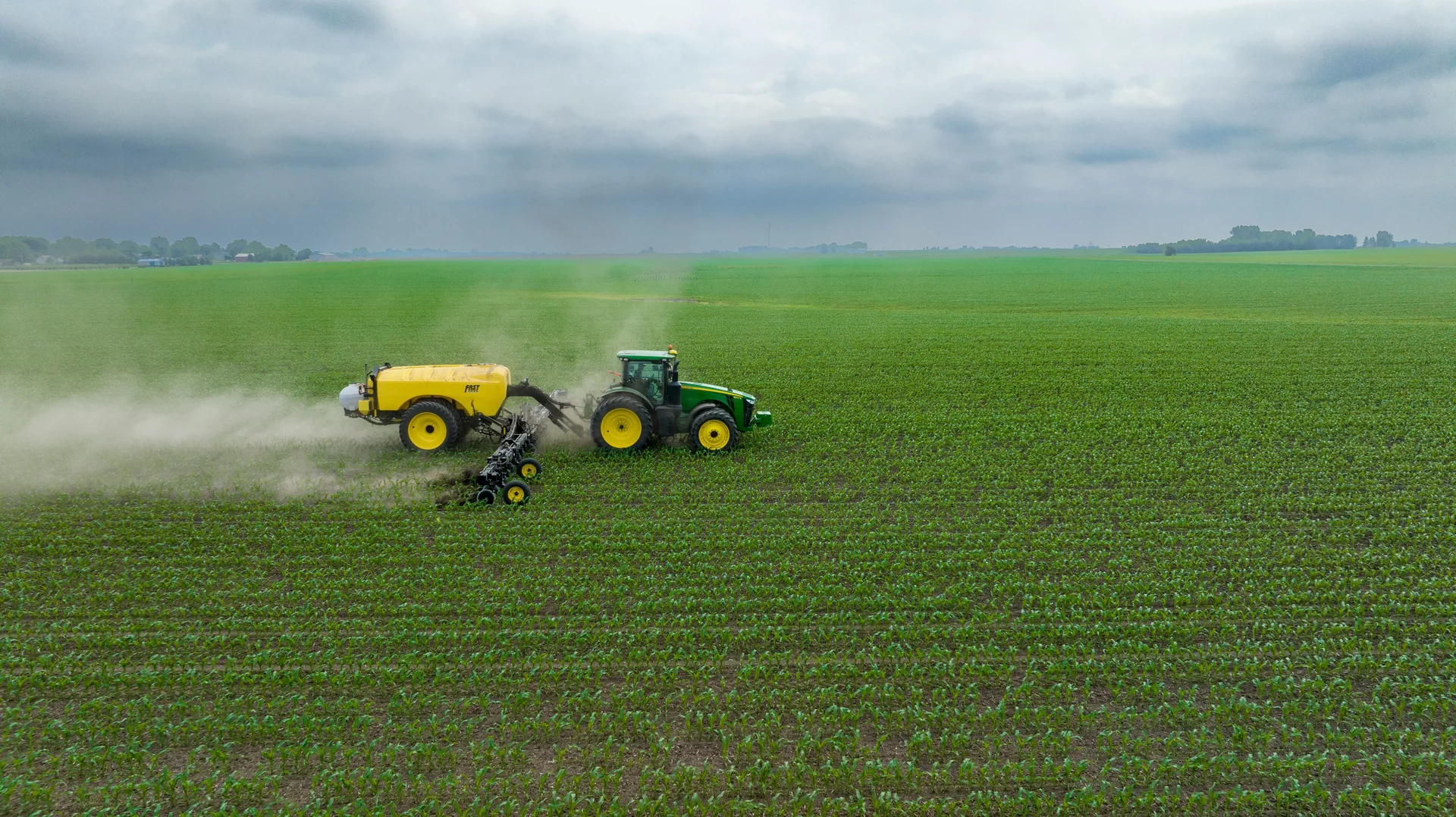
What Is Fertiliser?
Fertiliser is a substance added to soil to promote plant growth and fertility. It is a crucial component of gardening, as it provides essential nutrients for plants to thrive. Plants require a balanced diet of nutrients, including nitrogen, phosphorus, and potassium, to grow and develop properly. Fertilisers can be organic or inorganic, and they can be applied in various forms, such as granules, liquids, or powders.
The underlying botanical science behind fertilisers is based on the concept of nutrient cycling. Plants absorb nutrients from the soil through their roots, and as they grow, they utilize these nutrients to produce new tissues. However, as plants grow, they also remove nutrients from the soil, which can lead to nutrient deficiencies over time. Fertilisers help to replenish these nutrients, ensuring that plants have a constant supply of essential nutrients to grow and thrive.
Fertilisers are essential for plant health, as they provide the necessary nutrients for plants to grow and develop properly. Without adequate nutrients, plants can become stressed, leading to reduced growth, increased susceptibility to disease, and decreased yields. By using fertilisers, gardeners can promote healthy plant growth, improve crop yields, and enhance the overall appearance of their gardens.
Tools and Materials You'll Need
- Fertiliser (granular or liquid)
- Measuring cups or spoons
- Watering can or hose
- Soil test kit
- Gardening gloves
- Pruning shears (optional)
- Spreader or sprayer (optional)
Step-by-Step: How to Apply Fertiliser
- Choose the right fertiliser for your plants, taking into account the type of plants, soil pH, and nutrient requirements. Apply fertiliser at a temperature between 65°F (18°C) and 85°F (29°C), and when the soil moisture is between 20% and 40%.
- Read the label instructions carefully and follow the recommended application rates. Typically, fertilisers are applied at a rate of 1-2 pounds per 100 square feet, depending on the formulation and intended use.
- Measure out the recommended amount of fertiliser using a measuring cup or spoon. For liquid fertilisers, dilute the product according to the label instructions, usually 1-2 tablespoons per gallon of water.
- Apply the fertiliser evenly to the soil, either by broadcasting it over the soil surface or by using a spreader or sprayer. For granular fertilisers, water the soil gently after application to prevent burning the roots.
- Water the plants thoroughly after applying fertiliser, using approximately 1-2 gallons of water per plant, depending on the soil type and moisture levels.
- Monitor the plants' response to the fertiliser, observing for signs of nutrient deficiency or excess. Adjust the application rate or frequency as needed, based on the plants' growth and development.
- Repeat the fertilisation process as recommended on the label, usually every 4-6 weeks during the growing season, or as needed based on soil test results and plant performance.
Best Practices and Pro Tips
- Soil Testing: Test your soil regularly to determine its pH and nutrient levels, adjusting your fertiliser application accordingly. Aim for a soil pH between 6.0 and 7.0, and nutrient levels within the recommended ranges for your plants.
- Fertiliser Timing: Apply fertiliser during the growing season, when plants are actively producing new growth. For most plants, this is between March and October, when temperatures are between 40°F (4°C) and 90°F (32°C).
- Watering: Water plants thoroughly after applying fertiliser, using approximately 1-2 gallons of water per plant, depending on the soil type and moisture levels.
- Fertiliser Rate: Apply fertiliser at the recommended rate, taking into account the type of plants, soil pH, and nutrient requirements. Typically, fertilisers are applied at a rate of 1-2 pounds per 100 square feet, depending on the formulation and intended use.
- pH Adjustment: Adjust the soil pH as needed, using lime or sulphur to raise or lower the pH, respectively. Aim for a soil pH between 6.0 and 7.0, and monitor the pH regularly to avoid over-correction.
Quick Reference Table
| Factor | Recommended Range | Why It Matters |
|---|---|---|
| Soil pH | 6.0-7.0 | Optimal pH range for most plants, allowing for efficient nutrient uptake and utilization. |
| Nitrogen Level | 10-20 ppm | Essential for plant growth and development, with optimal levels promoting healthy leaf growth and colour. |
| Phosphorus Level | 5-10 ppm | Critical for root development, flower and fruit production, and overall plant health. |
| Potassium Level | 10-20 ppm | Important for overall plant health, promoting disease resistance and water balance. |
| Temperature | 65-85°F (18-29°C) | Optimal temperature range for fertiliser application, allowing for efficient nutrient uptake and utilization. |
Best Plants for Fertiliser
Some plants are more responsive to fertiliser than others. The Rosa spp. (Rose) is a classic example, as it requires regular fertilisation to produce abundant blooms. The Helianthus annuus (Sunflower) is another good candidate, as it benefits from a balanced fertiliser to promote healthy growth and flowering. The Tomato spp. (Tomato) is also a heavy feeder, requiring regular fertilisation to produce a bountiful harvest. The Cucumis sativus (Cucumber) and Phaseolus vulgaris (Bean) are also good choices, as they benefit from a balanced fertiliser to promote healthy growth and fruiting. The Zinnia spp. (Zinnia) is a low-maintenance option, but it still benefits from regular fertilisation to promote healthy growth and flowering.
As we explain in our Compost guide, compost can be a valuable addition to your fertilisation routine, providing a natural source of nutrients for your plants. Which we cover in detail in our NPK article, the importance of balancing nitrogen, phosphorus, and potassium cannot be overstated. See our Micronutrients guide for a deeper look at the role of micronutrients in plant nutrition, and how they can be used to promote healthy plant growth and development.
Common Mistakes to Avoid
- Over-Fertilisation: Applying too much fertiliser can damage plants, causing burning of the roots and leaves. This can occur when the fertiliser application rate exceeds 2 pounds per 100 square feet, or when the soil pH is not adjusted accordingly.
- Under-Fertilisation: Failing to apply enough fertiliser can result in nutrient deficiencies, leading to reduced growth and yields. This can occur when the fertiliser application rate is less than 1 pound per 100 square feet, or when the soil pH is not adjusted accordingly.
- Incorrect Timing: Applying fertiliser at the wrong time can reduce its effectiveness, as plants may not be able to utilize the nutrients. This can occur when fertiliser is applied outside of the growing season, or when the soil temperature is below 40°F (4°C) or above 90°F (32°C).
- Insufficient Watering: Failing to water plants thoroughly after applying fertiliser can reduce its effectiveness, as the nutrients may not be able to reach the roots. This can occur when the soil moisture is below 20%, or when the watering can or hose is not used to apply at least 1-2 gallons of water per plant.
- Ignoring Soil pH: Failing to adjust the soil pH can reduce the effectiveness of fertiliser, as plants may not be able to utilize the nutrients. This can occur when the soil pH is outside of the optimal range of 6.0-7.0, or when the pH is not adjusted accordingly.
What is the success rate of using fertiliser?
The success rate of using fertiliser depends on various factors, including the type of plants, soil pH, and nutrient requirements. Generally, fertilisers can increase crop yields by 10-20%, and improve plant growth and development by 15-30%. However, the success rate can vary depending on the specific fertiliser used, and the application rate and timing.
What is the best season to apply fertiliser?
The best season to apply fertiliser depends on the type of plants and the climate. Generally, fertilisers are applied during the growing season, when plants are actively producing new growth. For most plants, this is between March and October, when temperatures are between 40°F (4°C) and 90°F (32°C).
Is it mandatory to follow the recommended application rate?
Yes, it is mandatory to follow the recommended application rate, as over-fertilisation can damage plants and under-fertilisation can reduce yields. The recommended application rate is usually between 1-2 pounds per 100 square feet, depending on the formulation and intended use.
What aftercare is required after applying fertiliser?
After applying fertiliser, it is essential to water plants thoroughly, using approximately 1-2 gallons of water per plant, depending on the soil type and moisture levels. It is also important to monitor the plants' response to the fertiliser, observing for signs of nutrient deficiency or excess, and adjusting the application rate or frequency as needed.
How do I troubleshoot common problems with fertiliser?
Troubleshooting common problems with fertiliser requires careful observation and adjustment of the application rate and timing. If plants are not responding to fertiliser, it may be necessary to adjust the soil pH, or to apply a different type of fertiliser. If plants are showing signs of nutrient deficiency or excess, it may be necessary to adjust the application rate or frequency, or to use a different type of fertiliser.