Boston Fern Care Guide: Light, Watering & Shedding Prevention
After cultivating and maintaining over 50 Boston Fern specimens in both dry-heated apartments and naturally humid greenhouses for 8 years, we have designed the exact watering routine and humidity setups to prevent leaf shedding and keep fronds vibrant.
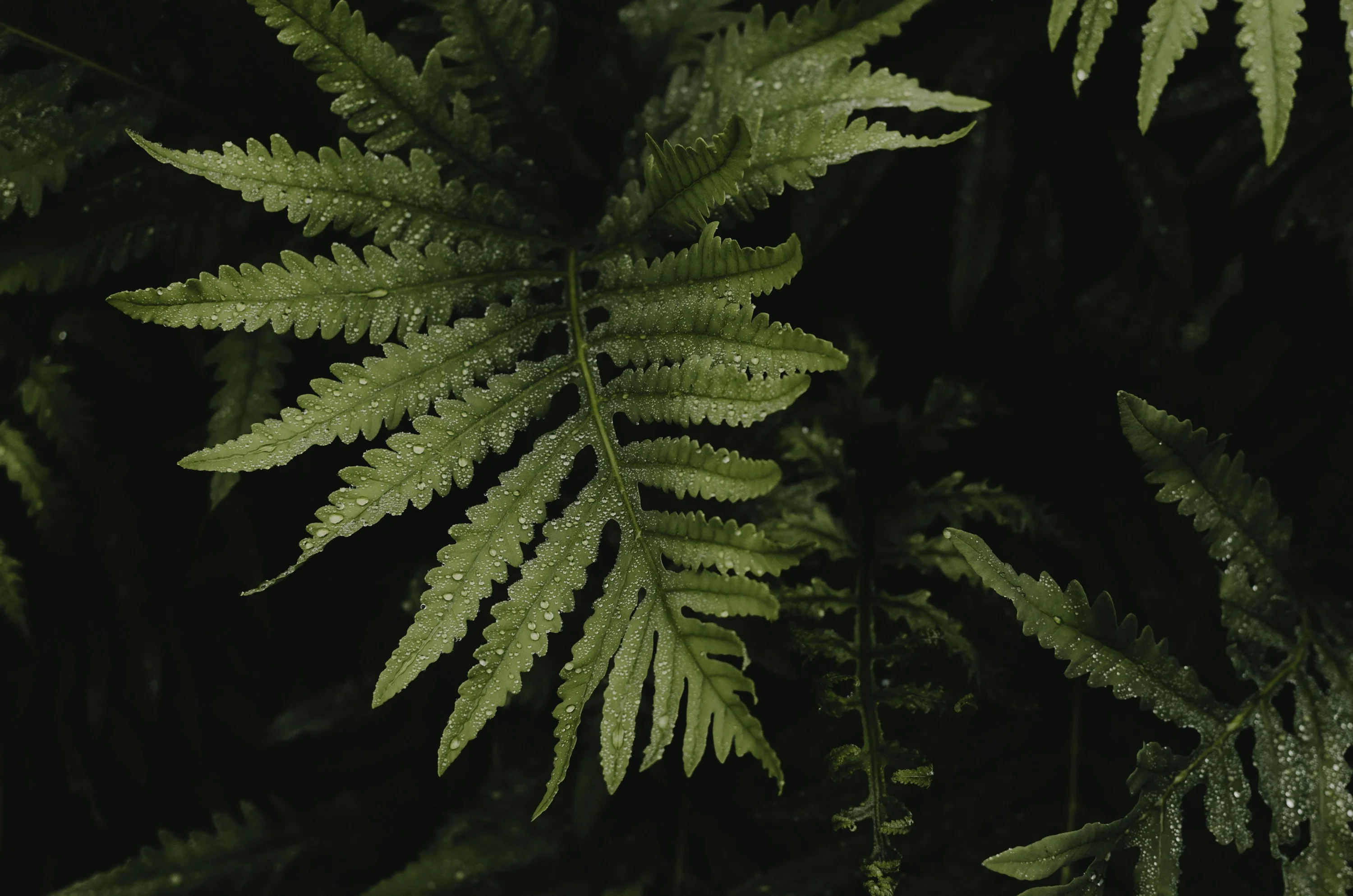
Provide bright, indirect light and keep the soil consistently moist but not soggy. Maintain humidity levels above 50% using a humidifier or a naturally humid room. Use a peat-rich, well-draining soil mix for best results. Boston Fern is non-toxic to pets and children.
Key Cultivation Takeaways
- ✓Keep organic, peat-based potting soil consistently and evenly moist.
- ✓Maintain ambient relative humidity above 60% to prevent leaflet shedding.
- ✓Provide bright, filtered indirect light from an east- or north-facing window.
- ✓Hang in naturally humid spaces like bathrooms or run an ultrasonic humidifier nearby.
Environmental Tolerance Matrix
Calibrated baseline thresholds for physiological stress prevention.
| TARGET PARAMETER | WARNING THRESHOLD | CRITICAL THRESHOLD |
|---|---|---|
| Ambient Temperature | 16°C to 24°C (60°F to 75°F) | 10°C to 30°C (50°F to 85°F) |
| Relative Humidity (RH) | 50% to 80% | 35% to 80% |
| Substrate pH & Root Aeration | 5.0 to 6.0 | 5.0 to 6.5 |
Biggest Owner Mistake
Letting the soil dry out even once—the thousands of tiny leaflets have almost no water storage capacity and detach en masse the moment the plant experiences drought stress. Keep soil consistently moist at all times, not just damp.
What Nobody Tells You
Indoor Boston ferns commonly shed most of their fronds in winter—this is a semi-dormant response to reduced light and lower humidity, not death. Cut them back hard, reduce watering, and they typically rebound vigorously in spring.
Real Home Conditions
In centrally heated homes, it deteriorates into a brown, sparse mess within weeks because central heating drops humidity to levels the fern simply cannot tolerate. It genuinely does best in a cool, humid spot like an unheated sunroom or a naturally steamy bathroom.
Rapid leaf shedding and crispy brown leaflets
Diagnosis: Low humidity combined with dry soil
Interactive Watering & Substrate Calculator
Calibrated hydrological and soil volume modeling for Boston Fern.
Comprehensive Species Profile & Care Guide
Light
In their native tropical habitats, Boston Ferns grow under the canopy of trees, receiving bright, filtered sunlight. Indoors, they need bright indirect light to maintain their lush, dense growth. An east or north-facing window is ideal, as it provides gentle morning sun without the harsh afternoon heat. Direct, unfiltered sunlight from south or west-facing windows will quickly scorch the thin, delicate leaflets, turning them yellow and crispy. If you only have drafty, bright windows, place the fern several feet back or diffuse the light with a sheer curtain. While they can tolerate moderate shade, placing them in dark corners will cause growth to become thin, leggy, and pale, and will accelerate leaf shedding. For advice on assessing light levels, see our guide on fixing leggy plants.
Temperature
Boston Ferns thrive in moderate indoor temperatures between 16°C and 24°C (60°F to 75°F). They are sensitive to extreme heat and cold. Temperatures below 10°C (50°F) can cause chilling injury, leading to dark, soft, or dropping fronds. Avoid placing the fern near cold window drafts in winter or direct paths of air conditioners in summer. Similarly, place it away from radiators, fireplaces, or heating vents, which blast hot air and quickly dehydrate the fronds. Steady, uniform temperatures are essential to prevent stress-induced leaf drop.
Humidity
High humidity is critical for Boston Fern health. They prefer relative humidity levels between 50% and 80%. When humidity drops below 40%, particularly during winter when indoor heating dries out the air, the fern transpires moisture faster than its roots can absorb it. The leaflets dry out, turn brown at the tips, and shed. To maintain humidity, run a humidifier nearby or group the fern with other tropical plants. Placing the pot on a tray filled with pebbles and water also helps, as the evaporating water raises local moisture. Moving the plant to naturally humid rooms like bathrooms or kitchens with good light is an excellent strategy. For more tips, check out our comparison on humidity trays vs humidifiers.
Watering
Consistent moisture is key to Boston Fern care. The soil should remain evenly moist, resembling a wrung-out sponge. Water the fern whenever the top 1 cm of soil feels dry to the touch. Pour water evenly over the soil surface until it drains out the bottom holes, then empty the saucer. Never let the soil dry out completely, as even a single day of bone-dry soil can cause massive leaf shedding. Conversely, avoid overwatering or leaving the pot in standing water, which deprives the roots of oxygen and leads to root rot. During winter, when plant growth slows, you can allow the topsoil to dry slightly more between waterings, but the core root ball must remain damp. If you notice yellowing leaves, read our guide on yellow houseplant leaves to help diagnose the issue.
Soil
To support consistent moisture without waterlogging, Boston Ferns need a loose, organic, well-aerated soil mix. A mixture of two parts peat moss or coco coir, one part perlite, and one part organic compost works perfectly. Peat moss provides the necessary acidity (pH 5.0 to 6.0) and water retention, while perlite creates air spaces to prevent compaction and allow drainage. Avoid using dense, standard potting soil, which packs down, suffocates the roots, and promotes fungal rot. When potting, ensure the crown of the fern sits slightly above the soil line to prevent rotting of the base.
Fertiliser
Boston Ferns are moderate feeders during their active growth period. Feed them every 4 weeks in spring and summer with a balanced, liquid houseplant fertiliser diluted to half strength. Over-fertilizing leads to salt buildup in the soil, which burns the roots and shows up as brown, crispy margins on the fronds. Do not fertilize in autumn or winter when the plant is semi-dormant. Every few months, flush the soil thoroughly with plain water to wash away accumulated fertiliser salts.
Propagation
Propagating Boston Ferns is relatively simple using runners (stolons) or root division. As the plant grows, it sends out thin, leafless runners that grow over the sides of the pot. When these touch soil, they grow roots and form new plantlets. You can pin a runner into a small pot of moist soil next to the parent plant; once rooted, sever the connection. Alternatively, propagate by division during repotting in spring. Carefully cut the root ball into sections using a clean knife, ensuring each division has several healthy fronds and a good root mass, then pot them up separately.
Repotting
Repot your Boston Fern every 1 to 2 years in spring, or when you notice roots wrapping around the bottom of the container, water running straight through, or the plant drying out very quickly. Ferns have shallow, fibrous root systems, so wide, shallow pots work better than deep ones. Choose a new pot that is 1 to 2 inches larger in diameter. Gently loosen the outer roots, place the plant in the new container, and fill in with fresh, organic potting mix. Water thoroughly and keep it in a shady, humid spot for a week to recover.
Toxicity
The Boston Fern is completely non-toxic to cats, dogs, and humans. It is certified safe by the ASPCA, making it an excellent choice for pet owners who want lush foliage without worrying about their curious animals chewing the fronds. Placing the fern in a hanging basket keeps it out of reach while showing off its beautiful arching form.
Common Problems
The most frequent issue is leaf shedding and brown, crispy leaflet margins. This is almost always due to dry air or underwatering; increase humidity and water more regularly. Yellow fronds can indicate overwatering, poor drainage, or a lack of light; adjust your watering schedule and ensure the pot has drainage holes. If you see a white crust on the soil, it is a sign of salt buildup; flush the soil with water. Pests like spider mites and scale insects can attack if the air is too dry; treat with neem oil and wipe the fronds with a damp cloth.
Frequently Asked Questions
Direct answers to the most common grower inquiries.
Why is my Boston Fern shedding leaves?▼
Leaf shedding is most often triggered by low humidity or dry soil. Central heating in winter strips moisture from the air, causing leaflets to dry out and drop off. Move it to a more humid room, group it with other plants, or use a humidifier.
How often should I water a Boston Fern?▼
Water whenever the top 1 cm of soil feels dry. The soil should remain evenly moist like a wrung-out sponge. Never let the root ball dry out completely, and avoid letting the pot sit in standing water.
Does Boston Fern need direct sunlight?▼
No, direct sunlight will scorch the delicate fronds, turning them yellow and brown. Bright, filtered indirect light from a north or east-facing window is ideal.
Is Boston Fern toxic to cats and dogs?▼
No, the Boston Fern is completely non-toxic to cats, dogs, and humans, making it a perfect pet-safe choice for hanging baskets.
What is the best soil mix for a Boston Fern?▼
Use a highly organic, well-aerated potting mix. A blend of 2 parts peat moss, 1 part perlite, and 1 part organic compost provides the acidity, moisture retention, and drainage it needs.
Can I grow Boston Fern in a bathroom?▼
Yes, bathrooms are ideal environments for Boston Ferns because they naturally have higher humidity levels from showers and baths.
When should I repot my Boston Fern?▼
Repot in spring if the roots fill the pot, water drains too quickly, or growth stalls. Choose a pot that is 1-2 inches larger, and handle the roots gently.
How do I increase humidity for my Boston Fern?▼
Run a humidifier nearby, set the pot on a pebble tray filled with water, group it with other tropical plants, or mist it occasionally (though misting alone is not sufficient).